


In the modern smartphone era, digital misunderstandings between generations have become more common, especially inside families. Xiaomi has directly addressed this challenge with smart interface features designed to simplify complex smartphone interactions. Through tools such as Lite Mode, Second Space, and system-level remote support, Xiaomi created a user experience that reduces stress, prevents mistakes, and helps families communicate more effectively. This article explains how these features work and why they are becoming essential for peaceful daily smartphone use.
How Xiaomi Solves Generational Tech Conflicts
Xiaomi identified that most family-level digital conflicts come from three primary causes: interface complexity, accidental changes, and privacy concerns. Instead of reducing features, the company introduced structured modes that change how the operating system behaves based on user needs. These solutions are available on Xiaomi smartphones using MIUI and Xiaomi HyperOS, and they are optimized for stability, accessibility, and long-term daily use. The approach does not remove power from the system, it reorganizes the user journey for clarity.
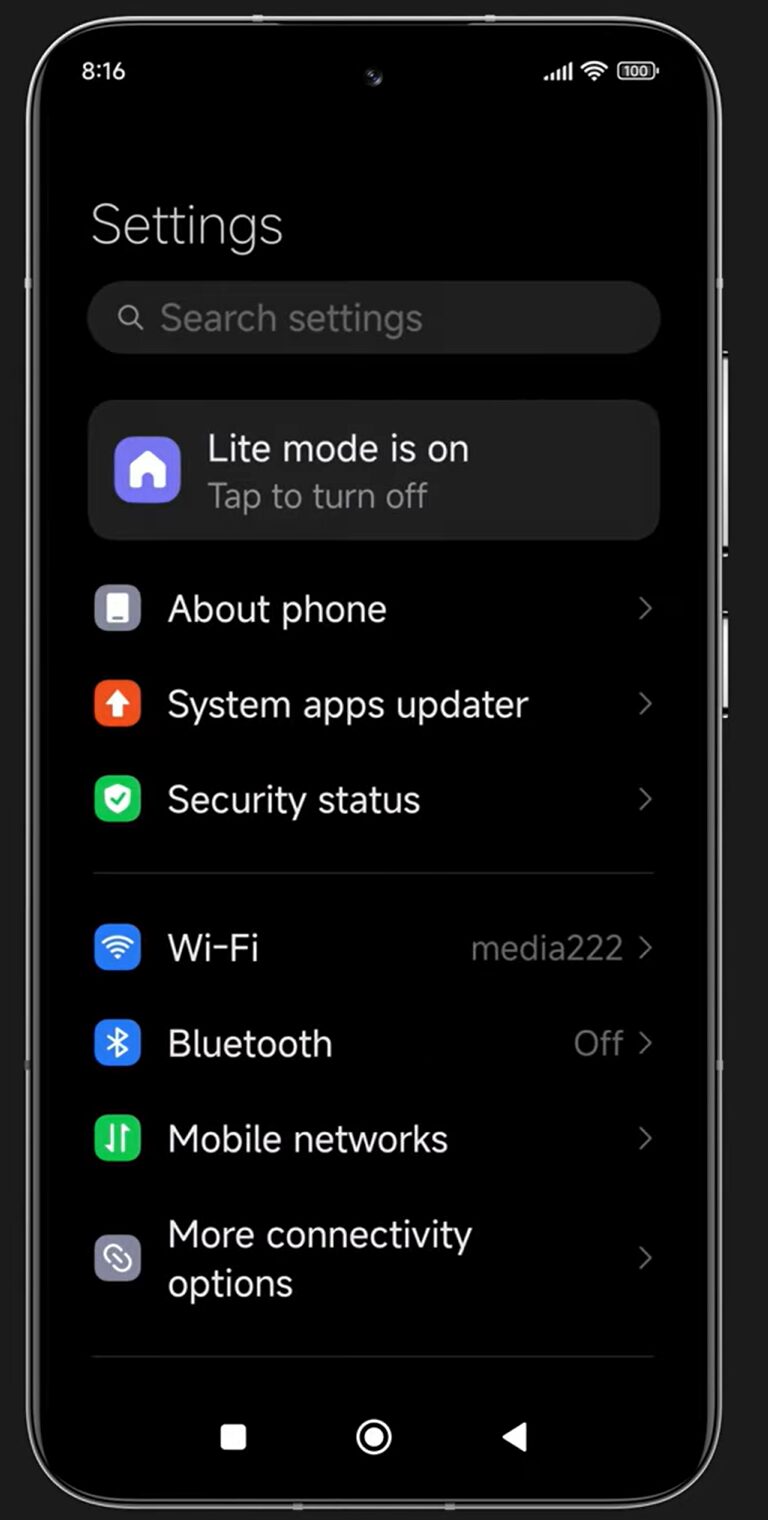
Lite Mode: A Simplified Interface for Stress-Free Use
Lite Mode transforms the phone into a clean, large-button, high-contrast interface that is easy to understand. Icons are larger, menus are shorter, and gestures are replaced with visible navigation buttons. This dramatically lowers error rates and eliminates confusion caused by hidden menus. Technically, Xiaomi restructures the user interaction layer to minimize touch sensitivity errors and visual overload.
Key technical advantages of Lite Mode:
- Larger icons and system-wide text scaling
- Simplified 3×3 home screen layout
- Disabled complex gestures
- Protected app deletion behavior
Second Space: Privacy Without Confrontation
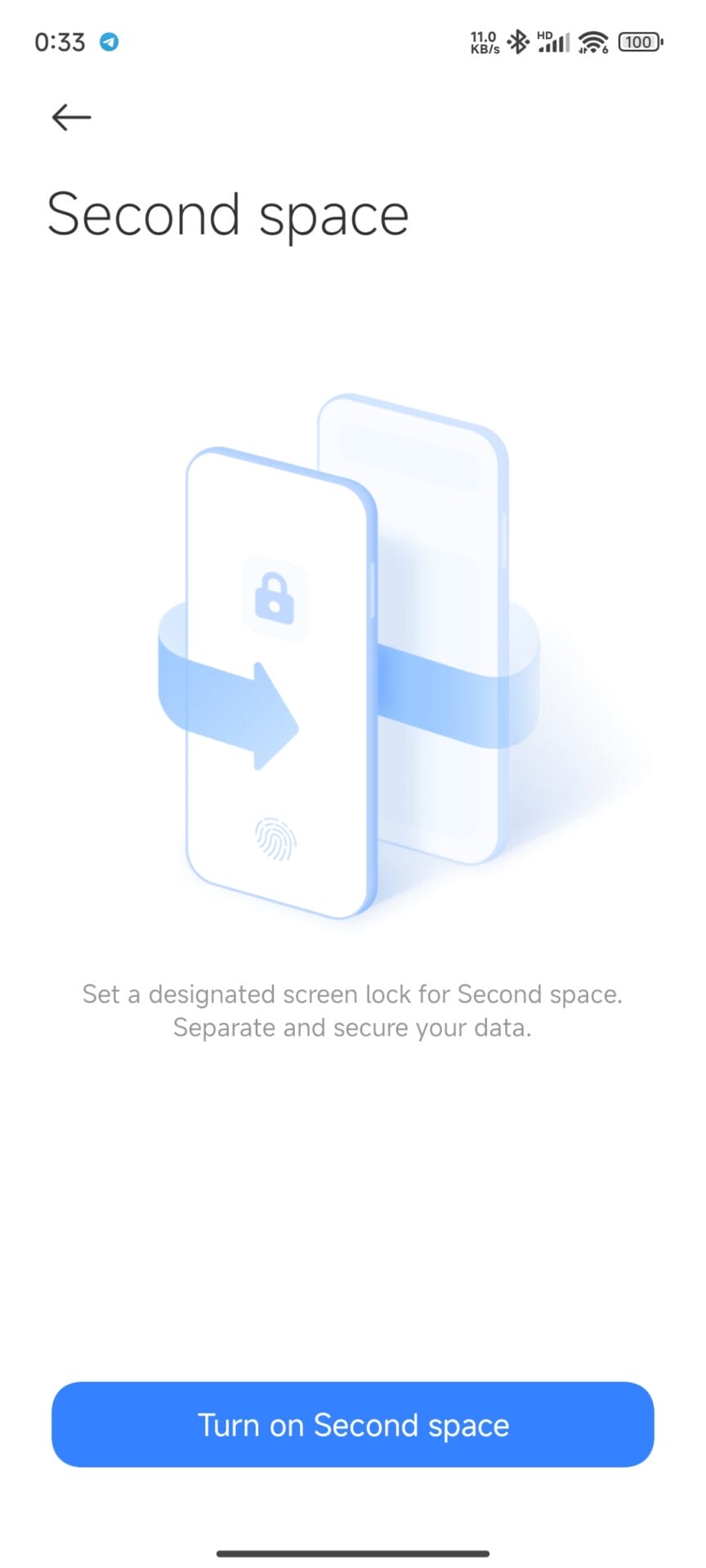
Second Space creates a physically isolated virtual environment inside the same phone. This feature is based on Android’s multi-user architecture but enhanced by Xiaomi with biometric triggers. Different fingerprints can open different virtual spaces, creating two separate digital worlds.
This prevents family-related conflict by:
- Separating photos, chats, and app history
- Allowing “guest mode” usage without suspicion
- Maintaining full data encryption separately
Why Second Space Works Better Than App Locks
Unlike traditional app locking, Second Space does not show “restricted” warnings. The user simply sees a clean, empty environment. This avoids emotional tension and keeps the experience natural and respectful.
Lock Home Screen Layout for Stability
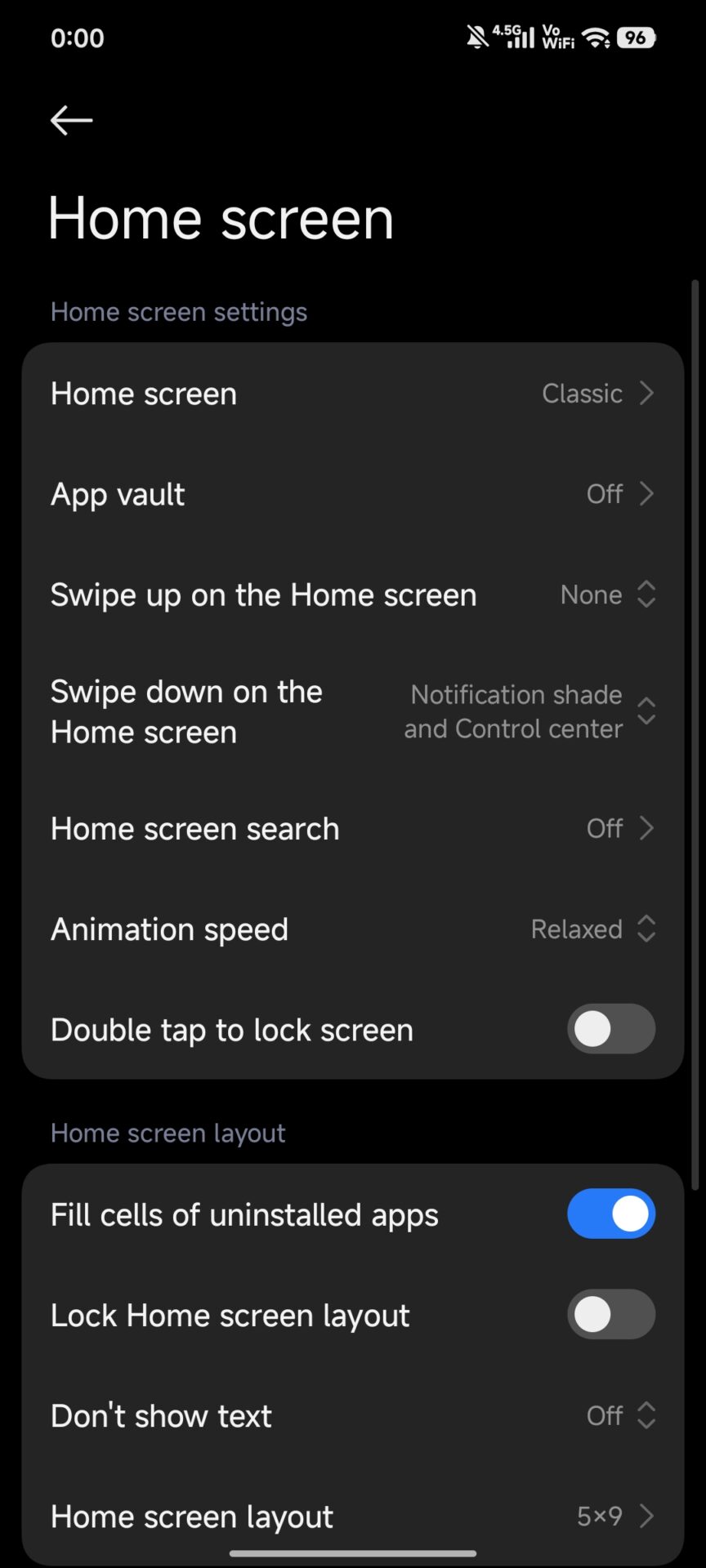
Many conflicts do not start from mistakes but from small visual changes. Xiaomi allows users to lock the entire home screen structure.
Benefits of home screen locking:
- Prevents icon movement
- Stops accidental app deletion
- Preserves long-term muscle memory
This feature is located under Settings > Home Screen > Lock Home Screen Layout.
Remote Support Via Screen Sharing
Xiaomi supports integrated remote assistance through native video calling and screen sharing. Instead of explaining problems verbally, users can visually show the screen in real time.
This reduces:
- Miscommunication
- Call duration
- Emotional frustration during support calls
In supported regions, limited remote control functionality is also enabled through Xiaomi system services.
Competitive Advantage of Xiaomi in This Area
Compared to similar platforms:
- Xiaomi provides deeper Lite Mode system control than Samsung One UI
- Offers full Second Space virtual session unlike Apple iOS, which lacks real isolation
- Makes all features available even on budget Redmi devices, improving accessibility
This makes Xiaomi especially attractive for families seeking stable, stress-free digital environments.
Key Benefits Summary
- Reduced digital errors
- Improved family communication
- Greater privacy protection
- Lower emotional friction in daily usage
Final Evaluation
Xiaomi has positioned itself not only as a hardware brand, but as a human-centered software innovator. By designing Xiaomi HyperOS and MIUI around real behavioral patterns, the company created solutions that prevent family-level digital tension without removing technological power. These features work quietly in the background, delivering psychological comfort through practical engineering.



