


The European wearables market is observing a massive transition to fully integrated health management solutions. With the start of 2026, the Xiaomi Smart Band 10 is set to offer fierce competition to the established Fitbit ecosystem. Although Xiaomi is leveraging the benefits of hardware value and modularity, the latter is powered by the support of Google and focuses on clinical accuracy. In this report, the impact of the integration of Xiaomi HyperOS and price competitiveness on the established health subscription model is discussed.
Engineering Excellence and Modular Design Philosophy
The Xiaomi Smart Band 10 boasts an innovatively different display in terms of resolution and brightness; it has a revolutionary 1.72-inch AMOLED display that can reach an unprecedented brightness of 1500 nits, ensuring that it can be perfectly read even in harsh environments such as direct exposure to sunlight. In contrast to the rather traditional look of the Fitbit Charge 6, Xiaomi provides consumers with the opportunity to purchase a “Ceramic Edition,” thereby filling in the gap that separates tech gadgets and luxury accessories.
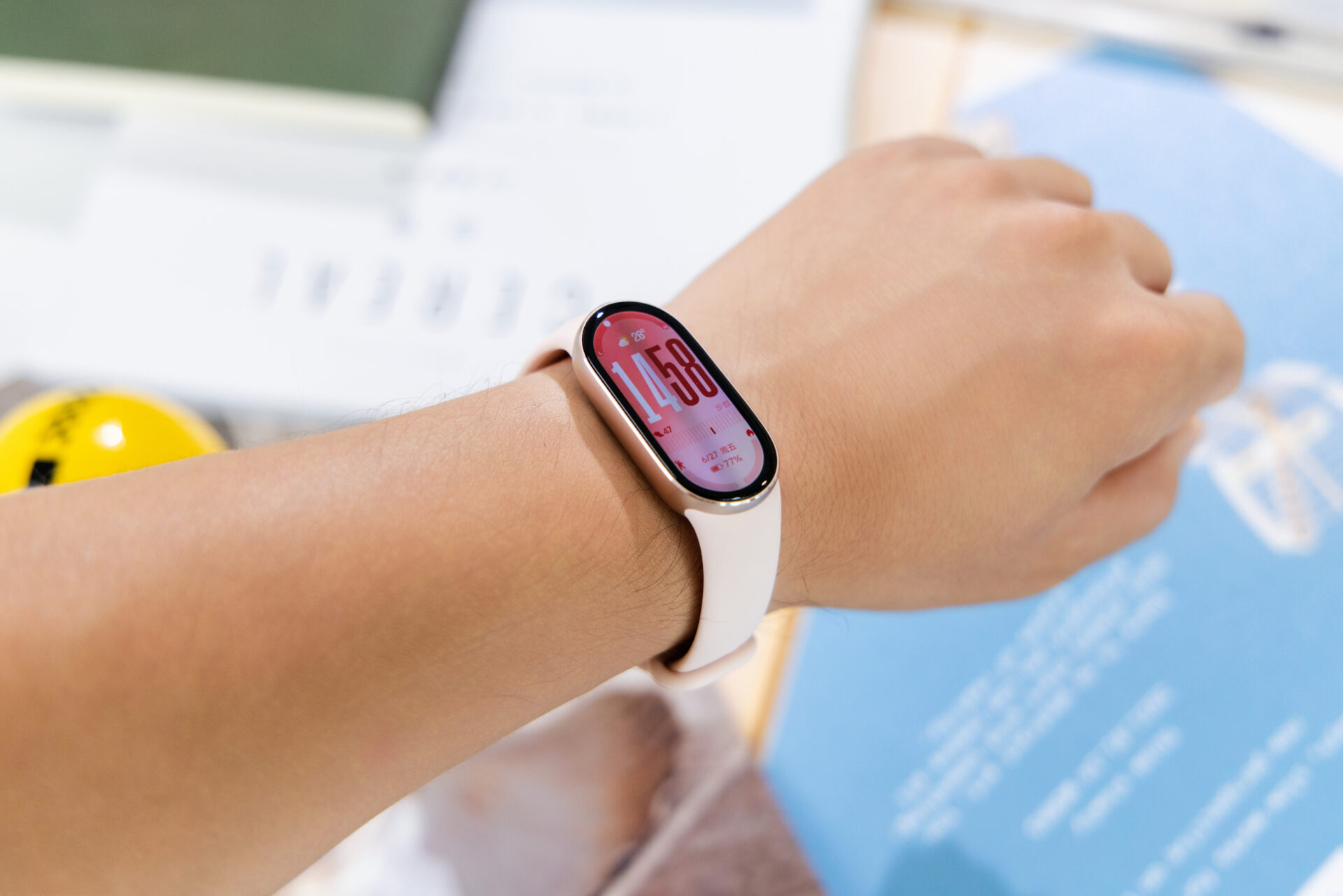
Metrics for Healthcare and Accuracy of Algorithms
Although Fitbit has a minor advantage in clinical-grade heart rate and sleep stage accuracy with its algorithms optimized by Google, the gap is considerably reduced by Xiaomi. The Smart Band 10 comes equipped with a multi-channel optical sensor for a stable output during continuous cardiovascular exercises. Additionally, the “Vitality Score” system enables a user-friendly method of personal physical activity tracking without the complexities of data analysis, complementing the WHO’s physical activity guidelines perfectly.
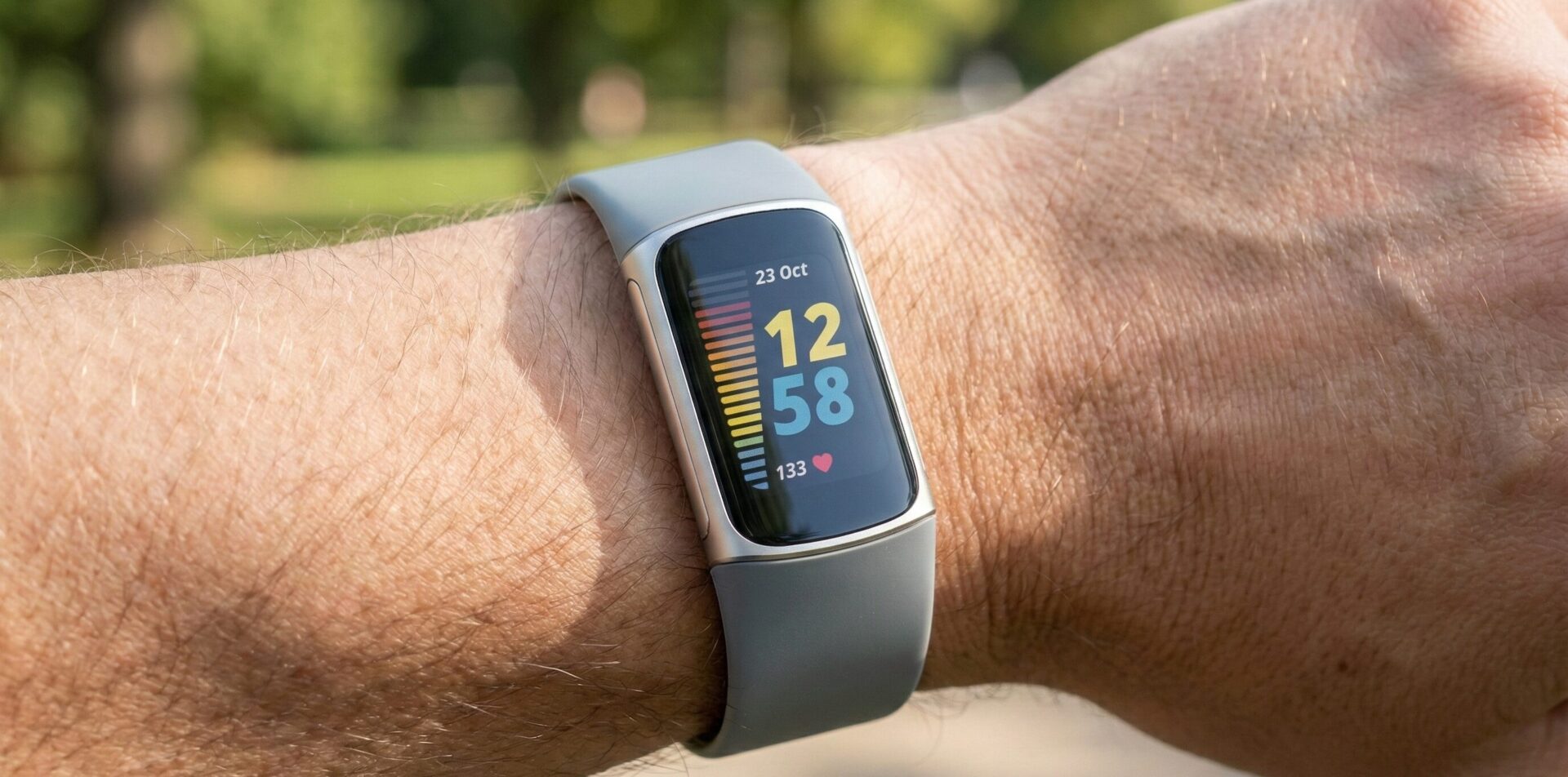
Economic Analysis and Market Comparison
However, the financial component is the most fundamental point of differentiation for consumers in the long run. Xiaomi devices are based on the “one-time purchase” service, while Fitbit relies more heavily on Premium subscription for long-term trend data and readiness scores, opposed to past versions based solely on purchase price. These are the technical and financial differences in the two best devices currently available in Europe, as shown below in the table:
| Feature | Xiaomi Smart Band 10 | Fitbit Charge 6 |
| Display | 1.72″ AMOLED (1500 nits) | 1.04″ AMOLED |
| Battery Life | Up to 21 Days | Up to 7 Days |
| GPS | Connected (via Phone) | Built-in GPS |
| Payments | Xiaomi Pay (Limited Support) | Google Wallet (Broad Support) |
| Device Price | ~$48 – $65 | ~$140 – $173 |
| Subscription | $0 (All features free) | ~$9.70 / Month (Premium) |
In light of the above, the choice between the two is based on the health needs and budget of the user. The Xiaomi Smart Band 10 is a value-for-money health tracker, while the Fitbit is a health tracker that is specialized and useful to people who need the services that come with the EKG feature (only for certificated countries) and the integration with the Google system.



