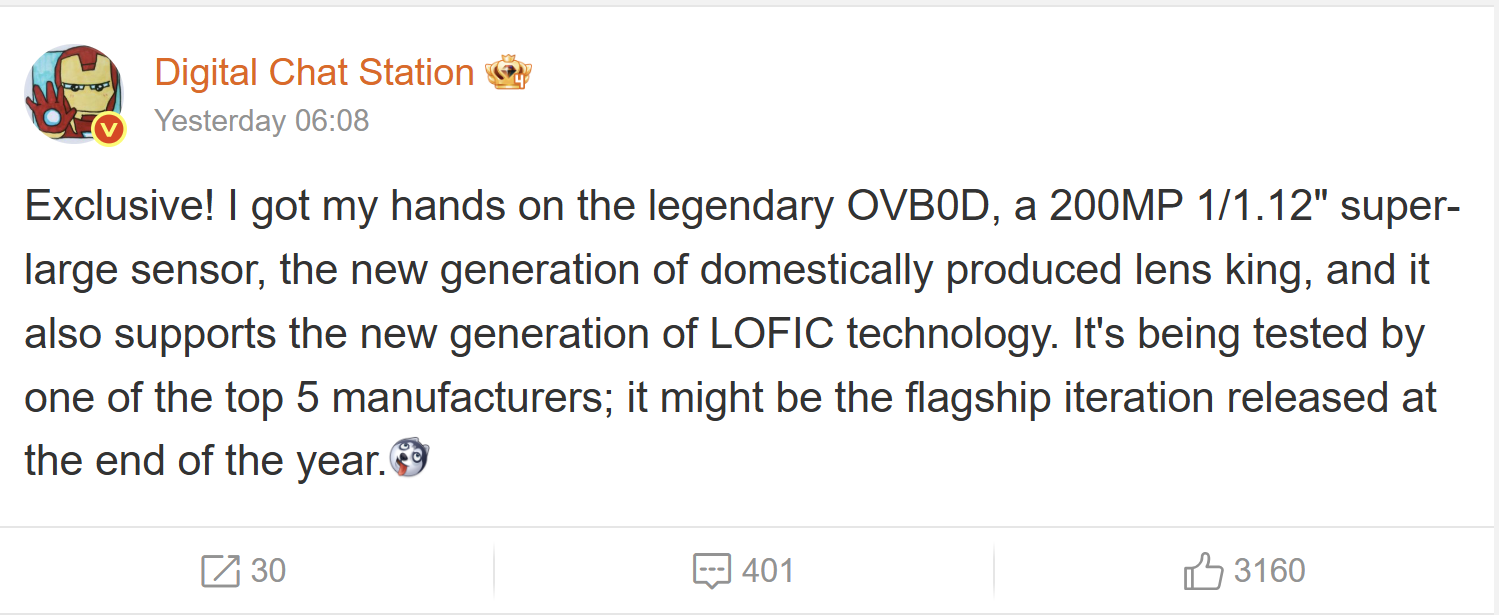
The company that is causing a stir with its new sensor, OVB0D, is a 200MP “beast” with a gigantic 1/1.12-inch area. This “domestic camera king” is meant to disrupt the duopoly of Sony and Samsung in the premium flagship segment.
The initial specifications, and the addition of LOFIC technology is a game-changer in itself when it comes to high-contrast photography. This new image sensor is sure to set new benchmarks in mobile image capture in late 2026 flagships.
TL;DR
- Mega Resolution: The OVB0D delivers 200MP on a massive 1/1.12-inch sensor, nearly matching the 1-inch industry standard.
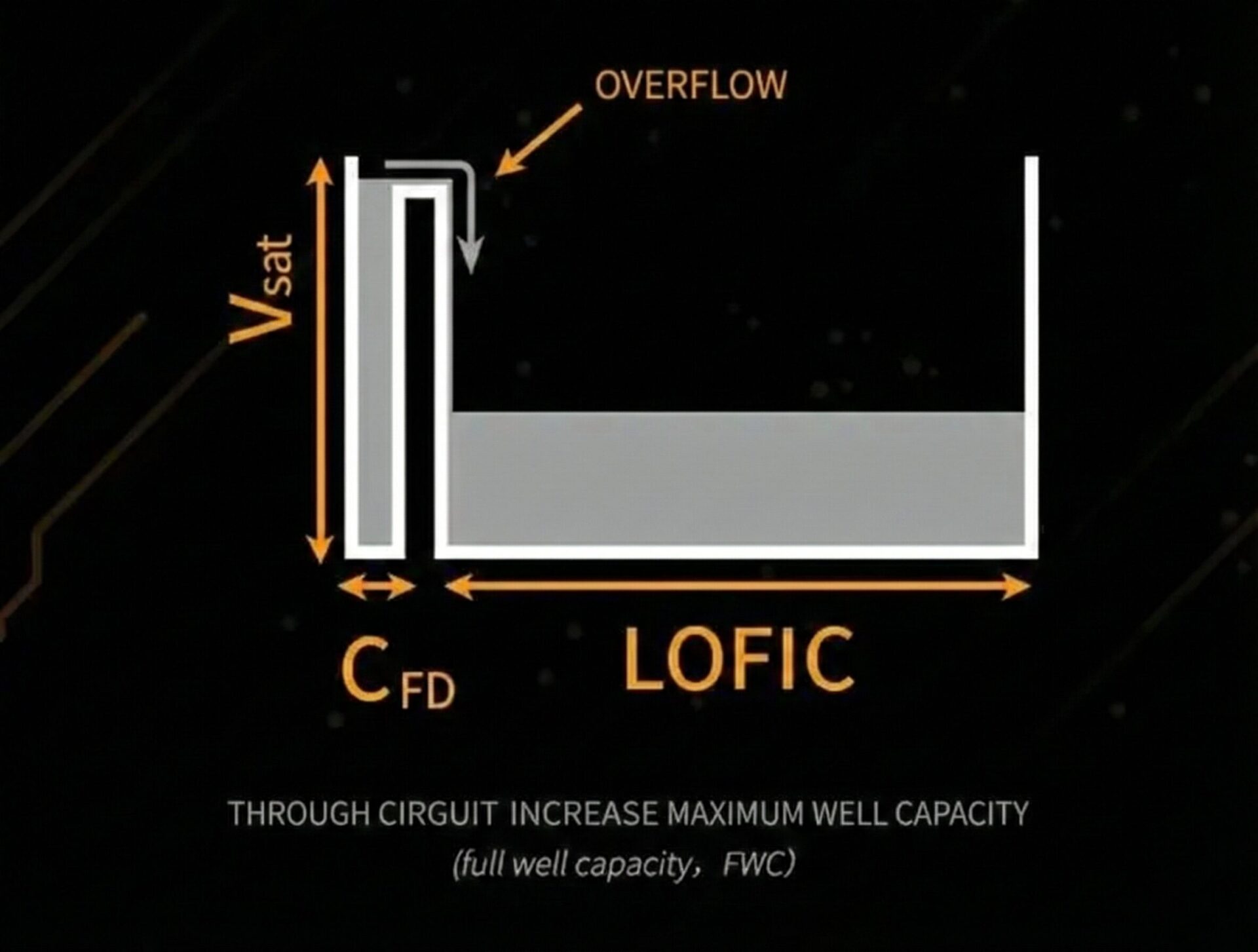
- HDR Mastery: Features LOFIC technology with a 108dB dynamic range, significantly reducing overexposed highlights.
- Xiaomi Integration: Rumored for the REDMI K90 Ultra (Global Xiaomi 17T Pro).
Why Is the OmniVision OVB0D So Important?
It’s not just about the number of megapixels for the OVB0D, it’s about light management with a 400,000 full-well capacity. It enables the camera to take a tremendous amount of detail in the bright areas of a shot without losing the depth of the shadows.
This is the point at which we are witnessing the change where “domestic” sensors from China are starting to match, and, in some ways, outperform the hardware from Sony, the leader in camera sensors for so long.
What Phones Are Expected to Have This Sensor?
The rumors are hinting at this technology being introduced first by Honor Magic 9 Pro. Nevertheless, we expect Xiaomi to implement this tech into their end-year performance leaders such as REDMI K90 Ultra.
However, it should be noted that while the REDMI K ULTRA lineup is exclusive to China, these models are generally available in the global market under the Xiaomi T Series. For the normal REDMI K lineup, the global market typically gets these models under the POCO brand with similar flagship specifications.
Note: This hardware will most likely only be available in the “Pro” and “Ultra” variants, considering the production cost of the 1/1.12-inch glass.
Will This Spell the End for Traditional DSLRs?
Although smartphones have some physical limitations, with a dynamic range of 108dB in OVB0D, smartphones have reached a point close to professional mics. I strongly believe that with the processing capabilities of Xiaomi devices and AI, the remaining gap will be filled by 2026.