
The future of smartphone technology is accelerating at breakneck speeds towards a point where the hardware will essentially diminish and the display alone will remain. By the year 2030, the innovations that are being made at present, such as the Xiaomi HyperOS and the mythical Xiaomi MIX Alpha prototype, indicate that our main computer will consist of a single piece of transparent smart glass. At XiaomiTime.com, we see all of this technology as milestones.
The Lasting Impact of MIX Alpha: A Look into All-Screen Reality
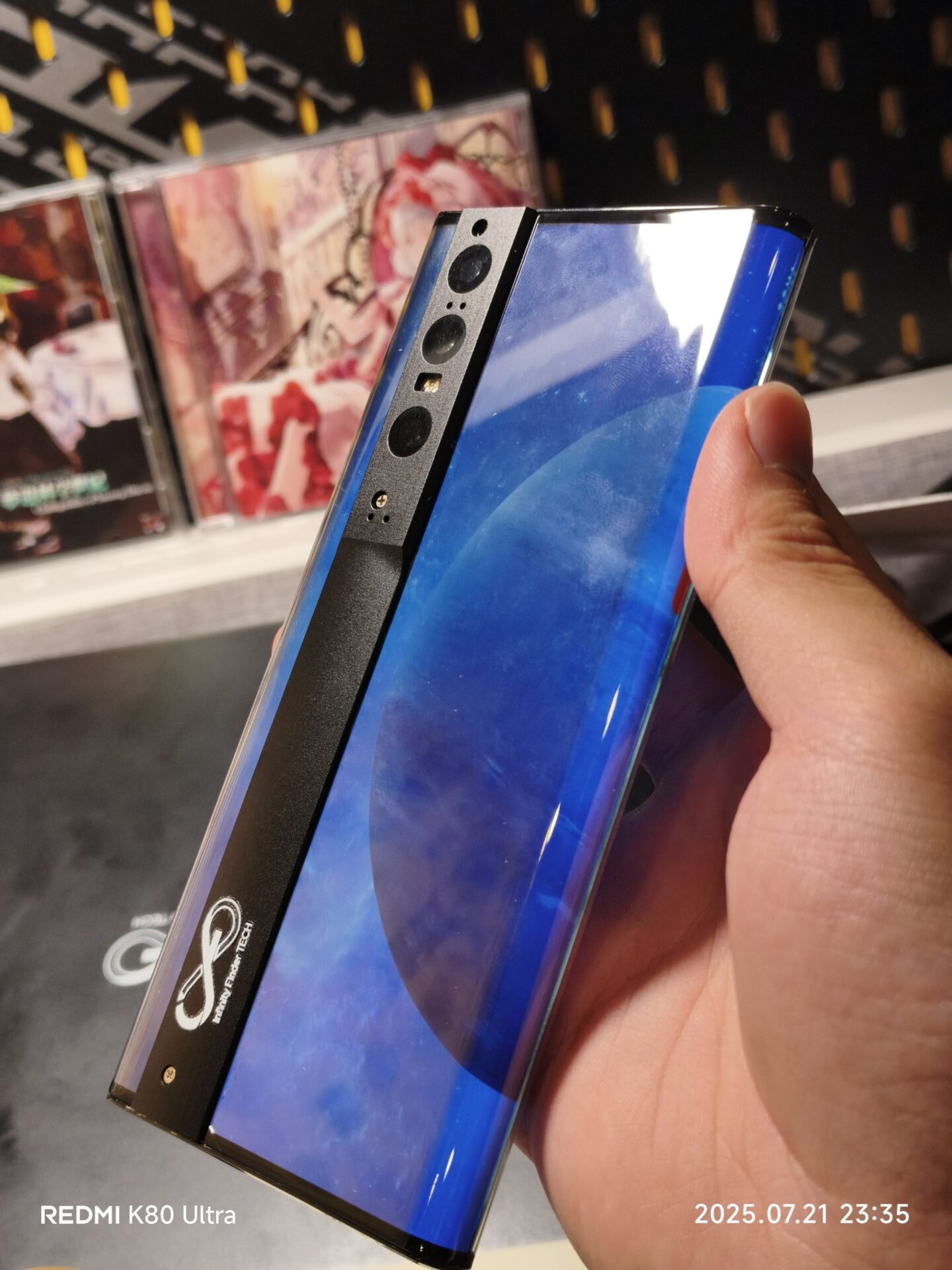
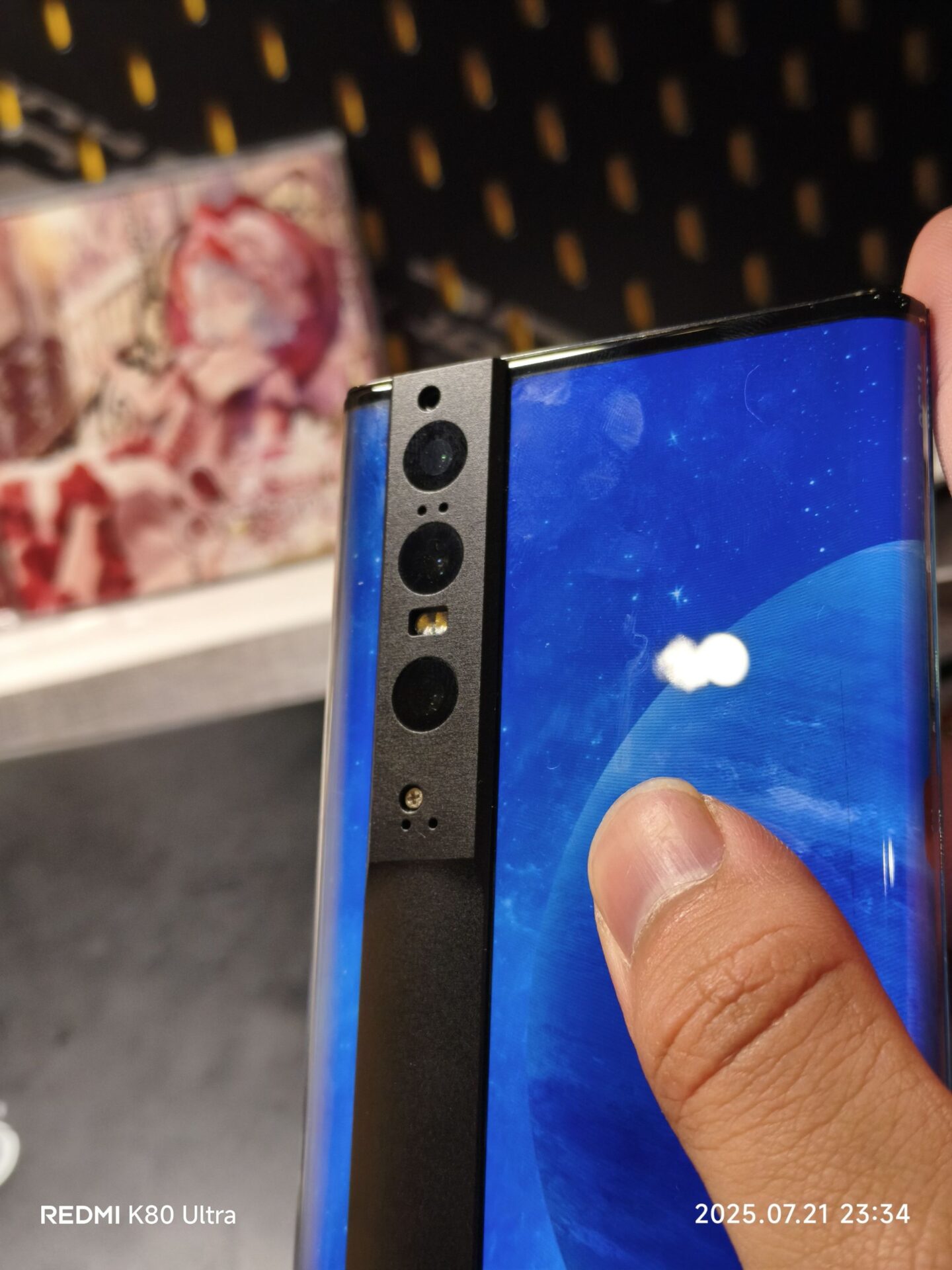
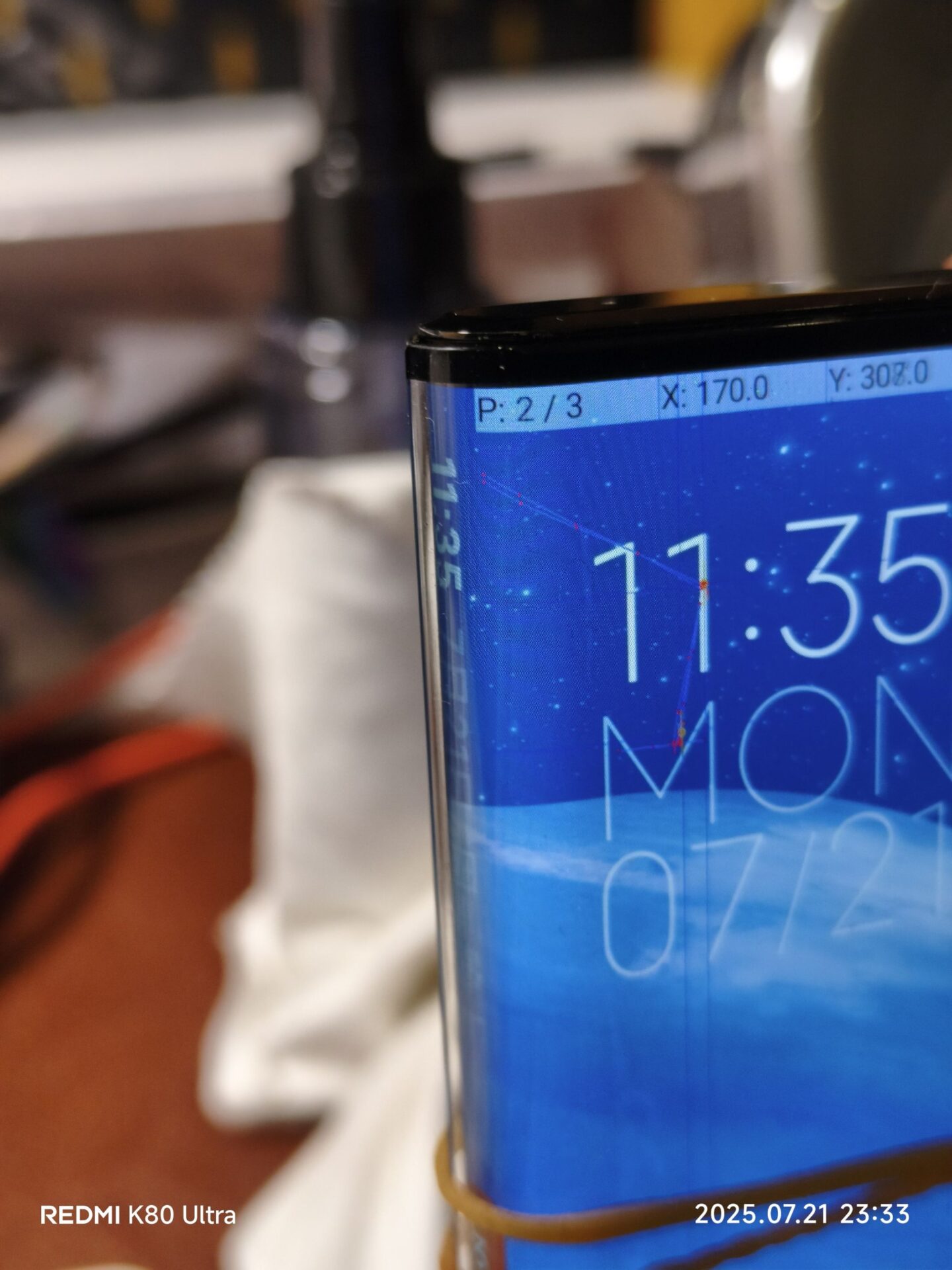
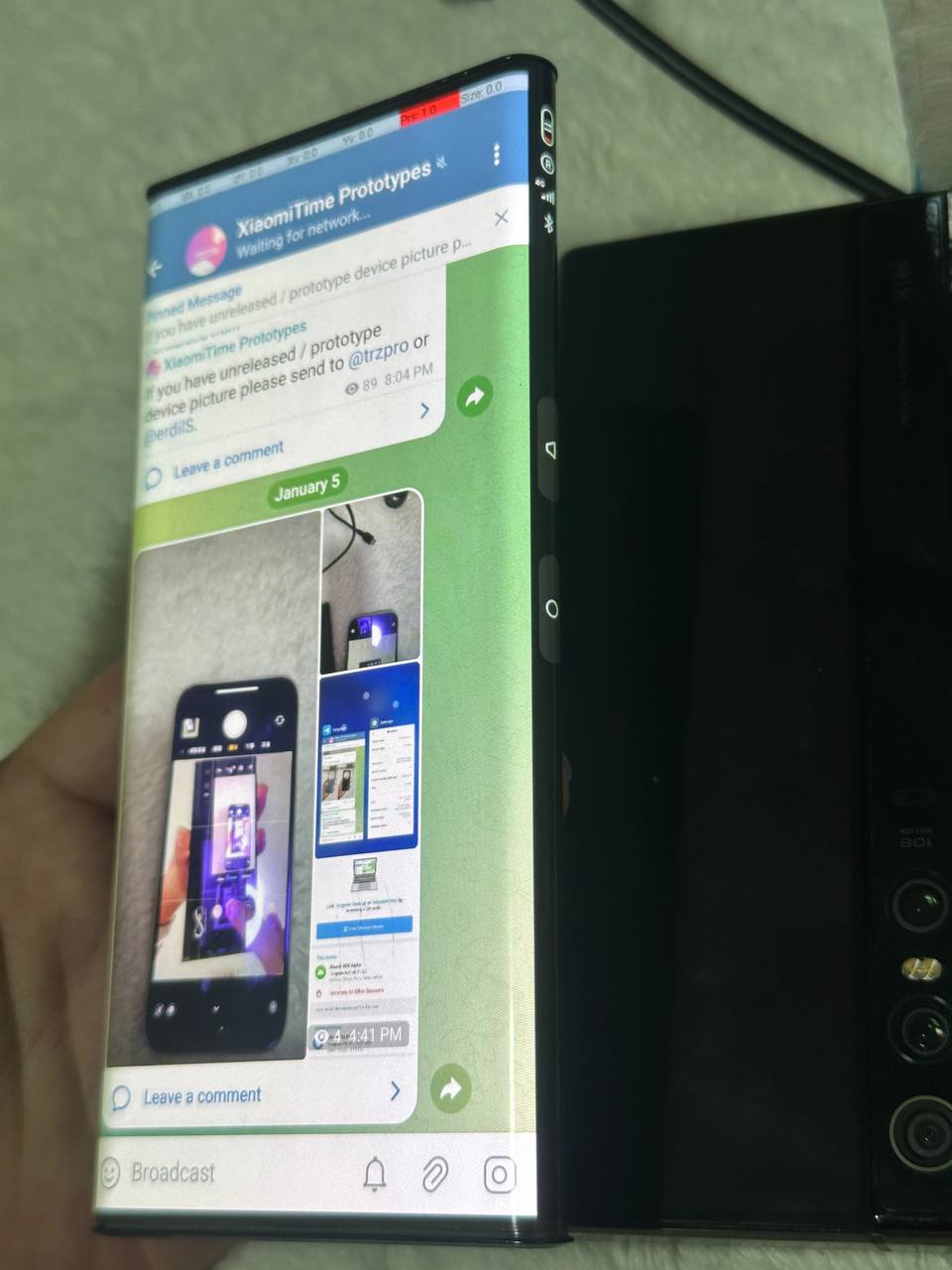
The road to realize the vision for 2030 began in earnest in 2019 with the launch of Xiaomi MIX Alpha. This “surround display” phone boasts a remarkable screen to body ratio of an astronomical 180.6%. This concept phone that sells for about $2,800 USD in China features a sophisticated material list that includes a titanium alloy frame and a milled ceramic backing strip. The MIX Alpha showed that side rails and push buttons no longer had a place in the design of future devices, as active display zones can replace them. This conceptual approach provides the basis of innovation in the coming ten years, demonstrating that a device can work perfectly without structural constraints.
From Tri-Fold Architecture to Project Zhuque
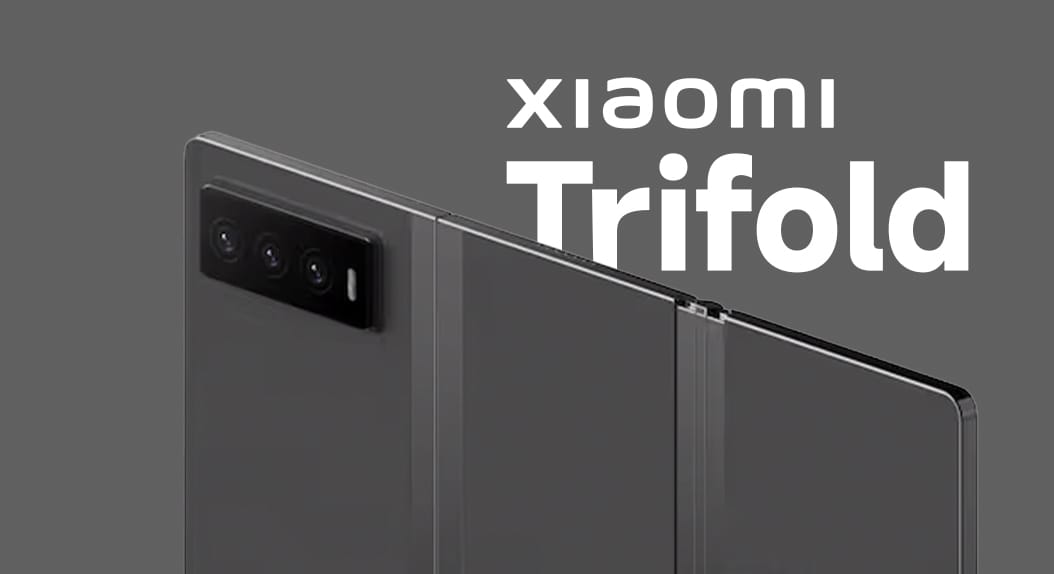
With the approaching end of the decade, the tech industry is experiencing tough mechanical phases. Towards the latter part of 2026, Xiaomi will unveil the first-ever Tri-Fold smartphone named “MIX.” The smartphone will sport a massive flexible display measuring 11.5-inches and will be powered by the next generation “Snapdragon 8 Elite chipset.”
After that comes “Project Zhuque” and represents the “next step of innovation,” which would be a button-less and port-less smartphone. The idea here is for Xiaomi to integrate the latest under-display cameras and air charging capabilities in order for the “smart glass” concept to be seamless.
Silicon Sovereignty: How XRING O1 Drives a Transparent Future
A device like this, which is transparent and has an all-screen design, also has specific requirements in terms of computation, as it involves light projection as well as holographic interfaces. The XRING O1 chipset is necessary here. The company has in-house developed this 3nm chip, which has 19 billion transistors and is capable of processing the heavy AI loads that would be involved in 2030.
The coming 2030 Xiaomi flagship will represent the perfect amalgamation of the MIX Alpha’s looks and the capabilities of the XRING O1. It will be a device in which the hardware will be invisible, and the only visible element will be the functionality.