 Emir Bardakçı
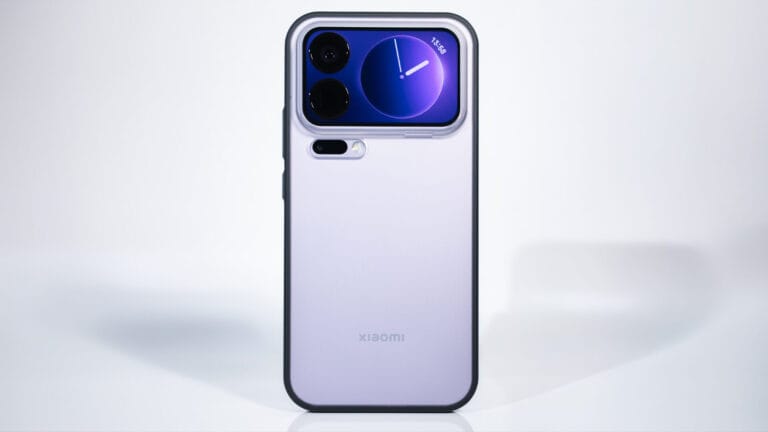
The smartphone industry is bracing for a massive pricing shift, and Xiaomi is no exception. Lu Weibing, Partner and President of the Xiaomi Group, and General Manager of the Xiaomi brand, has officially responded to mounting consumer concerns regarding the upcoming flagship lineup.
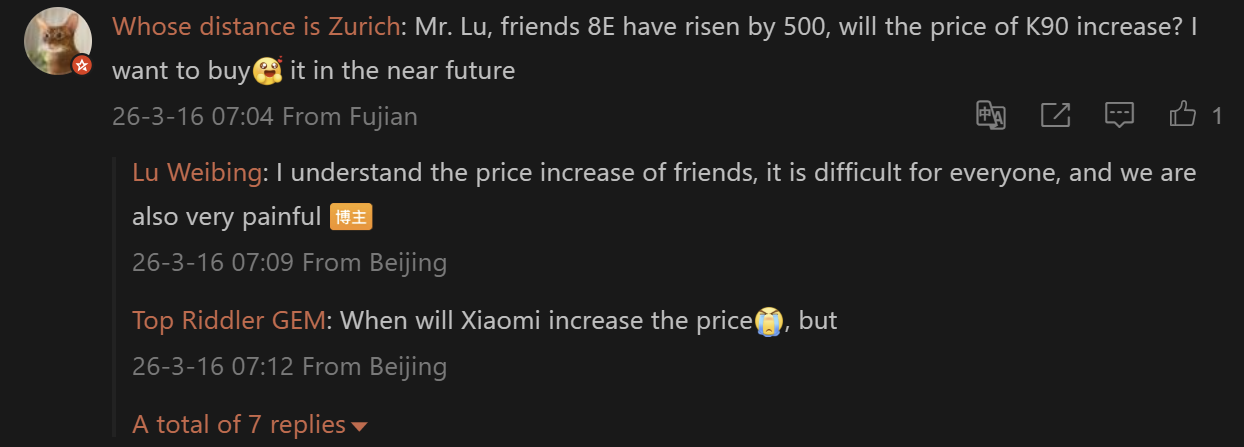
Specifically addressing the REDMI K90 Ultra—which is slated to launch similar device globally as the Xiaomi 17T Pro—Lu Weibing confirmed that unavoidable price increases are on the horizon. Acknowledging the recent price adjustments made by competitors like OPPO and vivo today, he stated, “I understand the price increase of friends, it is difficult for everyone, and we are also very painful.”
The Root Cause: Surging LPDDR5X and UFS Storage Costs
The primary driver behind this sudden industry-wide price hike is a severe and prolonged shortage in the memory chip supply chain. Lu Weibing emphasized that this current cycle of storage price inflation is unprecedented in the industry’s history, expecting the upward trend that began in Q2 2025 to stretch all the way to the end of 2027.
At the hardware level, the skyrocketing manufacturing and procurement costs of high-speed LPDDR5X RAM and next-generation UFS Storage modules are heavily impacting profit margins. This global chip crisis is not isolated to mobile phones; it is causing violent shocks across the entire consumer electronics sector, leaving no major player unscathed.
Market Impact
Industry insiders and mobile phone dealers suggest that new flagship devices could see price tags increase anywhere from 500 to 2,000 CNY. This translates to a massive $69 to $277 USD premium when these devices are introduced exclusively in China.
Xiaomi has small solution for this
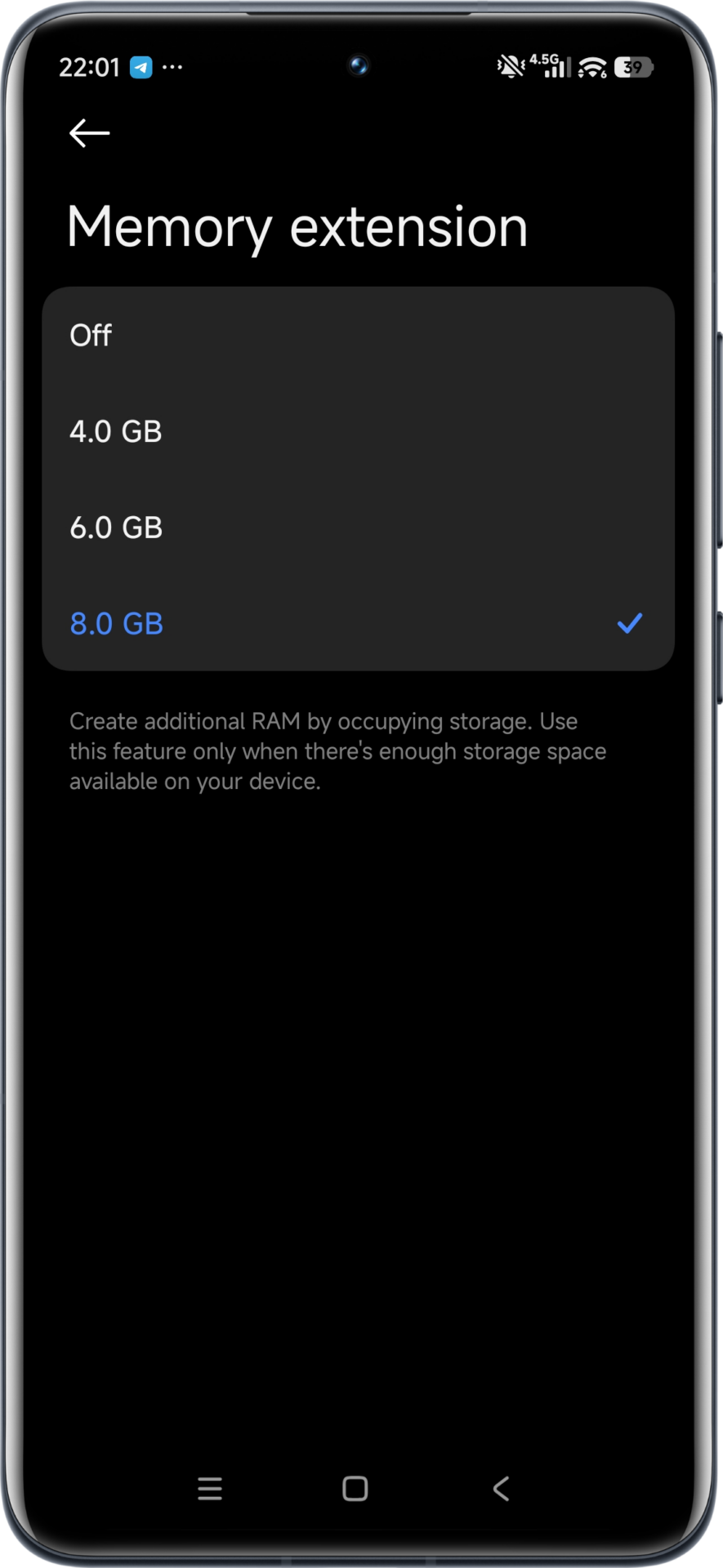
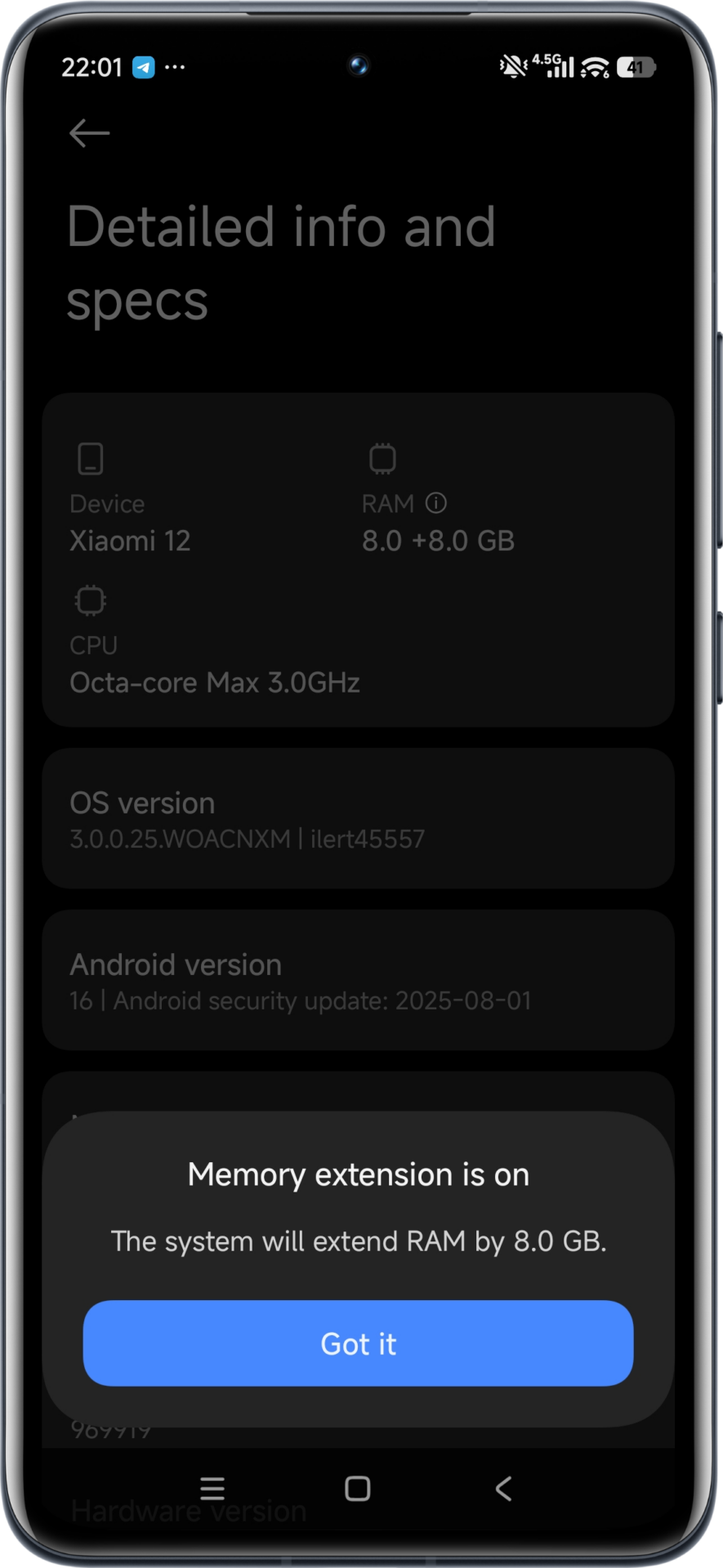
While this hardware cost increase is steep, Xiaomi’s software engineering provides a crucial buffer for end-users. To mitigate the need for excessively large and expensive physical RAM modules, Xiaomi HyperOS heavily leverages its advanced Memory Extension capabilities.
By dynamically allocating high-speed UFS storage to act as virtual RAM, the system aggressively compensates for physical memory limitations. This ensures that the device maintains flagship-level multitasking and UI fluidity, slightly offsetting the painful hardware costs through software intelligence.
Xiaomi’s Strategy Moving Forward
Despite the harsh economic realities of the global memory chip crisis, Xiaomi remains committed to delivering top-tier performance through extreme software-hardware integration.