
 Emir Bardakçı
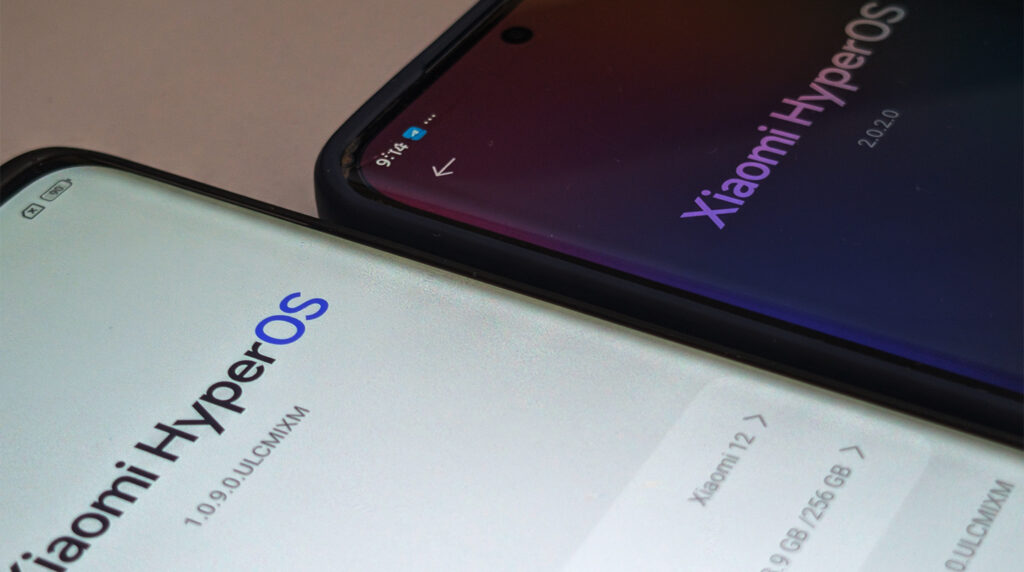
Region-based (Global, EEA, India, Taiwan, China, etc.) version numbering and separate ROM file logic of Xiaomi remains both confusing in today’s software world. Users receive new versions and features late, and even if the version they are using is up to date, users think it is an old version.
Version Numbering Should Be Standardized
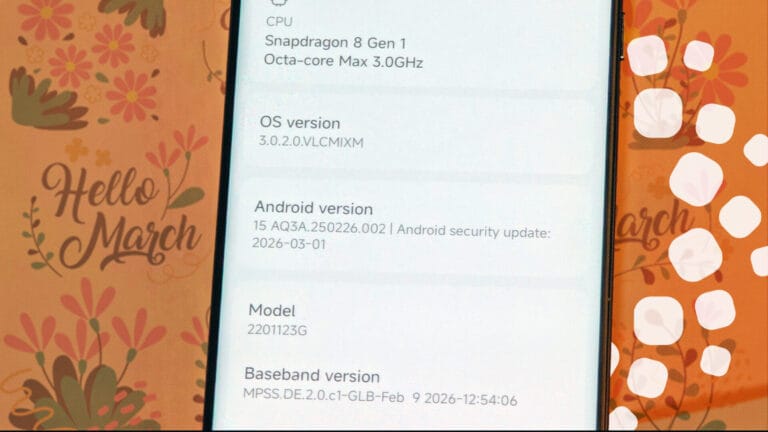
In the current table, while OS3.0.1.0.WOAMIXM (Global) is being released for a device, OS3.0.2.0.WOAEUXM (Europe) may have been released weeks ago. Users assume that “Europe is more up-to-date” based on the version number, even though system files and security patches are same.
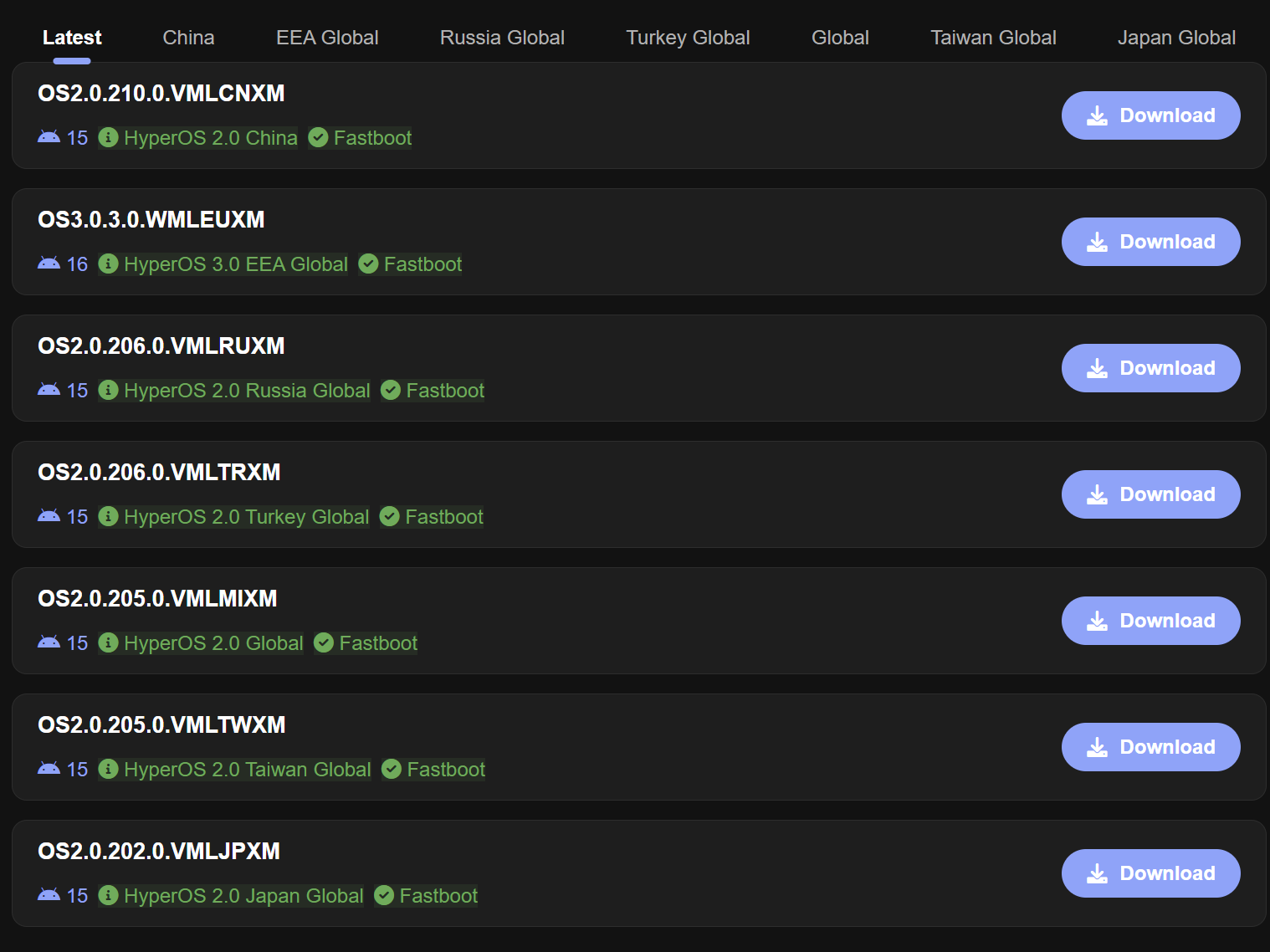
As Apple does, the main build number should be same for all regions. If an update is released, all regions worldwide should be updated on the same day with the same Build ID. It is not possible to release HyperOS update for all phones at the same time, but the regions can be reduced to 3 different ROMs for global, India and China. This could make faster update releasing system.
“Cust” Partition and Modular Structure
It is inefficient for Xiaomi to prepare massive 5-6 GB ROM packages for each region. While 99% of the system files are identical in every region, only the pre-installed applications and local certificates vary.
All region-specific configurations, logos, and preloaded applications should be confined to the cust partition (or a similar modular partition) on the device. Xiaomi should produce a single main “Global” image; during initial setup, the device should activate the relevant packages within cust based on the region code (e.g., Google Dialer for Europe, Xiaomi Dialer for Indonesia).
Region Switching Problem
Today, many users manipulate their phone’s region to “Taiwan” or “Change Region” in order to get the update early. If versions are synchronized, users will not need such “backdoor” methods. This keeps device security and user experience stable.
A More Transparent HyperOS Experience
As one of the world’s largest smartphone manufacturers, Xiaomi should simplify its software distribution model. Resolving inconsistencies in version numbers and transitioning to a modular customization structure will increase trust in updates for the brand, simplify developers’ work, and make it easier for Xiaomi developers to work on stable versions. Working on a single universal base instead of managing different regional ROMs will accelerate debugging time by 40%.


There is no need to break down updates for all regions except China.
The update should be received simultaneously for all models worldwide, not just select models. The POCO X6 PRO in China and the EEA has received the HyperOS 3 update, but the global version has not. This issue needs to be resolved, and all users should receive the update at the same time.
They released a bunch of Xiaomi, Poco, Redmi, C, Pro, T, not, so you can’t handle the software, so many models, unlike Apple, firmware comes out immediately for all models, you will never be first, but always second.
They released a bunch of Xiaomi, Poco, Redmi, C, Pro, T, not, so they can’t handle the software, so many models, unlike Apple, firmware comes out immediately for all models, you will never be first, but always second.