


Linus Torvalds has just released the 6.18 kernel, and it is now officially welcomed into the Linux community as of November 30, 2025. This release will become the next Long Term Support version that will bring some important updates for enterprise and cloud deployments, but for our readers, the most exciting addition is native support for [Xiaomi laptops], specifically enhancing the functionality of the Redmi Book series on Linux environments. This gives reason for [Xiaomi] enthusiasts who use open-source operating systems a significant cause to be excited about.
Native Integration for Xiaomi Hardware
The new kernel version greatly extends hardware compatibility with different laptops, with a particular emphasis on the Xiaomi ecosystem. For the first time, Linux 6.18 natively supports function keys and backlight controls for the Xiaomi Redmi Book. More importantly, it activates the “AI button,” which can be mapped in the Linux OS for opening applications or performing any other user-determined actions.
Core Architecture and Gaming Optimizations
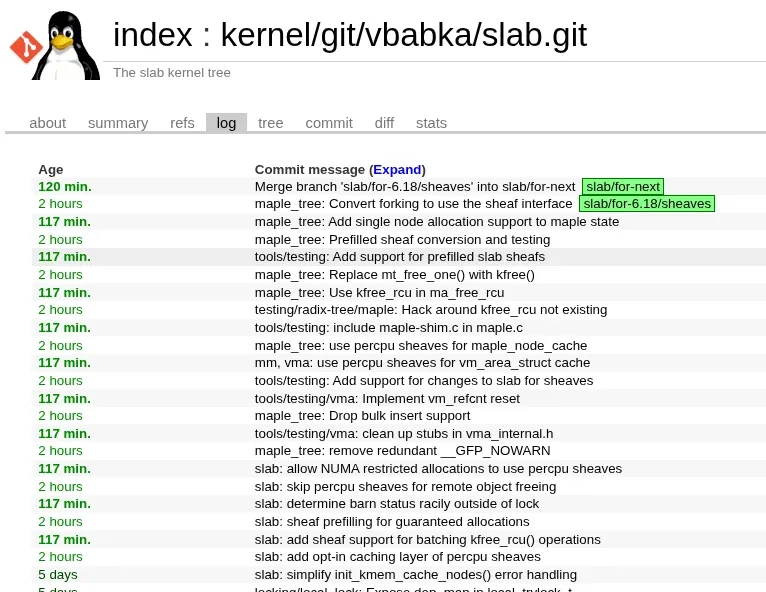
At the architectural level, Linux 6.18 features a new memory management technology known as “Sheaves.” The system carves out independent memory object caches-something called Slab Allocations-for each CPU core. This reduces processor contention over common memory pools and smooths multitasking quite a bit, especially under high loads on servers.
Gaming on Linux also gets a boost with specific optimizations that have arrived for the handheld market. Updates include a dedicated hardware monitoring driver for GPD devices, optimizing fan control and sensor readings. It also tackles interrupt and wake-up issues for the ASUS ROG Ally and Lenovo Legion Go 2 for more stability in gaming. Additionally, the Sony DualSense controller gets perfect support for its audio jack, including auto output switching and volume adjustments.
Improvements in Storage and Network
Storage performance receives a huge increase with the exFAT driver optimized, which provides up to 16 times faster loading of SD cards and USB drives. By default, the XFS file system now has “online repair,” meaning it can self-repair even when mounted, and does not require any downtime maintenance.
On the security front, network subsystem optimization reaches a 47% improvement in UDP receive performance, significantly enhancing the system’s resistance to DDoS attacks. It also adds kernel support for BPF program signing to ensure code integrity before execution.



