 Emir Bardakçı
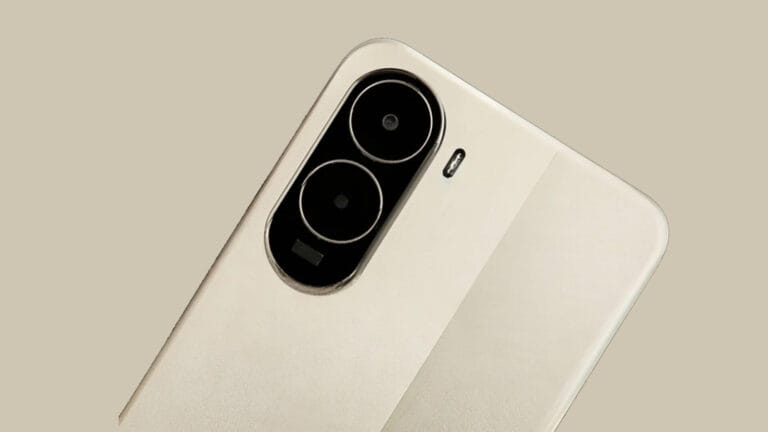
Xiaomi 17 Ultra has appeared in leaked camera watermarks, offering the clearest picture yet of Xiaomi’s next-generation imaging flagship. According to these materials, the device introduces a revised camera strategy, a new 1-inch main sensor, and an unexpected branding approach for global markets. The leak also confirms several long-rumored hardware changes, reinforcing Xiaomi’s focus on high-end mobile photography.
Previous leaks around the Xiaomi 17 series and Xiaomi’s Leica partnership already hinted at this direction, and the watermark details now connect those reports into a more coherent picture.
Leica Branding Strategy Revealed by Watermarks
Perhaps the most surprising detail from the watermark leak is related to branding. The images suggest that:
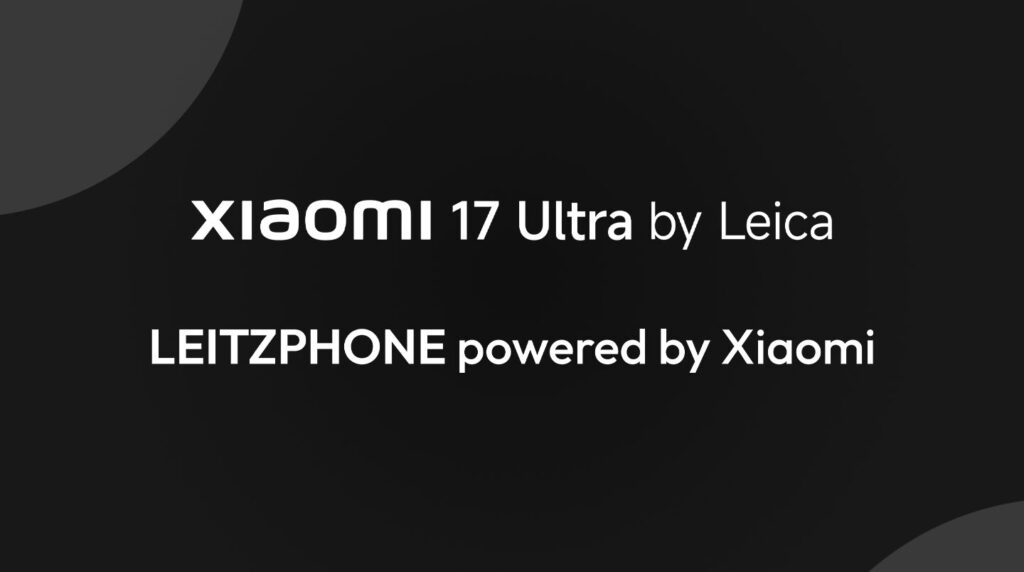
- In China, the special Leica edition will be marketed as Xiaomi 17 Ultra by Leica
- In global markets, special Leica edition may be released as Leitzphone powered by Xiaomi

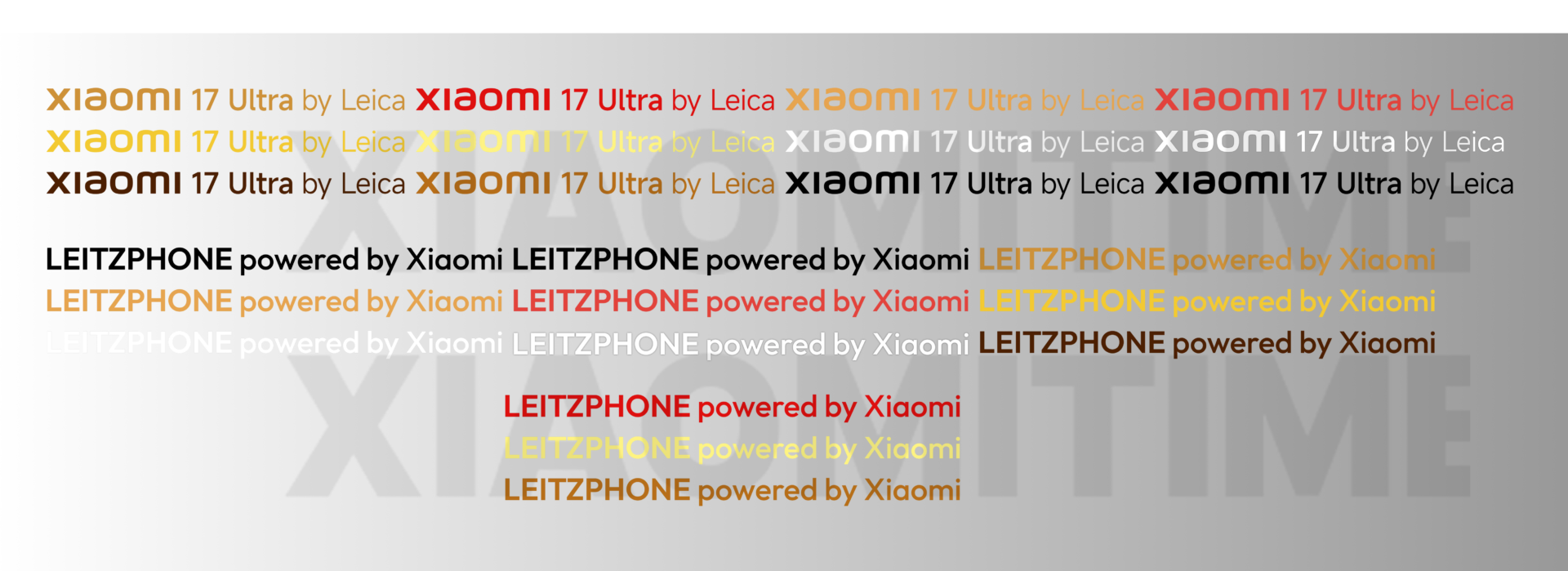
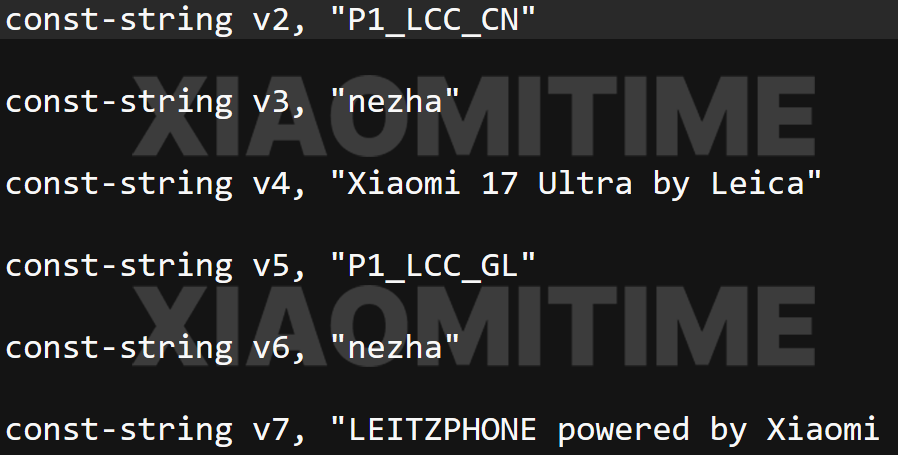
This dual-branding approach indicates a deeper collaboration with Leica and a more region-specific marketing strategy. It also aligns with earlier leaks of a Xiaomi Photography Kit, which emphasized professional-grade mobile photography accessories.
Confirmed model numbers further support this split:
- Xiaomi 17 Ultra: 2512BPNDAG, 2512BPNDAI, 2512BPNDAC
- Leitzphone powered by Xiaomi: 25128PNA1G, 25128PNA1C
This indicates that Xiaomi will introduce its special Leica model under different names depending on the region.
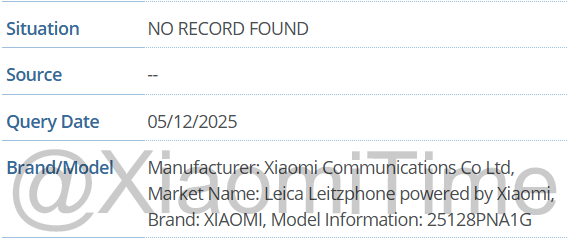
Camera System Refined for Imaging Efficiency
Earlier internal information suggested that the Xiaomi 17 Ultra would feature four rear cameras and one front camera. However, the leaked photography kits indicate that Xiaomi has simplified the rear system to a triple-camera layout, likely to optimize space, power consumption, and image processing efficiency without sacrificing performance.
The confirmed rear camera configuration is as follows:
- 50 MP main camera OVX10500U – (OV50X) – Light Hunter 1050U
- 50 MP ultra-wide camera S5KJN5
- 200 MP telephoto camera S5KHPE
This change replaces the previously rumored quad-camera setup and highlights Xiaomi’s increased reliance on a high-resolution telephoto sensor for advanced zoom capabilities. The telephoto camera is expected to play a central role in computational photography, especially for long-range and hybrid zoom scenarios.
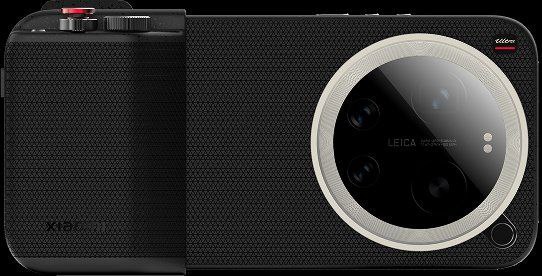

On the front, Xiaomi has upgraded the selfie camera from 32 MP to 50 MP. This is a notable shift and signals that Xiaomi is placing greater emphasis on front-facing image quality, particularly for video calls, social media content, and high-resolution selfies.
New OVX10500U 1-Inch Sensor Makes Its Debut
One of the most important revelations from the HyperOS code leak is the mention of the OVX10500U – (OV50X) – Light Hunter 1050U sensor. This appears to be a new OmniVision sensor, used here for the main camera. While full specifications are not yet public, current information points to a 50 MP resolution with a 1-inch sensor size.
Xiaomi has consistently used large sensors in its Ultra lineup since the Xiaomi 12S Ultra, and the continuation of a 1-inch sensor confirms the company’s long-term imaging strategy. A sensor of this size typically delivers better light intake, improved dynamic range, and more natural depth separation, especially in low-light conditions.

Unlike the Xiaomi 17 Pro series, the Xiaomi 17 Ultra will not include a rear display. This suggests that Xiaomi is prioritizing internal space for camera hardware and thermal management rather than secondary display features. Xiaomi also tested the 50MP S5KJN5 telephoto camera in the 17 Ultra model, but the leaked photo kit confirms that this sensor has been abandoned.
Performance Platform and Core Hardware Direction
The leaked materials also reference the Snapdragon 8 Elite Gen 5 chipset, which is expected to power the Xiaomi 17 Ultra. This platform should provide significant gains in AI processing, image signal processing, and power efficiency, all of which directly support advanced camera features.
Combined with the new sensor and simplified camera layout, this chipset choice aligns with Xiaomi’s goal of delivering consistent imaging performance rather than experimental hardware additions.