Xiaomi is pushing the boundaries of its software ecosystem once again. In a major rollout, the highly anticipated Xiaomi HyperOS 3.1 update has officially started hitting the Xiaomi 17 and Xiaomi 17 Ultra globally, beginning with the European region. Based on the cutting-edge Android 16 framework, this update marks a significant architectural and visual leap for Xiaomi’s flagship lineup. Currently seeding to Mi Pilot testers, a broader public release is expected within the next few days.
Xiaomi 17 Series HyperOS 3.1 Global Versions
This initial European rollout targets Xiaomi’s premium tier with the following specific firmware builds:
-
Xiaomi 17 (Codename: Pudding): Xiaomi HyperOS 3.1 –
OS3.0.301.0.WPCEUXM -
Xiaomi 17 Ultra (Codename: Nezha): Xiaomi HyperOS 3.1 –
OS3.0.301.0.WPAEUXM
What’s New in Xiaomi HyperOS 3.1?
The jump to Xiaomi HyperOS 3.1 introduces a suite of deep system-level optimizations and UI refinements designed to enhance the daily user experience and cross-platform synergy:
-
Rust-Based System Applications: In a major technical shift, Xiaomi has rewritten several core system applications using the Rust programming language. This drastically improves memory safety, mitigates runtime vulnerabilities, and delivers a noticeably snappier, more resource-efficient performance footprint.
-
Advanced HyperIsland System: The interactive dynamic notch system, HyperIsland, has received a massive overhaul. It now supports richer animations, deeper third-party app integration, and more intuitive real-time activity tracking seamlessly embedded within the UI.
-
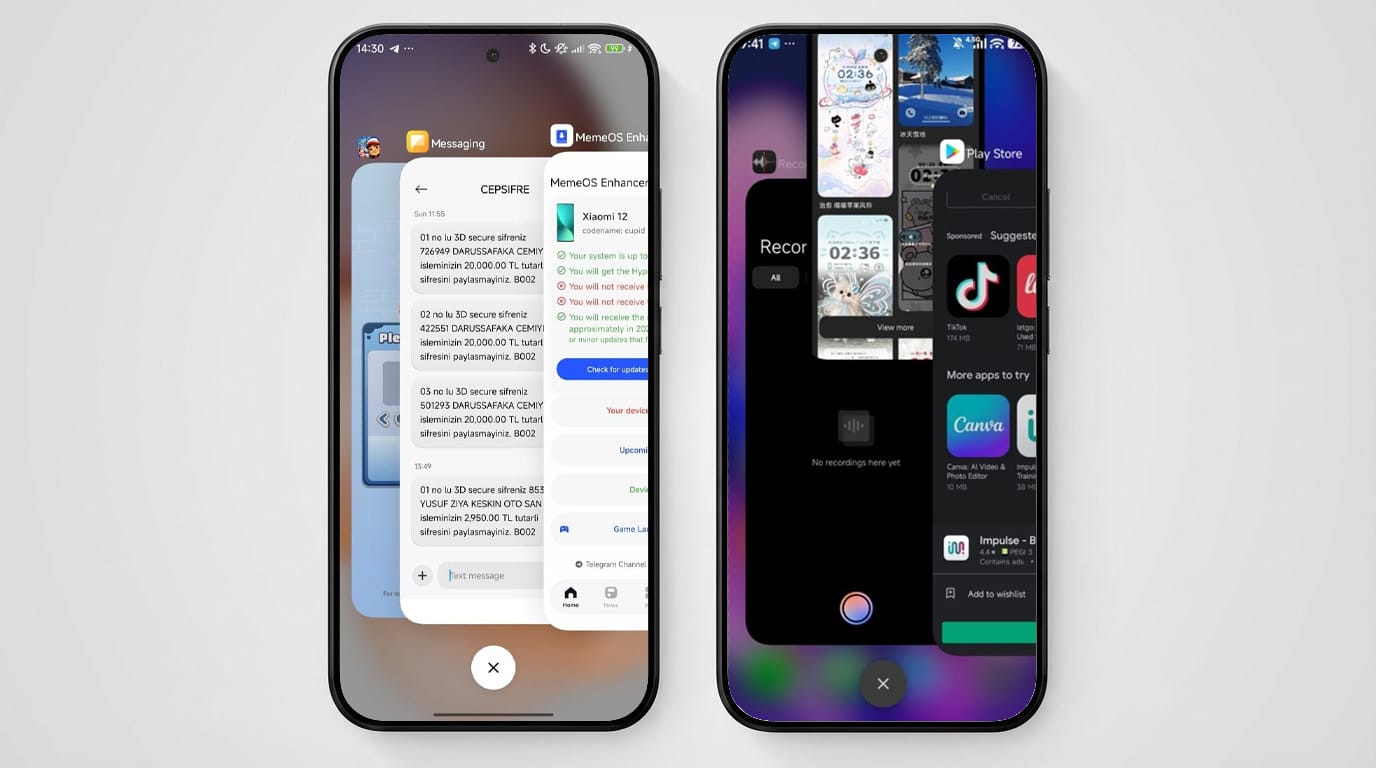
iOS-Style Recent Apps Menu: Multitasking gets a fresh coat of paint with a redesigned, iOS-inspired recent apps interface. This allows for smoother gesture navigation, fluid card swiping, and better visual management of background tasks.
-
Enhanced Apple Ecosystem Integration: Leveraging the power of Xiaomi HyperConnect, HyperOS 3.1 brings unprecedented cross-device compatibility, bridging the gap between Xiaomi devices and the Apple ecosystem. Users can expect seamless file sharing, optimized connectivity, and improved interconnected productivity workflows.


Market Impact
By transitioning to Android 16 and integrating Rust-based applications, Xiaomi is directly addressing core Android ecosystem challenges regarding background memory management and system decay over time. The real-world benefit is a flagship experience that remains consistently fluid under heavy multitasking loads. Furthermore, the strategic enhancement of Apple ecosystem compatibility makes the Xiaomi 17 series an incredibly appealing alternative for premium smartphone buyers in Europe looking to transition away from iOS without losing their workflow synergy. With the Mi Pilot testing phase currently underway, early adopters are finalizing system stability before the OTA drops for the general public later this week.