
 Emir Bardakçı
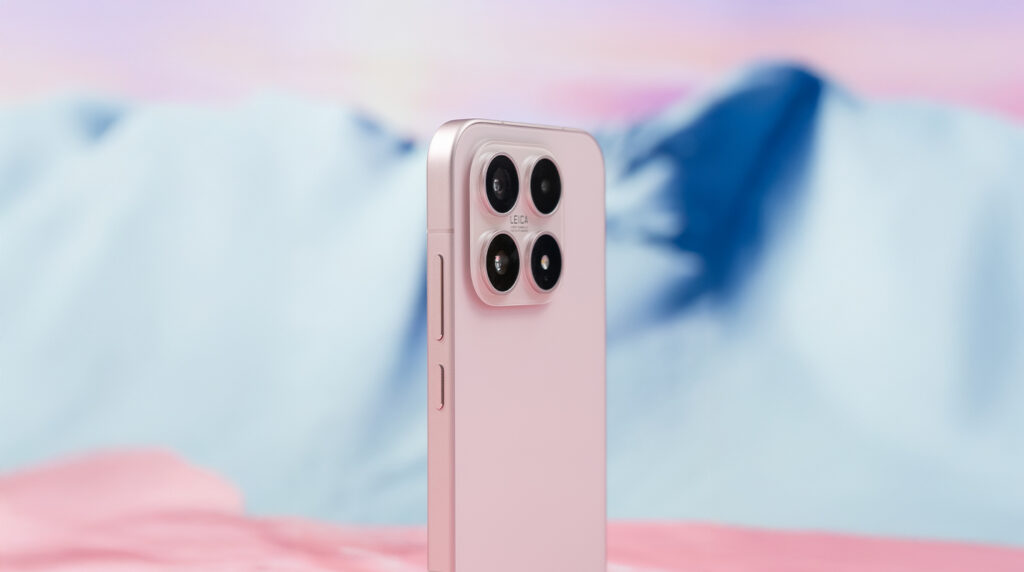
The global smartphone market is currently in a mature phase where hardware innovations have become incremental and user upgrade cycles are getting longer. In this context, brands are forced to compete not only on raw specifications but also on strategic positioning, naming, and disruptive technologies. Xiaomi’s Xiaomi 15 and the later Xiaomi 17 models represent a clear example of this transformation. Xiaomi 17 is positioned not as an evolutionary step, but as a structural leap in energy density, processor architecture, and optical engineering.
Strategic Positioning and Naming Shift
Xiaomi’s decision to skip the “Xiaomi 16” naming and jump directly to Xiaomi 17 reflects a high-level brand strategy. This move is widely interpreted as an effort to align product generations with global competitors and to reinforce the psychological perception of technological leadership. In consumer behavior studies, higher model numbers are consistently associated with newer innovation cycles. Xiaomi used this insight to reposition itself as a market shaper rather than a market follower.
Launch Timeline Comparison
| Model | China Launch | Global Availability | Chipset |
|---|---|---|---|
| Xiaomi 15 | October 2024 | Early 2025 | Snapdragon 8 Elite |
| Xiaomi 17 | September 2025 | Early 2026 | Snapdragon 8 Elite Gen 5 |
The faster release cycle of Xiaomi 17 shows how Xiaomi has accelerated its research and development timelines, especially in flagship product lines.

Industrial Design and Physical Engineering
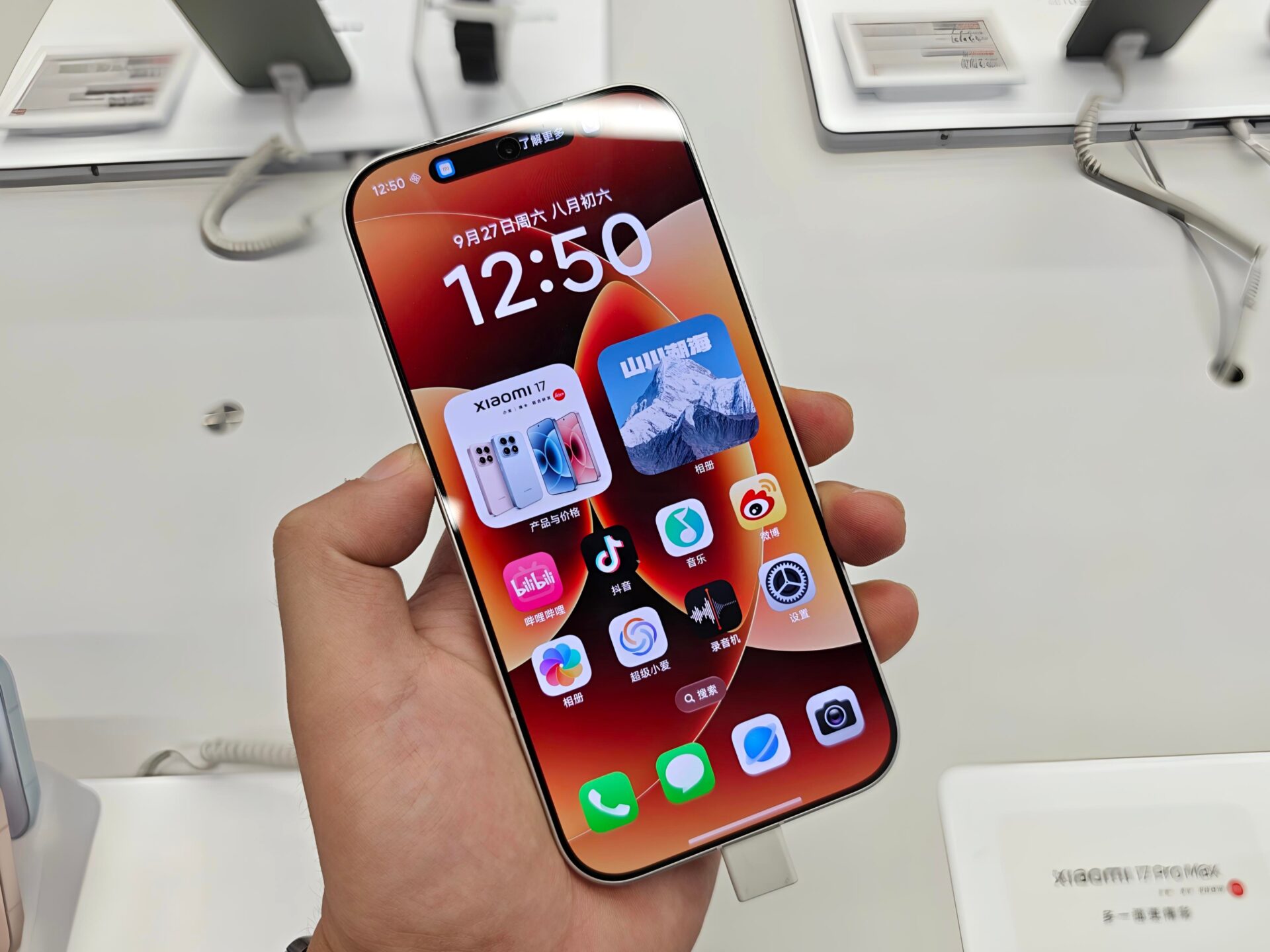
Xiaomi continues to focus on compact flagship engineering. Despite major internal upgrades, Xiaomi 17 maintains almost identical physical dimensions to Xiaomi 15, which is a notable materials engineering achievement.
| Parameter | Xiaomi 15 | Xiaomi 17 | Performance Insight |
|---|---|---|---|
| Height | 152.3 mm | 151.1 mm | More compact handling |
| Width | 71.2 mm | 71.8 mm | Improved aspect balance |
| Thickness | 8.08 mm | 8.1 mm | Negligible increase |
| Weight | ~191 g | ~191 g | Optimized material use |
| Protection | IP68 | IP68 | Same durability class |
The use of Dragon Crystal Glass in Xiaomi 17 increases drop resistance while keeping weight stable.
Display Technology Improvements
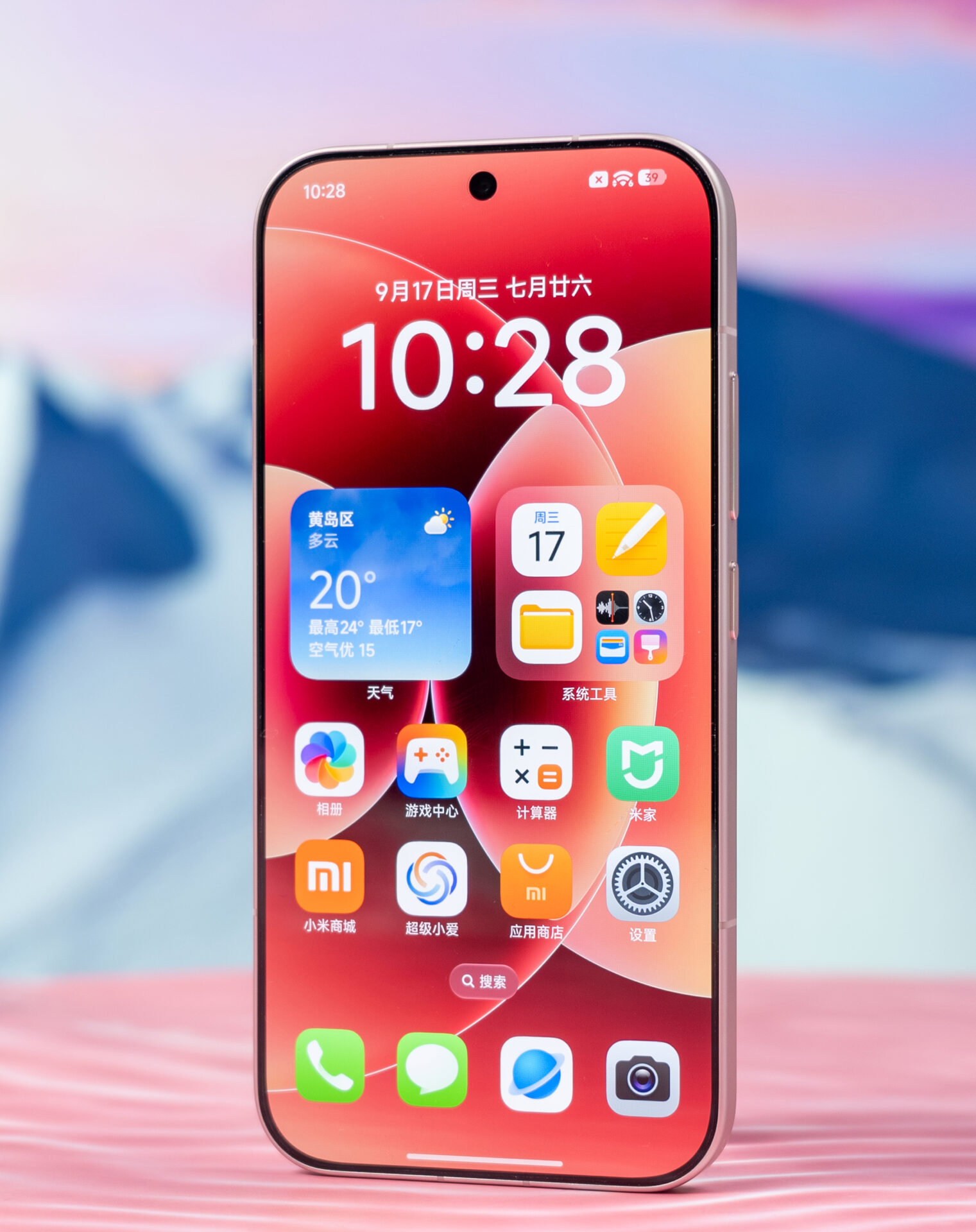
Xiaomi upgraded the OLED material generation to achieve higher brightness and better efficiency. This upgrade is directly linked to improved battery endurance.
| Feature | Xiaomi 15 | Xiaomi 17 |
|---|---|---|
| Size | 6.36-inch | 6.30-inch |
| Panel | LTPO OLED (M9) | LTPO OLED (M10) |
| Peak Brightness | 3200 nits | 3500 nits |
| Refresh Rate | 1–120Hz | 1–120Hz |
Higher PWM dimming in Xiaomi 17 improves eye comfort in low-light usage scenarios without compromising color accuracy.
Processing Power and Performance Architecture
The difference between the two models becomes clearer when examining chipset evolution.
| Specification | Xiaomi 15 | Xiaomi 17 |
|---|---|---|
| Processor | Snapdragon 8 Elite | Snapdragon 8 Elite Gen 5 |
| Manufacturing Process | TSMC 3nm | TSMC Advanced 3nm |
| Prime Core Speed | 4.32 GHz | 4.60 GHz |
| GPU | Adreno 830 | Adreno 840 |
| AI Engine | Hexagon (2024) | Hexagon (2025) |
Benchmark comparisons show around 25% higher single-core and 24% higher multi-core performance for Xiaomi 17, enabling stronger sustained performance under heavy workloads.
Battery Technology and Charging Systems
The most critical difference is the shift to Silicon-Carbon battery technology.
| Feature | Xiaomi 15 | Xiaomi 17 |
|---|---|---|
| Battery Capacity | 5400 mAh (China) | 7000 mAh |
| Battery Type | Li-Ion | Silicon-Carbon |
| Wired Charging | 90W | 100W |
| Wireless Charging | 50W | 50W |
| Reverse Wireless | 10W | 22.5W |
This creates a real-world two-day usage scenario in compact flagship form, which was previously unattainable in this size category.
Camera System and Optical Engineering
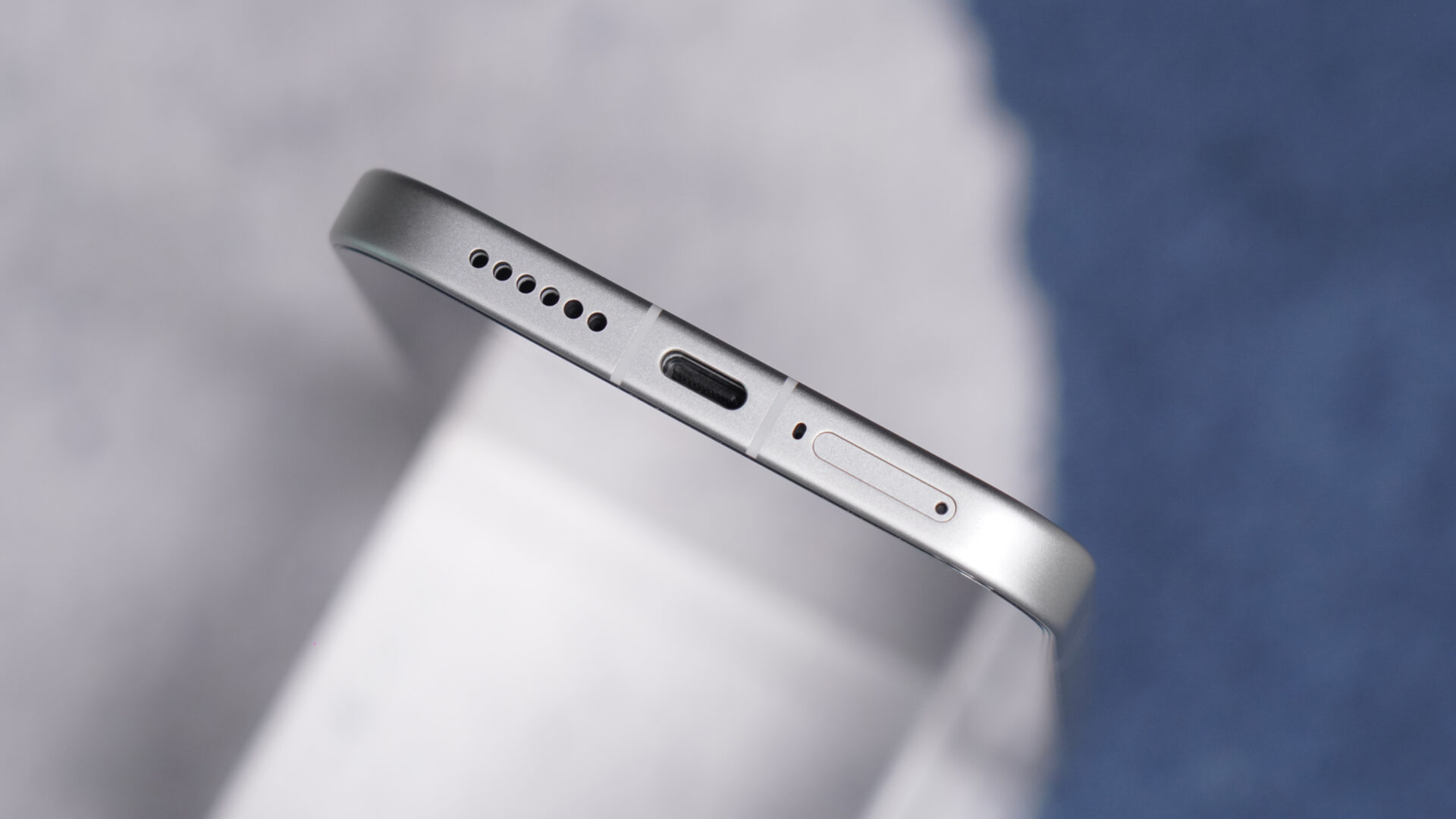
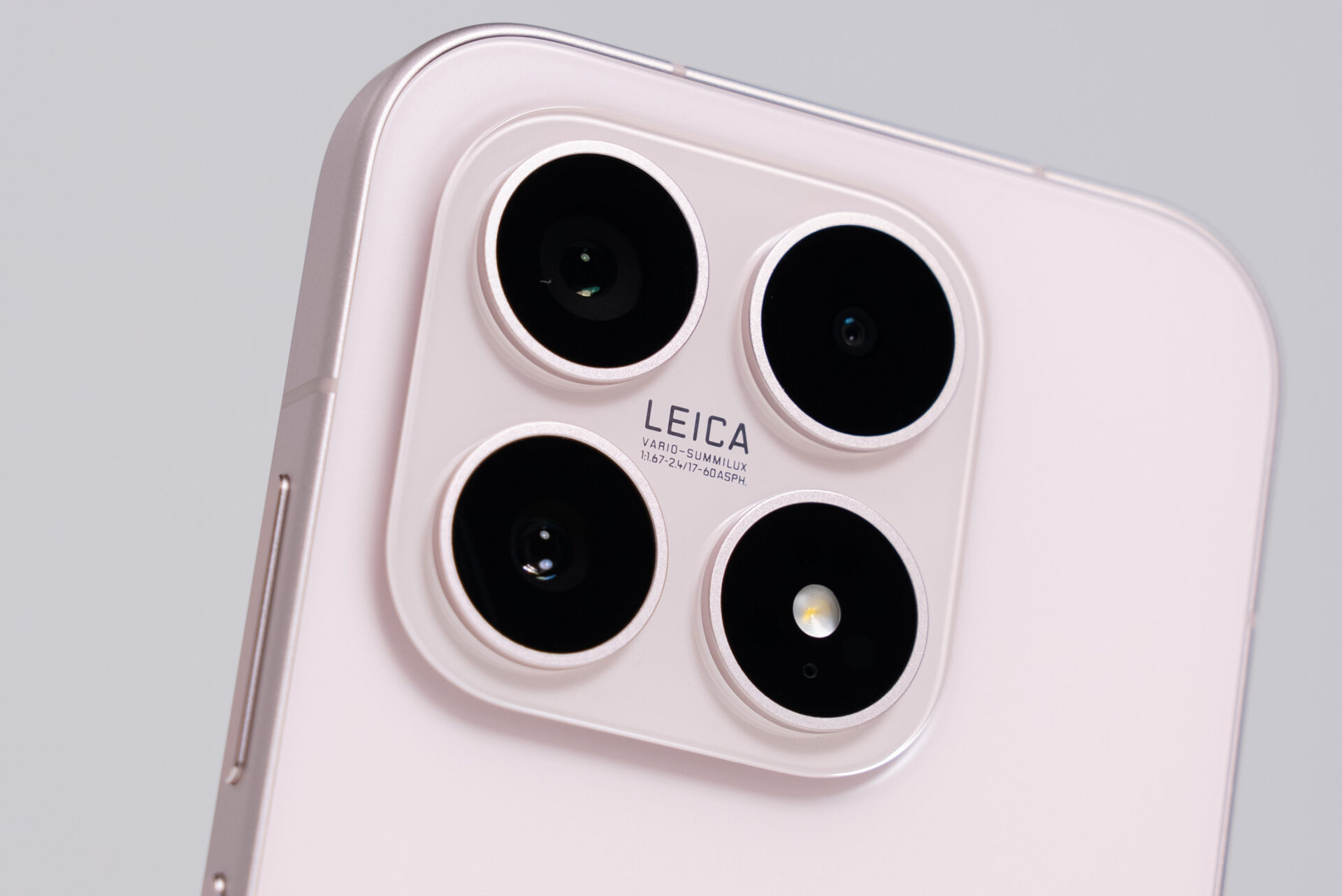
Xiaomi enhanced its Leica-tuned camera system with a focus on image integrity rather than aggressive ultra-wide distortion.
| Camera Module | Xiaomi 15 | Xiaomi 17 |
|---|---|---|
| Main Sensor | Light Fusion 900 | Light Hunter 950 |
| Dynamic Range | 13.5 EV | 16.5 EV |
| Ultra-Wide | 14mm (115°) | 17mm (102°) |
| Telephoto | 60mm (2.6x) | 60mm (2.6x) |
| Front Camera | 32 MP | 50 MP |
The move from 14mm to 17mm ultra-wide optics significantly improves edge sharpness and geometric accuracy.
Software Ecosystem and Connectivity
Xiaomi 15 launched with HyperOS 2, while Xiaomi 17 ships with HyperOS 3 based on Android 16. HyperOS 3 deepens integration across the Xiaomi Human x Car x Home ecosystem, enabling seamless interactions with devices such as Xiaomi SU7. Xiaomi 15 already got HyperOS 3 update.

Users can update core Xiaomi system apps through HyperOSUpdates.com or by installing the MemeOS Enhancer application from Google Play.
This provides access to hidden Xiaomi features, system app updates, and advanced update channels.
Key Differences at a Glance
| Category | Xiaomi 15 | Xiaomi 17 | Advantage |
|---|---|---|---|
| Performance | High | Very High | Xiaomi 17 |
| Battery Life | One day | Up to two days | Xiaomi 17 |
| Display | Premium | Enhanced Premium | Xiaomi 17 |
| AI Processing | Advanced | Next-generation | Xiaomi 17 |
Xiaomi 15 established a strong foundation in compact flagship engineering. Xiaomi 17, however, represents a structural leap by combining Snapdragon 8 Elite Gen 5 performance, Silicon-Carbon battery chemistry, and refined optical systems. This is not a routine generational update, but a recalibration of what a compact flagship can deliver. Xiaomi’s choice to skip a model number aligns with the scale of the technological advancements introduced.


Hello,
Light Hunter 950 has a Dynamic range of 13.5 EV like for the Xiaomi 15.
It’s the sensor Light Hunter 950L that offers 16.5 EV and that we find in the Xiaomi 17 Pro.