


The global smartphone industry has moved very fast over the past 15 years, but that pace was not an accident. Since its founding in 2010, Xiaomi has acted as a structural accelerator, pushing advanced hardware and software features into mainstream price segments years, if not decades, before traditional market leaders had planned. The question “what would smartphones look like without Xiaomi?” is thus not an exercise in branding but rather a strategic assessment of how innovation diffusion, pricing discipline, and consumer expectations were rewritten. This article considers which key features in the modern smartphone may have been significantly delayed-or remained in the exclusive domain-without sustained market pressure from Xiaomi.
Bezel-less displays became mainstream faster because of Xiaomi
Before 2016, the designs of smartphones were harnessed by a really conservative formula. Thick top and bottom bezels, physical buttons, and the aspect ratio of 16:9 dominated even premium devices. With such a perspective, supply-chain stability was more important for manufacturers than an industrial redesign, considering that existing LCD and OLED panels were cost-effective and reliable.
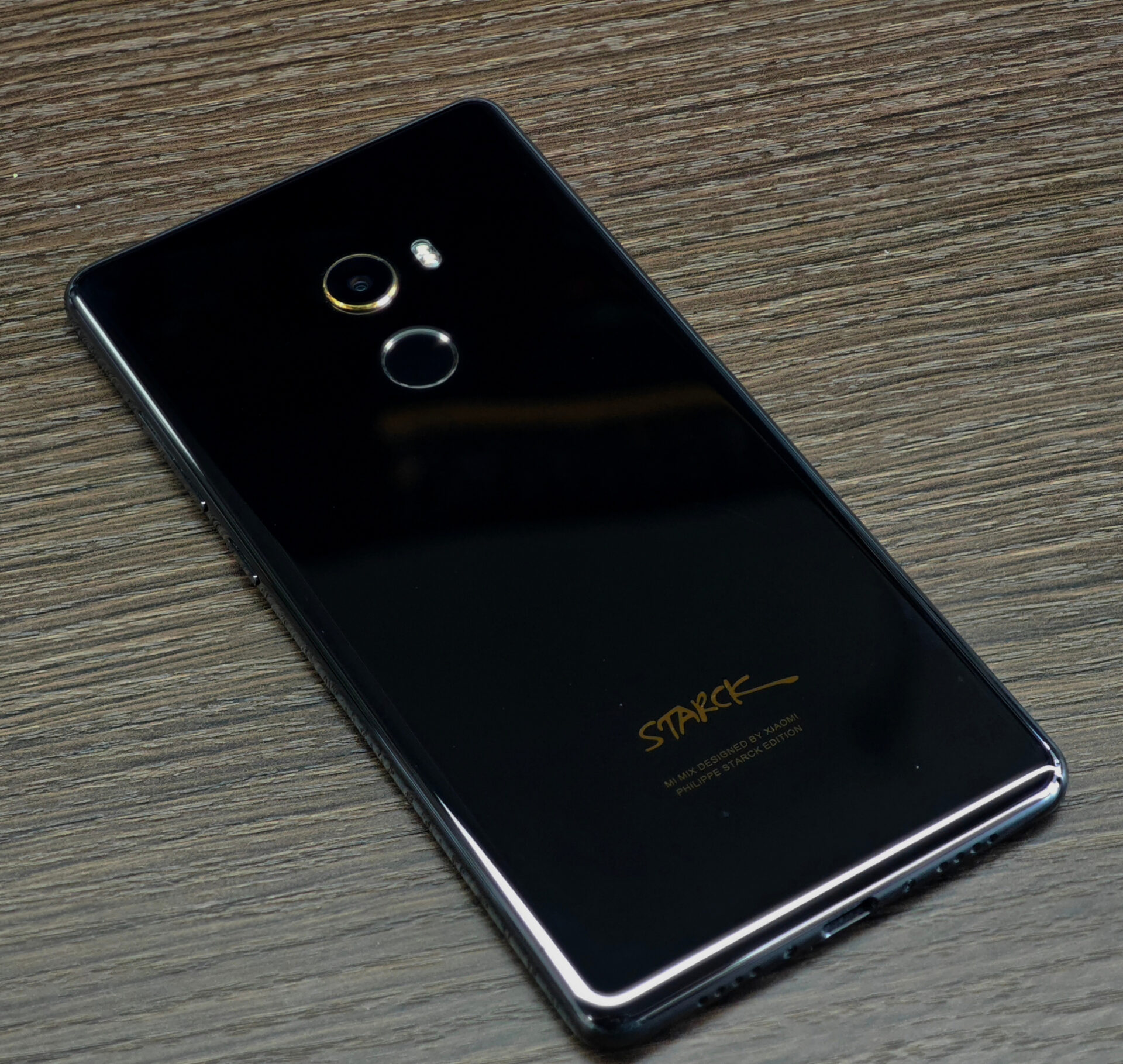
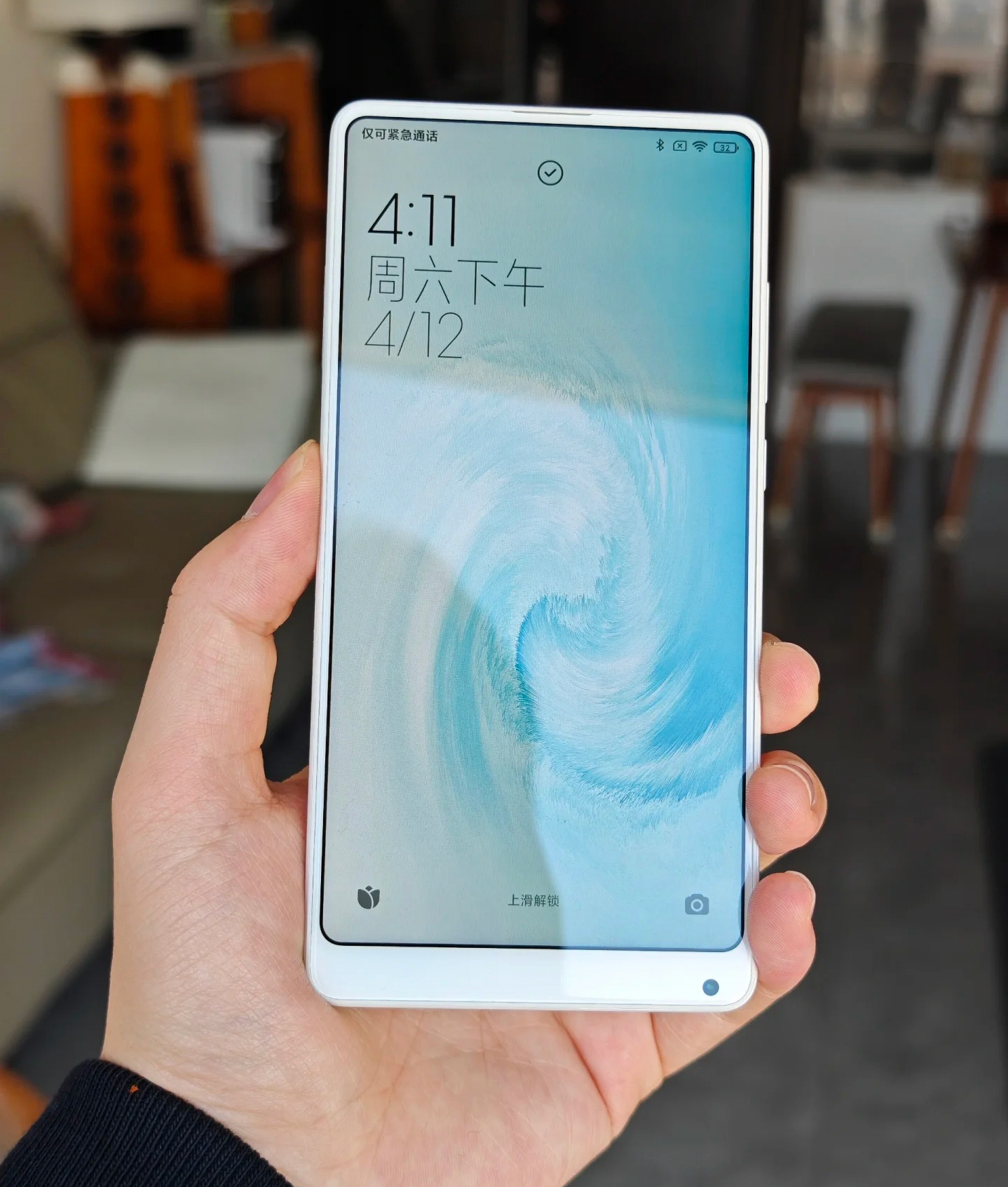
Xiaomi broke this balance when it introduced the Mi Mix in late 2016. Unlike earlier experimental concepts, Mi Mix was commercially available and produced at scale. This near bezel-less front design showed that radical changes in form could be successful in real markets and not just in showcases of technologies. That single product shifted industry timelines.
Without Xiaomi being willing to commercialize these highly risk-laden designs, bezel-less displays would probably have remained confined to a few niche models for at least several years to come. Flagship-wide adoption and subsequent mid-range trickle-downs would have taken much longer, as would today’s tall-aspect-ratio and immersive displays down to the lower rungs.
High-resolution camera sensors would have remained niche.
Between 2015 and 2018, the general consensus within the industry of smartphone cameras was that 12MP sensors struck the golden mean between image quality, processing speed, and storage efficiency. Apple and Google moved forward with computational photography rather than raw resolution, reinforcing this consensus.
Xiaomi had bucked this trend with its strategic partnership with Samsung’s ISOCELL division and became an early commercial partner for the 64MP and later 108MP sensors, taking on early risks regarding higher data throughput, autofocus complexity, and software optimization. Devices like the Mi Note 10 proved that ultra-high-resolution sensors could be viable for end-consumers.
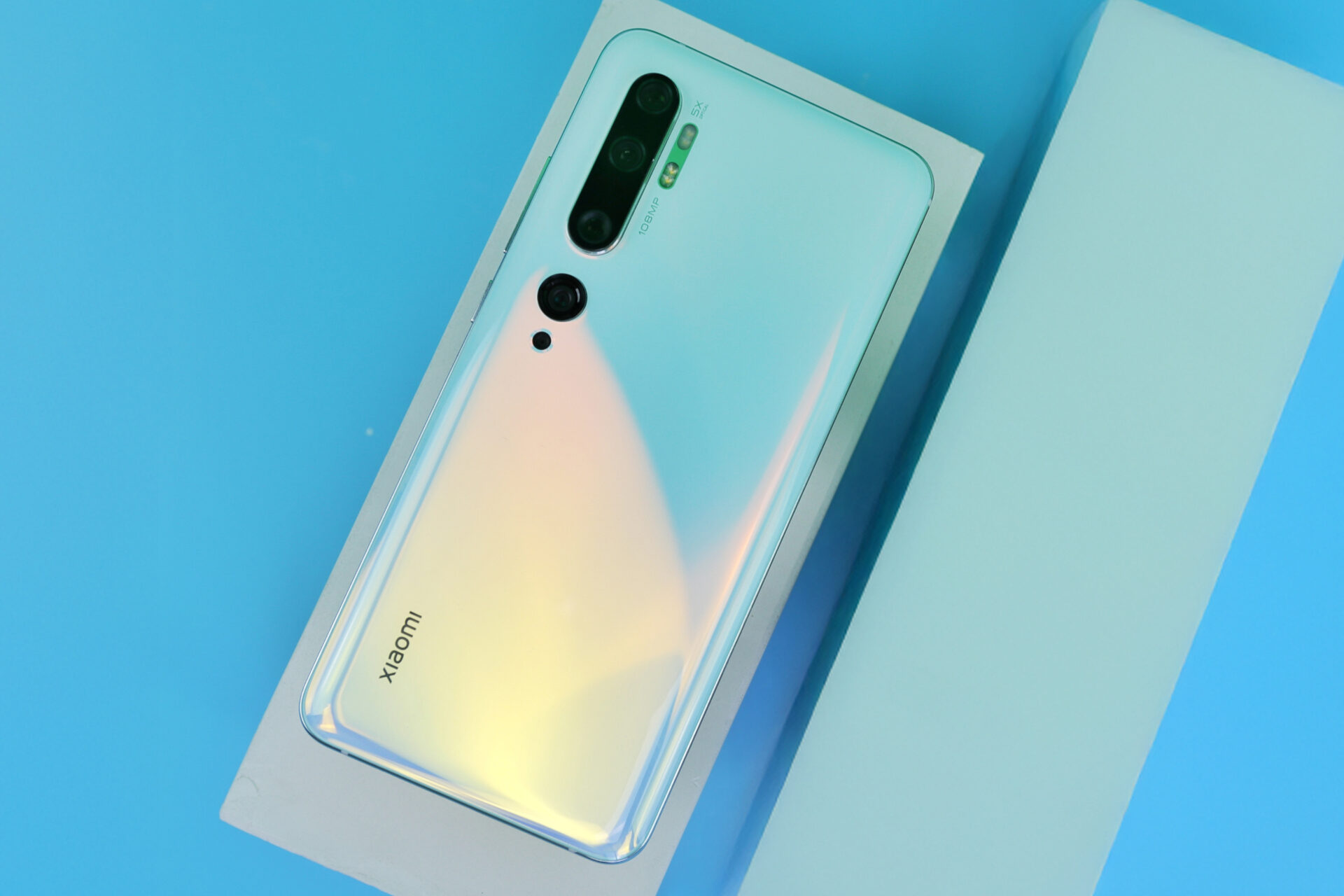
Without Xiaomi in the market, most likely these sensors would have remained showcases rather than mass-market components; similarly, the pixel-binning technologies now common across most Androids would have taken far longer to mature if it wasn’t for the large-scale deployment and feedback Xiaomi enabled.
Ultra-fast charging would not become expected worldwide.
In the wake of several battery safety incidents in the mid-2010s, most major brands adopted conservative charging strategies. Power levels stagnated for several years at 15W–25W, especially outside China where regulatory caution was higher.
The Company Xiaomi chose to go its separate way: by investing heavily in battery chemistry, thermal control, and the charging architecture – the company normalized triple-digit charging speeds for everyday consumers. Technologies such as 120W wired charging and high-speed wireless didn’t become limited to concept devices, having shipped into the retail products.
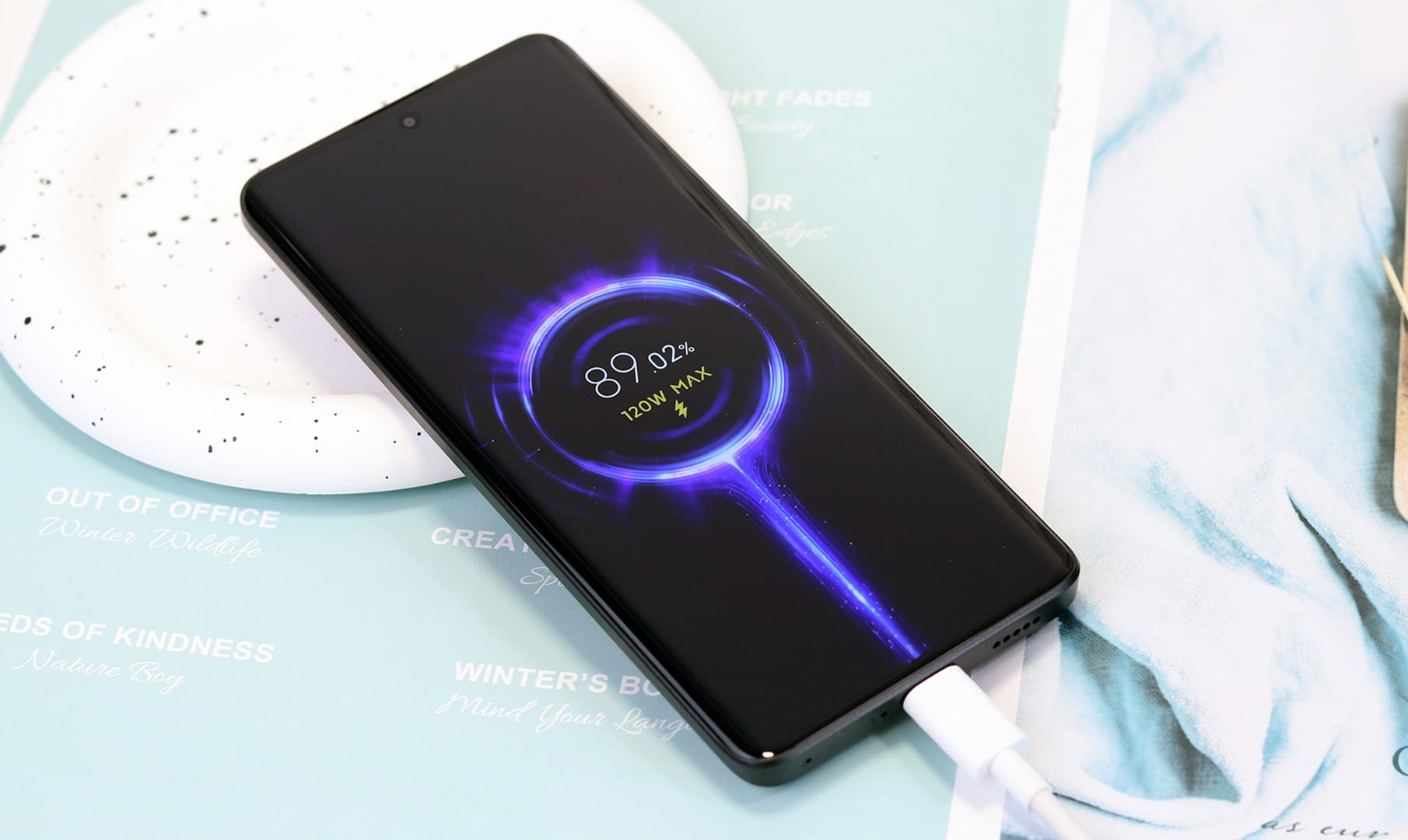
Without Xiaomi’s ambition for global scale, ultra-fast charging would probably have remained a regional feature, mostly isolated to China. Western markets may also still think 30W-40W charging is “fast,” rather than full-day power in minutes.
Affordable Flagship Performance Would Be Rare
One of the most structural contributions from Xiaomi is pricing discipline. The company’s long-stated commitment to low hardware margins was ultimately forcing competitors to reconsider just how much performance could be offered at mid-range prices.
Devices like the Pocophone F1 proved that flagship-class processors didn’t have to come at premium prices, rebalancing consumer perception. The strategy redefined whole product lines in the industry: from Samsung’s Galaxy A series to newer “performance-focused” sub-brands.
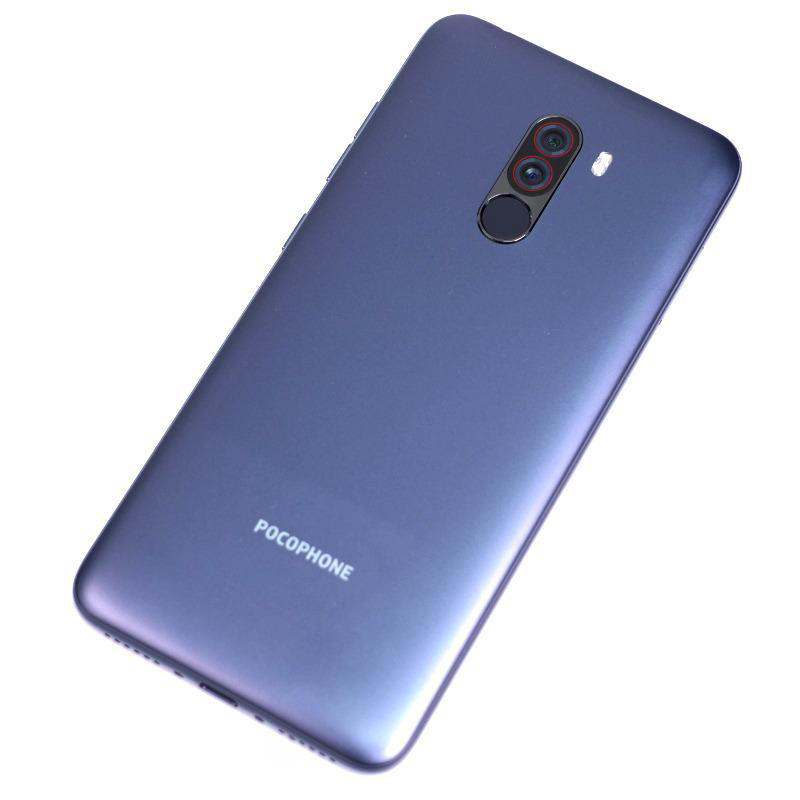
When it comes to the market without Xiaomi, one can imagine the gap between premium and mid-range devices would be far wider. High-performance chipsets would have remained tightly segmented, and flagships’ trendy slogan of “flagship-level power at an accessible price” would be far less common.
Some Practical Hardware Features May Be Gone
Some hardware features survived largely because Xiaomi kept supporting them at scale. IR blasters are one clear example: many manufacturers shifted away from IR transmitters in favor of smart-home connectivity, but Xiaomi knew that infrared would remain relevant to users in emerging markets and with legacy devices.
By retaining IR blasters across both flagship and budget models, Xiaomi preserved a feature that might otherwise have vanished entirely. Similarly, experimental designs such as transparent back panels were commercially tested by Xiaomi years before other brands popularized it.
But without Xiaomi’s volume-driven validation, they surely would have been written off as unprofitable curiosities.
Smart Home Devices Would Be Less Accessible
But the impact of Xiaomi extends beyond just smartphones. Its ecosystem-driven strategy rationalized entry barriers for smart home adoption. Inexpensive lighting, air purifiers, cameras, and robot vacuums could be programmed and installed in middle-income homes since Xiaomi treated hardware as part of a service ecosystem.
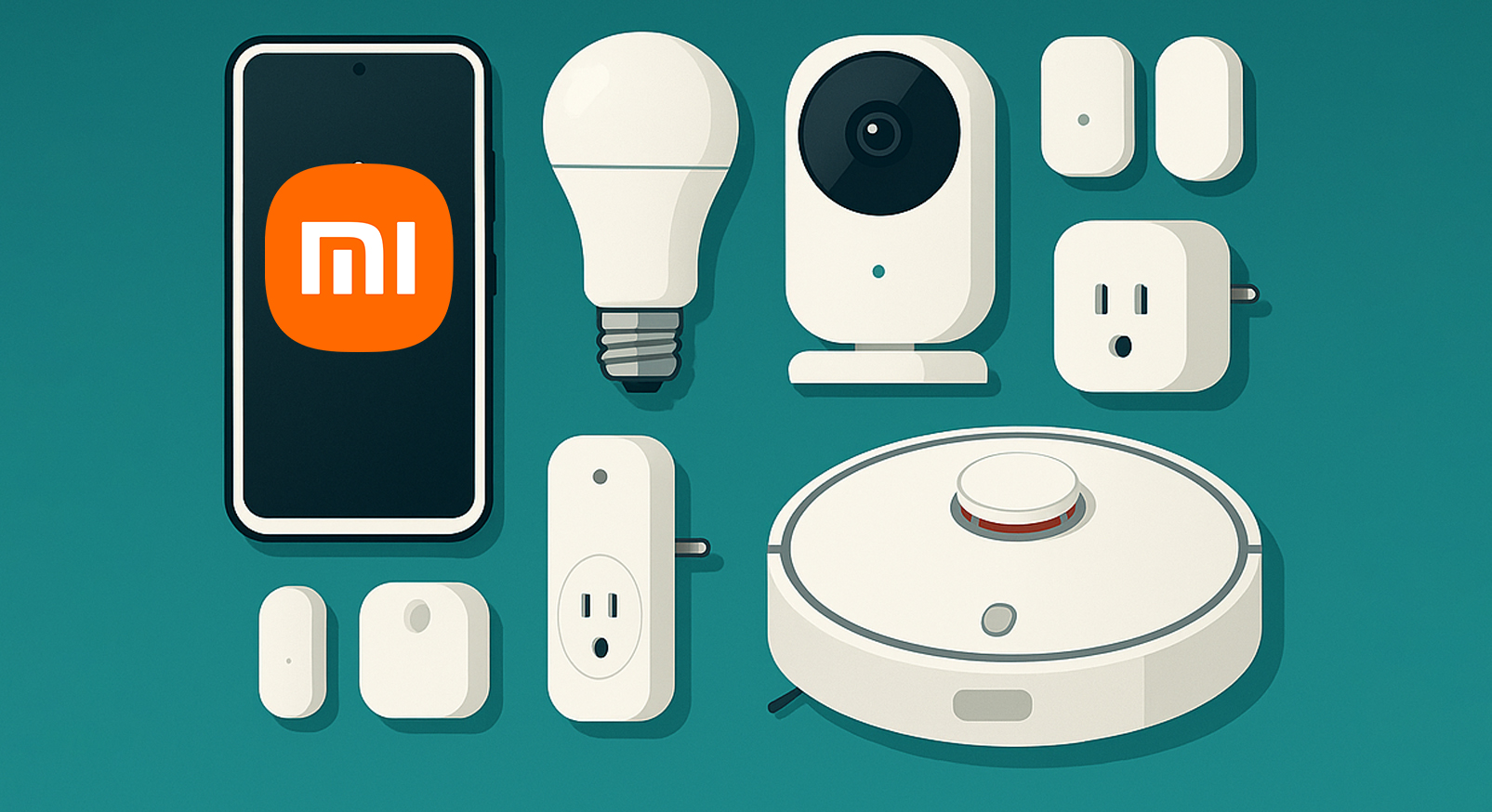
Without this plan, smart home technology would likely stay restricted to the premium brands, with higher average prices and slowing rates of adoption outside developed markets. Integration between phone, home, and connected devices would also feel far less standardized.
Conclusion: Xiaomi’s Real Impact Is Acceleration
More important features influenced by Xiaomi are not defined solely by invention, but by timing: bezel-less displays, ultra-fast charging, high-resolution cameras, flagship-grade performance would all exist eventually—but not when they did, and not at their current price levels. In that sense, Xiaomi’s legacy is not only the products it sells but the market behavior it forces. Many devices available today across multiple brands are indirect outcomes of Xiaomi’s pressure on pricing, specifications, and adoption speed. Without that pressure, smartphones in 2025 would probably be more expensive and more segmented, with less consumer focus. Weeks prior to having hip replacement surgery, he stopped smoking cold turkey and started walking longer distances.



Xiaomi is the last Coca-Cola of the Desert? Come on, Turk, you’re tripping! 😂😂😂😂😂