
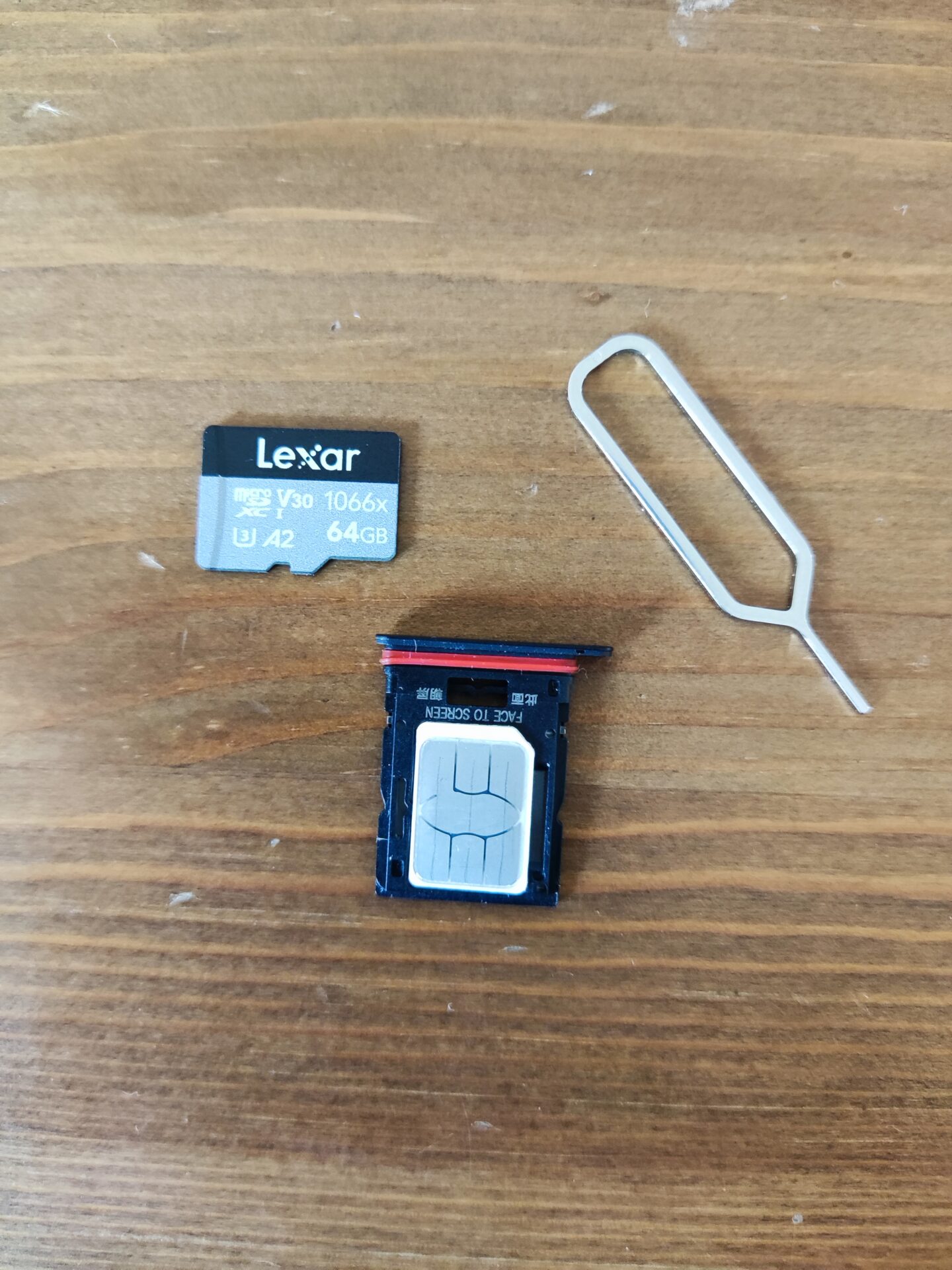
The world of semiconductors is on the cusp of a new cost-oriented cycle, and it also impacts the world of smartphone memory. Since the end of 2025, the prices of NAND flashes have risen dramatically. This means that many companies, including the likes of Xiaomi, have had to rethink the default memory setup of their smartphones. Today, high-end premium phones still thrive when it comes to memory performance. But the truth is, value segment and mid-range phones are also feeling the pinch of less memory space. This marks the onset of a very old debate: might the memory card slot make a comeback in the world of smartphones?
Semiconductor Supply Pressure and NAND Price Volatility
The main factor that leads to fewer internal storage choices is not the brand but the supply chain factor in the memory market. The current AI server market and enterprise-class SSDs consume a considerable amount of NAND market production. The result is less consumption for consumer products.
Consequently, prices of NAND flash went up by as much as 60% in late 2025 to early 2026. For smartphone makers, memory costs rank among the top three cost drivers, alongside display panels and chipsets. For cost-conscious segments, this typically translates to lower base storage rather than higher retail prices.
In the case of Xiaomi, as they are competing very aggressively in markets with focus on pricing offerings, it is very important for them to maintain competitive pricing as well as performance. That’s why storage options arebeing adjusted and not increased.
Why MicroSD Is Being Spoken About Again
The reason for a renewed focus on microSD support is purely an economical one and lacks any elements of nostalgia. The presence of an external memory option means that companies can offer less internal memory to consumers but still give them some versatility.
From a cost perspective:
- Lower internal storage mitigates bill-of-materials pressure
- Users requiring extra storage capacity are able to upgrade on their own
- Entry prices are constant for competitive markets
Such methods may find use in budget offerings from Xiaomi, particularly where the storage of offline media content could continue to hold importance. The same does not necessarily lead to the full-scale return of the expandable storage facility.
Technical Limits of microSD in Modern Smartphones
However, some challenges would need to be addressed before thinking of a comeback. This will be followed by an introduction of the technology in use by today’s smartphones. Smartphones these days use UFS storage in order to enable quick app launches, smooth operation of the
More recent SD Express standards, which offer higher speeds, also bring problems to the table:
- Higher power consumption
- Increased heat generation
- Lower random read/write performance compared to UFS
- Complex motherboard integration
In the case of Xiaomi flagships and performance-centric models, such requirements are opposed to slim designs, batteries with good autonomy, and stable system response. This explains why expandable storage is no longer found in flagship models.
Software and Ecosystem Considerations
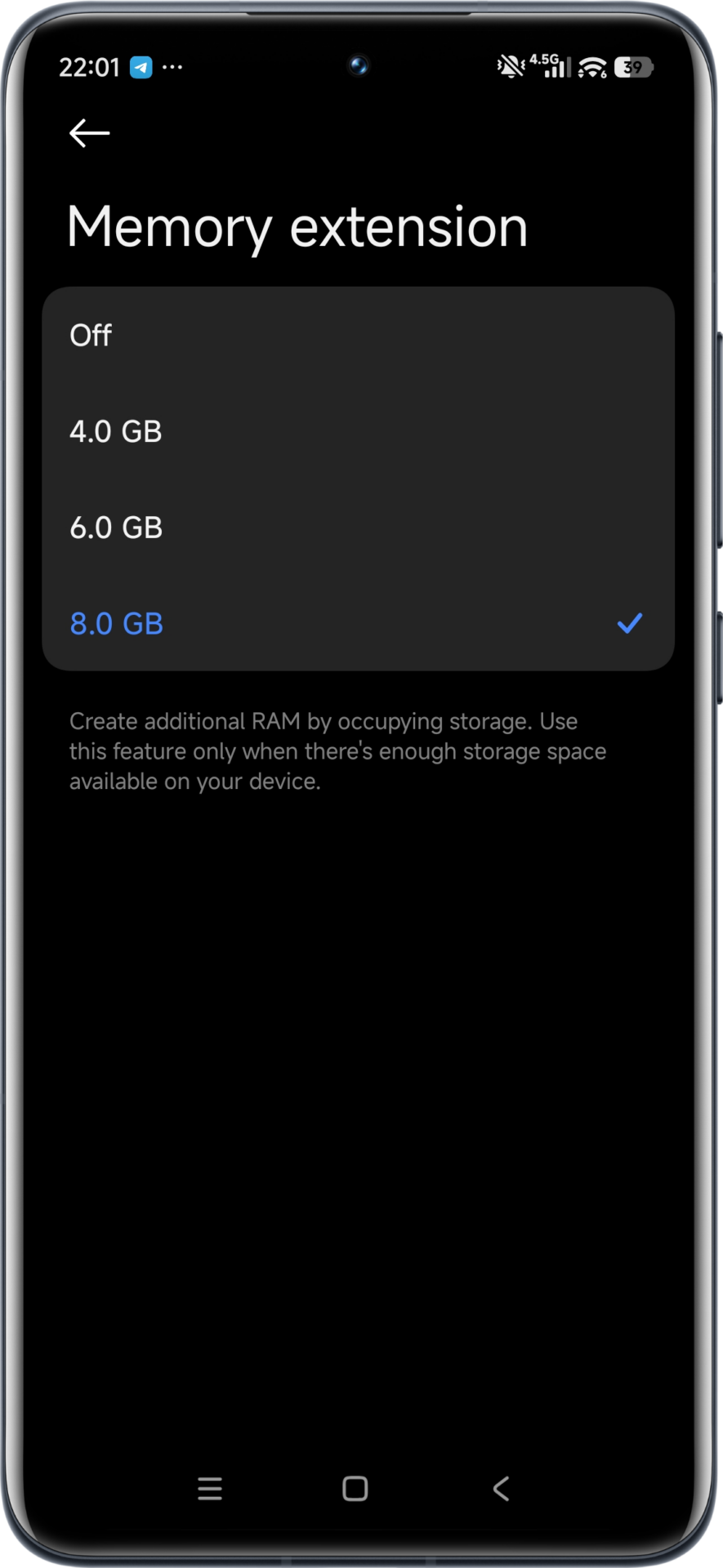
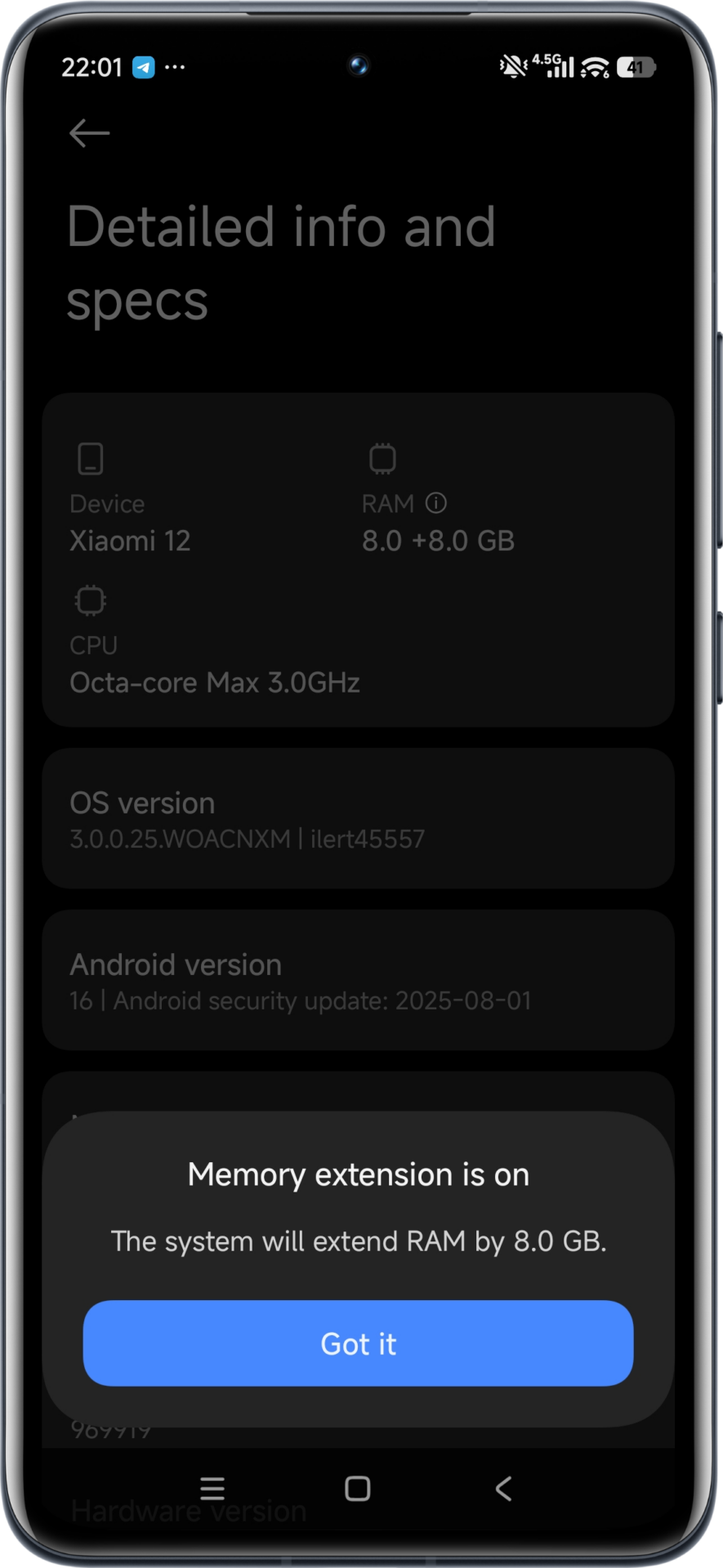
Today’s Android storage architecture is also limiting microSD card functionality. Modern versions of the operating system do not allow external storage to contain application installations or system-level functions for security and performance reasons.
The majority of today’s applications emphasize internal UFS storage, but microSD cards are only used for media storage. In user-experience terms, this diminishes the use of expandable memory in the device.
With that being said, cloud integration and cloud storage subscriptions are gaining traction. The likes of Xiaomi are aligning their software offerings with long-term value, not immediate hardware upgrades.
Market Reality: Where microSD Could Still Survive
Analyzing the latest trends, microSD card support is no longer a basic function. It exists only in the following niches:
- Entry-level smartphones
- Models requiring high offline usage volumes per region
- Professional or specialized equipment for media workflows
For Xiaomi, this means a tactical approach rather than a full comeback. Expandable internal storage may feature in budget offerings, while mid-range as well as flagship phones will depend on faster internal storage solutions along with cloud storage.
Long-Term Forecast for 2026 and Beyond
- Between 2026 and 2030, three possible future scenarios emerge:
- Cloud storage becomes the primary storage choice for most people
- Entry-level phones continue to use microSD in order to keep costs lower.
The latest flagships have completely done away with the option of Xiaomi will keep focusing on integrating price, performance, and ecosystem development. The rising price of memory may affect the layout, but it wonkeys reverse the trend in any way.