
 Emir Bardakçı
Xiaomi’s software history demonstrates a very calculated approach to lock screen features, balancing design, security, and performance. From the earliest versions of MIUI to the current HyperOS ecosystem, lock screen widgets have never truly existed as they have in stock Android. Now that Android 16 officially returns lock screen widgets, many are focusing their attention on whether Xiaomi will include this in HyperOS 4. This paper looks at the historical background, current limitations, and sets realistic future expectations based on the strategic evolution of MIUI, HyperOS, and the Android platform.
Did MIUI ever support lock screen widgets?
MIUI has traditionally followed a different design philosophy from stock Android. It didn’t expose this capability directly to users, even when this was supported out-of-the-box by Android itself.
Back in the days of Android 4.2 Jelly Bean, Google introduced native lock screen widgets via the Android framework. Yet, MIUI V5 bypassed the native Android lock screen and instead used a customized solution for its own graphical interface. This meant users could not add third-party app widgets to the lock screen, similar to how owners did on Nexus devices. Xiaomi opted for visual consistency, performance stability, and tight system control over raw flexibility.
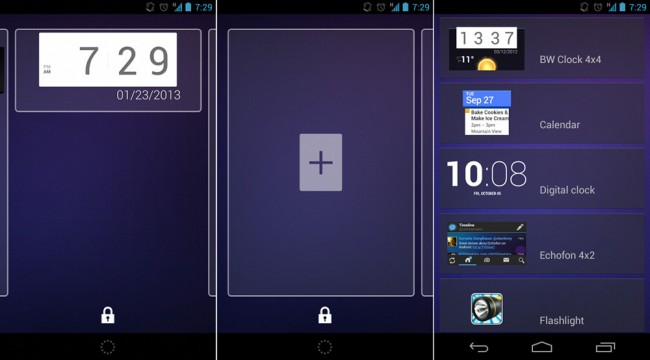
Instead of being true widgets, MIUI had components based on themes built into its Theme Engine. These elements seemed dynamic but were technically part of the system UI, not independent app widgets. This helped Xiaomi keep design coherence but blocked interaction with third-party applications.
The Long Gap: From MIUI to Early HyperOS
After Android 5.0, Google removed the feature of lock screen widgets totally and shifted towards rich notifications. Xiaomi’s strategy was well-matched with this trend. MIUI continued to improve notifications, the visuals on a lock screen, and theme customizations rather than widget-style interaction.
But with the shift to HyperOS from MIUI, Xiaomi reworked its software architecture and placed phones, tablets, wearables, and IoT under a single ecosystem. Even now, HyperOS 1 and HyperOS 2 restrict lock screen info to system-defined elements: time, weather, and basic status indicators. These aren’t Android widgets, but controlled UI components managed by Xiaomi.
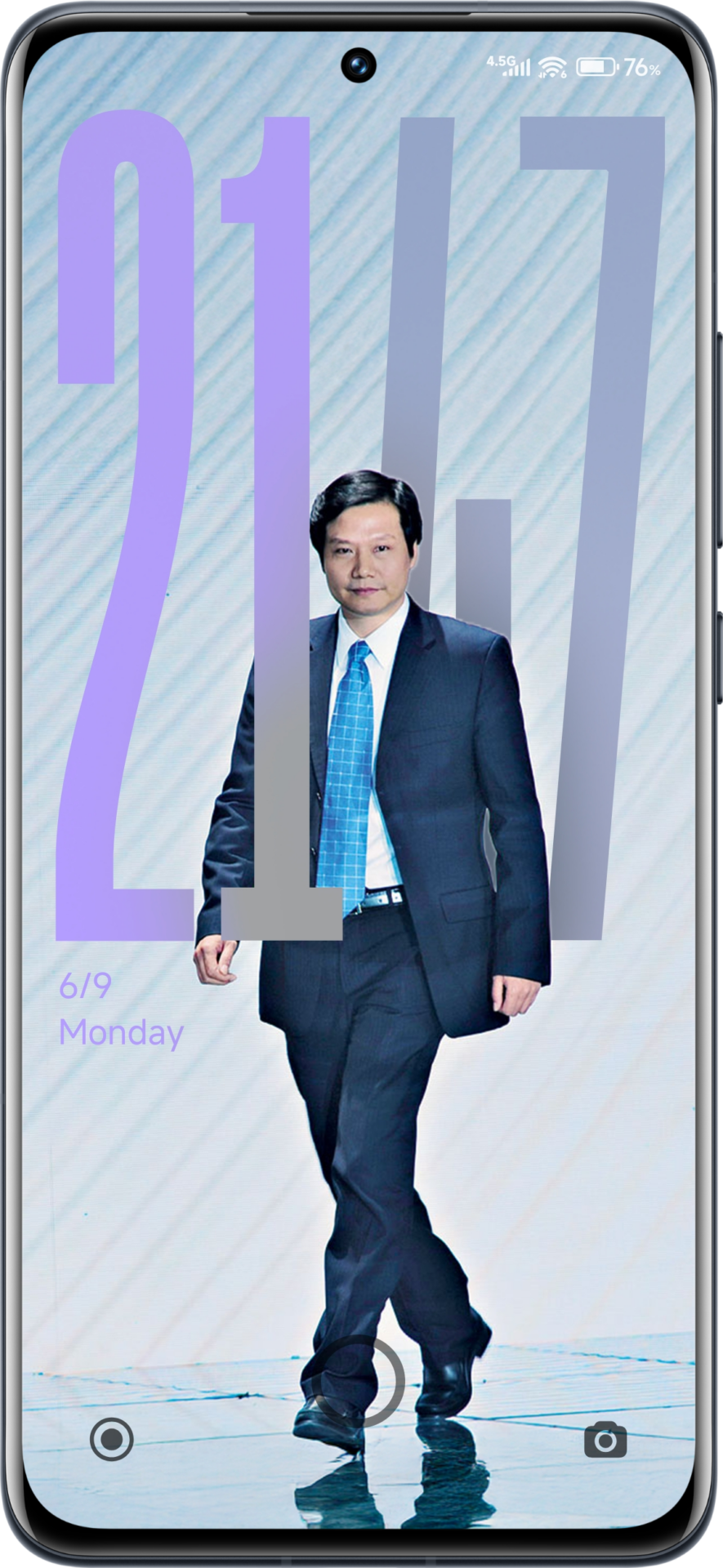
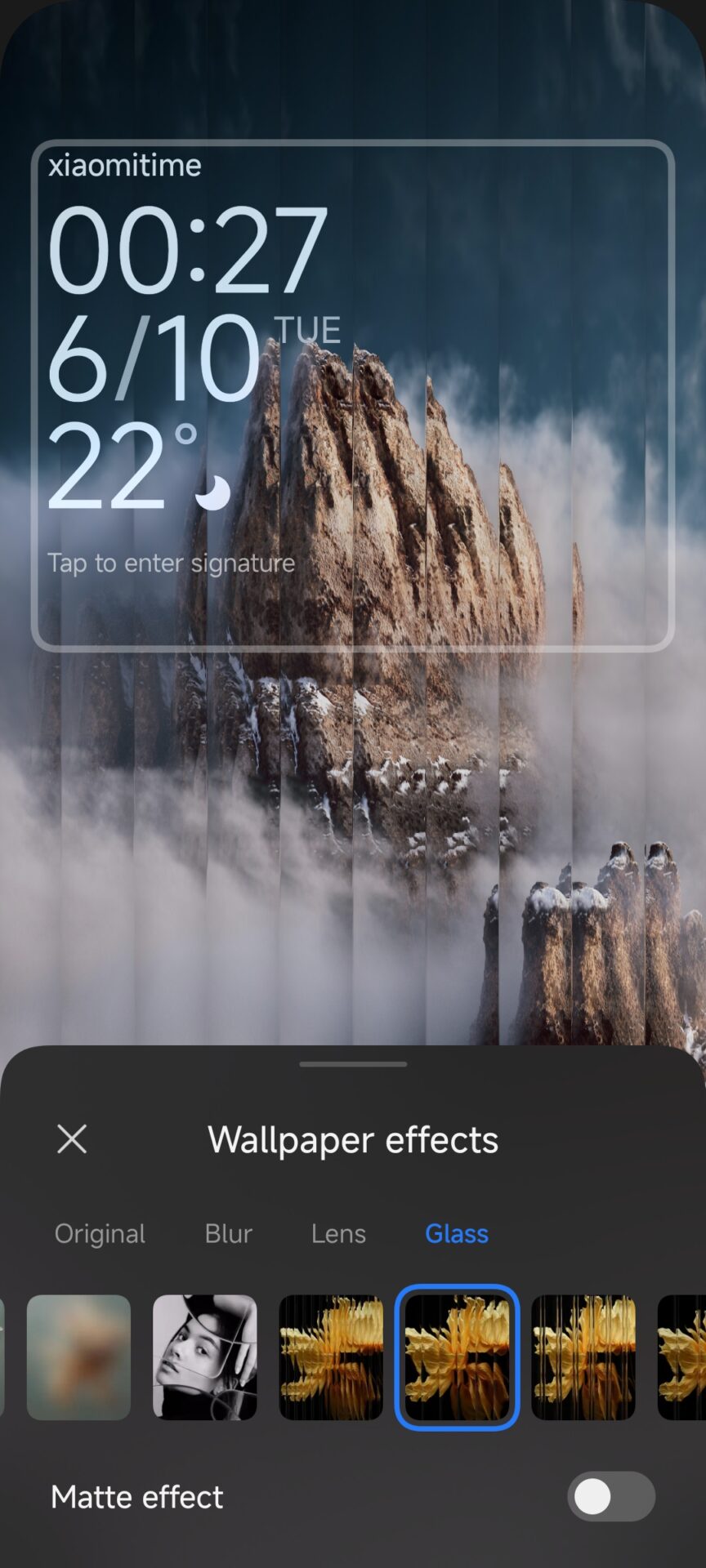
Such a design would ensure the efficiency of the battery and security, especially across a wide range of devices, including mid-range and entry-level hardware.
Android 16 and the return of lock screen widgets
Android 16 comes complete with a more secure widget framework on its lock screen. This isn’t like the older implementation used in Android 4.2, which is based on a new system where there are these layered panels and restricted data access that help with keeping user privacy intact. Widgets can show limited information while the device is locked and fully unlock upon biometric authentication.
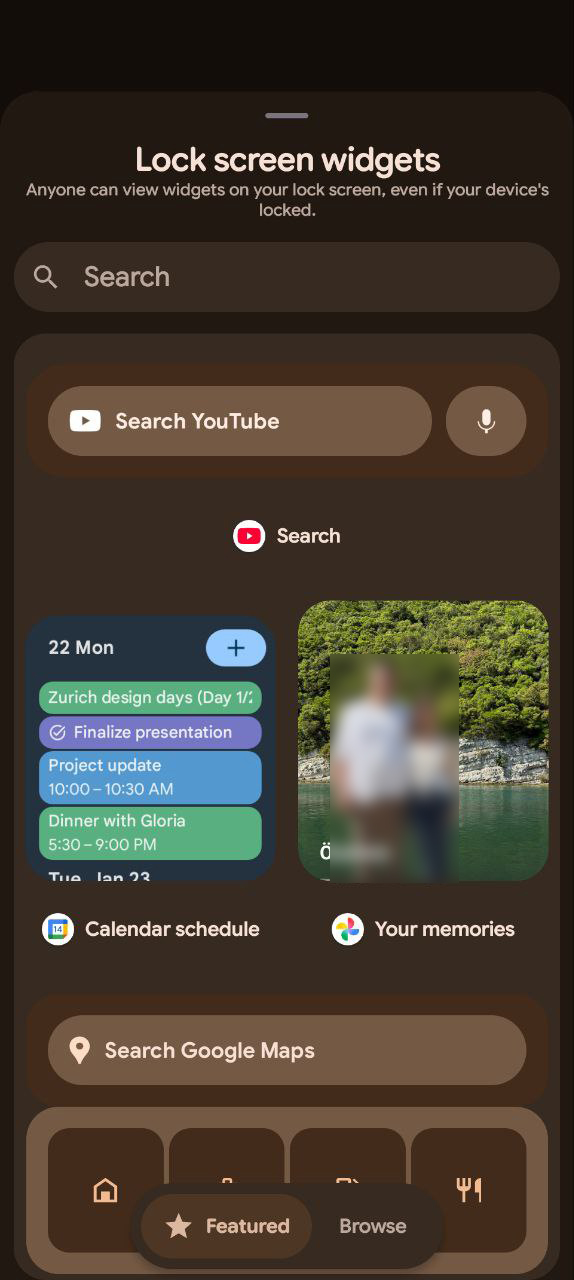
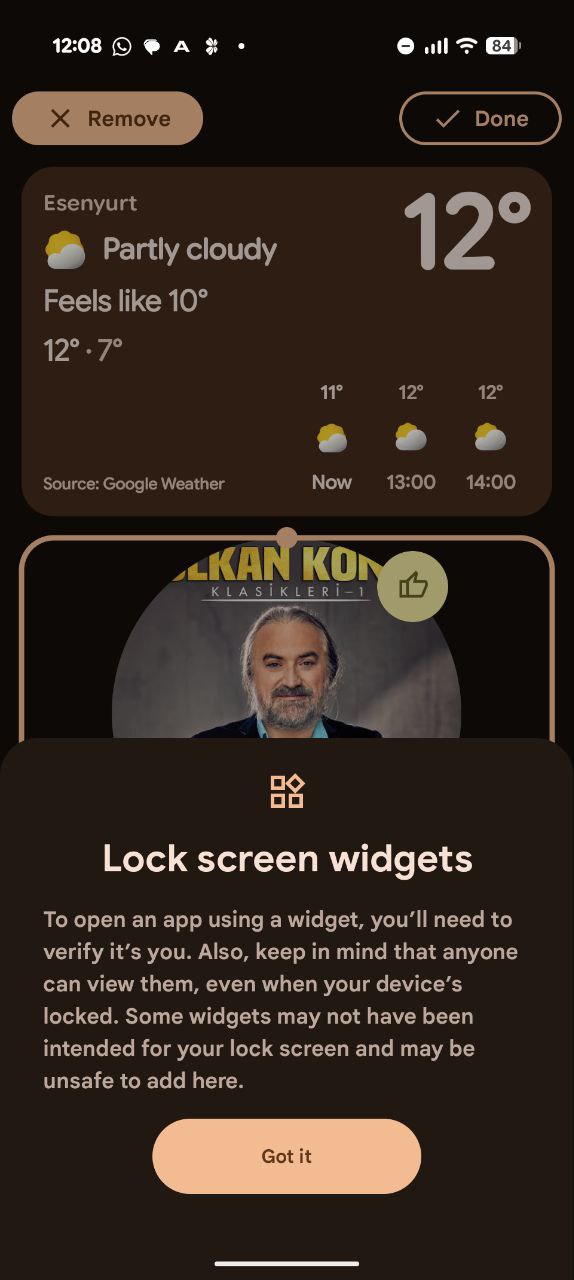
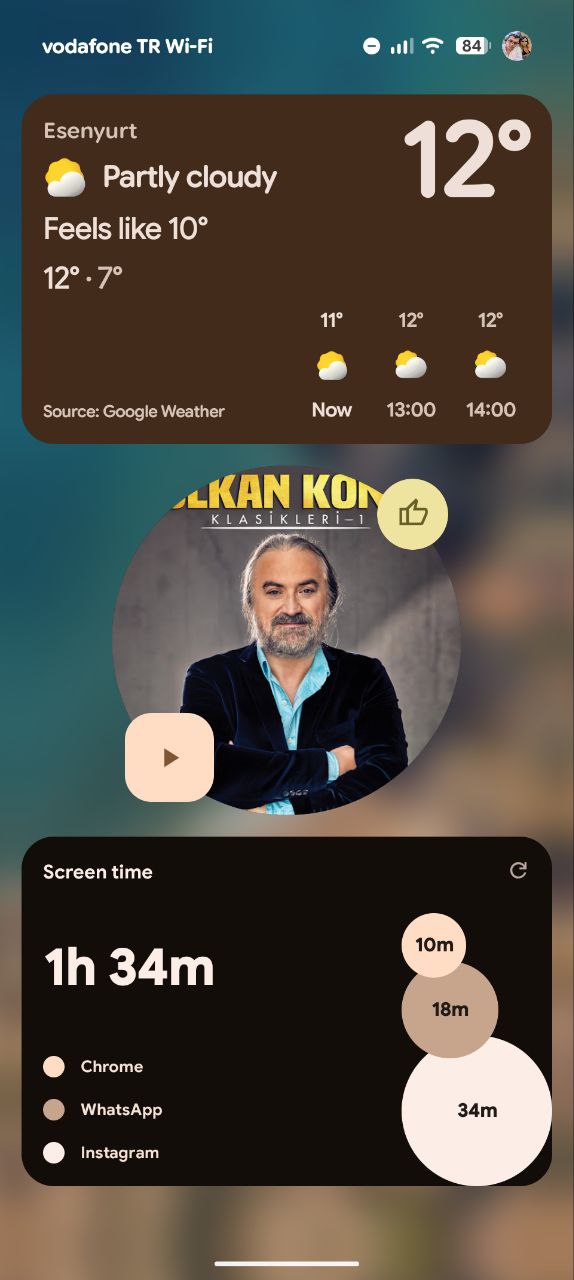
This means a lot for Xiaomi-Android 16’s architecture fits better with the principles of HyperOS, making integration more plausible than what was possible in the MIUI era. Xiaomi has joined the developer programs for Android 16 with its recent flagship devices, implying early internal tests and preparation on the platform level.
Will HyperOS 4 Support Lock Screen Widgets?
So, yes, lock screen widgets are very likely to materialize with HyperOS 4, but with controlled deployment-validated use cases rather than free-for-all widget placement. Key expectations include the following:
- System-level support based on Android 16 APIs
- Strong focus on Xiaomi services, smart home controls, and vehicle integration
- Design consistency with HyperOS lock screen styles
- Battery- and performance-aware update intervals
This solution could enable users to verify important information or control connected devices without having to unlock the phone, while maintaining Xiaomi’s visual identity.
Strategic Importance for Xiaomi’s Ecosystem
Lock screen widgets fit naturally into Xiaomi’s long-term “Human × Car × Home” strategy. From smartphones to the Xiaomi Pad series, smart home appliances, and beyond to cars, quickly accessing information will be even more critical.
In this context, lock screen widgets are not just a cosmetic feature but also a functional bridge between devices that will make HyperOS more competitive with other major ecosystems, while being well-aligned with Xiaomi’s design discipline.
Final
MIUI never really supported native lock screen widgets, in the true Android sense, and neither did HyperOS continue that more controlled approach. But Android 16 changes the underlying technology in a way that aligns with Xiaomi’s goals. For that reason, HyperOS 4 is likely to bring lock screen widgets, but in a filtered and limited capacity rather than giving full freedom. This would be more of a natural development, rather than a backpedal of Xiaomi’s philosophy, providing users with helpful glanceable information while keeping performance, security, and ecosystem consistency intact.

You write so much but there is no Turkish translation. We cannot read in our own language.
WTF we didn’t have hyperos 3 and you talking about hyperos 4
btw when will Xiaomi 14T receive update
global
HYPER OS 3 KILLA EMULATOR
WITH HYPER OS 4 NO GAME ALLOWED!!!
Where is HyperOs 3?
it’s fact xiaomi & poco is biggest suckers in the universe 🌌
First launch HyperOS 3 properly, then start advertising HyperOS 4. Xiaomi talks too much but delivers very little. They haven’t even given Android 16 or the HyperOS 3 update yet on the Xiaomi 14 Civi in India. Only big promises, no real action.
First launch HyperOS 3 properly, then start advertising HyperOS 4. Xiaomi talks too much but delivers very little. They haven’t even given Android 16 or the HyperOS 3 update yet on the Xiaomi 14 Civi in India. Only big promises, no real action.