


Xiaomi teems with a new strategy which transcends merely improved hardware technology and cameras. The comeback of the Leitz Phone brand indicates a new era in the branding strategies of both Xiaomi and Leica in the high-end line of smartphones. Observing the previous trends in the market with models such as Xiaomi 14 Ultra and Xiaomi 15 Ultra, it can be ascertained that photography lies at the foundational stages of high-range Xiaomi phones. However, with Leitz re-entering the fray, it appears as if Xiaomi plans to give importance to brand history as well. This article will observe the possible reasons behind Xiaomi’s act, earlier uses of Leitz phones, and their impact on the international market.
The Leitz Name: More than Leica Branding
Prior to examining Xiaomi’s role, it is necessary to clarify why Leitz is important. Starting with a complete history of Leica requires a description of Ernst Leitz and his founding establishment, which initially originated in Wetzlar, Germany, as a traditional optical firm. The use of “Leitz” as a brand over “Leica,” which originates as Leitz Camera, promotes its roots and history over popular awareness.

Such a distinction is very important. Leica as a brand license exists in the mobile industry in general; however, “Leitz” with greater control of philosophy and products is reserved for initiatives in which Leica is involved. In the case of Xiaomi, alignment with “Leitz” is less about visibility and more about credibility in the “luxury and professional imaging segment.”
Old Leitz Phones: Purpose and Background on Manufacturing
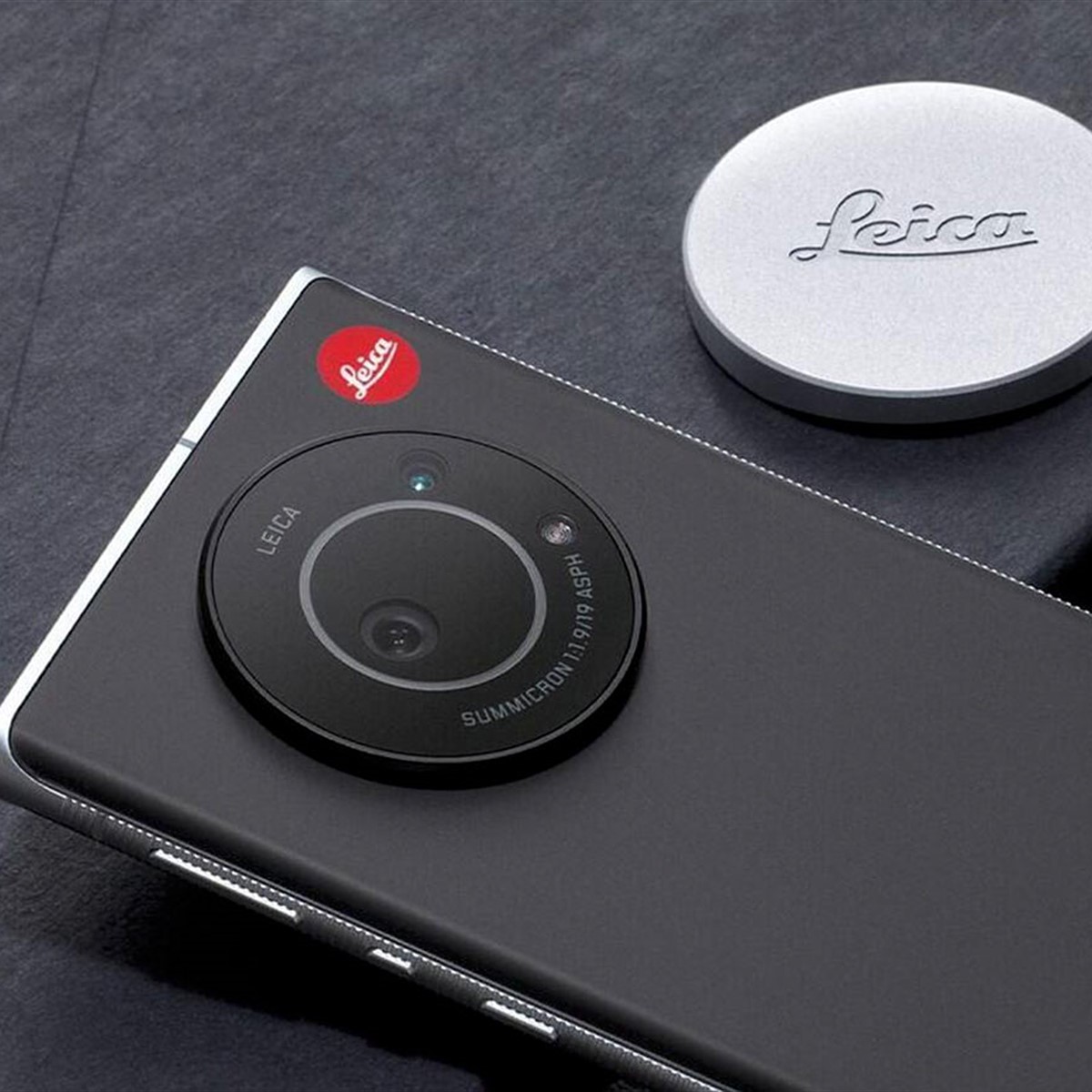
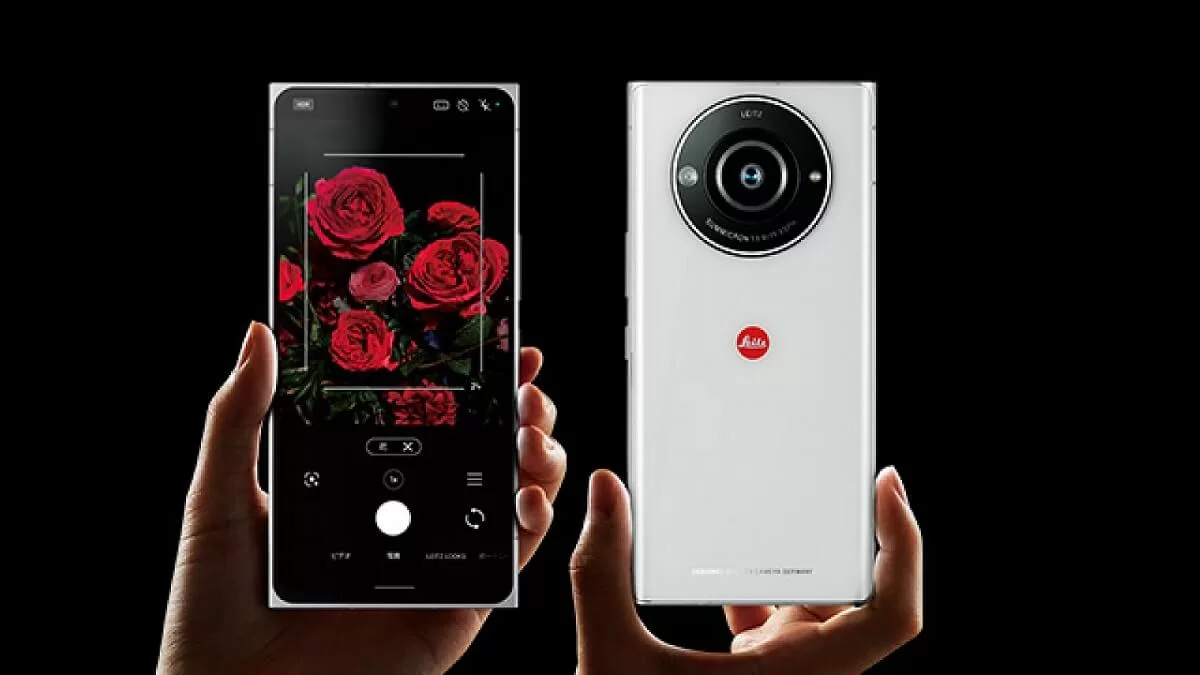
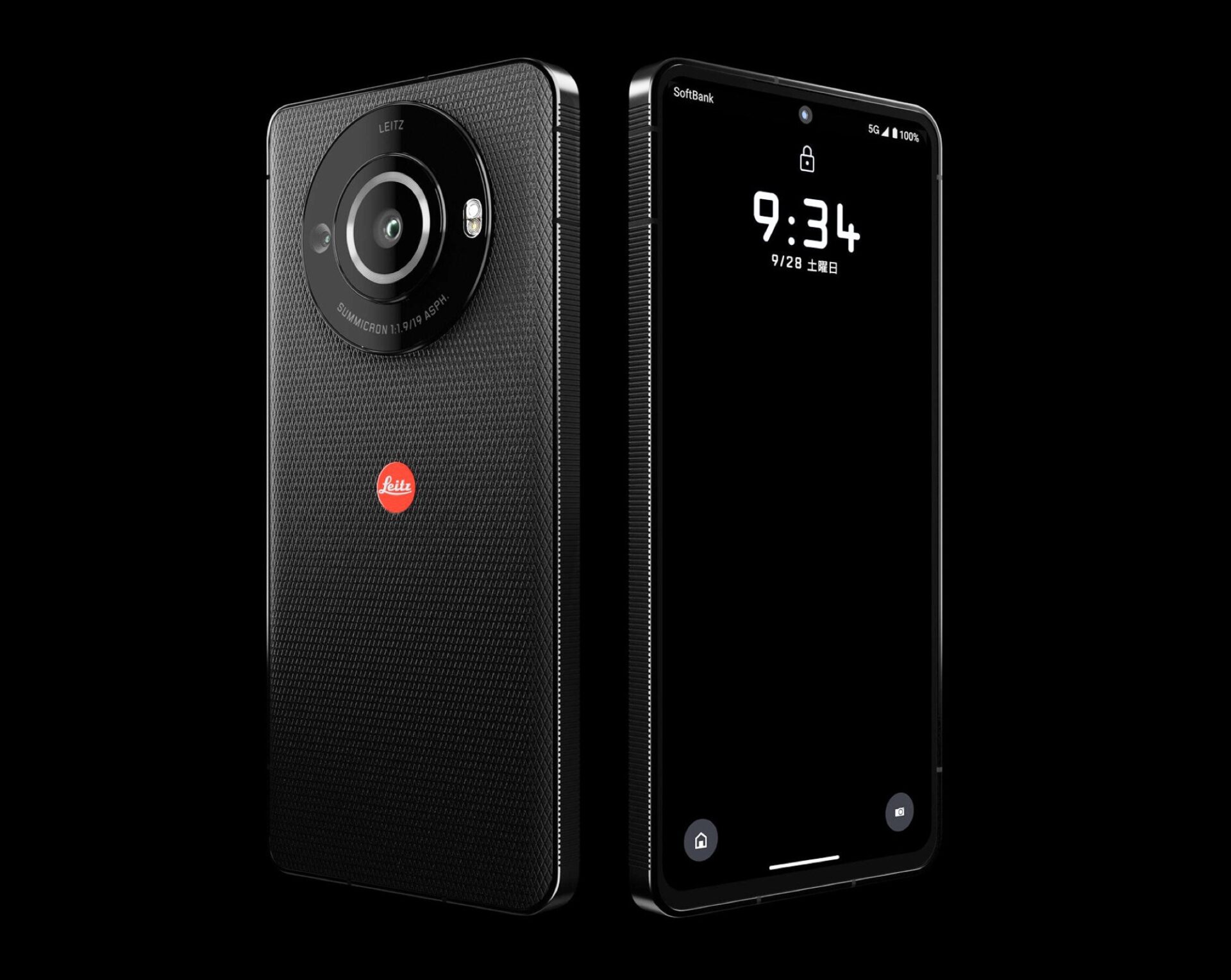
The Leitz Phone 1, Leitz Phone 2, and Leitz Phone 3 were never intended to be mass-market global products. Those phones were made purely within the Japanese market and were manufactured by Sharp, who is known to integrate advanced display and sensor technology.
Leica had partnered Sharp as its technological partner before the arrival of Xiaomi because of the following reasons:
- Sharp had relevant experience with 1-inch image sensors in mobile phones.
- Its IGZO OLED panels supported high refresh rates with excellent power efficiency.
- The Japanese market welcomed limited and premium operator-exclusives without international pressure.
These Leitz Phones were only available at SoftBank Japan. The aim was not to gain a market share but to test the limits to which the concept of a camera could be stretched in a mobile phone body.
Why Xiaomi is Becoming the Focus of the Leitz Strategy
But after 2022, the mobile strategy of Leica changed dramatically. The collaboration with Xiaomi progressed from simplified camera adjustments to a more extensive “co-creation approach,” from the “Xiaomi 12S Ultra” series onward. This partnership gave Xiaomi the essential thing Leica needed but did not have: the global manufacturing capacity of Sharp.
For Xiaomi, the Leitz concept resolves the long-existing problem. Even with excellent hardware and cost advantages, there remains a constraint on the luxury feel for the brand in the price range above $1,000 USD. In the current segment, the story becomes almost equally important as the hardware specifications. In the current technology era, there remains the constant challenge of perfectly capturing the images. For the customers, the first impression plays the most crucial part. The initial first impression for the customers will be created based on the product box,
Strategic Rationale for Xiaomi’s Decision to Launch the Leitz Phone
Brand Elevation with Preservation of Xiaomi Brand
Instead of using the Xiaomi brand, one should expect a ‘Leitz Phone powered by Xiaomi’ format. Thus, Xiaomi gets to remain in the limelight, while Leitz gets to own the emotional and cultural associations. It is almost akin to what one finds in automobile and watch brands.
Effective Product Segmentation
“Standard Ultra” models shall continue targeting high-end mainstream consumers as before. A “Leitz” branded line fills a distinctive niche for:
- Professional photographers
- Collectors
- Imaging-centric usage patterns compared to general performance.
It helps prevent confusion while adding more to Xiaomi’s offerings to higher categories.
Globalizing a Concept Originally Local in Scale
The Old Leitz Phones were restricted to Japan. With Xiaomi’s entry, Leitz goes from being a regional experiment to a global ultra-premium category, which could be accessible in Asia and Europe.
Expected Technical Specifications of a Xiaomi Leitz Phone
Even though there are no official specs, some industry figures suggest a device that is largely consistent with a new Ultra generation:
- Processor: Snapdragon 8 Elite Gen 5
- Software: Xiaomi HyperOS with Leica-optimized image processing pipeline
- Camera: 1-inch main sensor featuring the latest dynamic range
- Optics: Telephoto lenses APO certified by Leica to suppress chromatic aberrations
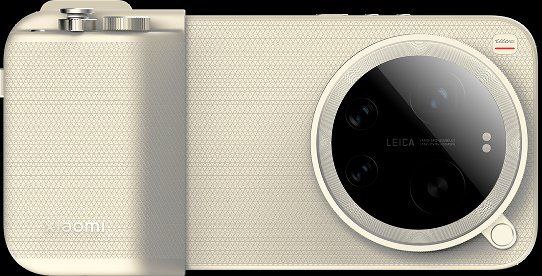
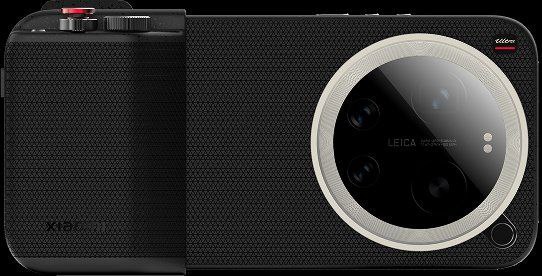
- Design: Ceramic and textured finishes, possibly with physical camera accessories While the older Sharp models emphasized a single camera approach, it is likely that Xiaomi’s phone will harmonize flexibility and purity in a single camera.
Sharp-Era Leitz Phones Compared to Xiaomi-Era Leitz Phones
- Market scope: Japan-only vs global
- Production scale: Limited vs mass premium production
- Software support: Stock Android vs long-term HyperOS updates
- Imaging approach: Minimalist vs multi-camera professional system
This makes it clear that Xiaomi is not substituting the traditional thought, but extending it.
Long-Term Effect of Xiaomi on the Industry and the Company
Xiaomi’s involvement in Leitz Phones is not a temporary form of marketing. Instead, it is an embodiment of a larger goal that wants Xiaomi to also contend at a highly symbolic level when it comes to electronics. This move could go on to shape how other brands formulate strategies related to collaborations that involve heritage. As a brand, Xiaomi is focusing less on numbers with the Leitz Phone and more on perception, impact, and learning that it is possible to embody technology and history simultaneously.



xiaomi products is best
looking for a New model xiomi