


Recently, the term “Deco” has been adopted more frequently at Xiaomi as a description of camera module design on their smartphones. Deco means a lot more than a camera hump on a smartphone. On the ecosystem at Xiaomi, Deco encompasses Industrial Design, Structural Design, Thermal Design, as well as Brand Identity. As smartphones get bigger and their camera modules get more complex, Deco has become a major design component that determines the aesthetics of a smartphone within the Xiaomi brand.
Deco as a Concept in Industrial Design
Deco is an in-house terminology, which is an acronym for either “Decorative Part” or “Decorative Cover”. For Xiaomi devices, it describes how it is a structural component containing camera senor, flash, or other minor elements with an added visual appeal on the back of the device.
From a design perspective, Deco has three important functions. First, it gives physical protection to the sensitive equipment of cameras, such as large image sensors and periscope lenses. Second, it gives visual order by combining various parts into a unified whole instead of using lots of separated parts in the design of cutouts. Third, it contributes to brand differentiation because the rear panel of the mobile phone has become an important section where brands showcase themselves.

Xiaomi never refers to this design feature as the “camera bump.” Instead, the word “Deco” repositions it as a Designed Feature and not a compromise.
Xiaomi Main Series: Deco Camera-Focused Design
Xiaomi’s flagship series is Deco-based and emphasizes photography and crafting. It sports a different design language for each sub-series but conveys one common message: photography is at the top of the list.
Ultra Series & Circular Deco
In the Ultra series of Xiaomi devices, such as the Xiaomi 14 Ultra and Xiaomi 15 Ultra, the Deco design is generally larger and round. This design directly relates to camera lens assemblies used in professional photography. The round shape is a visual indicator of optics and a testament to the camera capabilities of this line of devices.
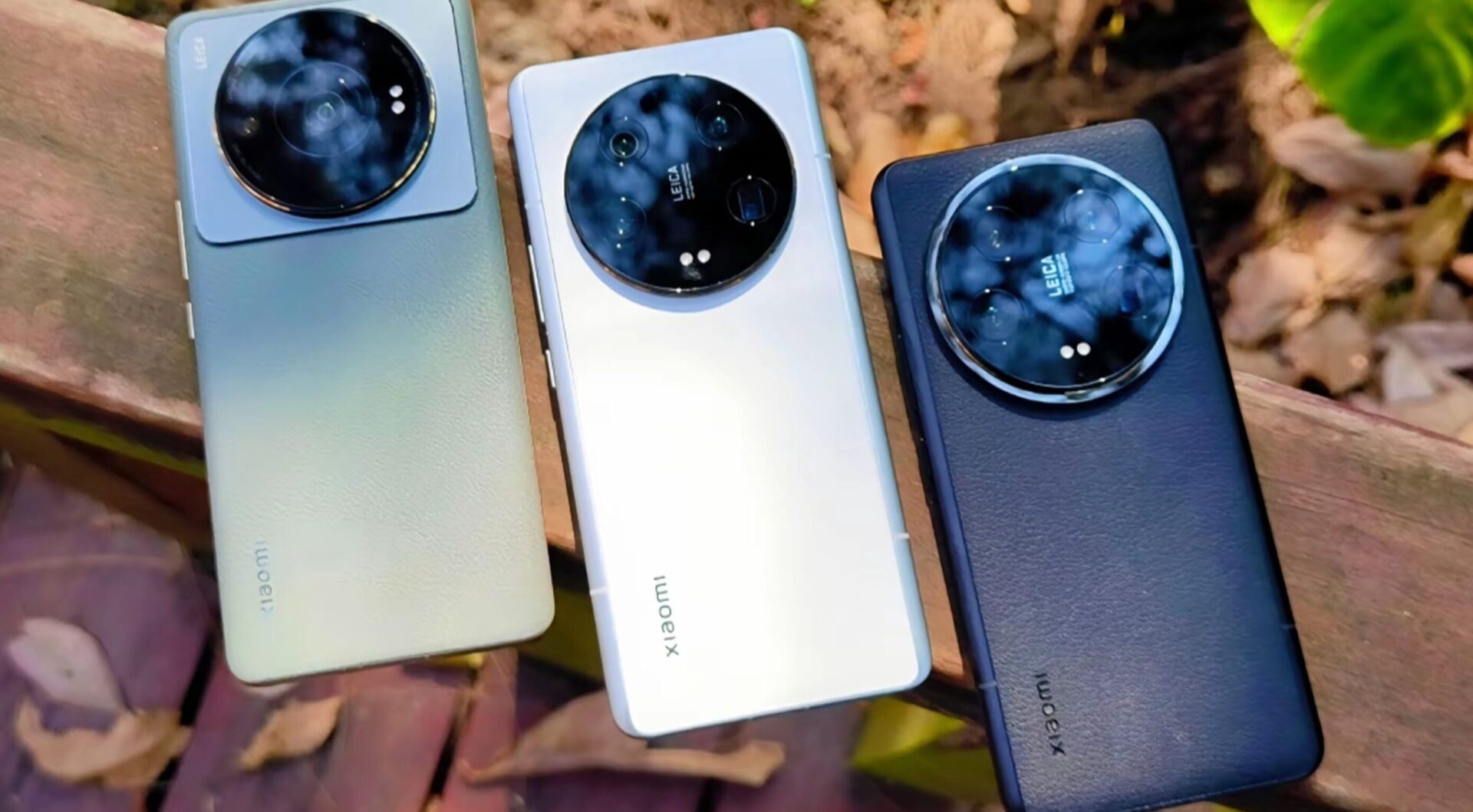
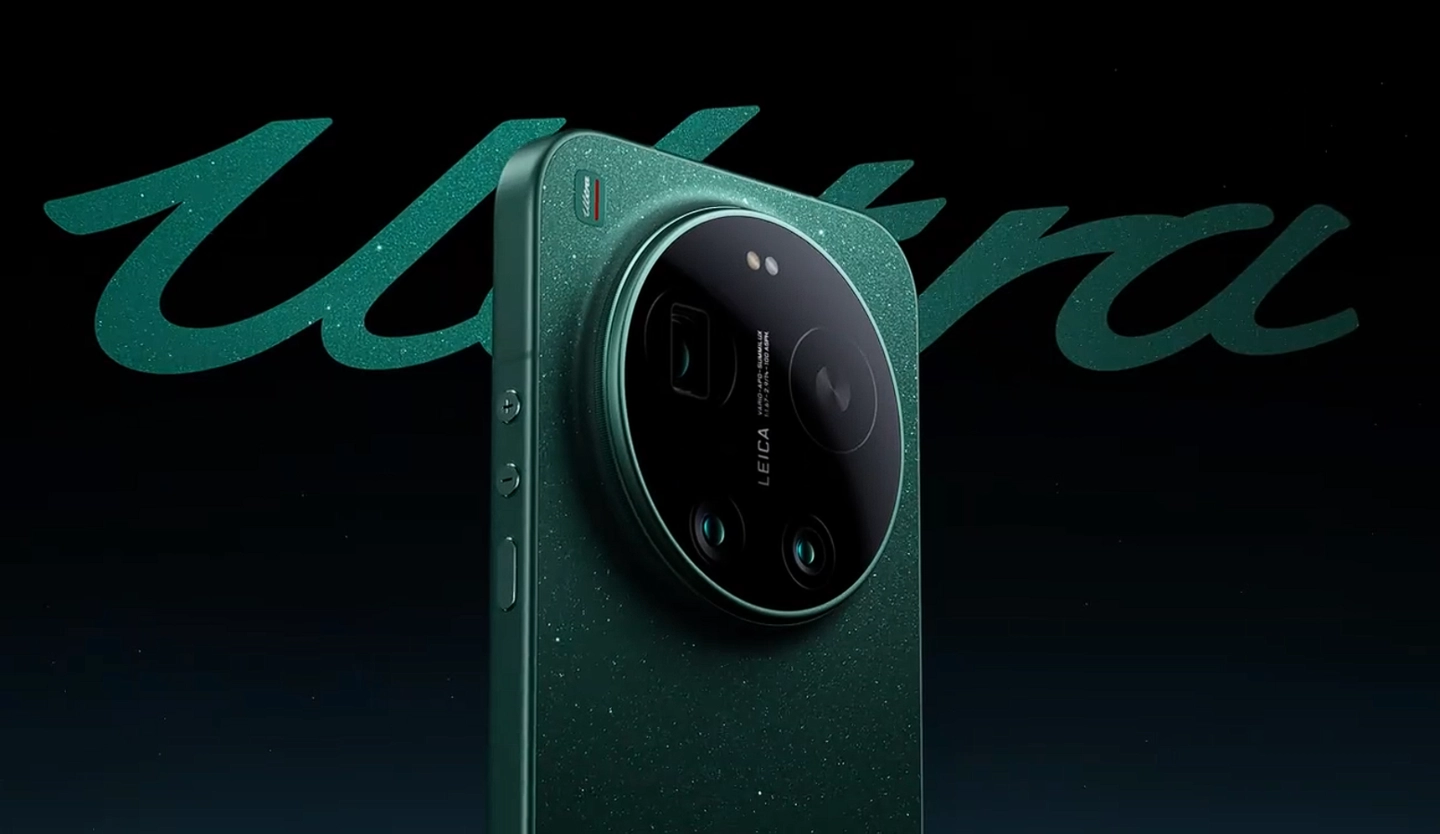
The circular design of the Deco also enables Xiaomi to distribute a variety of sensors in a well-balanced design. The usage of metal alloys, ceramic materials, and textured surfaces increases durability and control over light reflection. This gives the camera a smooth yet not-so-glossy look.
Number Series and Integrated Square Decoration
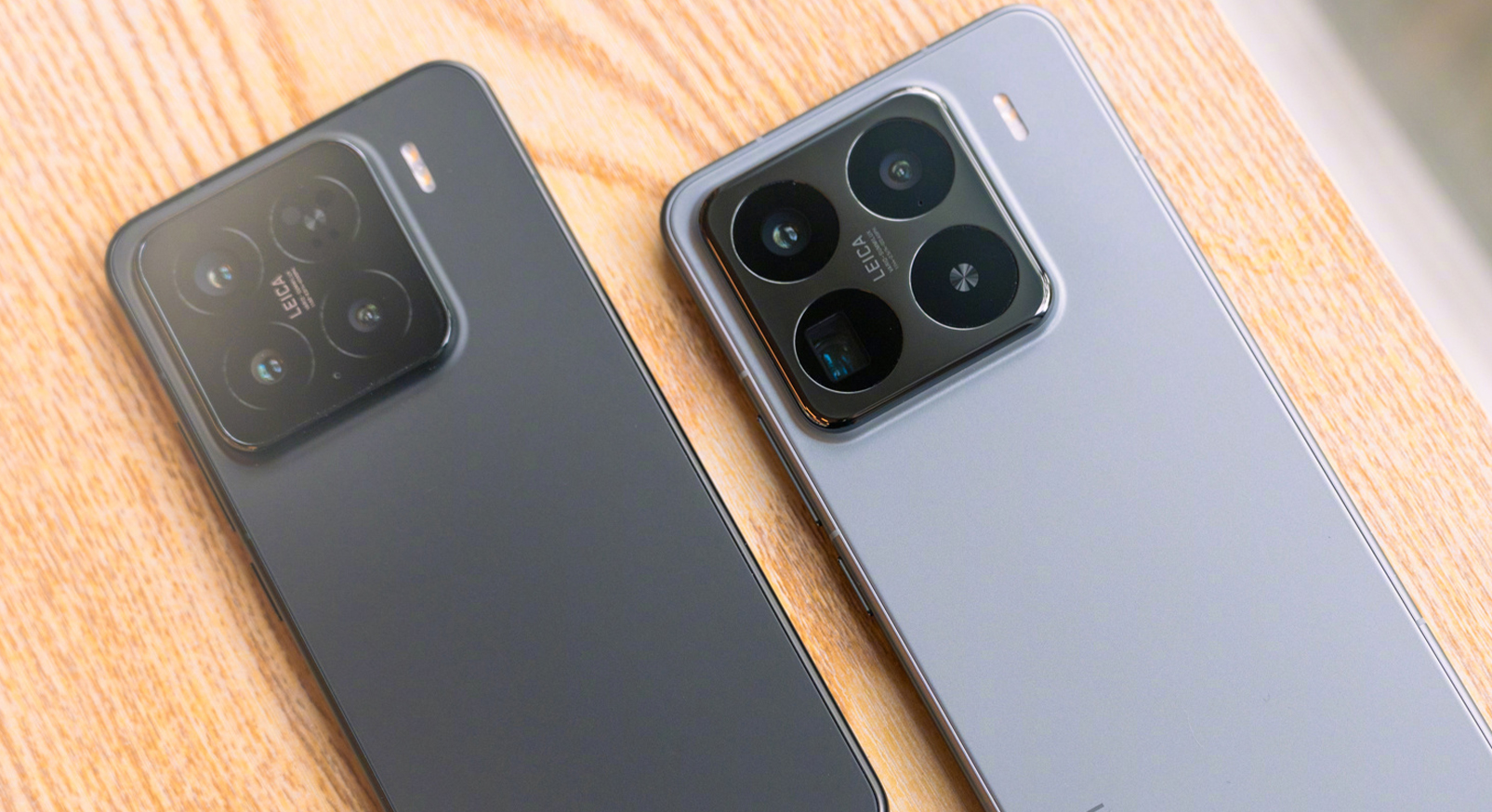
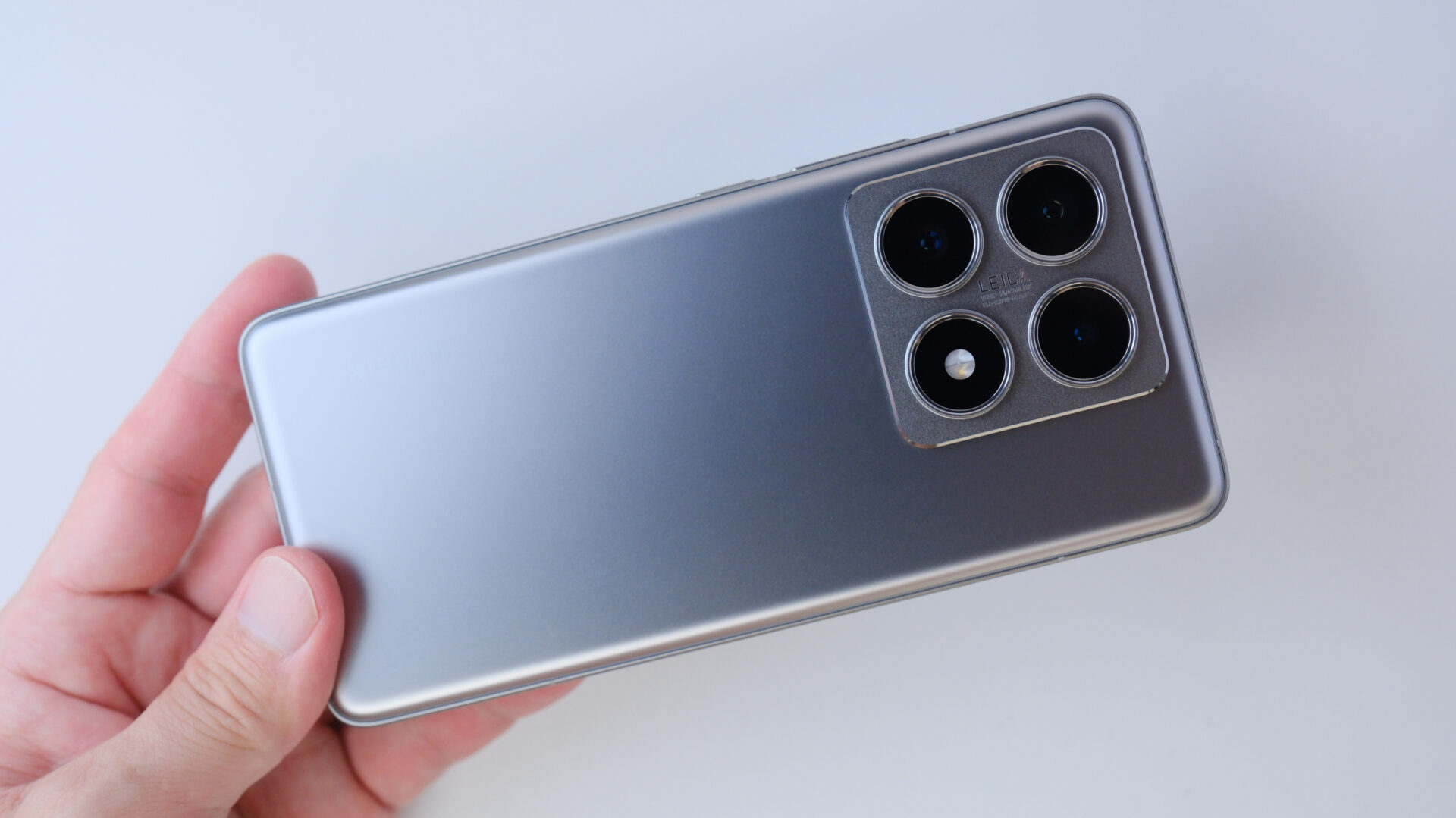
General flagship designs, like Xiaomi 15 and Xiaomi 15 Pro, tend to sport a square or rounded-square Deco. Recent lines from Xiaomi have incorporated a trend of a smooth Deco transition into the rear panel. Additionally, this design provides better grip and fewer corners that may pose a risk or pain when held in the hand but maintains a camera zone that looks different from the rest of the phone.
POCO Phones: The Performace-Centric Decor Language
POCO smartphones are sister products to Xiaomi’s offerings but are aimed at a different market altogether. Accordingly, their Deco series also have a ‘philosophy’ of their own that is centered on speed, power, and gaming identity instead of photography capabilities.
Instead of circular designs, rectangular or “Racetrack” designs of Deco layouts are utilized in POCO models. Such designs are characterized by their inspiration from machinery and autos, giving a more aggressive appearance to the phones. Contrasting patterns, texture, and larger camera frames are incorporated, making the POCO phones distinct, even when they have the same specifications as Redmi or Xiaomi smartphones.
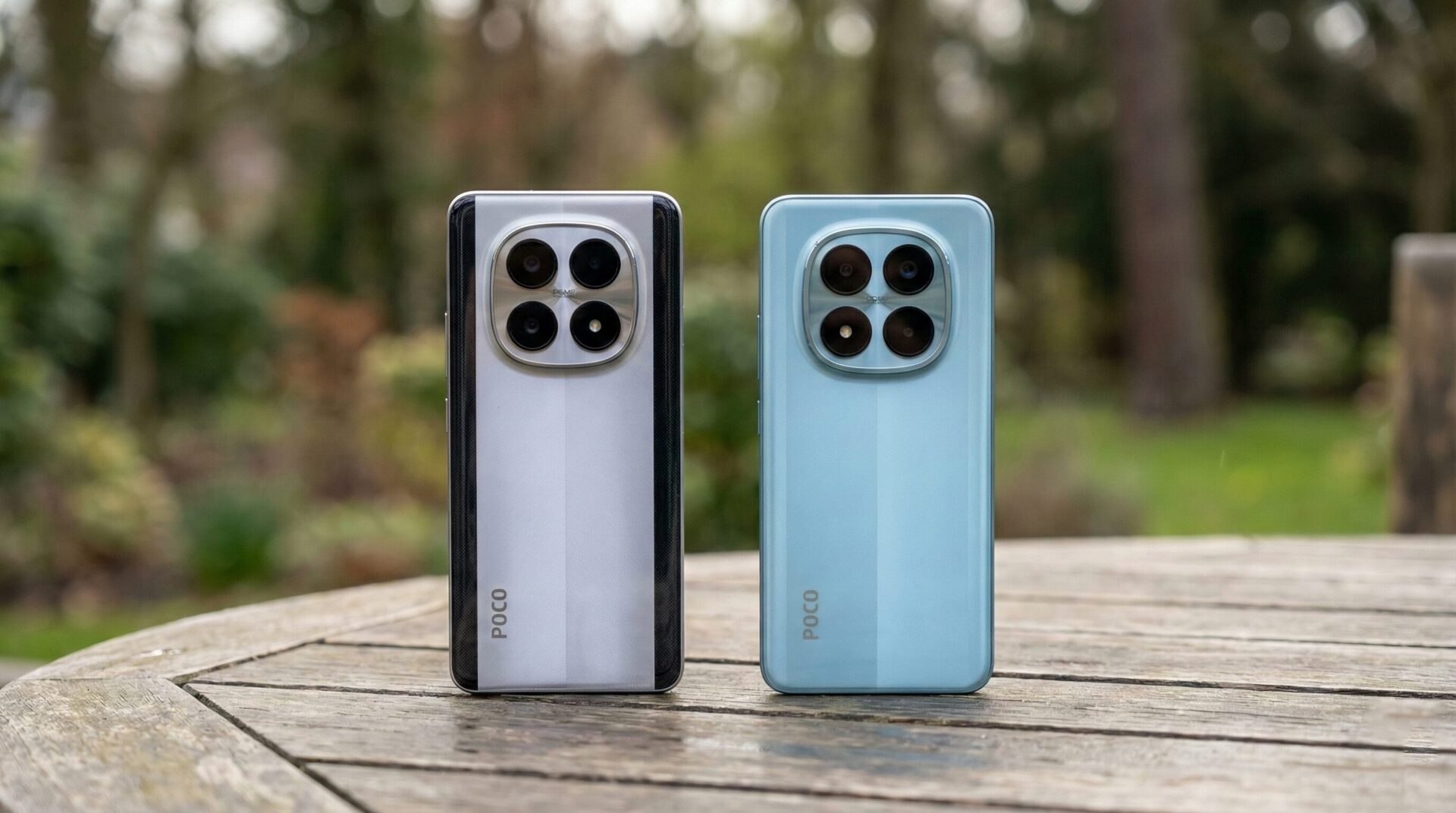
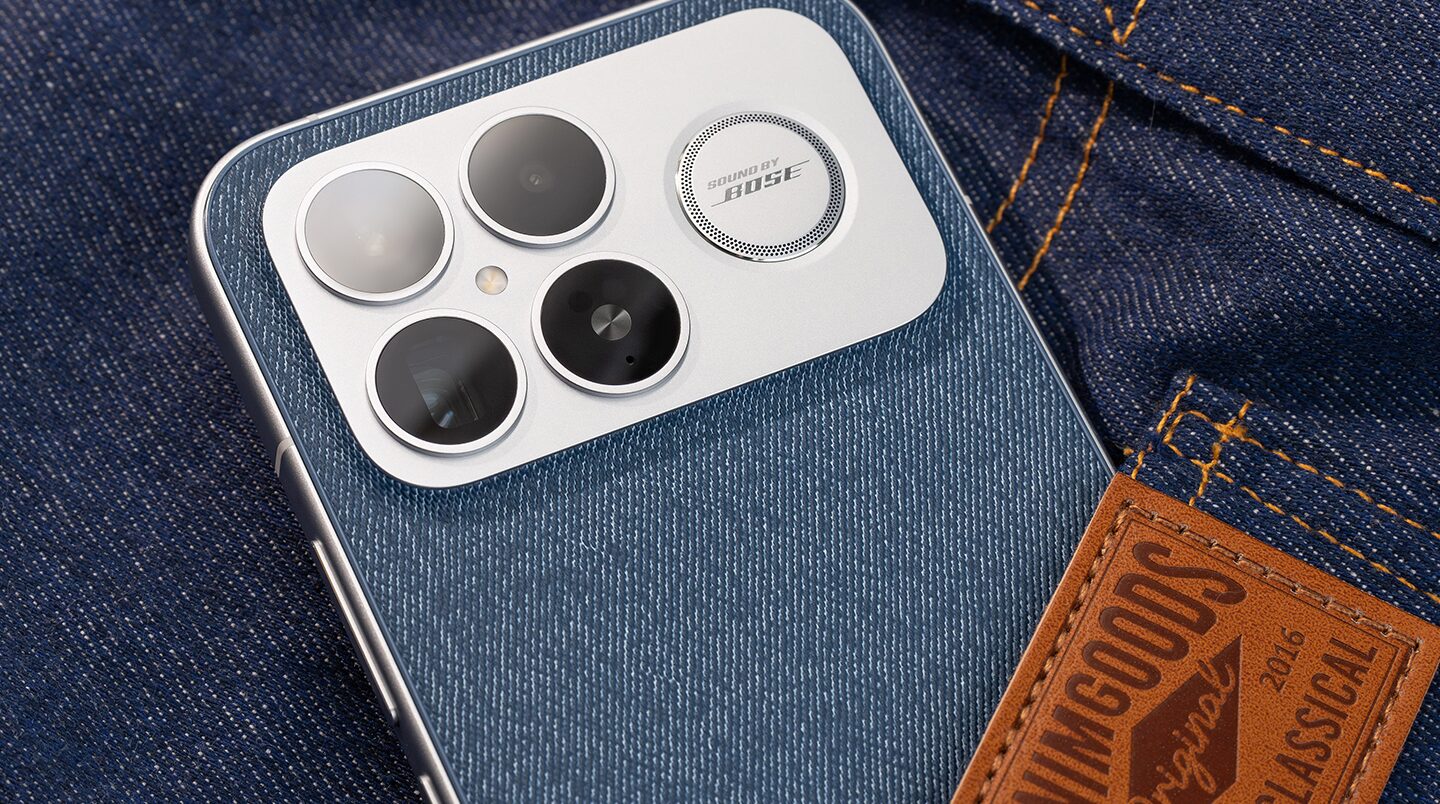
In certain POCO cameras, the Deco is also involved in thermal management, serving as a passive heat sink plate that is then cooled by internal components. This is why POCO camera modules appear to be larger and more rugged.
Redmi’s Well-Rounded Strategy
Design-wise, Mi is positioned in-between Xiaomi and POCO. Mi Deco designs are relatively simpler and symmetrical. This is for ease of use and cost-effectiveness. Having cameras aligned at the center is also common, providing balance when placed on a surface.
Although it has been more holding back, Redmi Deco range may take inspiration from the high-end offerings of the brand like vegan leather or metallic finish to give a premium feel when it comes to mid-range offerings.
Materials and Manufacturing in Deco
The current Xiaomi Deco modules are made employing advanced manufacturing technology. CNC machining, cold carving, and surface hardening are implemented to make it durable as well as consistent in terms of look. The Deco section is the most prominent area in a smartphone, so scratch resistance and strength become very important in this regard of these products by Xiaomi.
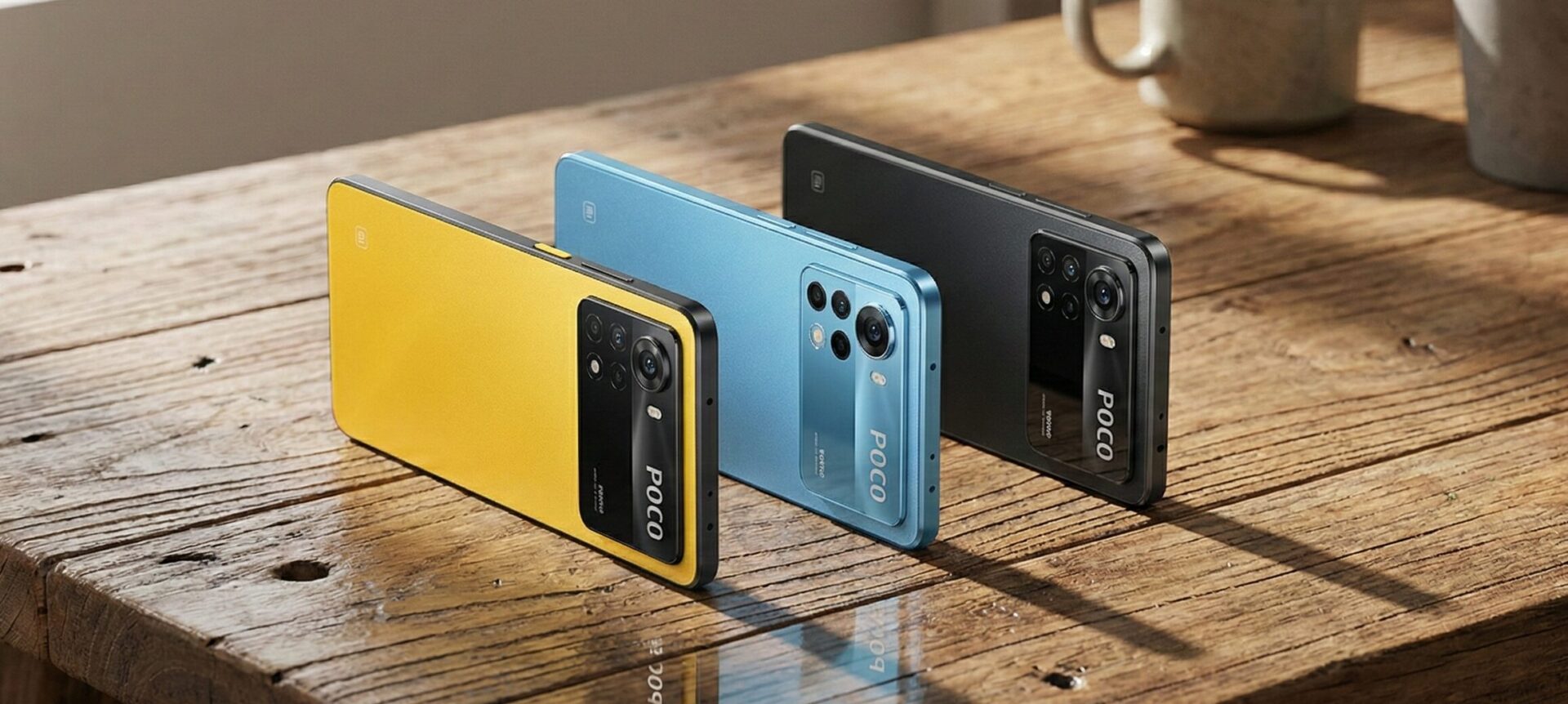
In performance-oriented models, the Deco materials may also be beneficial in Heat Dissipation, which will be very helpful in handling high workloads such as gaming or video recording.
Why Deco Matters to Users
For consumers, Deco is more than just a design feature. Deco goes on to influence the overall feel of the mobile device on a desk, how it feels when in hand, as well as how it is perceived with regards to its overall quality. A good Deco design is an indicator of the primary feature of the mobile device it holds.
Within Xiaomi mobile phones, “Deco is a strategic design architecture, not simply a camera design.” This design approach integrates protection, engineering, and visual communication into “a single module or device, known as a mega device.” Within Xiaomi smartphones, Deco is used for highlighting “imaging authority,” POCO is known for its emphasis on “power and performance” and its “mechanical designs,” while Redmi is recognized for its emphasis “on balance and functionality.”



