


The strategic role of regional software variations has become increasingly important for Xiaomi users seeking long-term stability, functional freedom, and consistent performance. With hardware capabilities usually dominating decision-making, such as processor efficiency, camera sensors, and display quality, the software layer defines the daily user experience. Indeed, many experienced Xiaomi users have cited the Taiwan (TW) Global ROM as their main criterion, as it is generally seen as a perfect balance between customization, privacy, and functional completeness.
Understanding Xiaomi’s Regional Software Ecosystem
Xiaomi does this by deploying a variety of ROM types in the global markets for conformation to local regulations and device alignment with user expectations. Therefore, the variety of ROM types differs not only in language support or pre-installed applications but also in the rules of privacy, the behavior of dialers, and security settings. This form of a multi-layered software distribution model allows Xiaomi to make perfect adaptations without necessarily touching or tampering with the core hardware framework.
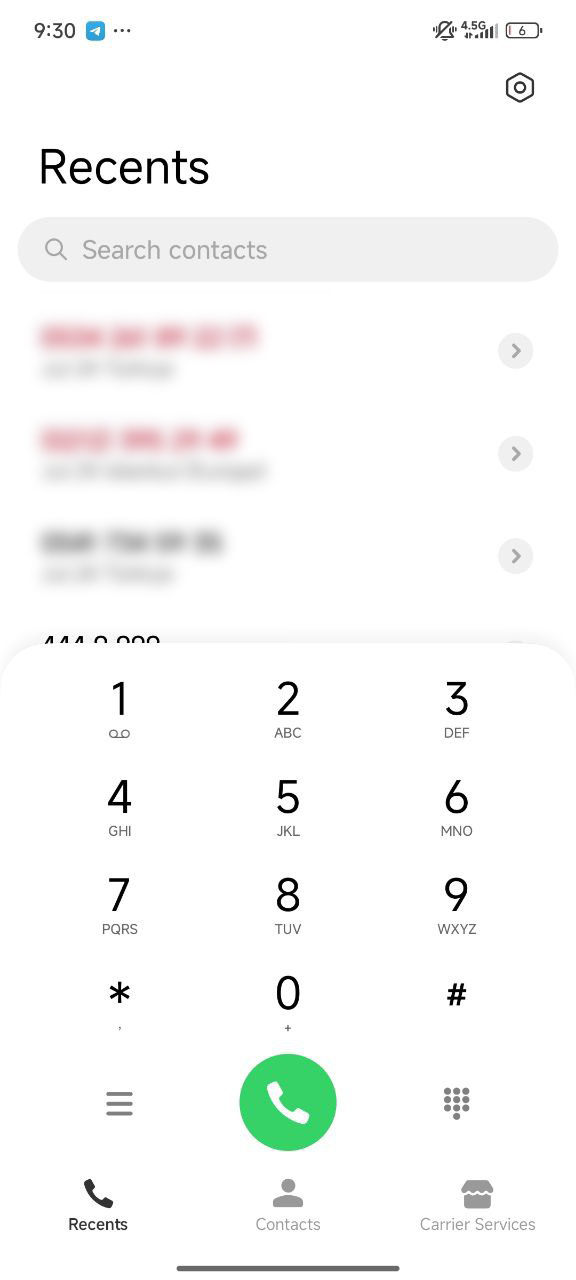
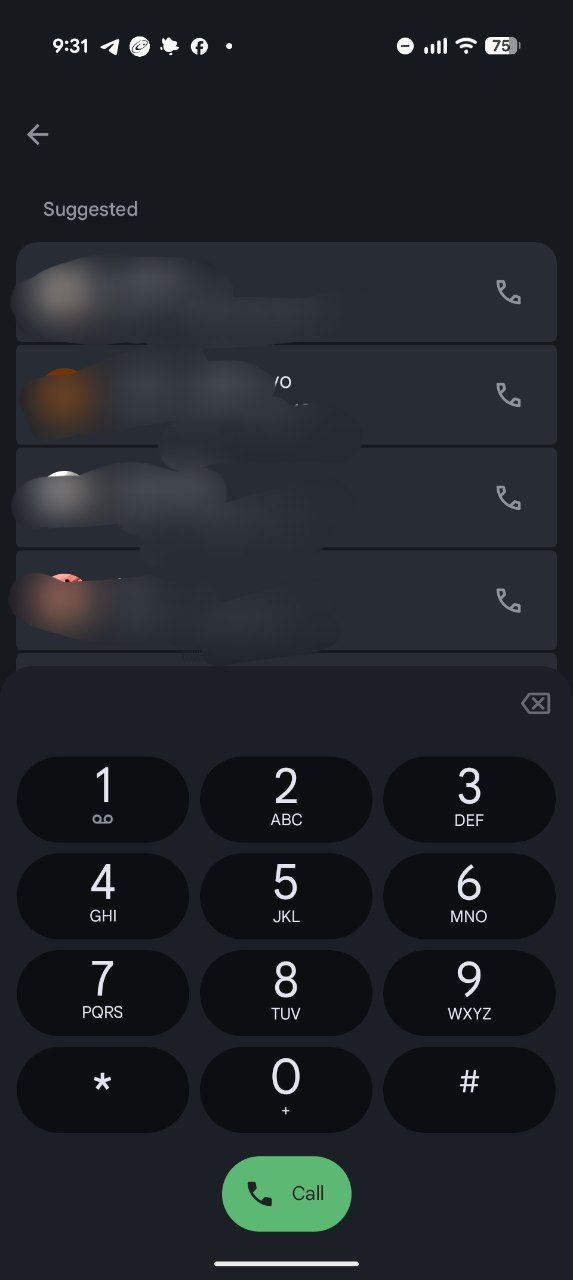
Technically, regional ROMs do share the same skeleton, but they differ in terms of communication applications, network settings, and update policies. For example, Global and EEA ROMs use Google’s communication suite, as required by law, while China and Taiwan variants stick to Xiaomi’s native dialer. As a result, the Taiwan ROM presents an interesting mashup: fully compatible Google services with Xiaomi system-level apps means one gets to experience HyperOS more cohesively.
The Taiwan ROM Advantage in Daily Communication
But the starkest contrast is in the communication tool category. Google’s Dialer, which comes compulsory on a number of regional ROMs, introduces audible call-recording alerts such as “This call is now being recorded” for compliance. These alerts break professional or personal workflows. Silent call recording is retained on the Xiaomi Dialer found on the Taiwan ROM, along with enhanced T9 search, and design consistency to interface and system-level audio handling.
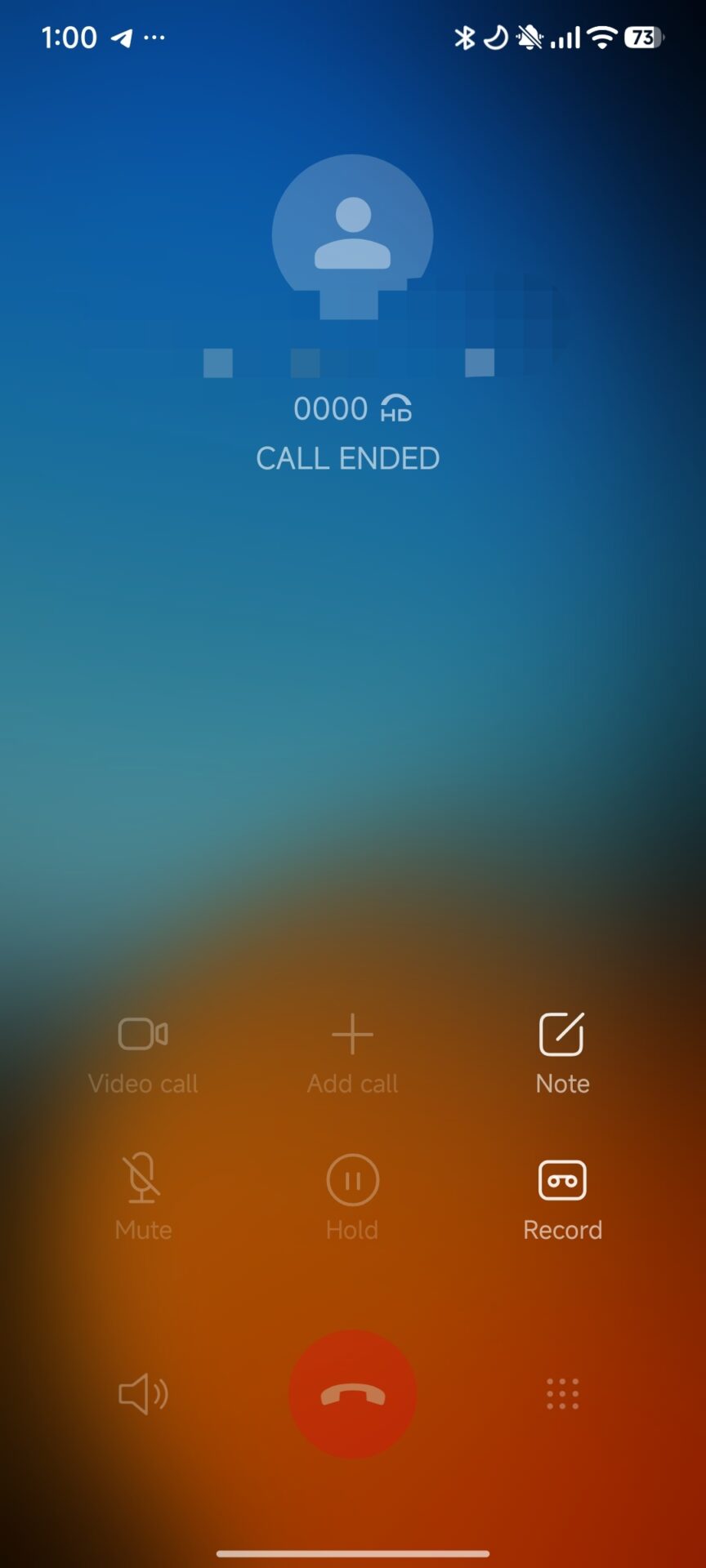
This can be particularly useful for users who often engage in business discussions or need secure documentation of conversations. Recordings are stored in system directories, easy to access, and allow for easier archiving and data management. Interface elements also fully align with the interface language of HyperOS, strengthening overall UI consistency.
Technical comparison of Taiwan ROM versus Indonesia
Though both regions retain Xiaomi’s native dialer, the biggest differences come in terms of update cadence, system cleanliness, and regulatory obligation. Taiwan is considered a premium-grade software distribution region; HyperOS updates are faster, security patches more stable, and third-party pre-installed applications fewer in number.
Indonesia ROM includes various local e-commerce and media apps, which are required by the market demand. Taiwan ROM has a more lean, minimum, and professional software build with less background activities, which supports smoother transitions between major HyperOS releases. This is repeatedly emphasized in community benchmarks and user feedback.
Optimize the performance of HyperOS under Taiwan ROM.
HyperOS introduces a new and improved rendering engine with advanced memory scheduling and a performance framework per Xiaomi’s “Alive Design” principles. These optimizations work more consistently on the Taiwan ROM since there are lesser regulatory restrictions and fewer modifications due to Google’s ecosystem policies.
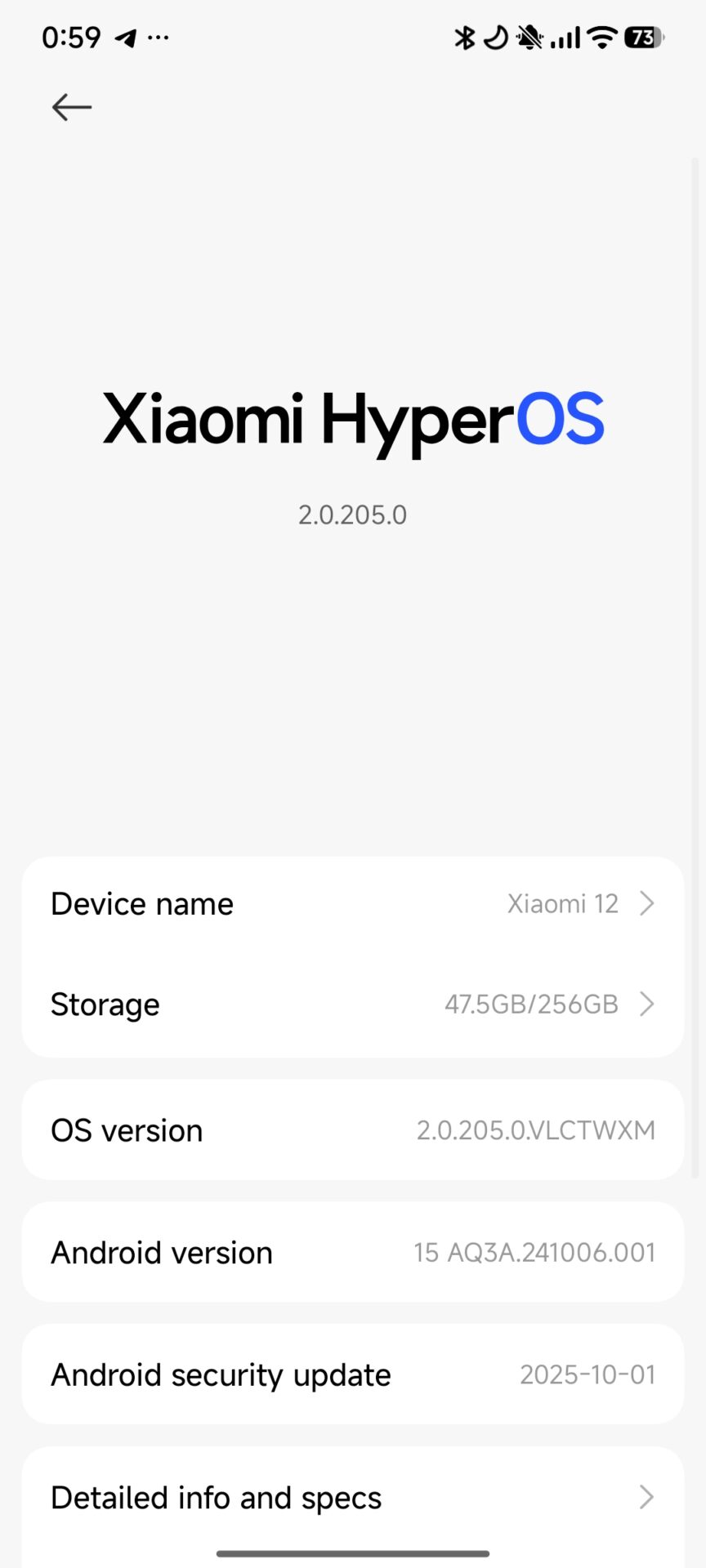
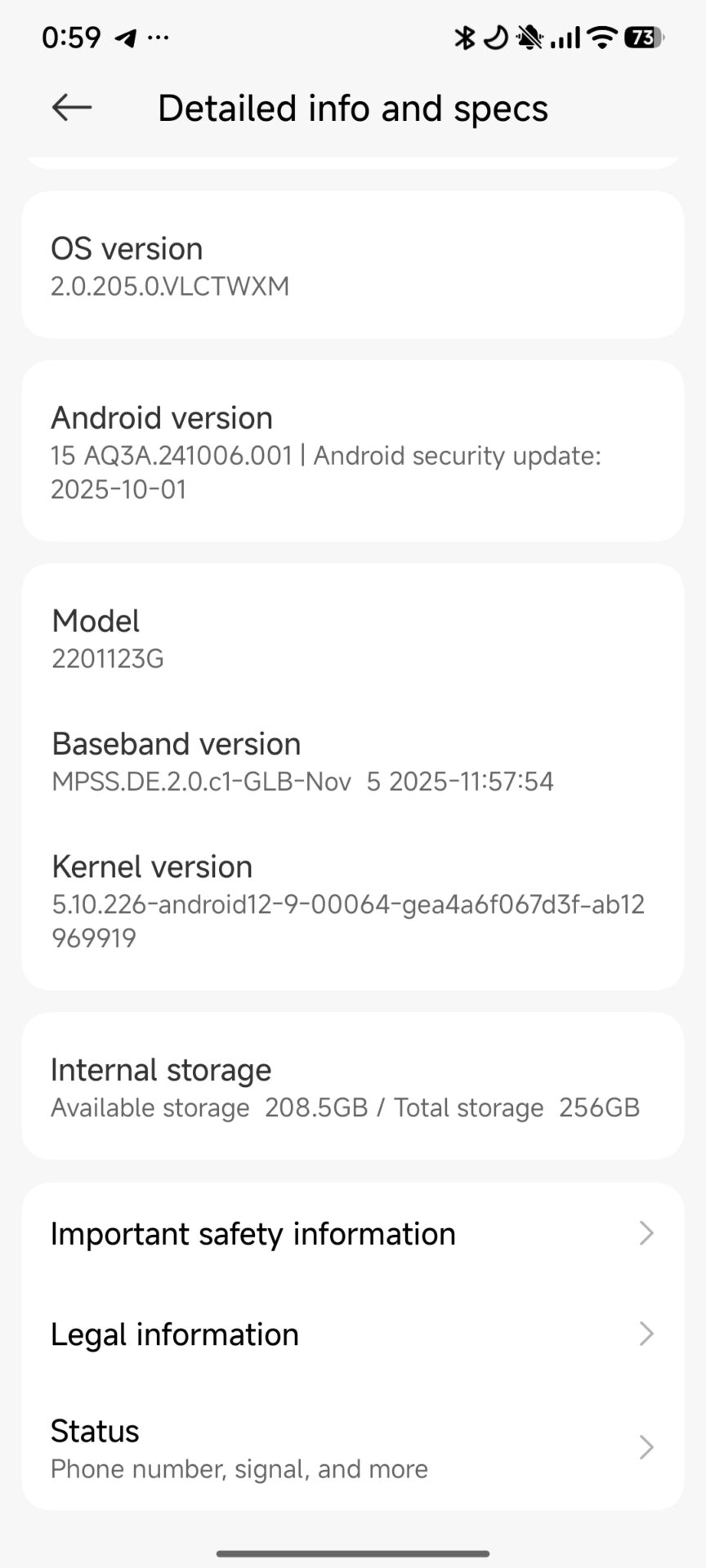
The result is an interface that is smoother, the performance of the standby power is more stable, and the effective use of resources. Besides that, making optional services like com.miui.analytics and com.miui.msa.global unavailable through usual ADB methods doesn’t sacrifice anything about the system’s functionality and provides even greater freedom to the user.
Security, NFC Payments and Compliance Integrity
Taiwan is a region with a highly adopted NFC-based payment. Due to this, it pushes Xiaomi to keep the operating system in rigorous compliance with Google Play Integrity and financial security protocols. Devices running with Taiwan ROMs—purchased in Europe later and cross-flashed—retain full NFC payment compatibility, a situation that extends further to banking applications, encryption frameworks, and biometric authentication. Such stability makes the Taiwan ROM’s reputation quite strong as secure and dependable global-grade software.



