
 Emir Bardakçı
Based on the architectural changes observed in the recent HyperOS 3.1 rollout, Xiaomi is executing a phased deprecation of its legacy code infrastructure. While HyperOS 3.1 initiated the removal of the MIUI SDK in select system modules (specifically Weather and Gallery), the upcoming HyperOS 4—projected for release in August 2026—is engineered to be the first strictly “Zero-Legacy” iteration. This release targets the complete eradication of residual code accumulated from MIUI 1 through HyperOS 3.
The “Zero-Legacy” Protocol
HyperOS 3.1 serves as the transitional bridge, introducing the native HyperOS SDK alongside the deprecated MIUI SDK. HyperOS 4 is expected to finalize this migration by removing the backward-compatibility layer entirely. This shift eliminates over a decade of redundant function calls and unoptimized dependency chains, technically positioning HyperOS 4 as a distinct operating system rather than a MIUI derivative.
Rust + Flutter Framework Expansion
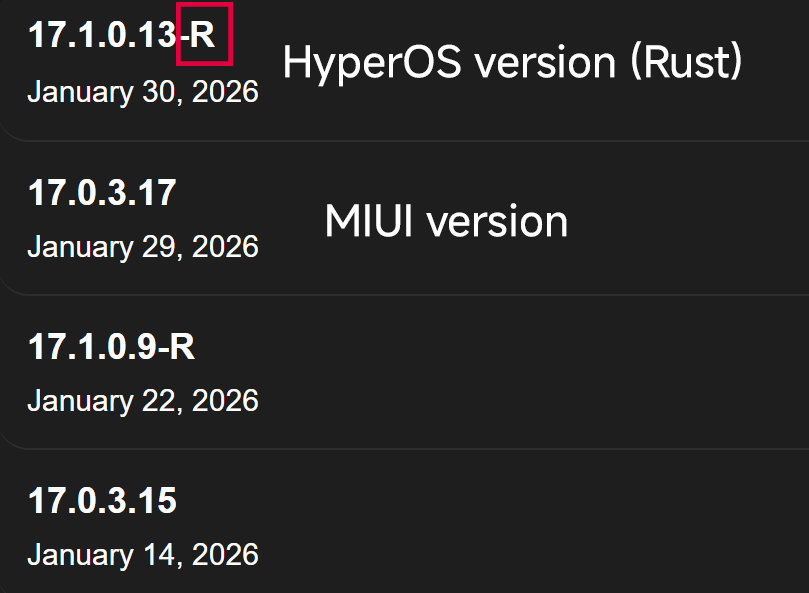
The rewriting of core system applications using Google’s Flutter toolkit and Rust, currently piloted in HyperOS 3.1, signifies a move toward modular application architecture. By utilizing Flutter’s engine, HyperOS 4 aims to standardize UI rendering and logic stability across the system partition, replacing the fragmented Java/Kotlin legacy structures found in previous MIUI builds.


Bad news for old HyperOS users
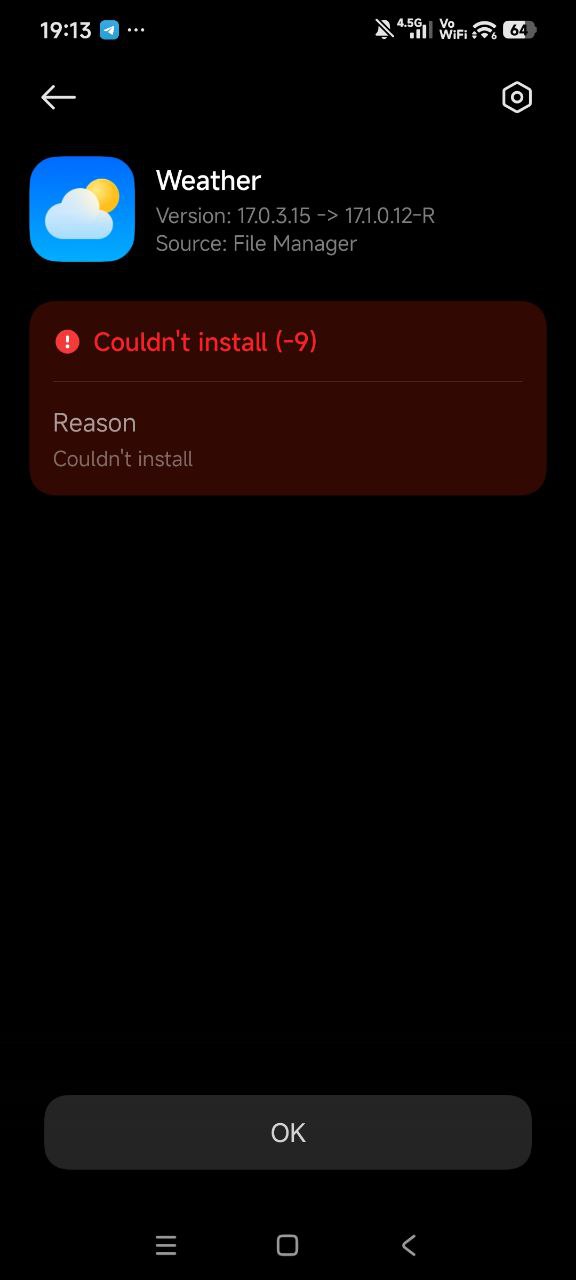
HyperOS users could install new HyperOS version applications on their phones and gain new features even if their phones were EOL. The situation of rewriting Flutter-based applications starting with HyperOS 3.1 will disrupt this habit of HyperOS users. This is because the new Flutter-based applications will not work on HyperOS 3 and older versions.
Hardware-Specific Performance Delta
The removal of technical debt creates a bifurcated performance impact. Flagship hardware (e.g., Snapdragon 8 Elite architectures) will register nominal gains due to existing overhead capacity. Conversely, entry-level and mid-range devices will experience the most significant performance throughput. The elimination of heavy legacy processes directly addresses the resource bottlenecks that historically degraded performance on budget silicon and RAM crysis.


when i poco x6 pro 5G get hyper os 3 region indonesia?
We should already have hyperOS 3, which I am still waiting for in France, before considering anything about hyperOS 4.
Hello 👋 Xiaomi, does that mean that my redmi note 13 4g snapdragon 685 will get the hyperos 4 pls do well to treat as urgent thank you.
Poco F6 Hyper3 ?? Xiaomi promised it for November-December, but it’s already February :((( No information, updates are constantly delayed, they don’t appreciate their customers :(( This was my last phone from Xiaomi :((
But with the Redmi Note 13 Pro 5G Global version, we are still waiting for hyperOS3, but people are already talking about hyperOS4?
Hopper 3 update is not on time, can’t you see you’re talking about Hyper 4?
Are Aabhi, Hyper OS 3 is not coming on my Poco X6 Pro and you are talking about Hyper OS 4.
when my redmi note 14 4g get hyperos3 global varrient 🥺
This article is especially helpful for the Chinese users, as OS 3.1 is nearing obsolescence for many in that region. Meanwhile, global users who haven’t yet received OS 3 might need to wait around two years, to get OS 4 and there’s no certainty they’ll receive it even then.
This article is especially helpful for the Chinese users, as OS 3.1 is nearing obsolescence for many in that region. Meanwhile, global users who haven’t yet received OS 3 might need to wait around two years, to get OS 4 and there’s no certainty they’ll receive it even then.
wdym hyper os4 we still don’t have os3 in most devices 😭
does the redmi 15c 4g 6/128 variant get hyper os3 (in the Indonesia region) ????
Poco f4 hyperos 4 Update again for official
Welcome to Gboard clipboard, any text that you copy will be saved here.
when will I get hyperos 3 on my poco X6 pro ,india
People should relax a bit. Who cares what OS you have, LOL. It’s all, more or less, the same crap. I have RN13 Pro 5G and no plans to update to HyperOS at all. No need. Same crap.
I am eagerly waiting for HyperOS 3 update for my Redmi Note 13pro+ 5g phone…..and ironically talks are around Version 4 now…… regional partiality
This is good news specially for people who have china ROM. Global version is not good you have to wait sooo long to get the update. My first china ROM Xiaomi 17 pro max I love it and the updates are so fast so anyone who wants faster updates on Xiaomi go for china version I have no problem so far.