
 Emir Bardakçı
The shift to an Android-based HyperOS 3 sparked, for many Xiaomi devices, one question: Why can’t all devices get it on the same day? Although Android’s modular systems, like GSI, GKI, and Project Treble, cut down time spent to enhance firmware compatibility, real-world deployment requires model-specific engineering, testing, and coordination with vendors. These layers make simultaneous rollout technically unfeasible.
Understanding the Complexity of Android Modularization
Modern Android architecture decouples the system framework from vendor components, but it doesn’t remove deep dependencies altogether. Xiaomi needs to make sure new Android requirements align with their legacy HALs. Even slight mismatches in versions of camera HAL or modem interfaces can block an OTA update from installing. This means each device requires a manual verification, and thus, a uniform release date is simply unrealistic.
Why GSI and GKI cannot deliver same-day updates
Generic System Images and Generic Kernel Images are designed for testing and baseline compatibility, not for consumer-level deployment. Imaging, thermal regulation, network provisioning, modem behavior, and AI camera processing all rely on proprietary modules on Xiaomi hardware that do not exist within a pure GSI build. Each of those needs to be reintegrated and validated for HyperOS 3.
HyperOS Architecture Extends Beyond Stock Android
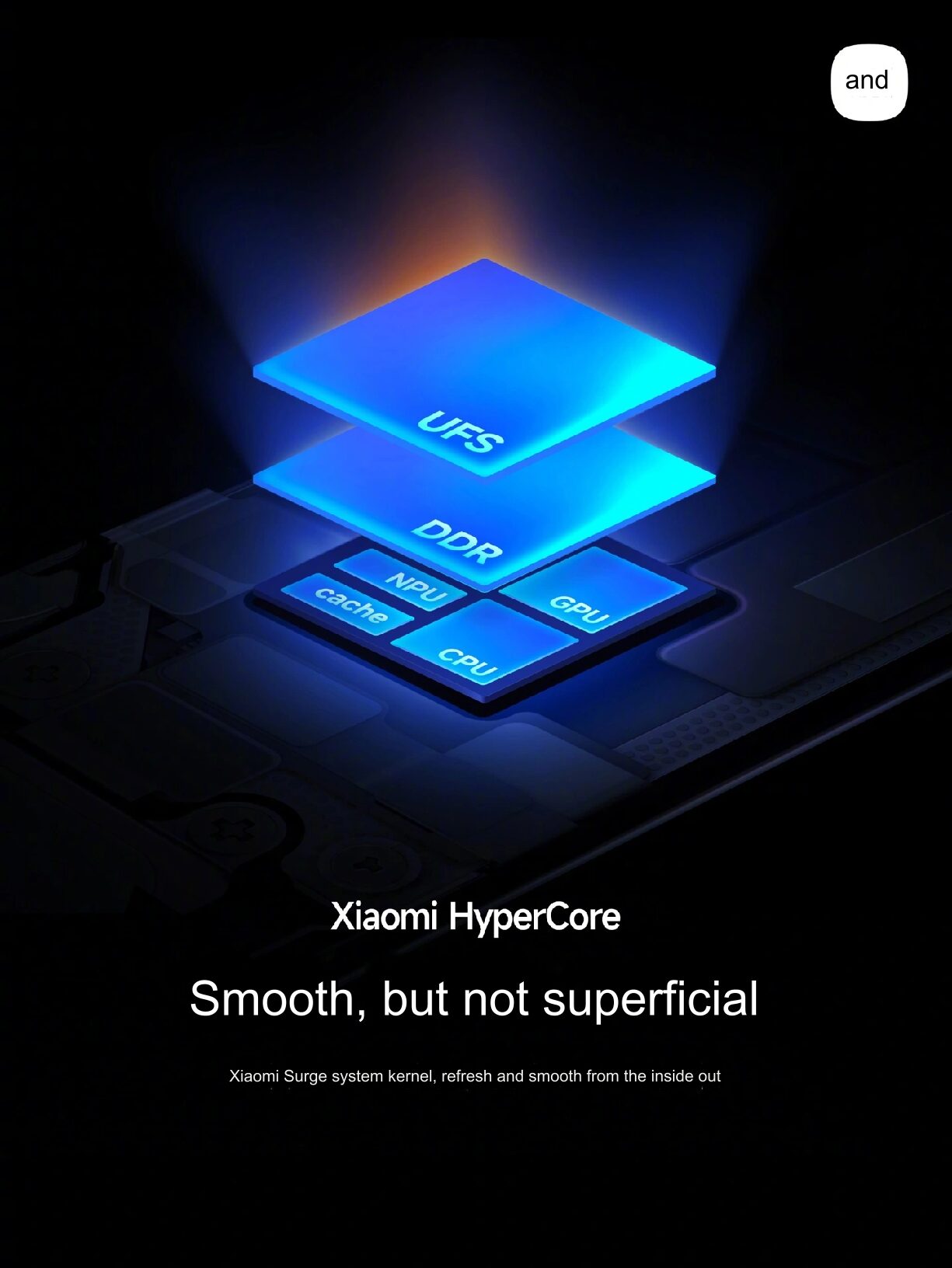
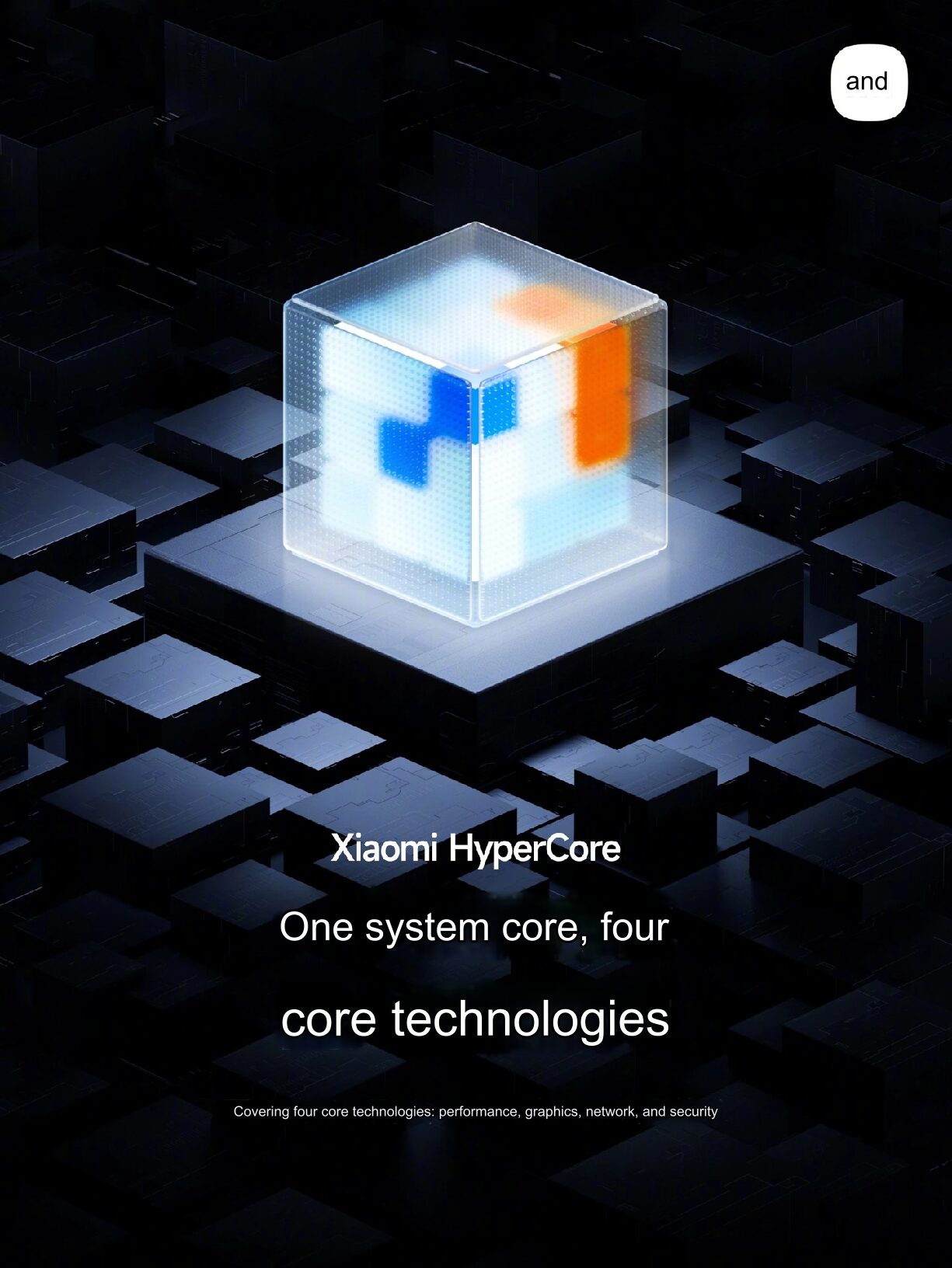
HyperOS is not a mere skin on top of Android. It embeds Xiaomi’s Vela micro-kernel technologies, the HyperOS ecosystem framework, and the HyperCore scheduling system. These proprietary layers demand extra engineering every time Google modifies Android APIs or kernel structures. A new Android version could mean rewriting and retesting thousands of lines of middleware across phones, tablets, wearables, and IoT devices.
Cross-Device Ecosystem Testing Expands the Update Timeline
HyperOS allows for real-time syncing across phones, tablets, and TVs—smart home devices, too. Whenever Android tweaks Bluetooth or Wi-Fi behavior, Xiaomi is forced to revalidate its whole interconnection protocol. That’s a recipe for blowing up your testing matrix—and a major block to mass deployment. Reliability across the ecosystem trumps speed.
Vendor, Certification and Regional Factors Extend the Process
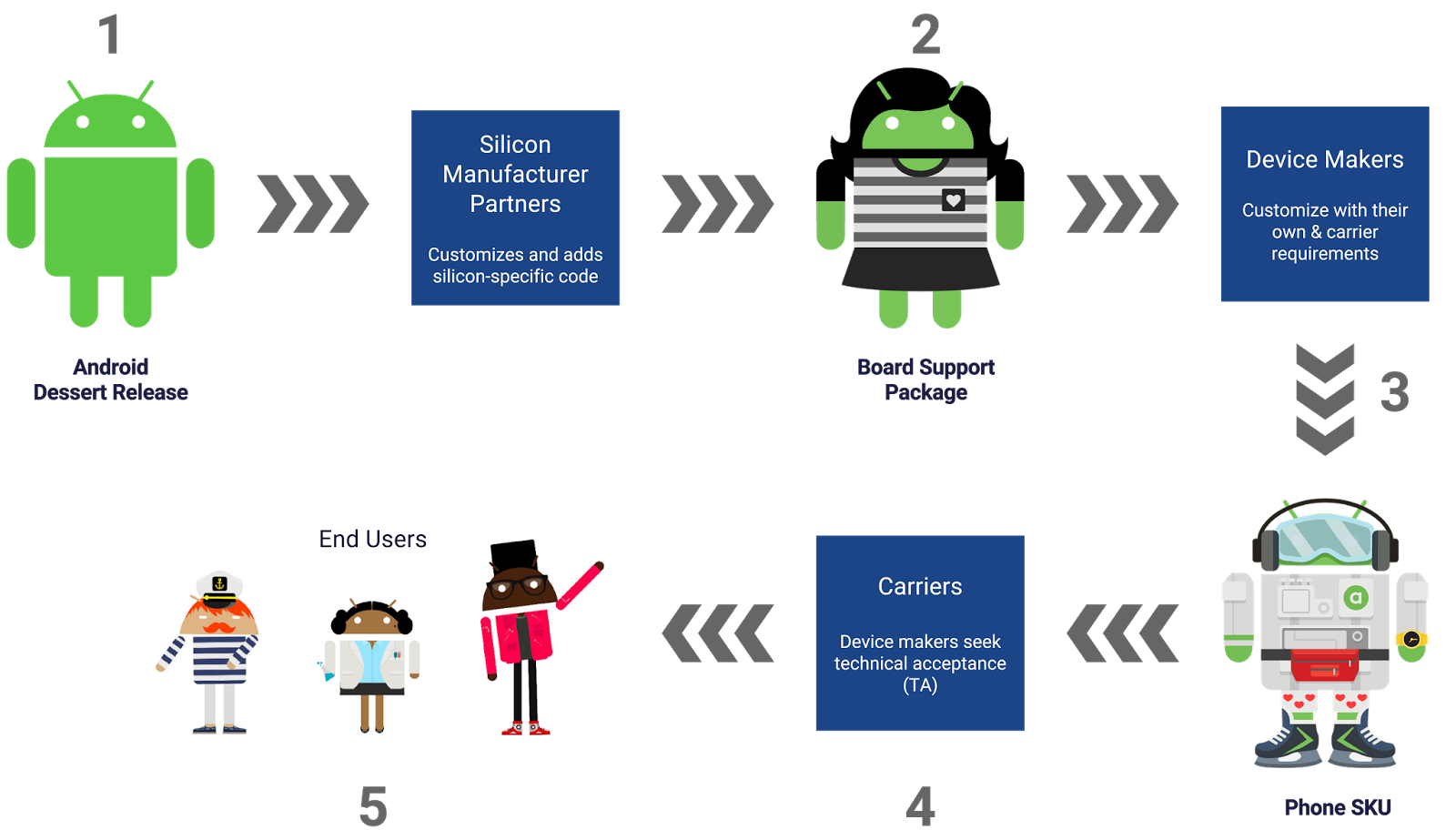
Every chipset, be it from Qualcomm or MediaTek, needs updated Board Support Packages before Xiaomi can start working on customizing HyperOS. Once BSP integration is complete, devices will need to undergo Google Mobile Services certification, so the Play Store works as intended. Of course, compliance checks will vary depending on each region and operator requirement, rendering a single global rollout date impossible.

Why Flagship Devices Receive Updates First
The reason flagships receive updates before other models is not because of marketing strategy, but because their more uniform hardware configurations reduce the overall time taken in validation. Mid-range and entry-level devices require more optimization for handling memory management, thermals, and graphics layers.

This is not entirely true either! The Xiaomi 14T Pro is one of the so-called flagship phones, but it still hasn’t received Hyper OS 3. So it would be nice if they just wrote the truth.
هههههه ماذا أقول و انا عندي هاتف شاومي 14 الذي يعتبر هاتف رائد لهذه الشركة و لم يتلقى هايبراس 3 إلى الان
It’s not entirely false but it also due to Xiaomi lazyness
HyperOS 3 is just a HYPE and nothing else
I have a Xiaomi 15 Global. I’m still waiting HyperOS 3… Announced for September isn’t…
not all flagships model have received yet… my xioami 15 is not received a hyper os 3 the others have🥹
bulls…
xiaomi 14 eu region still nothing. redmi note 14, 13. members in my family always got updates before mine. I never got even hyper 2.2
that’s how Samsung is consistent and advanced in software support.
Flagship first? Then why does my father’s redmi note 12 get the updates earlier than my Xiaomi 13 pro, despite being 1 year older?
pls kindly send out OTA early redmi 14 4G GLOBAL VERSION.
The reason why the European version of a device gets updated earlier than other regions is Xiaomi’s mismanagement and the weakness of their servers, which keep users waiting for weeks. This does not apply to Xiaomi at least.
The reason why the European version of a device gets updated earlier than other regions is Xiaomi’s mismanagement and the weakness of their servers, which keep users waiting for weeks. This does not apply to Xiaomi at least.
excuses, excuses, they totally can do it. They just won’t, and don’t ever want to.
when will poco f7 will recieve HyperOS3 update?
i can’t receive
Poco F6 was supposed to be released in November or December along with the Poco F6 Pro. Guess what? The Poco F6 Pro came out in late December, but the Poco F6 was left behind. Now it’s set to receive HyperOS 3 later than usual. I’m guessing it’ll be late January instead of the following release month. It’s honestly absurd that they didn’t stick to their HyperOS 3 release plan. They made people expect it much earlier, which is just disappointing.
ich fühle mich von Xiaomi nur noch verschaukelt. Im November wurde für mein Handy das OS3 angekündigt. Nun wird schon März 26 anvisiert. Das ist pure verarsche.
Once upon a time, the owner of Xiaomi begged to buy my phones. Now buyers have to wait for the update. Most brands have updated to Android 16, but Xiaomi is lagging behind in updating its flagships. It is a really weak company in providing updates.
poco F6 5G, They promised Hyper OS 3 last October. Since then, they have been delaying it. However, it is eligible for 3.1 and also for Android 16.
tout a fait d’accord avec les écrits de mes collègues par esque vous été très compliqué avec vos mise a jour a la can qui n’ai pas du tout logique vous parlez des modèles phares mon 14tpro et ressens malheureusement il traine toujours sou os2 danc veuillez améliorer votre politique sinon ya beaucoup de concurrence derieres et ils attendent que sa a bon entendeur
Agreed. The same compatibility issues come with iPhone devices. How come all their devices get updates together?
Why hasn’t the Redmi Note 13 4G NFC received the Hyperos 3 update? Please resolve this issue.