


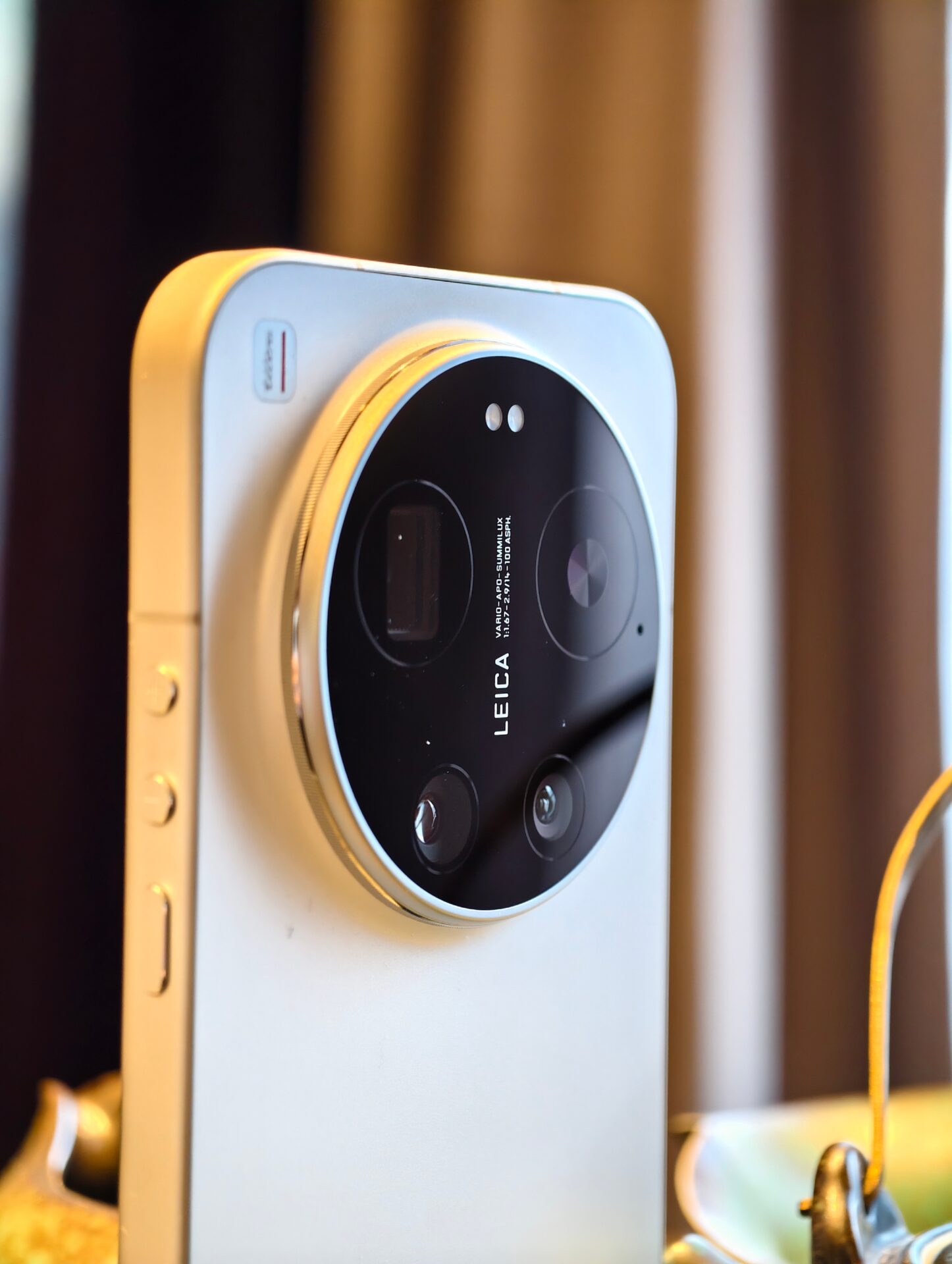
The Xiaomi 17 Ultra is also making waves in the mobile camera world with its 200MP periscope lens. Nevertheless, this huge leap in camera technology has brought forward heated discussions in the worldwide community about legal and ethical settings in the digital world. With the increasing use of extreme zoom in mobile devices, the point between professional mobile photography and mobile surveillance has become imperceptibly blurred. Researchers are currently examining how these powerful devices affect privacy standards in this current high-resolution mobile imaging world.
200MP Surveillance Grade Zoom Camera Architecture
The innovation lies at the root with the Samsung ISOCELL HP9 camera sensor measuring 1/1.4”, which makes it possible for it to capture unprecedented amounts of light. This particular innovation makes it possible for the smartphone to incorporate a ‘Master Zoom Ring’, which provides a tangible level of optical zoom with the ability to capture high-fidelity images at a distance of more than 500 meters. This makes the smartphone a tool that can break the boundaries between public and private space.
AI Improvements and the Danger of Image Hallucination
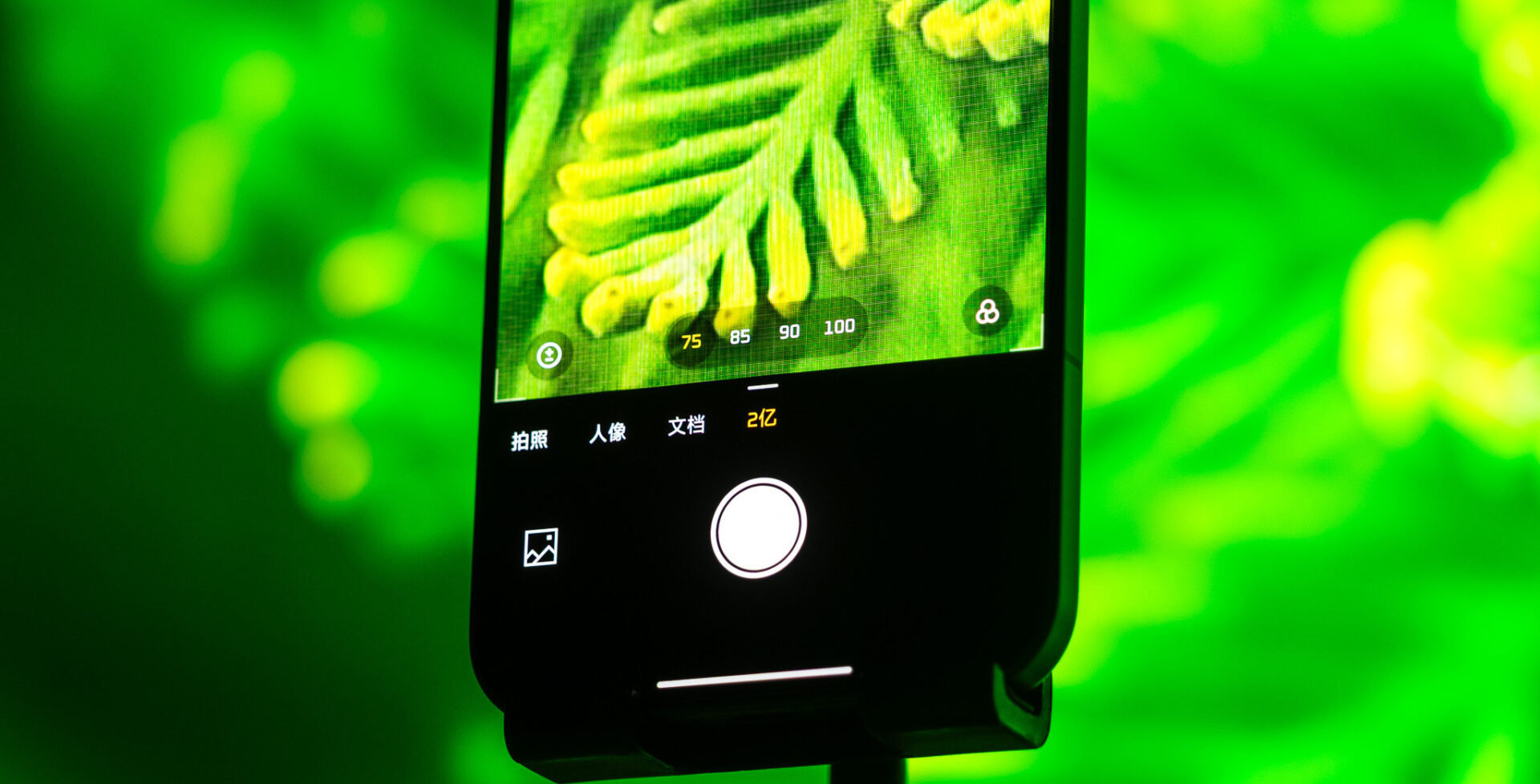
The system holds a steady 100x magnification with the help of Xiaomi HyperOS, along with AIS (AI Image Stabilization), and Snapdragon 8 Elite. Although such computer vision models are great at compensating for shaking hands, a technology called “Zoom Enhance” relies upon generative models and is known to cause “face hallucinations.”


Navigating Legal Frameworks and Global Privacy Standards
The implementation of such highly powerful hardware is causing quite a stir with regard to the GDPR and other criminal codes concerning the right to privacy. Even though it was first launched on the market in China with a price tag of approximately $1,100, the worldwide impact of such a product with regards to data protection is under close scrutiny. There is a need to ensure that individual rights are guaranteed with regards to such hardware.



