 Emir Bardakçı
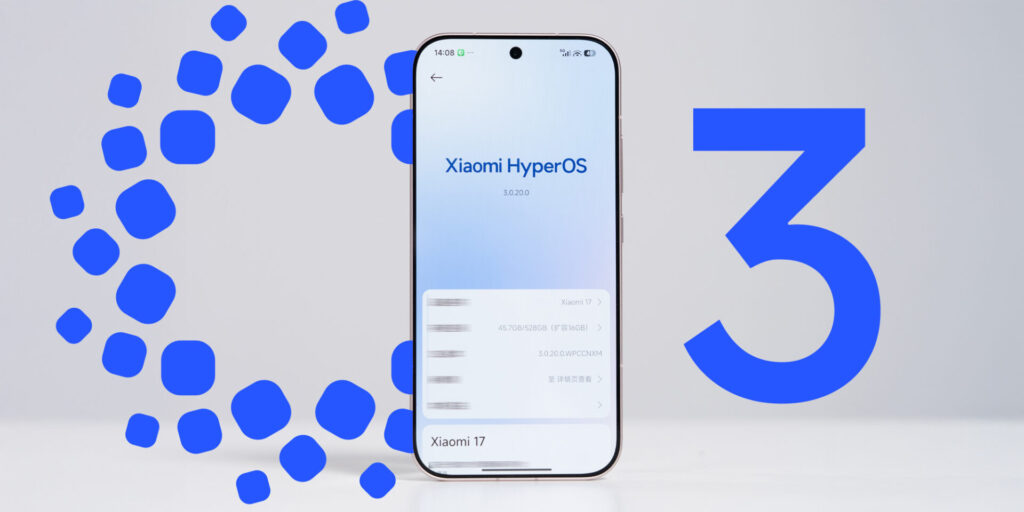
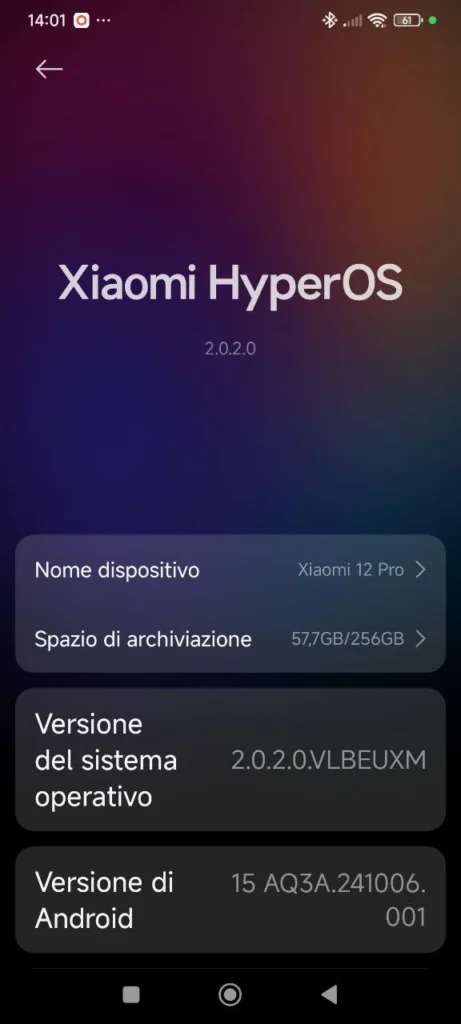
In fact, for a long time, the most popular trick among members of the Xiaomi community was the change of system region in the settings. Whether it was chasing the latest HyperOS update or unlocking a hidden function, the trick was enough to work like magic.
But why does Xiaomi release software updates selectively all over the world, and can this process be trusted every time?
Why Do Some Regions Get Updates Faster?
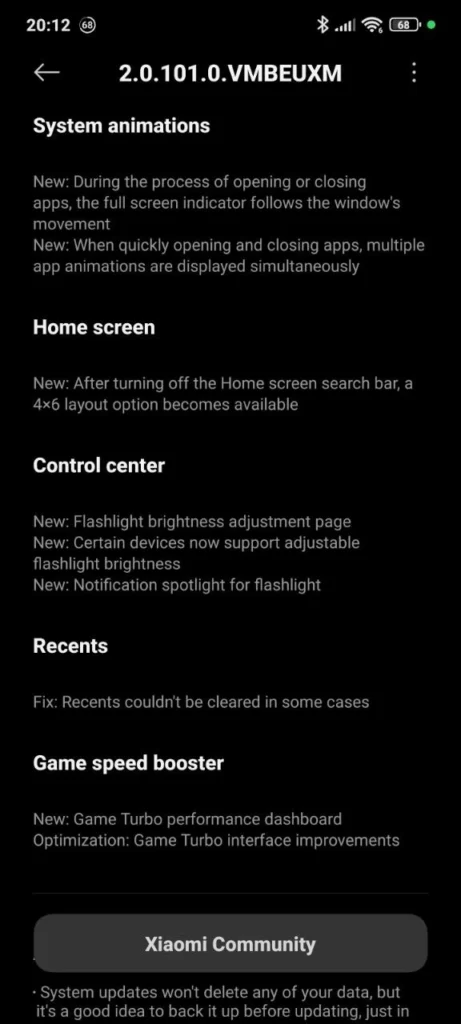
It’s a problem you often encounter: you notice users in India or Malaysia showing off a new HyperOS update when your own unit in Europe is running an outdated patch. There are many technical reasons for this:
- Staged Rollout: Xiaomi performs a staggered roll out for their updates in order to avoid failures in their servers and detect ‘show-stopper’ bugs.
- Approval for Advertising & Privacy Regulations: The EEA region has the toughest advertising and privacy guidelines. Updates for Europe take a longer time since they go through extensive testing procedures for adherence to GDPR guidelines.
- Local Feature Integration: Various regions have different system apps. For example, the India region typically has local services that require additional optimisations as compared to the “Global” (MI) variant.
- Beta Test Pools: The company, Xiaomi, usually selects certain areas as “soft launch zones” meant for testing before launching on a bigger scale.
The Benefits of Changing Your Region
1. Earlier Access to Updates
This is the main reason for which people make the transition. If there is an update available that is live in Singapore and not in the UK, then switching the region to Singapore can result in the prompt appearance of the “Update Available” notification.
2. Expanded Customization (Themes & Fonts)
In many European countries, access to Themes Store is limited either due to copyrights or data protection laws. You can unlock thousands of third-party themes, exclusive font styles, and country-specific ringtones available for India or China.
3. Hidden Features & Volume Limits
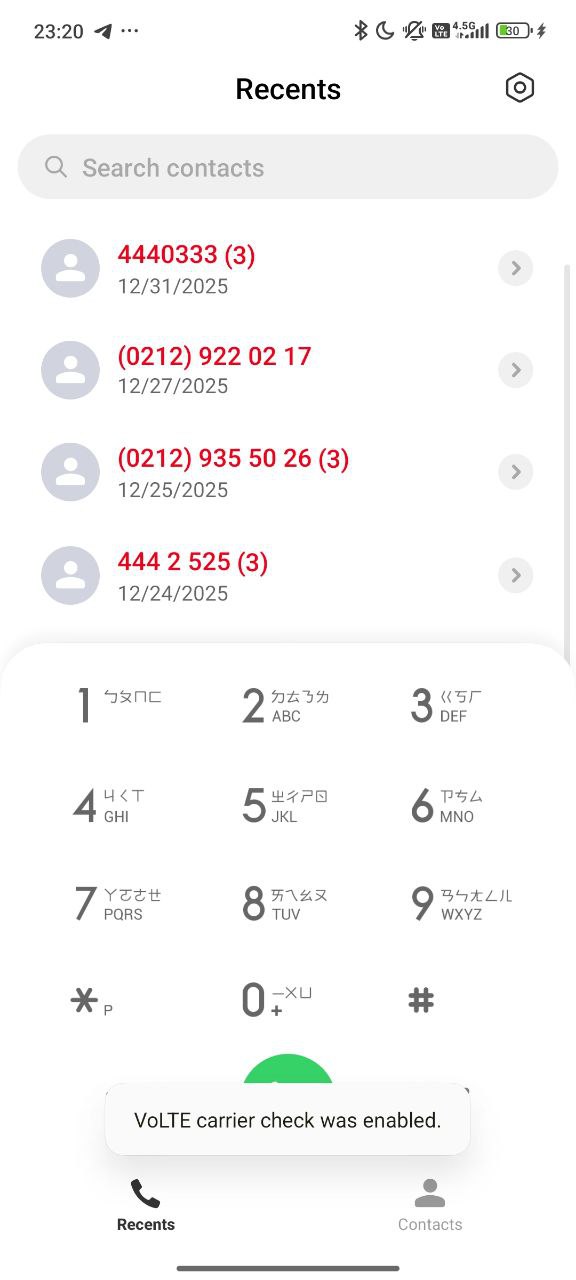
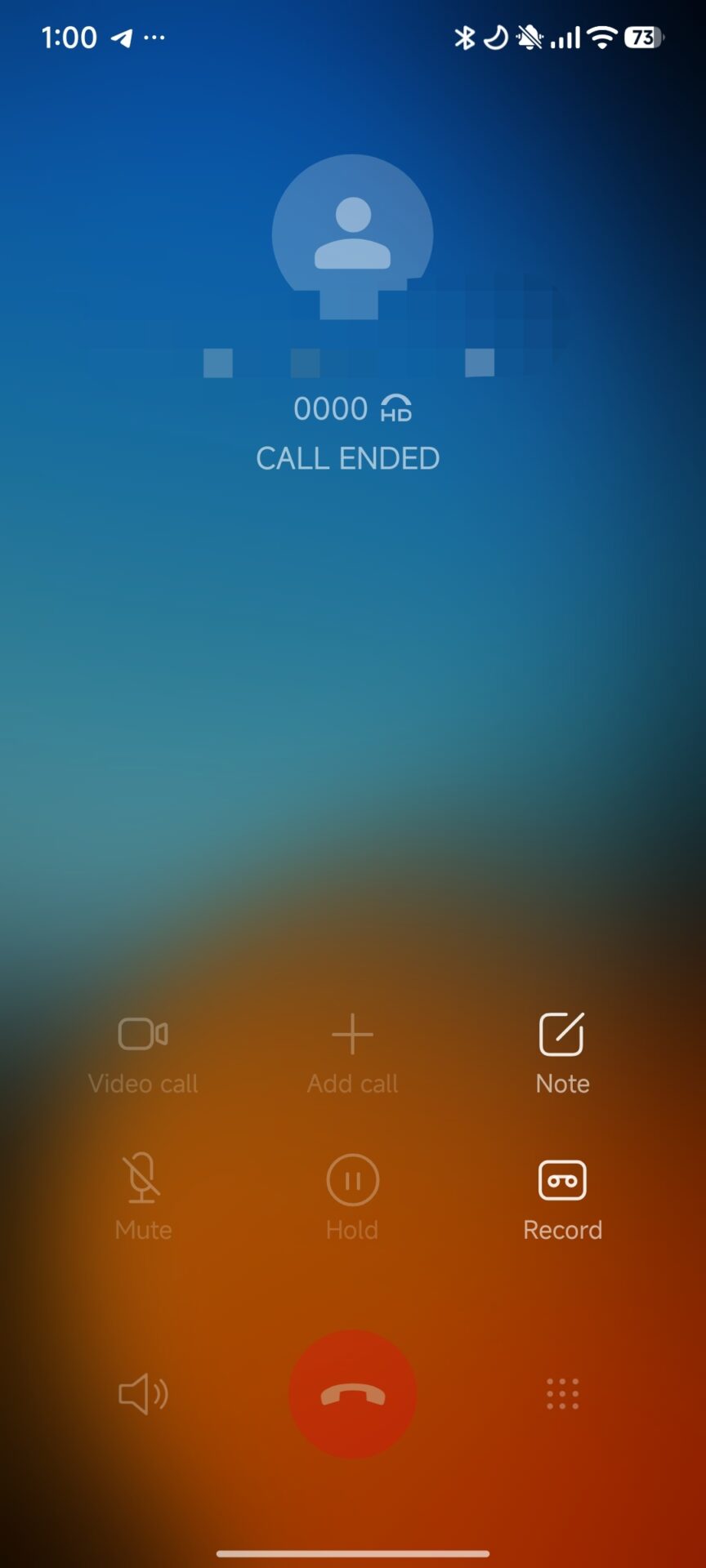
There are regions that have very strict headphone sound limits. If the maximum sound in your Xiaomi is too quiet for your liking, trying out a different region, like the Taiwan or Global, might allow you to circumvent these software-based sound limits in decibels. Functions such as “Xiaomi dialer and contacts” were, for example, limited to only a few regions in the past.
The Disadvantages: What to Watch Out For
1. More Bloatware & Advertisements
If you change your region to India, you may see more “Recommended Apps” and more notification pings on the GetApps store. Xiaomi’s way of making money is more focused on advertising in some regions, so you’ll see more “Promoted” content in system apps. India region doesn’t have NFC. Your NFC feature will gone away after switching to India region.

2. Changes in System Apps
Certain areas have local apps installed automatically (such as a local browser). Some of these can be ignored, but they consume storage space and sometimes function in the background.
3. Time Zone and Calendar Problems
Occasionally, region changes may impact your default calendar (add local holidays you don’t care about) or cause a slight desync for time-sensitive apps if your “Auto-time” setting gets confused by the region inconsistency.
The Verdict: Should You Do It?
Yes, but do it temporarily. If you were looking for a new update and changed regions to India, Malaysia, or Singapore, this is a good and easy way to “pull” the update on to your phone. If you want to switch your ROM region, follow our renaming trick guide. Then you can simply switch back to what region you’re from. Your phone will receive the update and the extra bloatware should be gone.