
 Emir Bardakçı
With MIUI 6 in 2014, Xiaomi presented a turning point in its approach to software. With its ” Visually Stunning. Stunningly Simple. ” approach to design, MIUI 6 was not merely an interface but a complete overhaul—the sort that occurs when technology meets art. To date, a decade later, the same “code vein” lives on in Xiaomi HyperOS (2025) technology that drives everything from smartphone to tablet to electric vehicles to IoT devices.
MIUI 6’s Minimalist Aesthetic and the Emergence of Xiaomi’s Design Philosophy
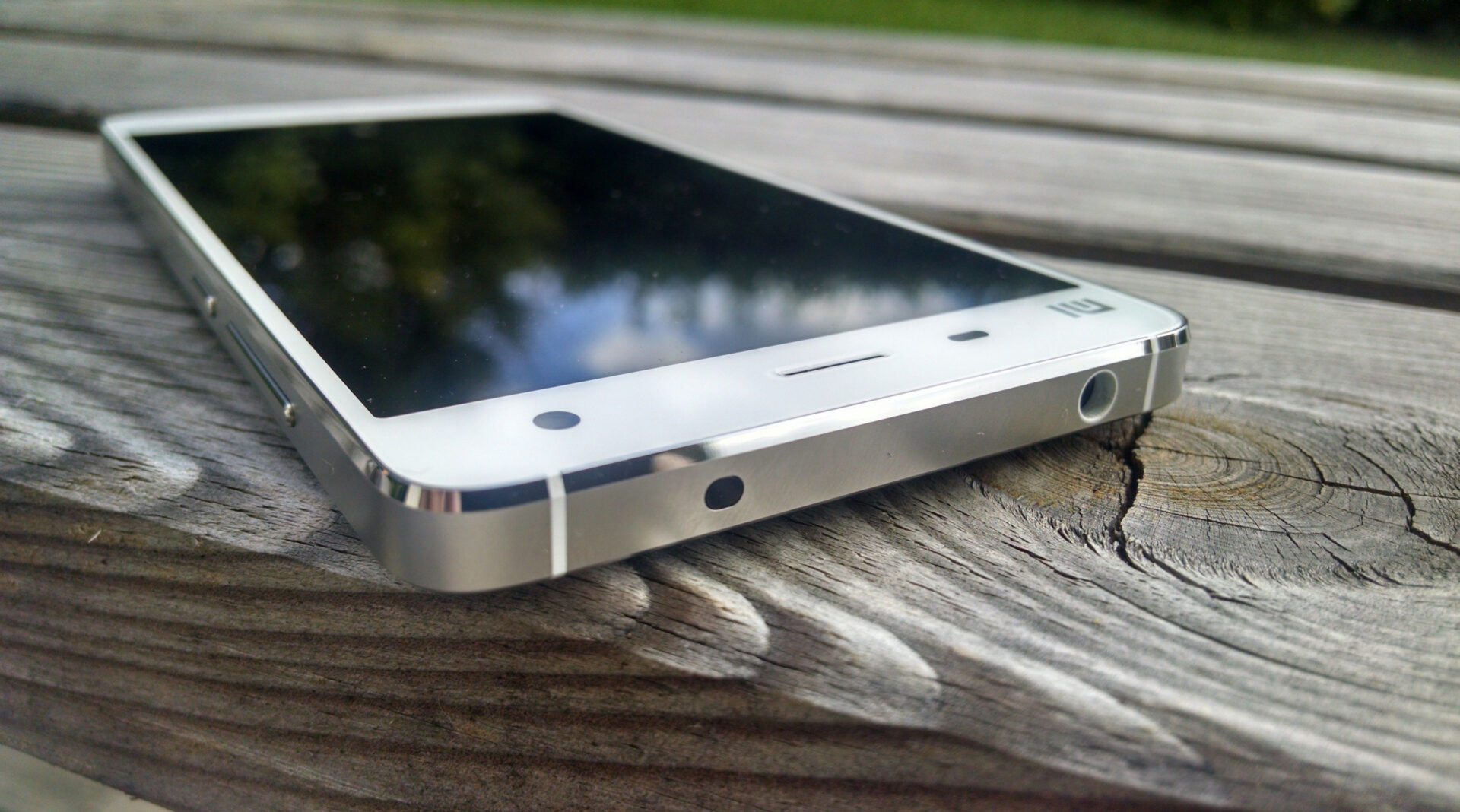
Part of the launch with the Android 5.0 Lollipop’s Material Design revolution was when MIUI 6 introduced a flat design. The following UI eliminated features like shadows, textures, or gradients if not essential. The flat design introduced to MIUI 6 was not only based on design but was based on hardware limitations since its introduction to improve GPU performance in devices like MIUI’s Mi 4.
“Less clutter, more focus”: That’s MIUI 6’s design ideology. Today, “minimal intelligence“ remains a design principle in forming HyperOS. But “minimal intelligence” has transformed itself into a more dynamic and natural user interface.
HyperOS and “Alive Design” Revolution
In 2024, Xiaomi reinterpreted its interface design language based on “Alive Design”, which was conceptualized along with famous designer Kenya Hara. Unlike MIUI 6’s static minimal design, Hyper OS seeks to make its interface “come alive.”
In these areas, the following objectives are
- Real-time rendering: Light and shadow reflection akin to glass.
- Responsive animations: Elements responding naturally to touch and motion.
- Nature-inspired colors: these are colours obtained directly or indirectly from nature.
“A perfect example” of this focus on functionality is “the new Weather app, which animates rain, sunlight, and clouds in real-time to create an immersive experience” because “it makes something informative into something aesthetically pleasing,” which increases its
The United Control Center That Withstood Time
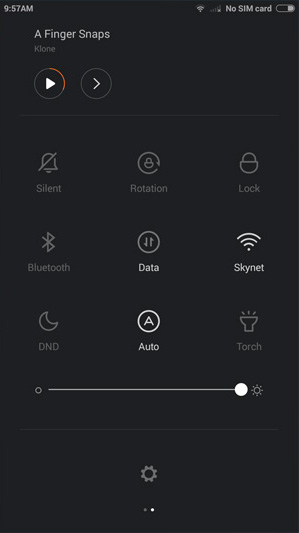
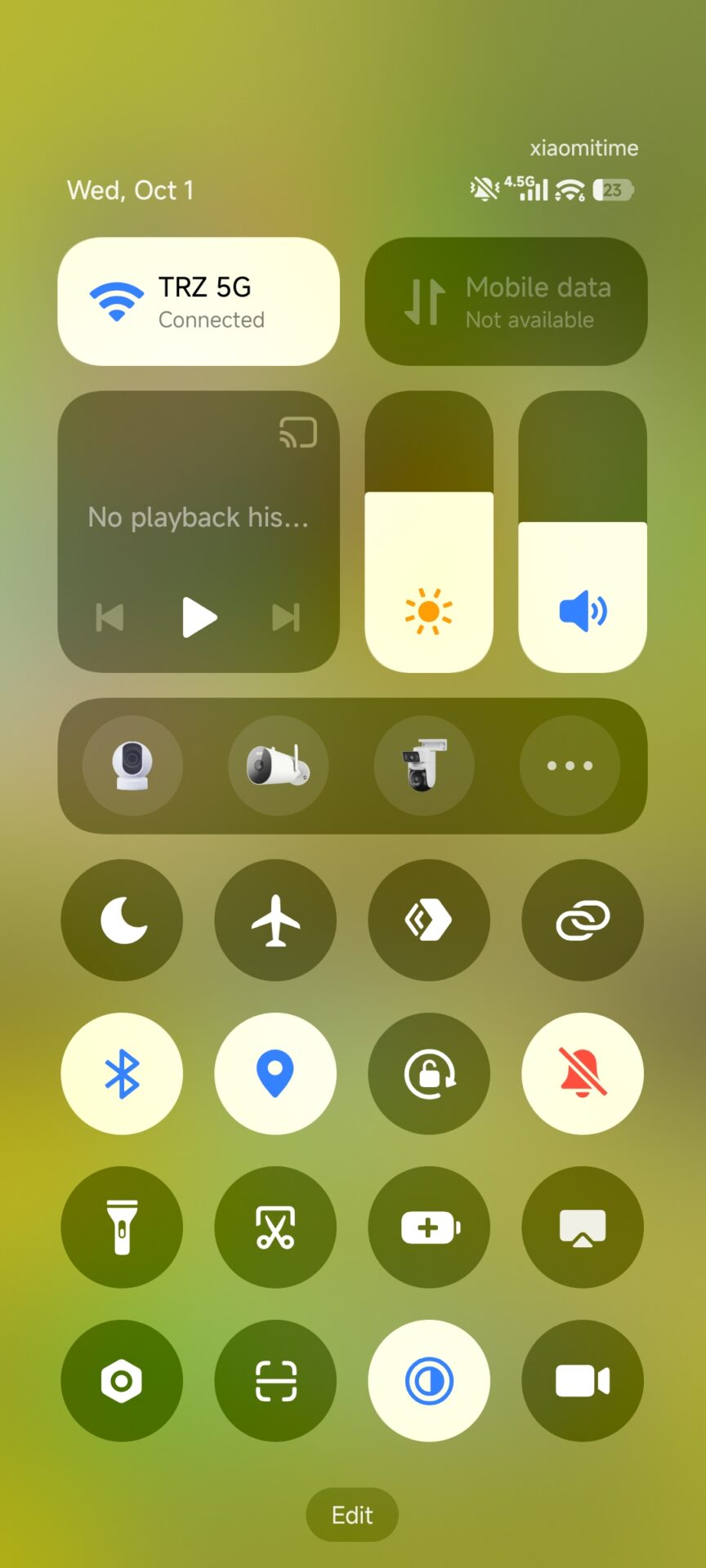
One of the most iconic features of MIUI 6 was its unified notification panel. Also, when MIUI 12 introduced a two-part interface (Notifications and Control Center), Xiaomi had a very convincing reason for doing so – 90% of users preferred it that way.
But HyperOS retains this heritage silently. Users can opt to return to the classic unified panel using these steps:
- Settings → Notifications & Control Center → Control Center Style.
And to keep its user-friendly ethos alive for those who value integrationlessness over individuation—because Xiaomi does value both innovation and its heritage—there’s a hidden feature in MIUI 6.
Security & Privacy: One of MIUI 6’s Greatest Legacies
MIUI 6 was one of the first Android interfaces to provide integral app permissions, virus protection, and app locker functionality. These features not only remain but are more advanced than ever.
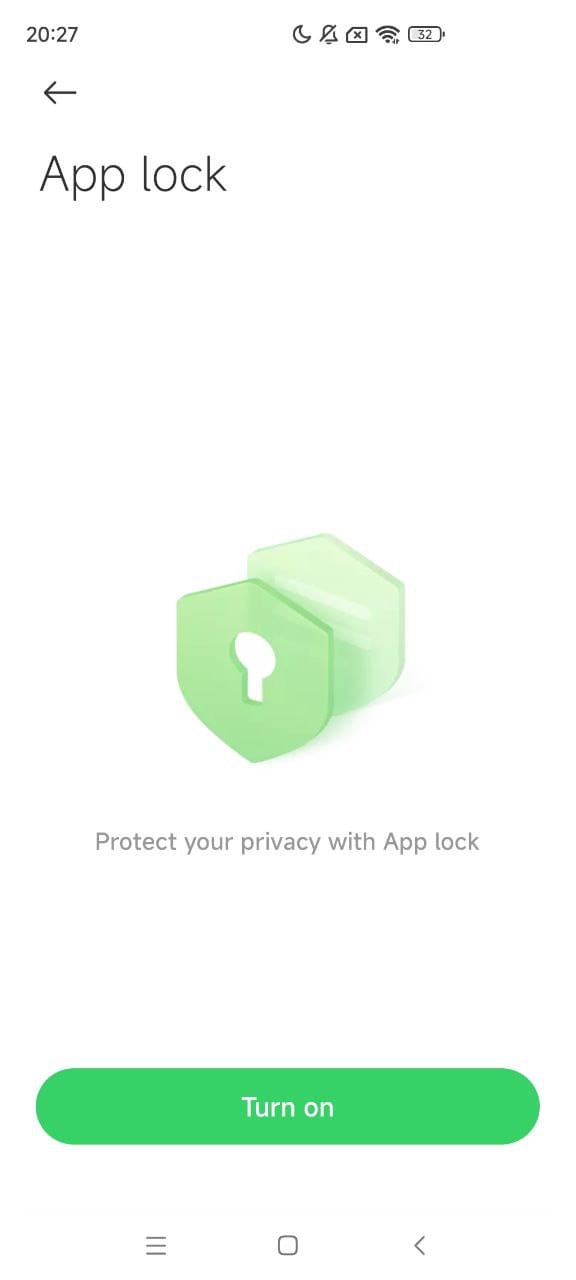
- App Lock continues to be an essential feature in Settings> Apps> App Lock. It gets upgraded to include finger or face unlock features.
- Security Scan remains focused on detecting malware prior to install, enabled with improved detection engines such as AVL.
- HyperOS carries a Privacy Dashboard which provides an entire access overview for data that has happened in the past 24 hours. It traces its roots directly to MIUI 6’s Permission Manager.
“This ever-changing endeavor shows that Xiaomi’s vision lies not only in raising phone-level security but in extending ecosystem security to devices within its “Human x Car x Home” ecosystem.
A Decade of Design Philosophy: From Simplicity to Symbiosis
Upgrading MIUI 6 to Hyper OS does not qualify to be ‘upgraded’ but a philosophical journey. MIUI 6 was intended to make smartphones efficient. Hyper OS intends to make ‘all’ devices from Xiaomi ‘live’ together. Essentially, what started off with “simplify your phone” has now turned into “harmonize your life”.

Saund problem and camera not open
Update me POCO X6 NEO
Hapraos3.0 update me
Sestam update me
Battery tharen esu