


For years, the rule was simple: “Photos are debatable, but iPhone owns video.” Apple’s consistency made it the default choice for mobile videography. However, footage of the Xiaomi 17 Ultra suggest this era is ending. Xiaomi isn’t just competing on megapixels; it’s solving the biggest problem in mobile video—lighting—at the hardware level.
The Problem: The Backlight Nightmare
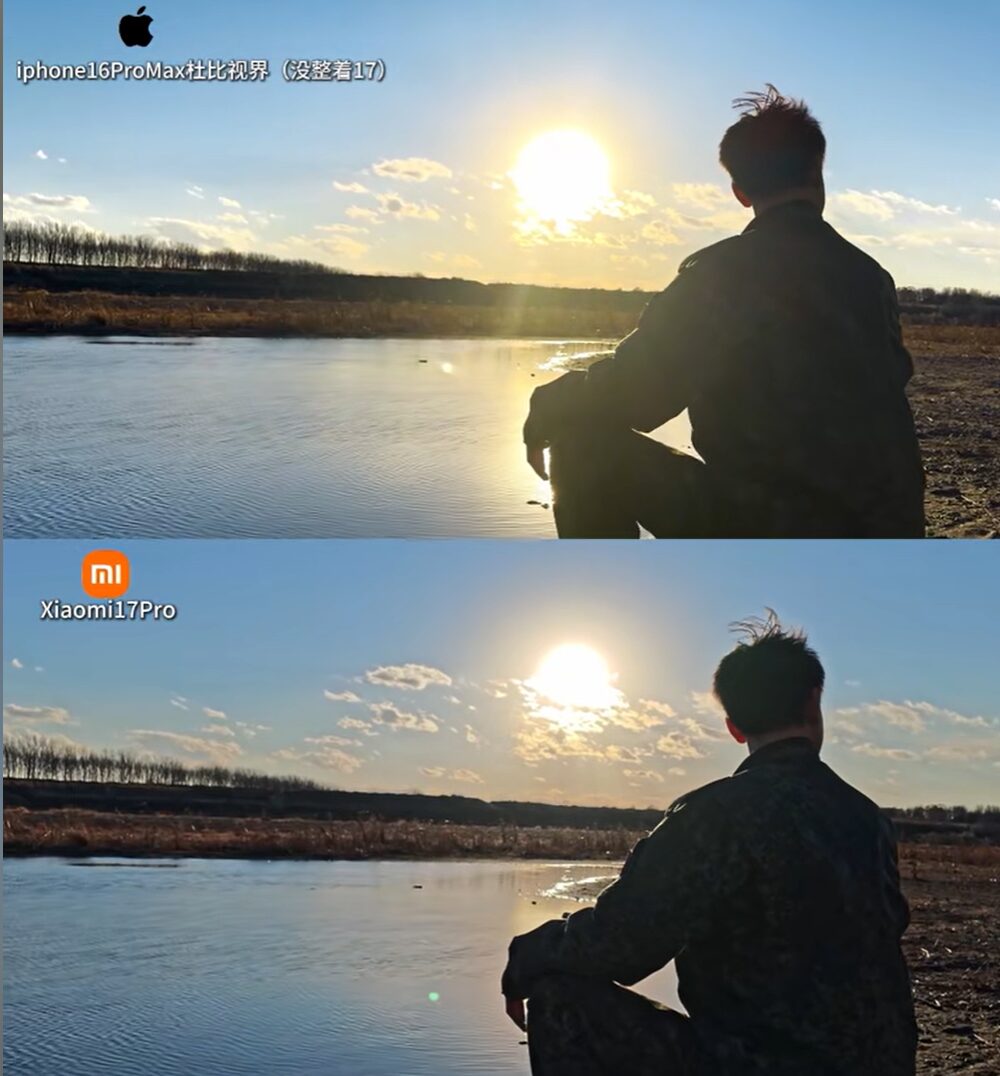
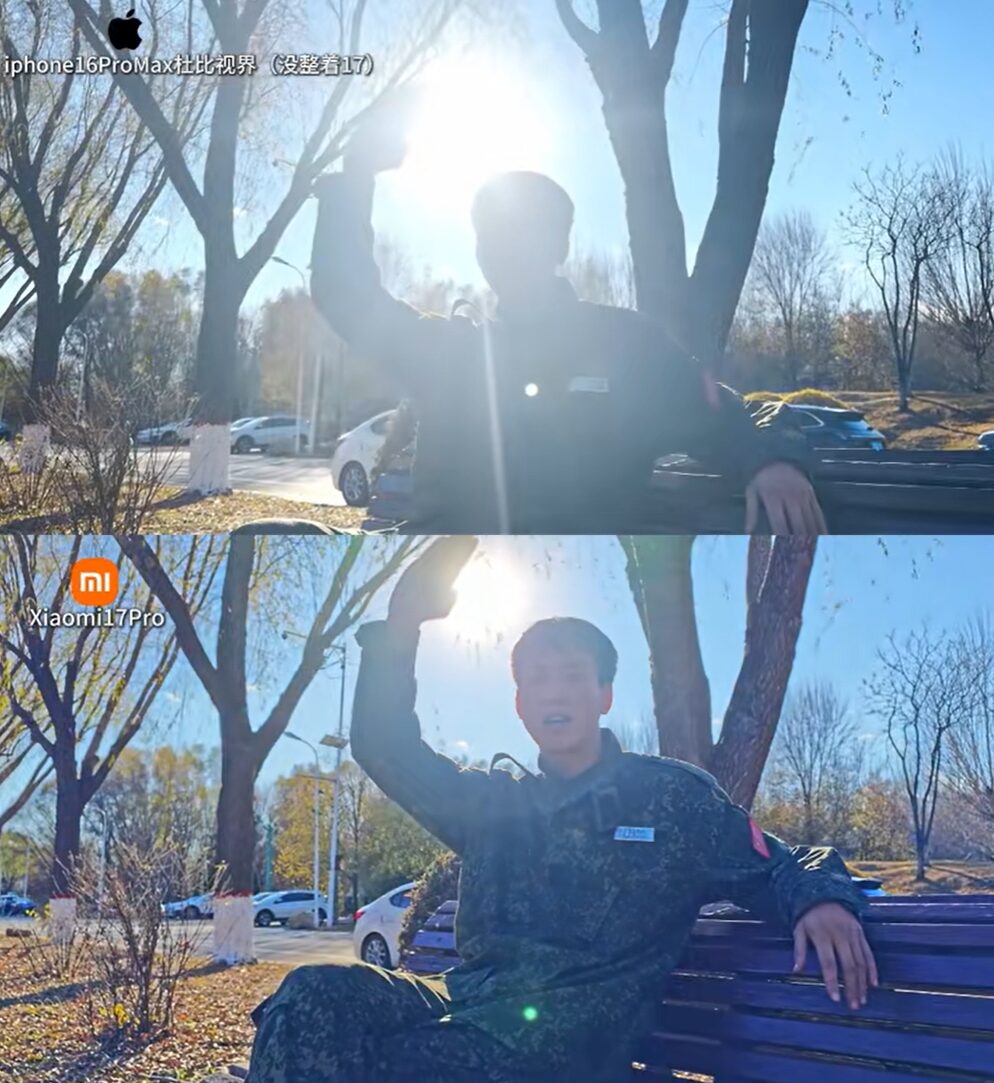
The hardest shot for a phone isn’t night mode; it’s backlight (e.g., a subject standing in front of the sun).
-
The iPhone Way: It forces a choice—either expose the sky (making the face dark) or expose the face (turning the sky white). It often struggles to balance both.
-
The Xiaomi Way: Enter LOFIC Technology.
The Solution: LOFIC & The “Reserve Tank”
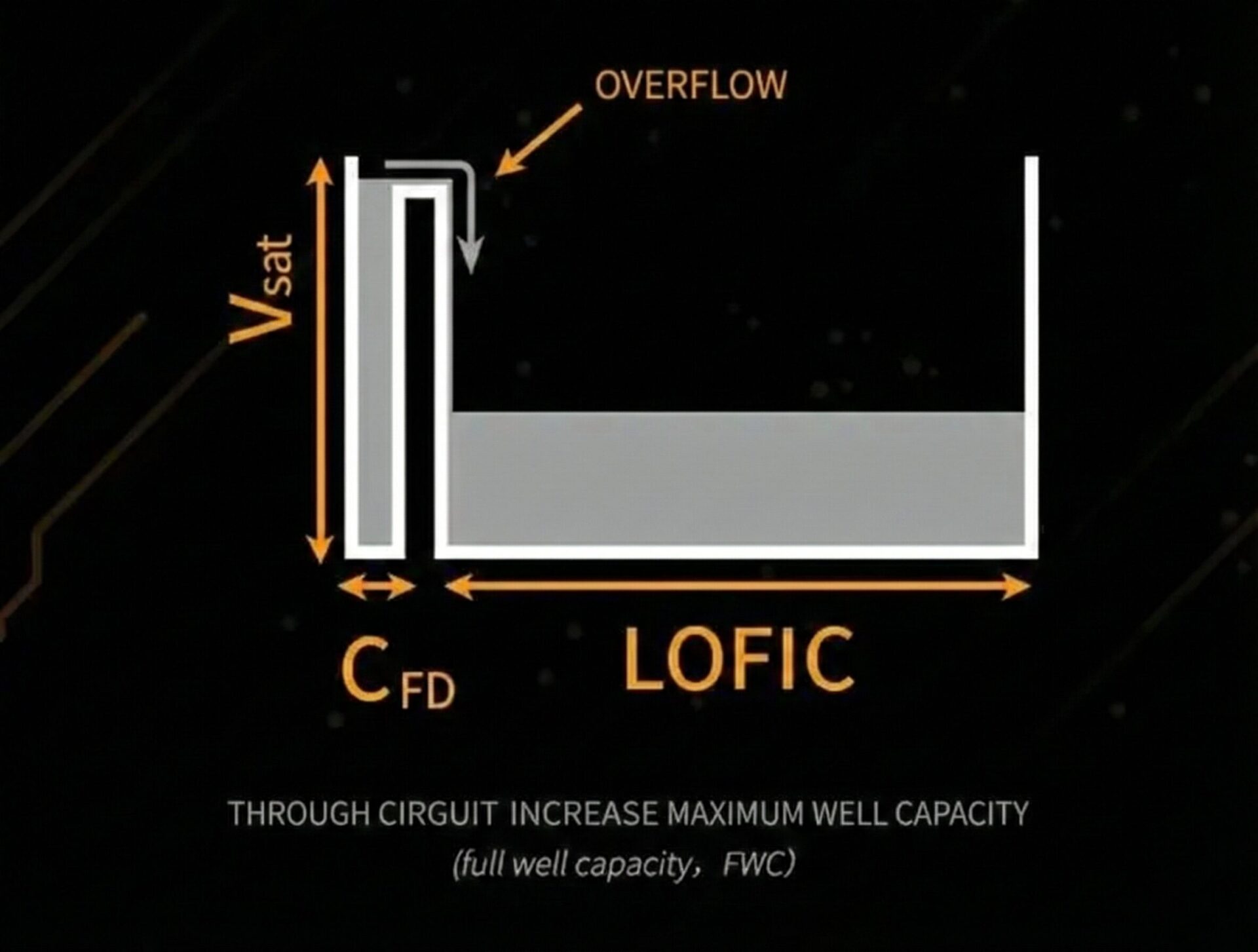
The secret weapon is the LOFIC (Lateral Overflow Integration Capacitor) sensor.
-
How it Works: In standard sensors, when a pixel gets too much light, it “overflows” and data is lost (clipping). LOFIC adds a tiny capacitor next to each pixel to catch this overflow.
-
The Result: It captures the bright sun and the shadowed face simultaneously in a single exposure.

Why It Beats the iPhone
While the iPhone relies on Multi-Frame HDR (rapidly stitching different photos together, which can cause ghosting/blur), the Xiaomi 17 Ultra achieves Single-Frame HDR.
-
Dynamic Range: Pushes past 15 EV (closer to the human eye).
-
No Artifacts: Because it doesn’t need to stitch frames, motion is perfectly smooth.
The Xiaomi 17 Ultra is delivering a “cinematic” look not through software tricks, but through superior sensor physics. By mastering dynamic range, Xiaomi hasn’t just caught up to the iPhone in video—it may have just surpassed it.
Source: Douyin



