


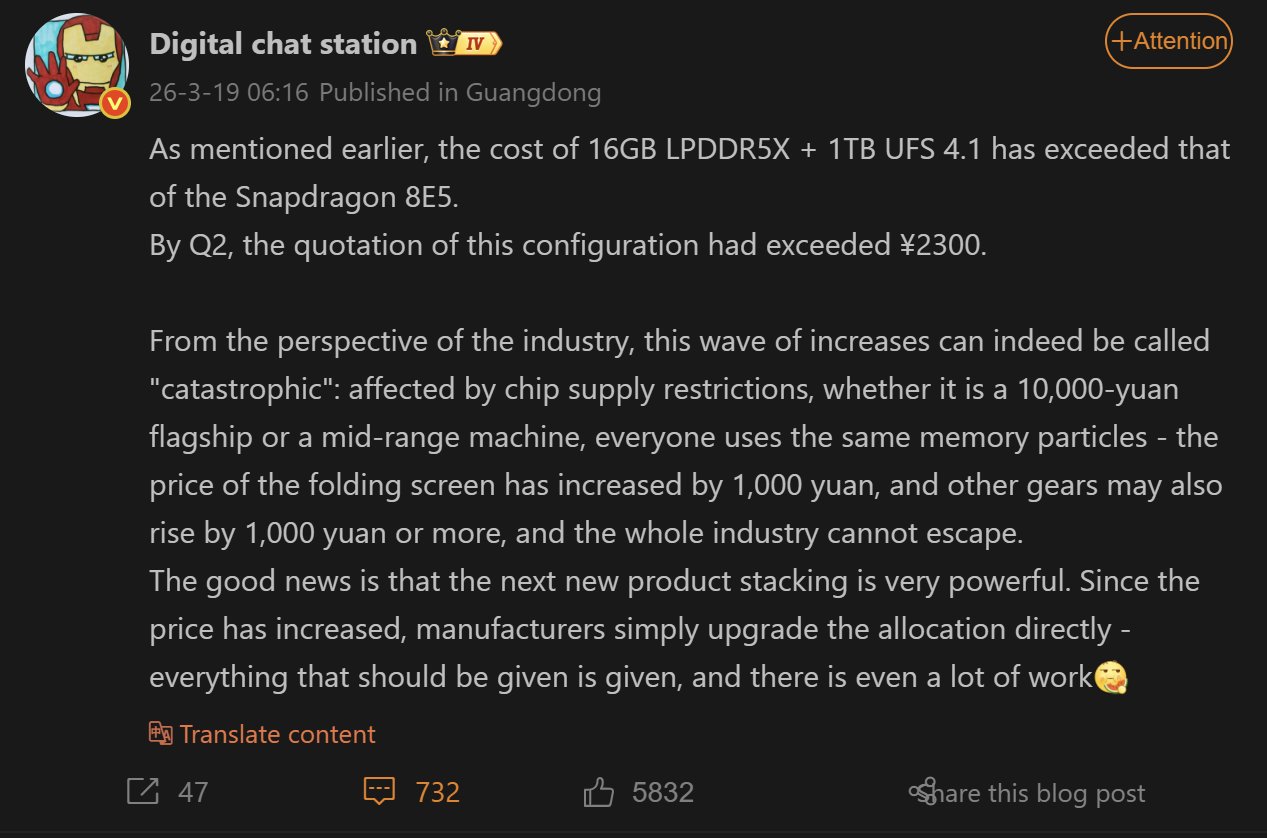
The smartphone industry is facing what insiders are calling a “catastrophic” supply chain crisis, and Xiaomi’s upcoming flagship and mid-range lineups are directly in the crosshairs. According to renowned industry leaker Digital Chat Station, memory and storage costs are skyrocketing at an unprecedented rate. This massive price hike will heavily impact future premium releases like the Xiaomi 18 (or potentially named Xiaomi 26) series, the global POCO F9 Ultra, and the REDMI K100 Pro Max.
The Core Issue: Astronomical Hardware Costs and the Snapdragon 8 Elite Gen 6
The root cause of this market turbulence stems from severe chip supply restrictions. Industry data reveals that the Bill of Materials (BOM) cost for a premium 16GB LPDDR5X + 1TB UFS 4.1 storage combination reached a staggering $318 (2,300 CNY) in the second quarter of this year.
Technically speaking, the situation is projected to become even more extreme by Q3. The cost of this exact memory configuration is expected to surpass the price of Qualcomm’s highly anticipated 2nm Snapdragon 8 Elite Gen 6 SoC. Because “everyone uses the same memory particles” from top-tier flagships down to budget devices, manufacturers are being forced to rethink their product stacks. Some brands are completely halting the production of highly cost-effective models to hedge against these soaring expenses. As a result, end-users might see retail price increases of roughly $140 (1,000 CNY) across various smartphone tiers.
Affected Devices
-
Xiaomi 18 / Xiaomi 26 Series: Future premium flagships relying heavily on the Snapdragon 8 Elite Gen 6 and 16GB+ RAM configurations.
-
Redmi K100 Pro Max: High-end China-exclusive flagship.
-
POCO F9 Ultra: Global flagship killer.
The HyperOS Workaround for RAM price surge
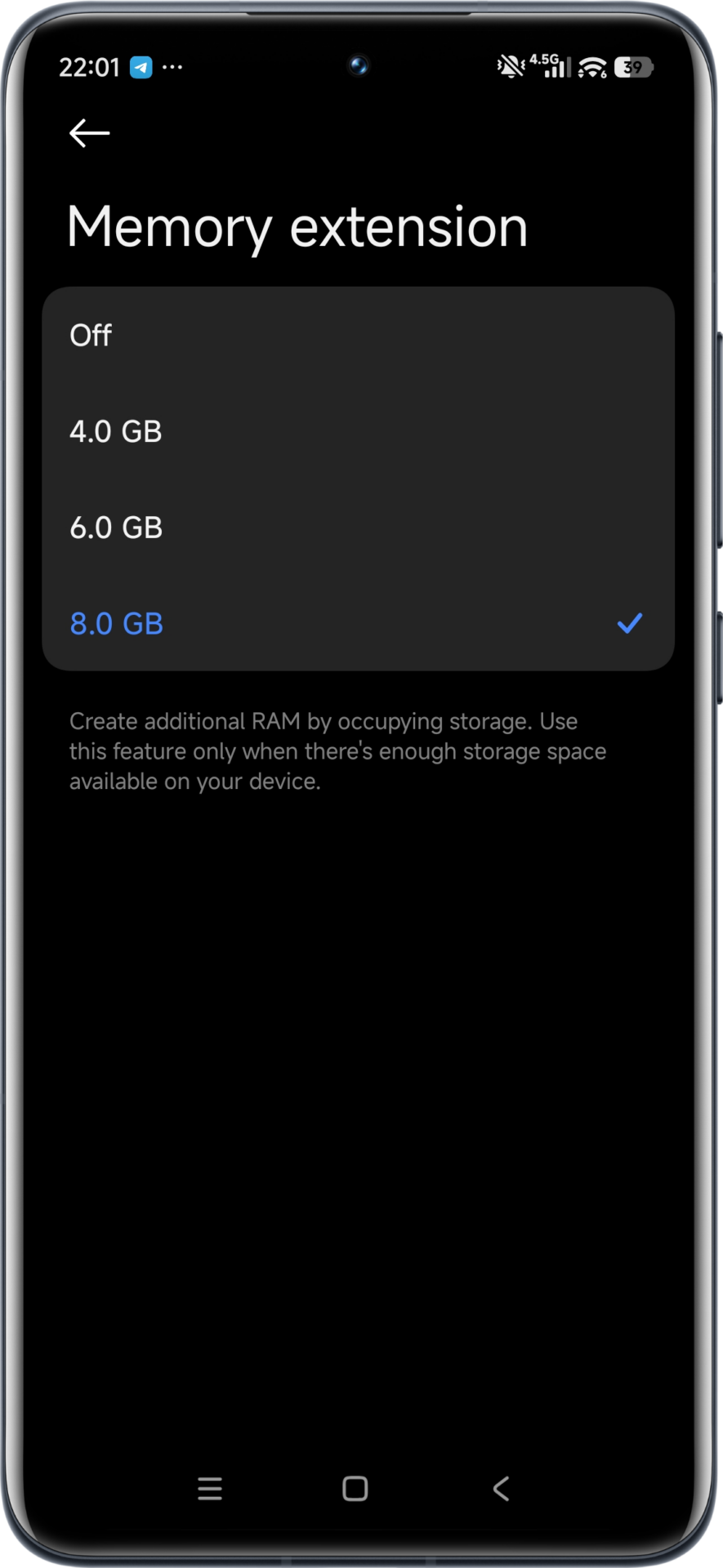
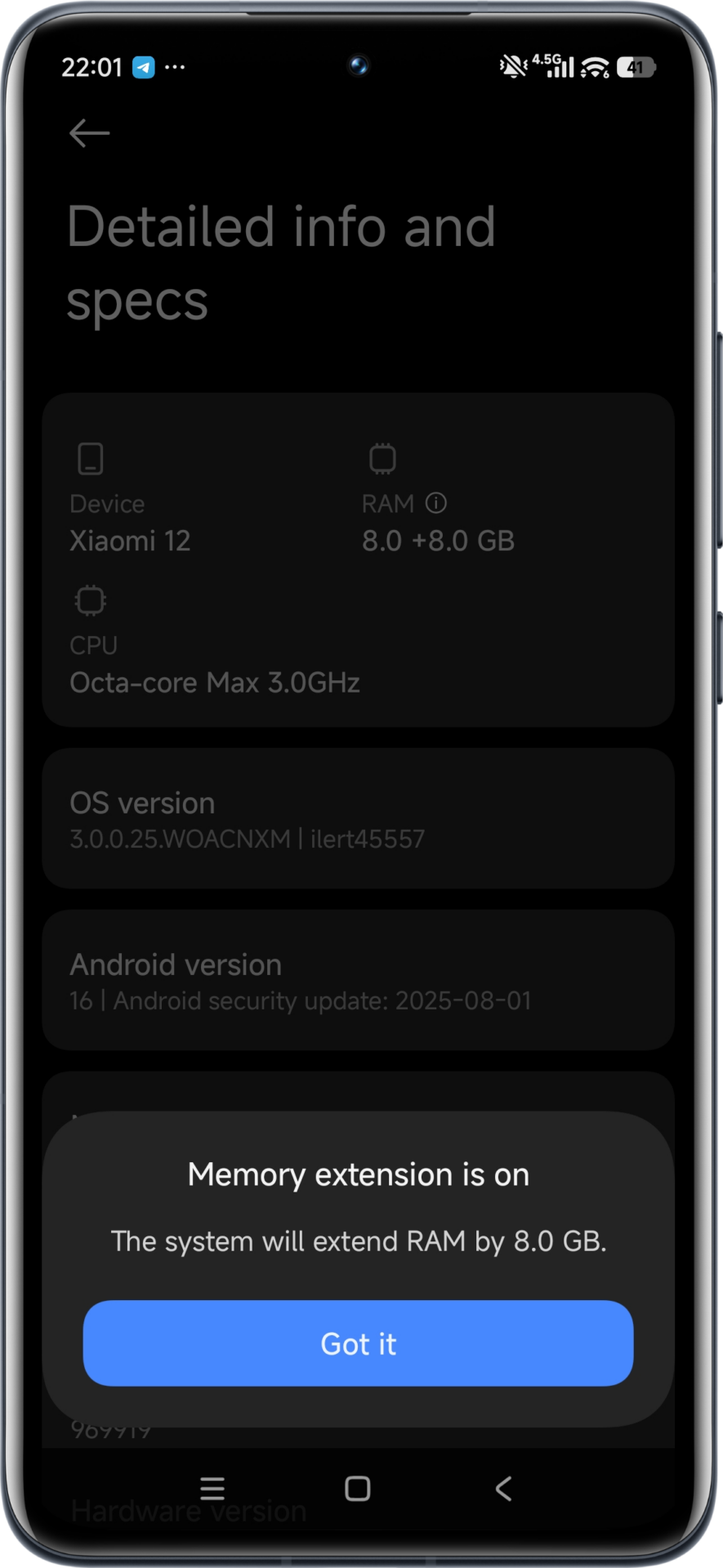
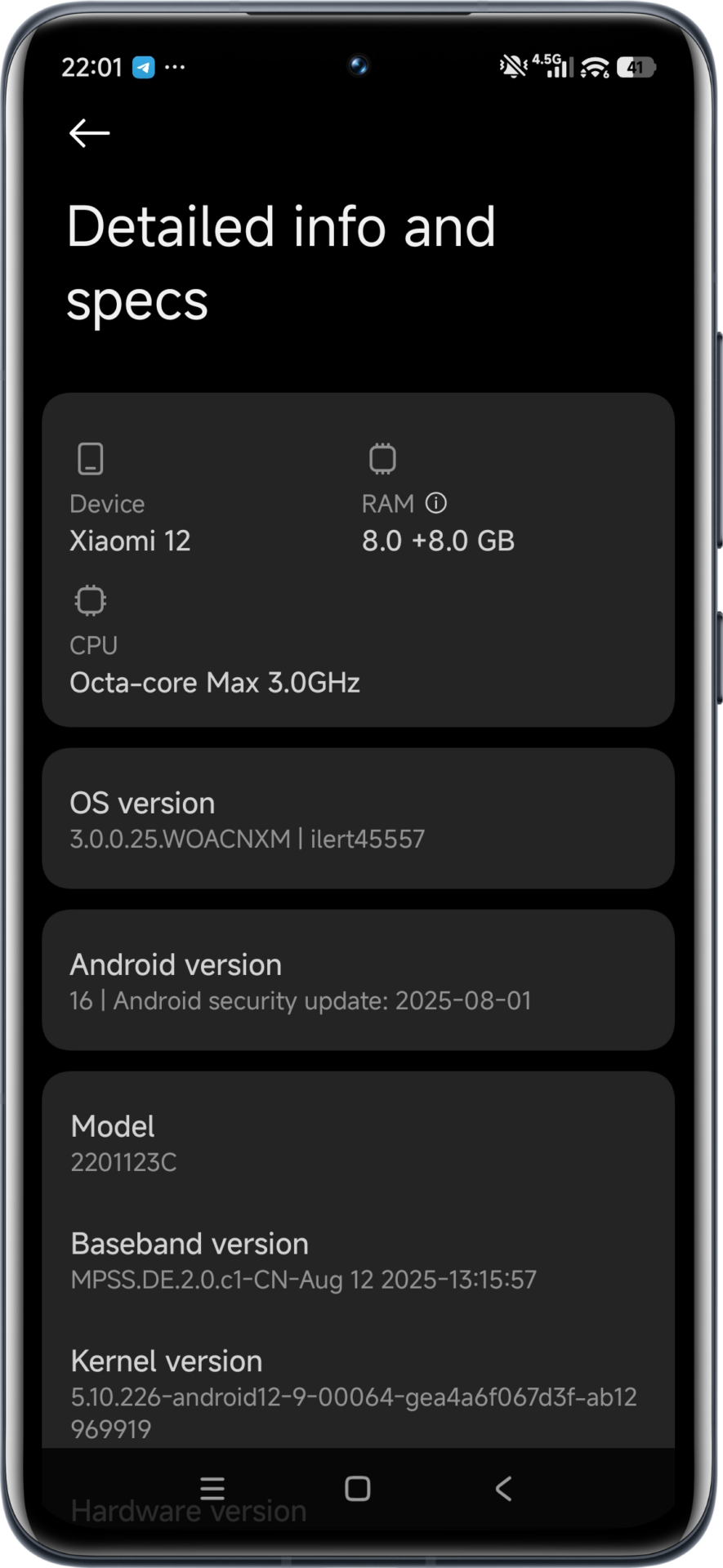
While base hardware prices are climbing, this is exactly where Xiaomi’s software prowess steps in to save the consumer experience. To offset the cost of physically installing 16GB or 24GB of LPDDR5X RAM, Xiaomi is heavily leaning into the advanced Memory Extension feature built natively into Xiaomi HyperOS.
Instead of forcing users to buy wildly expensive 16GB RAM tiers, Xiaomi devices will increasingly rely on allocating a portion of the ultra-fast UFS 4.1 storage to act as virtual RAM. Because UFS 4.1 boasts incredibly high read/write speeds, HyperOS can seamlessly swap background processes between physical memory and storage without causing stutter or lag.
This allows an 8GB or 12GB physical RAM model to perform like a 16GB model, shielding global buyers from the massive $140 hardware price hikes while maintaining flagship-level multitasking.



