


REDMI has officially unveiled the REDMI Buds 8 Pro last week, a product they are boldly calling the “Fully Equipped Noise Cancelling King.” Arriving with a price tag of just 399 Yuan (approx. $55), it aims to bridge the gap between budget audio and flagship performance. While it arrived slightly later than some competitors, its spec sheet—featuring a coaxial triple-driver system and 55dB ANC—suggests it was worth the wait.
Here is our deep dive into the design, lab data, and real-world performance.
Design & Comfort: Sophisticated Minimalism
At first glance, the REDMI Buds 8 Pro retains the familiar shape of its predecessors, but the devil is in the details. The build quality has taken a significant leap forward.
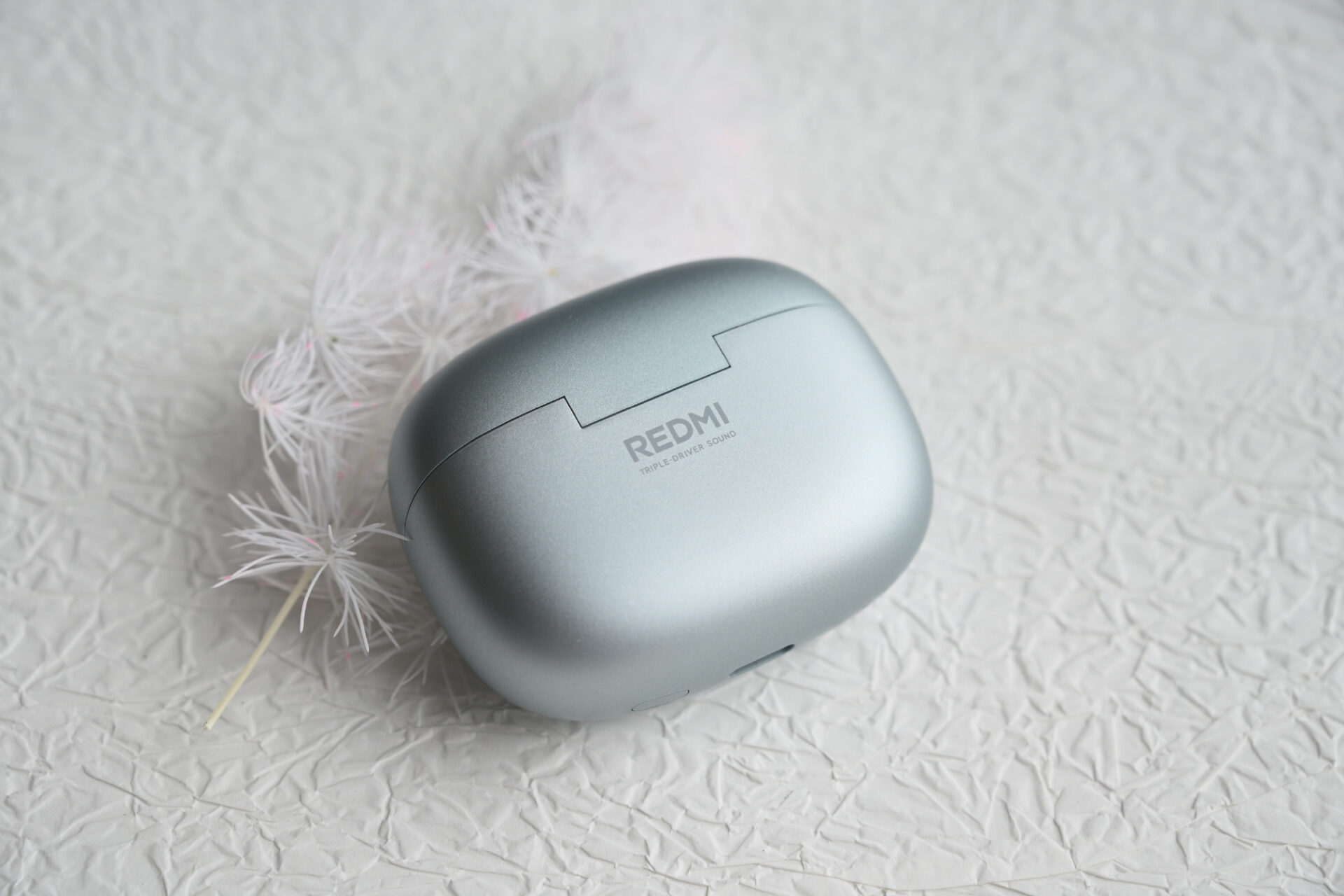

The ear stems feature a unique curved, glossy cover on the outer side. Unlike typical glossy plastics that become fingerprint magnets instantly, REDMI has used a metallic paint finish that adds a layer of sophistication and, surprisingly, resists fingerprints and smudges.

The “Misty Blue” colorway is particularly striking, offering an elegant, high-end aesthetic. In terms of comfort, the mold is designed for long listening sessions. Combined with IP54 dust and waterproof ratings, these are ready for daily commutes and workouts.
Sound Quality: A Hardware Marvel
On paper, the audio configuration is overkill for this price segment. The REDMI Buds 8 Pro utilizes a Coaxial Triple-Driver System:
-
11mm Titanium-Plated Dynamic Driver (for bass)
-
Dual 6.7mm Piezoelectric Ceramic Units (for treble and details)
Driven by dual independent DACs, this setup allows for precise crossover between high and low frequencies. Support for LHDC 5.0 and LDAC codecs ensures high-resolution transmission, while Xiaomi’s proprietary MIHC protocol optimizes the experience for HyperOS users.



Lab Analysis: Frequency Response & Distortion
Realab analyzed the technical data to see how these drivers perform.
Analysis:
-
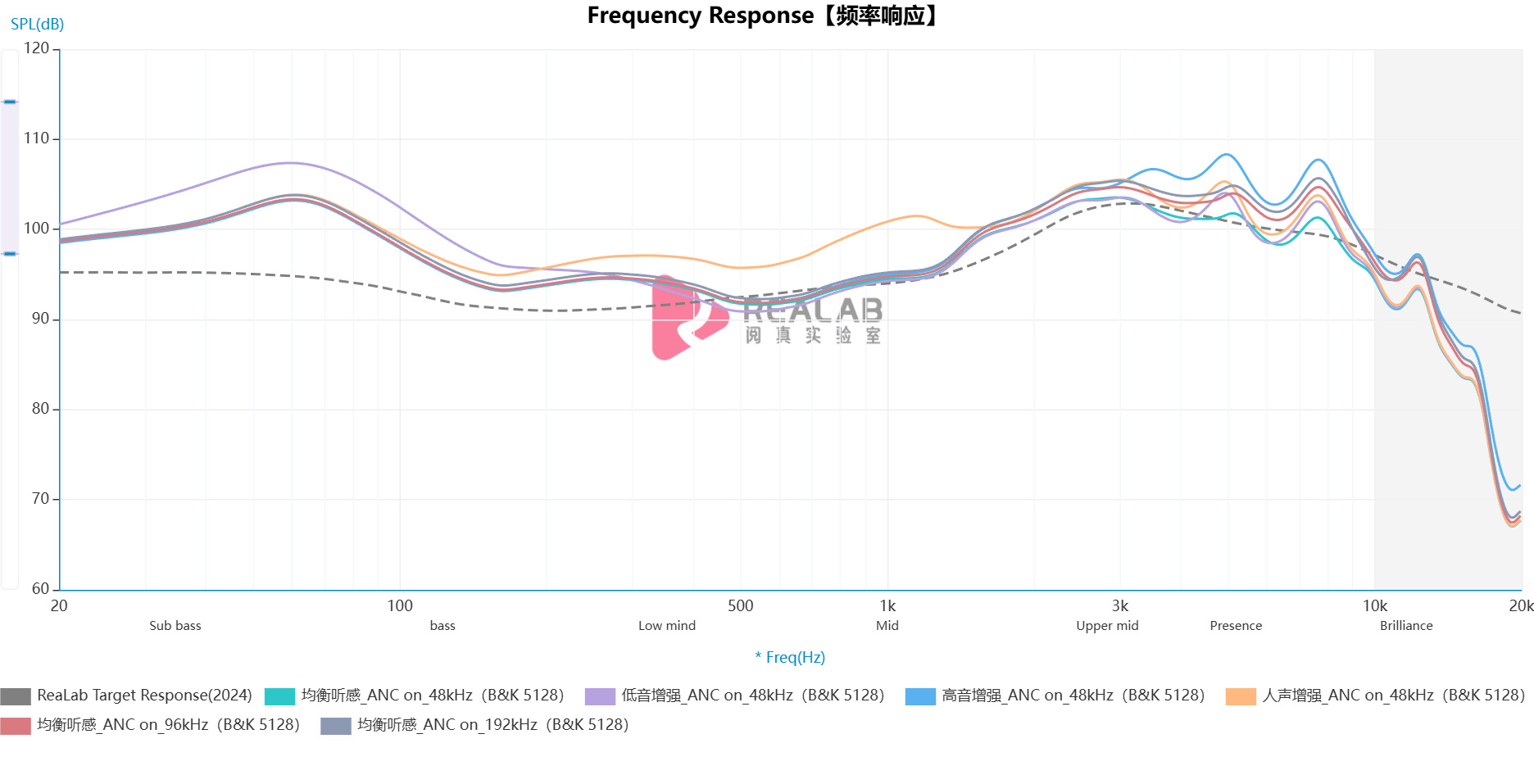
Bass (20Hz – 200Hz): The graph shows a noticeable lift in the lower frequencies. This confirms our listening tests—the bass is rich, full, and dynamic. While audiophiles might find it emphasizes quantity, it avoids the “muddy” sound often found in budget buds.
-
Mids & Highs (2kHz – 10kHz): The ceramic drivers shine here. The curve remains relatively smooth with a presence peak around 3kHz (essential for vocals) and good extension into the treble. This explains the “excellent clarity” and “refined mid-highs” noted in user reports.
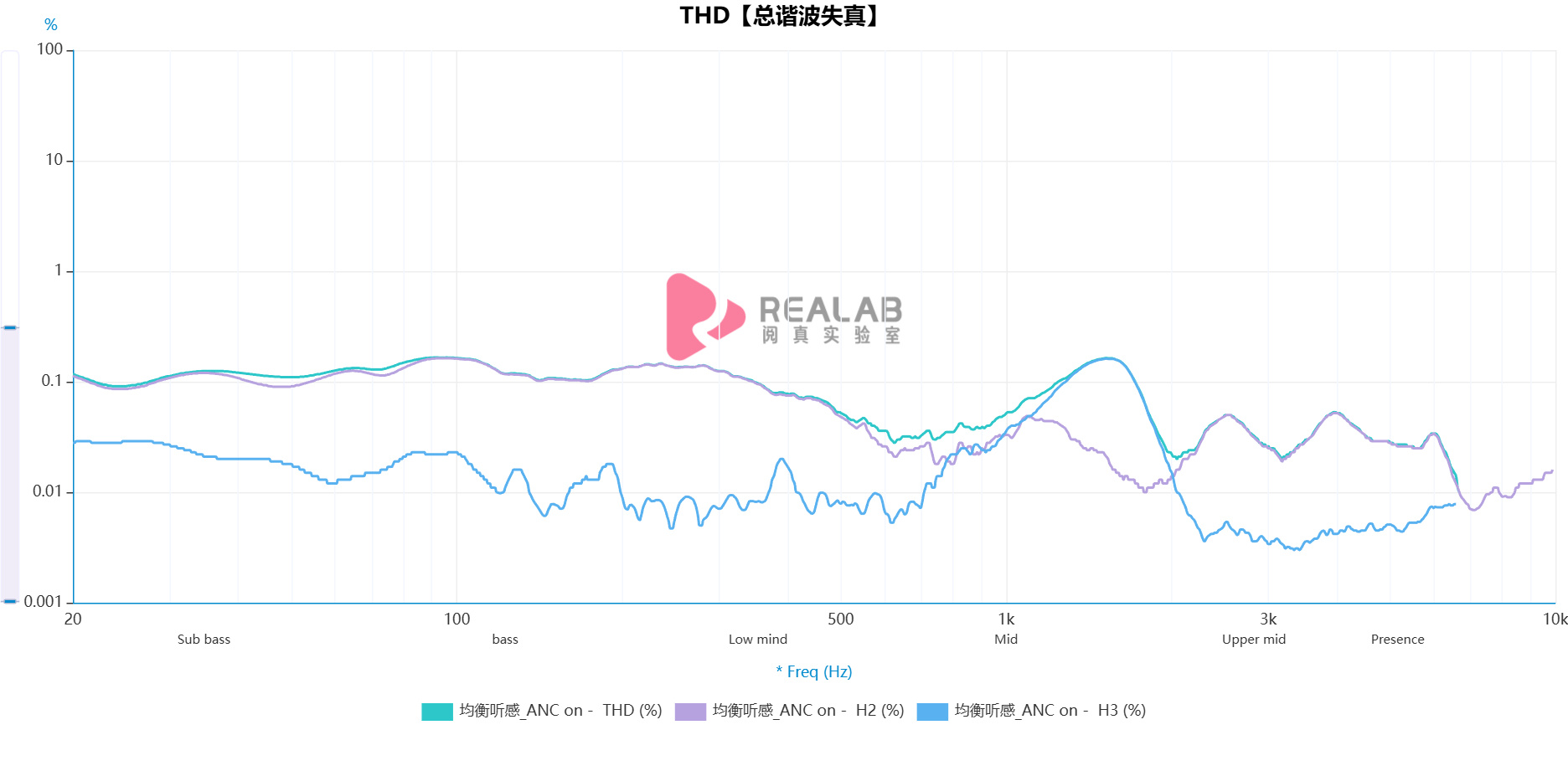
Analysis:
-
The THD graph is exceptionally clean, with distortion levels staying well below 0.1% across most of the audible spectrum. This means even at higher volumes, the triple-driver setup maintains clarity without introducing buzzing or harsh artifacts.
Active Noise Cancellation (ANC): The “Deep Space” Silence
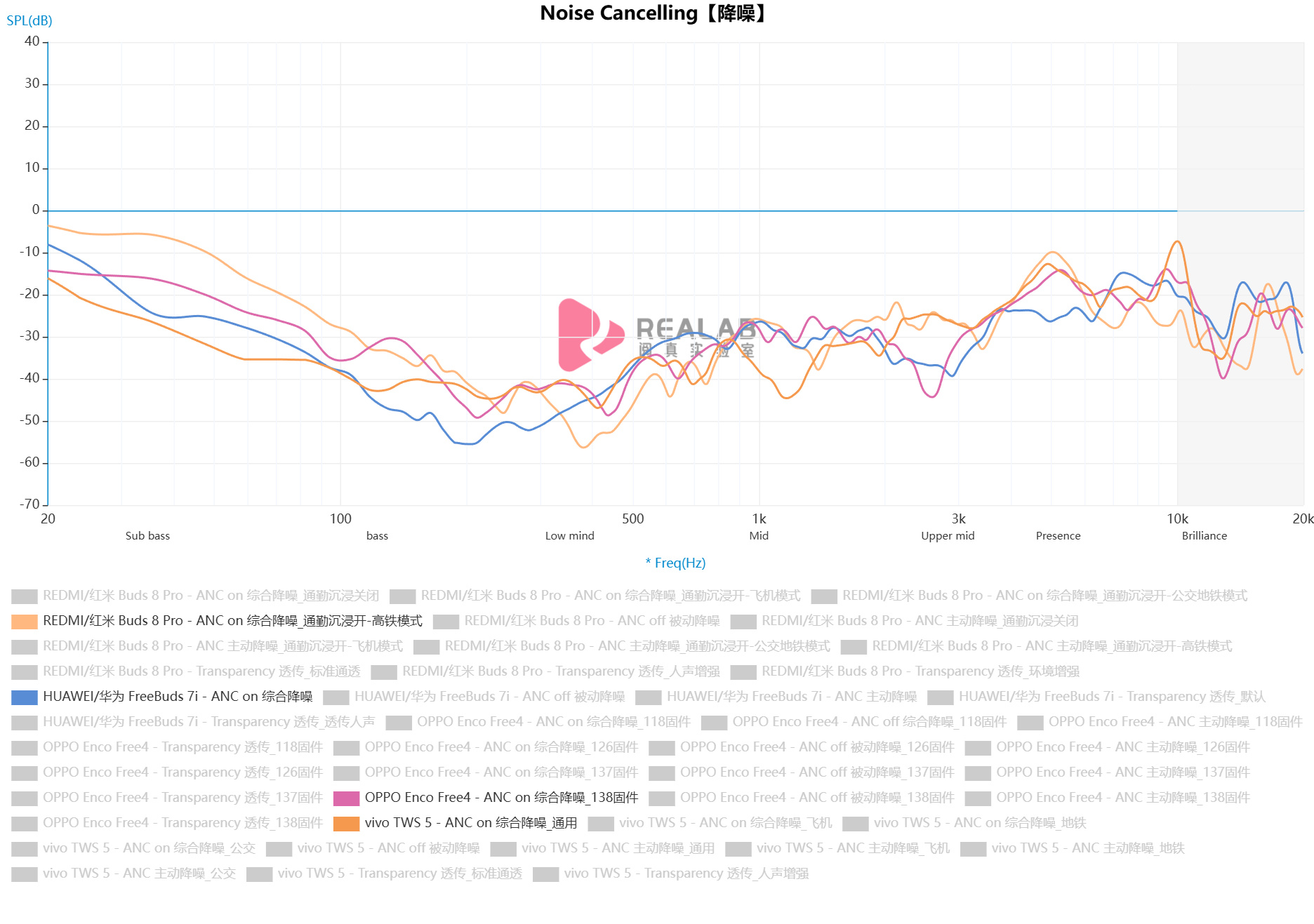
The headline feature is the Xiaomi Deep Space Noise Cancellation 3.0, boasting a theoretical depth of 55dB and a bandwidth of 5kHz.
Lab Analysis:
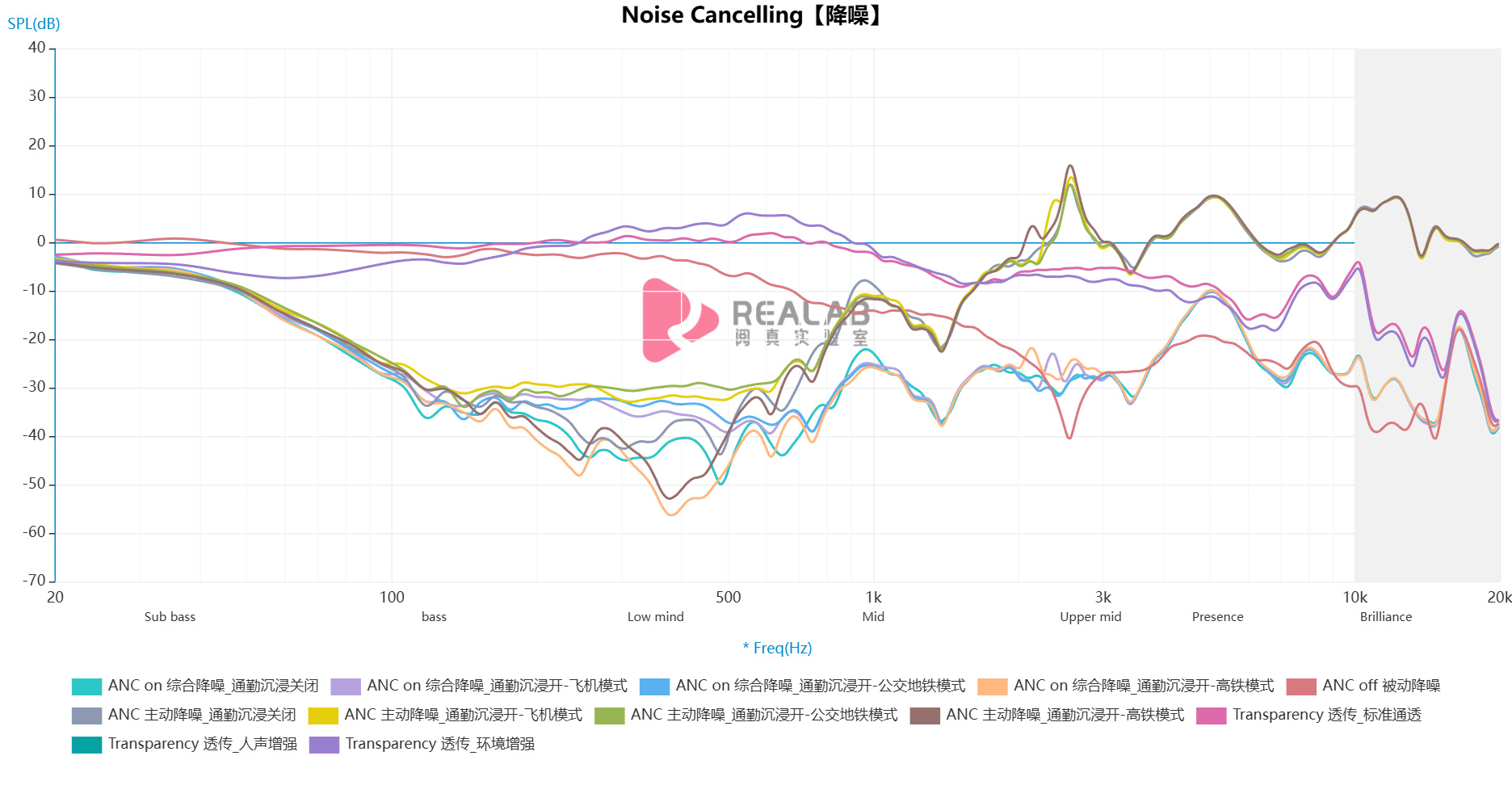
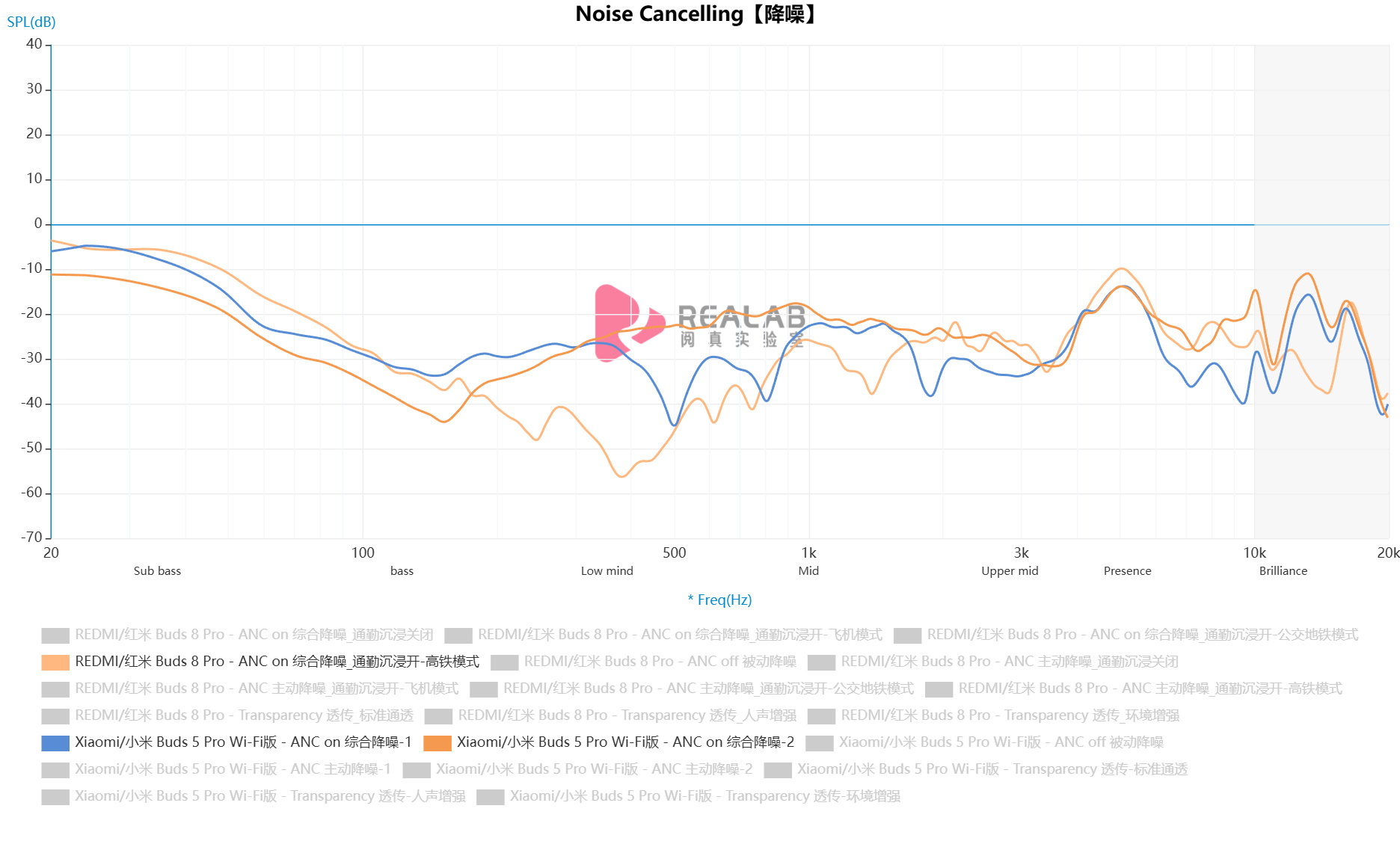
Looking at the noise cancellation graphs, we can see a deep “V” shape in the lower frequencies.
-
Low-Frequency Performance: The cancellation dips significantly between 50Hz and 500Hz, effectively erasing the rumble of engines and subway tracks.
-
Commuting Optimization: The “High-Speed Rail Mode” is a standout performer. As seen in the comparison graphs, the Redmi Buds 8 Pro (Orange line) outperforms competitors like the Huawei FreeBuds 7i and vivo TWS5 specifically in the 350Hz-800Hz range. This is the “sweet spot” for human chatter and cabin drone, making these earbuds exceptional for travel.
Features & Ecosystem
For users in the Xiaomi ecosystem, the integration is flawless.
-
HyperOS Synergy: Pop-up pairing is instant, and settings are integrated directly into the OS, eliminating the need for a separate app.
-
Spatial Audio: The buds support spatial audio for an immersive, 360-degree soundstage.
-
Connectivity: Dual-device connection works seamlessly, allowing you to switch between a laptop and phone without hassle.

Battery Life
Battery performance is competitive, though not market-leading.
-
Earbuds: ~8.5 hours on a single charge.
-
Total (with Case): ~35 hours.
In real-world testing with LHDC and ANC enabled, it still manages to outlast the FreeBuds 7i by roughly an hour.

Verdict: The New Budget Benchmark?
The REDMI Buds 8 Pro is a triumph of hardware engineering. While it arrived a few months later than its main rivals, it compensates with superior driver technology and a smarter, more effective ANC system.
Pros:
-
T1-Level Audio: Coaxial triple-drivers deliver clarity rarely seen under $100.
-
Flagship ANC: 55dB cancellation that excels in vocal ranges (350-800Hz).
-
Build Quality: Premium metallic finish that resists fingerprints.
-
HyperOS Integration: Perfect for Xiaomi/Redmi/POCO users.
Cons:
-
Bass Tuning: Default tuning leans heavy on bass quantity (fixable via EQ).
-
Competition: Pricing is slightly higher than competitors who have dropped in price over time.
For Xiaomi users, this is the only logical choice. It offers a “Pro” experience that justifies every cent of its 399 Yuan price tag.



