
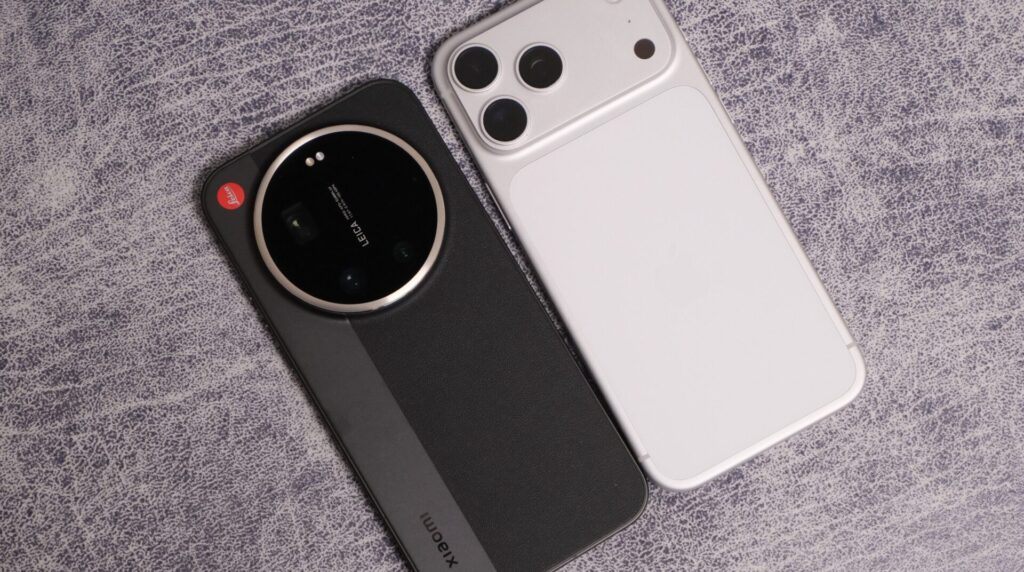

The Xiaomi brand has reached the critical phase in the international market during the term 2025-26. Consumers are often puzzled about whether the brand is only a cost-effective alternative to the Apple brand or a full-fledged innovation giant in its own right. This report investigates the Xiaomi 17 Pro Max plan in the light of the iPhone 17 series. Although the HyperOS 3 targets enhancing user experience, the stigma associated with being “a cheap Chinese brand” still persists because of several factors in the marketplace.
The Design and Software Paradox
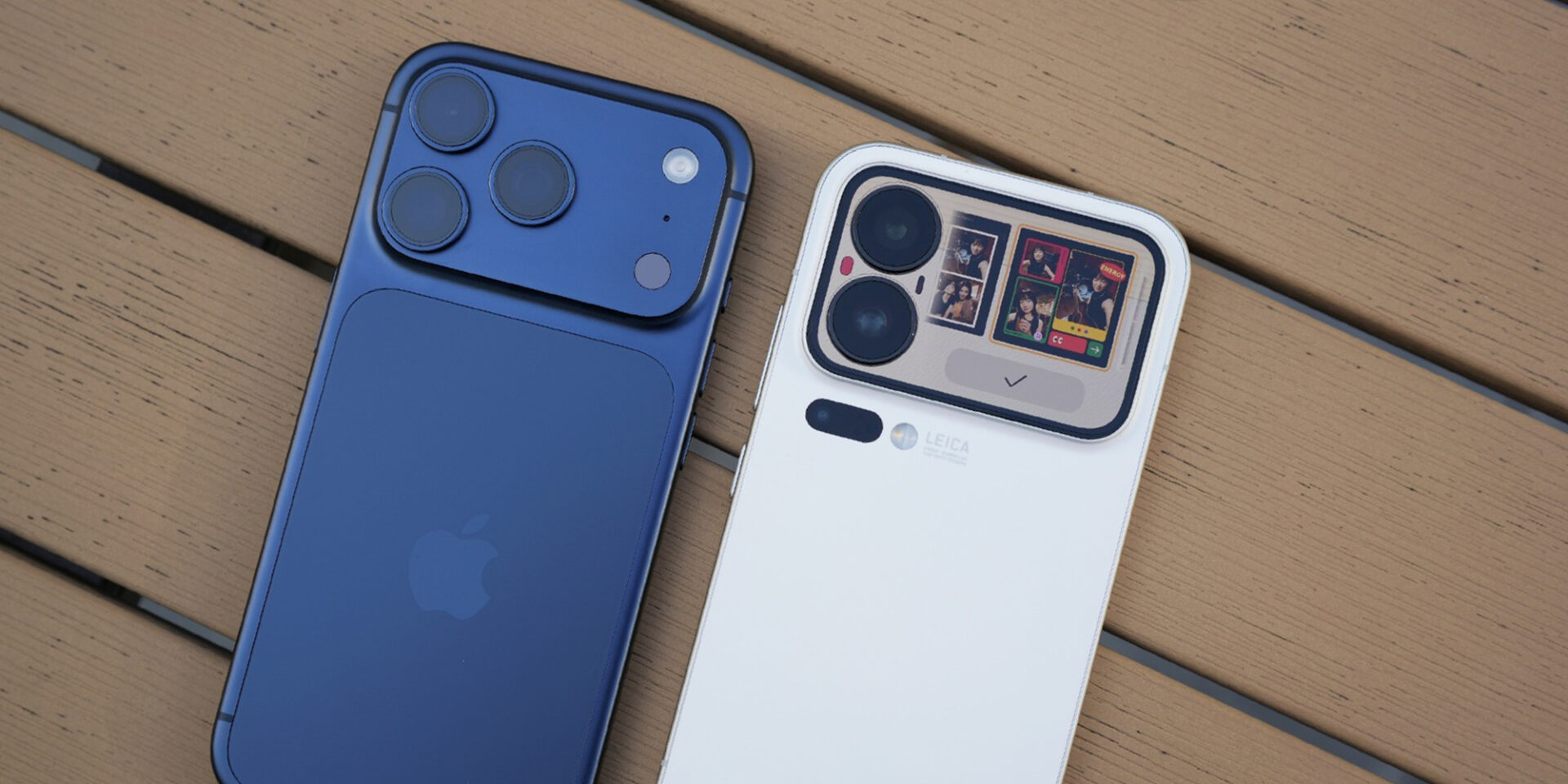
Xiaomi smartphones tend to follow Apple design conventions but make these possible at budget-friendly prices. Xiaomi 17 line smartphones’ design language is similar to the metal rims on the edges of the iPhones. But the problem here is the paradox it presents to the market. Designers tend to interpret it as frugal decisions to get the best out of Apple. But on the other hand, some find it lacking originality. They are trying to provide an alternative ecosystem “with the best of titanium designs at less than $1000.” Xiaomi had used the design of the iPhone 17 Pro series in POCO devices three years ago.
HyperOS 3 vs iOS 26
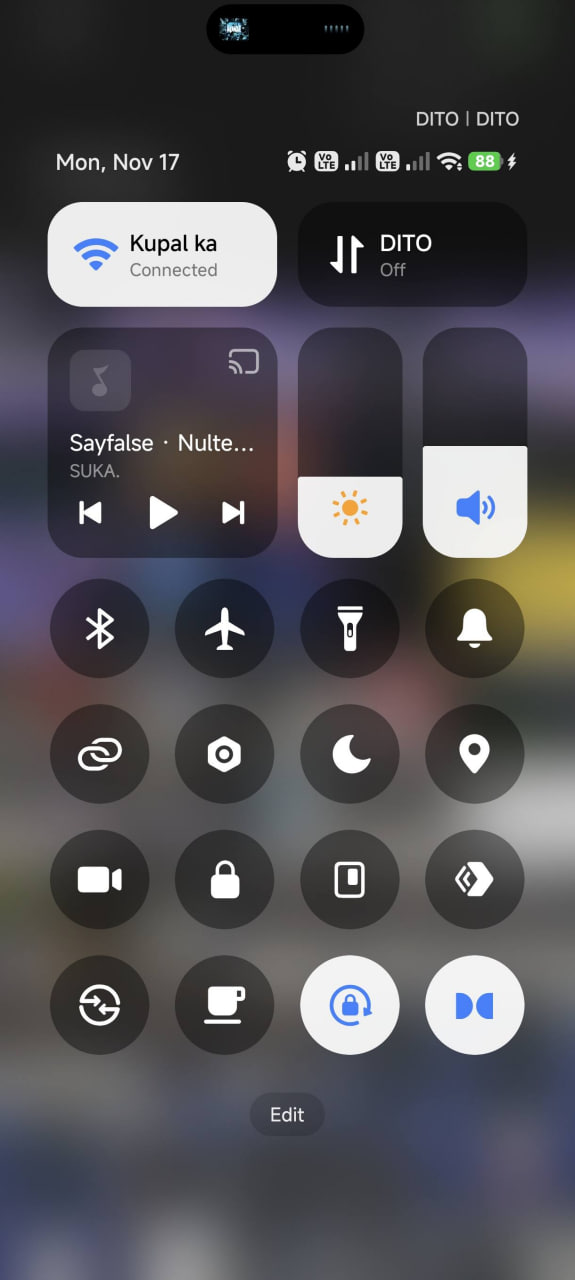
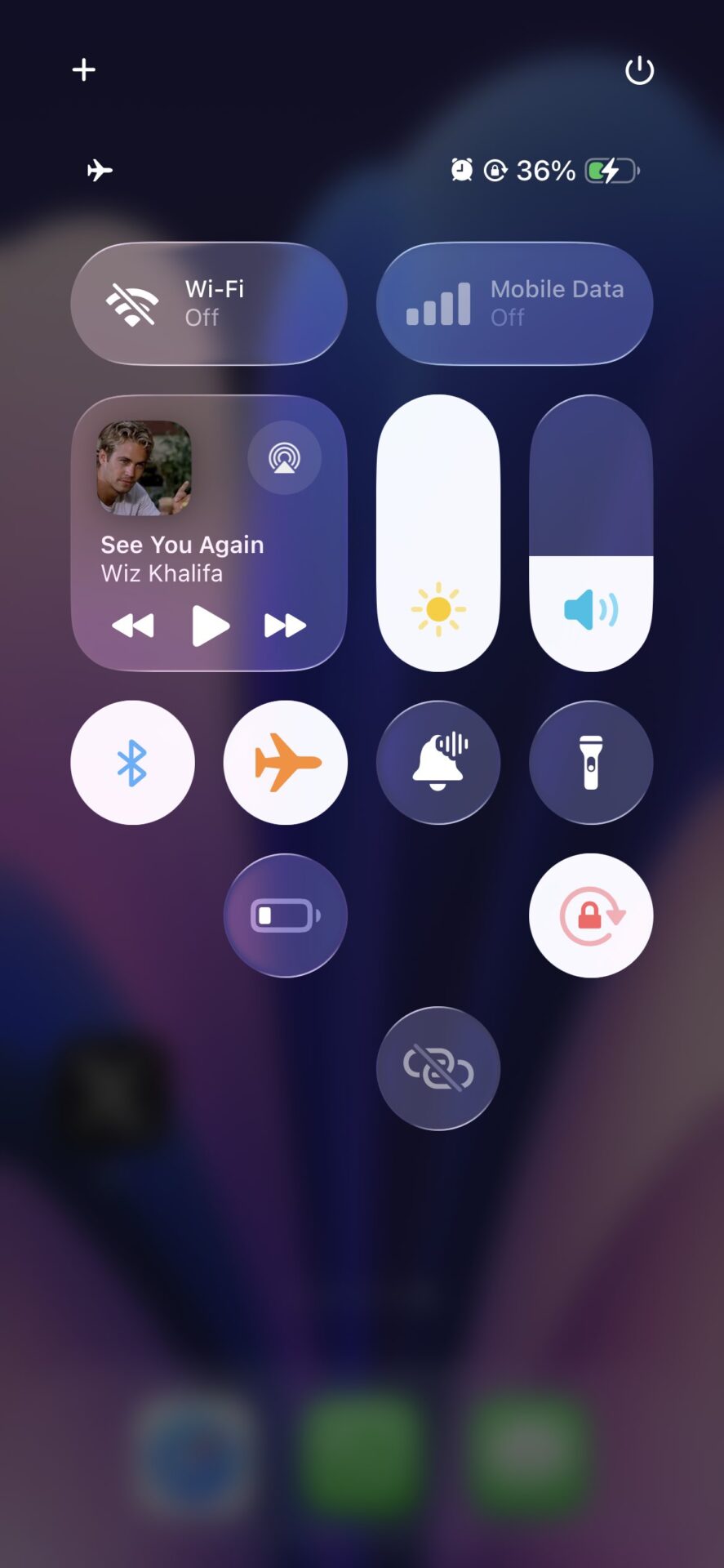
The comparison goes very deep into software experience as well. In terms of design, Xiaomi HyperOS 3 comes with design influences from iOS version 26, including Control Center design and widget designs. While iOS is primarily based on “Minimalism and Consistency,” HyperOS is focused on being extremely customizable, with dynamic design. Their approach is to offer an “Apple like experience, but with freedom.” But at some points, the OS faces stability issues when compared to the closed ecosystem on an Apple device. For users seeking an iOS look and an Android experience, Mi is often their much-needed “escape ramp.”
Challenges in Premium Perception
However, the fact the company produces high-quality hardware is overpowered by the “cheap brand” stigma. The software monetization approaches are to blame for the inconvenience caused to the user base. Nonetheless, there exists a remedy for the enthusiasts.
Market Realities and Resale Value
In different markets, the technical services faced and deterioration also affect trust. Where an iPhone is as valuable as gold and retain their market values, the drawback is greater for Android phones. It may be noted that when a product costing around 1450 dollars is purchased, it depreciates in value quickly. In addition to it, Gray Market phones with resistor mods affect the corporate image adversely. It makes a brand a cheap choice.
Innovation and Future Outlook
However, Xiaomi demonstrates itself to be a giant in its own right through innovation. The alliance with Leica revolutionizes mobile photography, as the “Xiaomi 17 Pro Max” has optical quality comparable to a professional camera. Moreover, “Xiaomi SU7” EV seamlessly integrates with “Human x Car x Home” through “Xiaomi HyperConnect.” This marks a turning point from merely producing communication devices like phones into providing an entire lifestyle.
Performance Leadership
The series still tops in terms of raw processing power, thanks to the use of the Snapdragon 8 Elite Gen 5 processor. It’s aimed at tech fanatics who prioritize processing prowess above resale value.
- Camera: Leica collaboration offers artistic “Vibrant” and “Authentic” options
- Ecosystem: Smooth integration between Xiaomi Pad 8, wearables, and a car.
- Power: Benchmark scores that are at the top

When it comes to Financially speaking, it is standing out in terms of growth in both IoT and automotive industries. In essence, Xiaomi is an attractive competitor bringing excitement. This is because it is no longer a mere copycat but is instead becoming a trendsetter.



