
 Emir Bardakçı
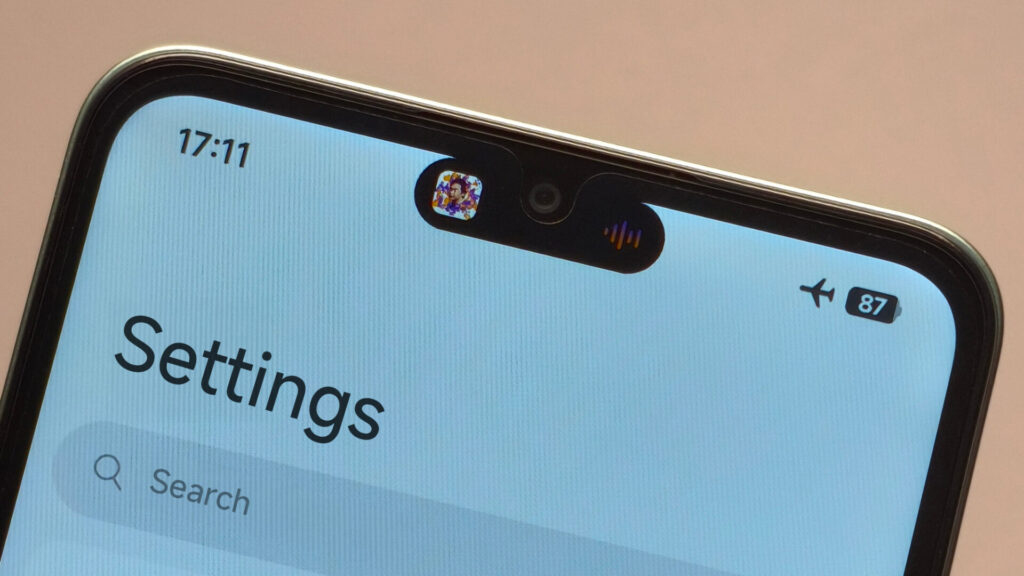
The rollout of HyperOS 3 to entry-level segments has introduced a significant interface regression on the Redmi 14C. The activation of “Hyper Island”—Xiaomi’s interactive notification system copied from iOS—on a device utilizing a legacy waterdrop notch architecture results in a fundamental visual conflict, creating disjointed UI artifacts rather than the intended seamless integration.
Geometric Incompatibility
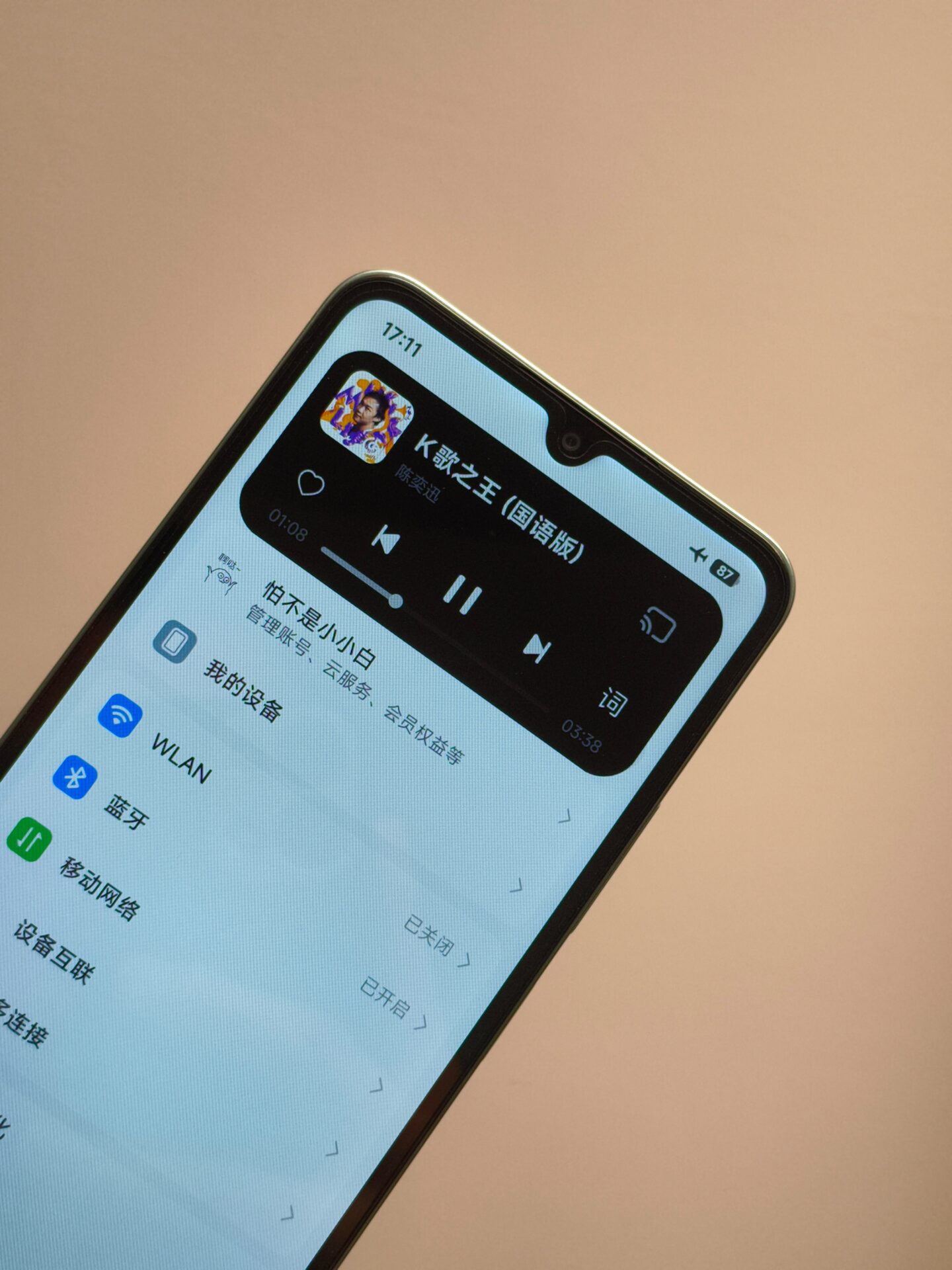
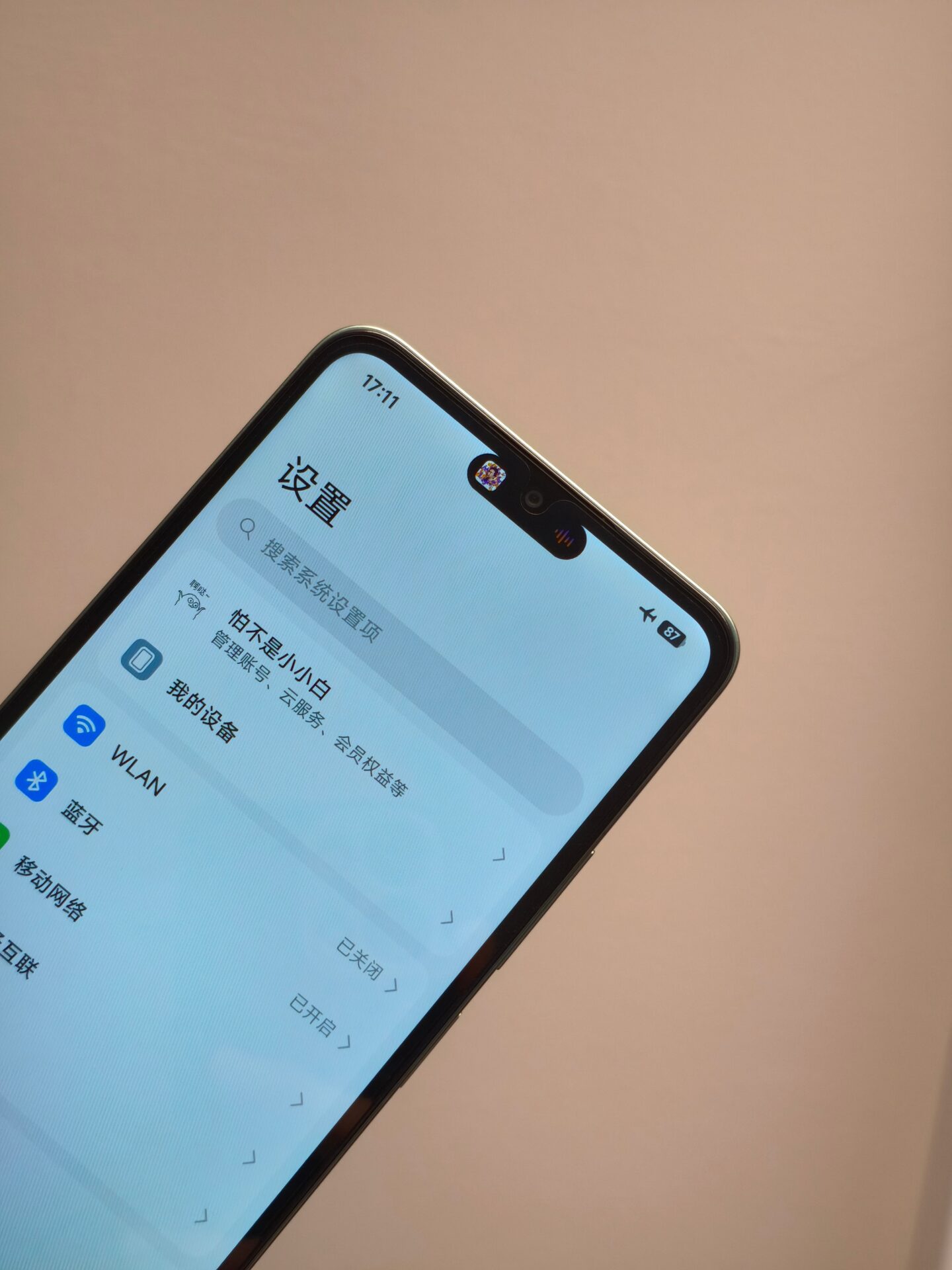
The Hyper Island rendering engine is strictly architected for “punch-hole” camera modules that are surrounded entirely by active screen pixels. The Redmi 14C utilizes a waterdrop notch physically anchored to the top bezel. The software ignores this hardware constraint, rendering a floating, pill-shaped overlay that overlaps the physical notch. This creates a visual breakage where the software “island” attempts to float despite the camera being physically tethered to the device frame.
Rendering Artifacts
During dynamic expansion (e.g., media playback controls), the software generates smooth, oval vector graphics that clash with the sharp, static angularity of the hardware notch. In idle states, the notification capsule appears visually detached from the camera sensor. This negates the feature’s primary function, which is to camouflage the camera cutout within active UI elements.
Porting Oversight
This regression indicates a direct port of flagship-tier UI code (designed for the Xiaomi 14/15 series) to budget hardware without specific coordinate remapping. The system lacks the distinct display masking parameters required to adapt the Hyper Island animations to non-floating camera arrangements.
Correction requires a firmware patch to either disable Hyper Island on waterdrop-notch SKUs or fundamentally alter the animation anchor points to sit adjacent to, rather than atop, the physical sensor.
Images Source: Xiaobai


When is the Hyper OS 3.1 update for Redmi Note 14 4G?
When is the Hyper OS 3.1 update for Redmi Note 14 4G?
When will the OS 3.1 release for Redmi 14c be launched?
I don’t think it is “strictly architectured” for punch-hole devices, it could very well be adjusted for teardrop ones, and even others having the camera off-center, but it requires attention to detail and actually testing things.
Judging by the screenshots it’s clear they either didn’t evaluate how it would look like in those devices, or don’t care at all.