
 Emir Bardakçı
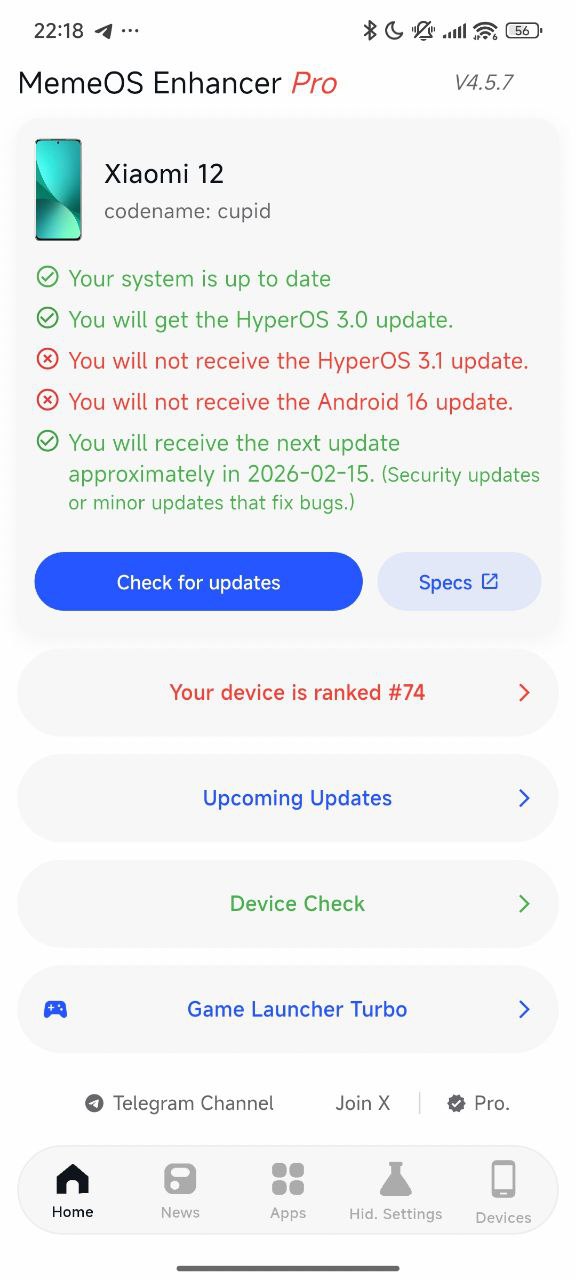
The HyperOS 3 update, based on Android 15 and Android 16, has been rolled out to the vast majority of eligible devices globally. While this major progression of Xiaomi’s “Human × Car × Home” ecosystem is now widely available, some users—particularly those on regional ROMs (like TR, ID, or RU)—are still waiting.
If the update has been officially released for your model but your device still hasn’t received it, the waiting process is no longer just about patience; it is about knowing how to trigger the system. Here is why you might not have it yet and how to get it.
How Xiaomi Distributes HyperOS 3 Updates
Even when an update is “Global,” Xiaomi uses a staggered OTA (Over-The-Air) system involving BigOTA servers and multiple CDN layers. When you tap “Check for updates,” your device sends encrypted identifiers (ROM version, region code, model) to the server. The server compares these against a dynamic white list.
-
The White List Logic: If your device isn’t in the current active batch, the server returns a “No updates available” response, even if the file exists on the server.
-
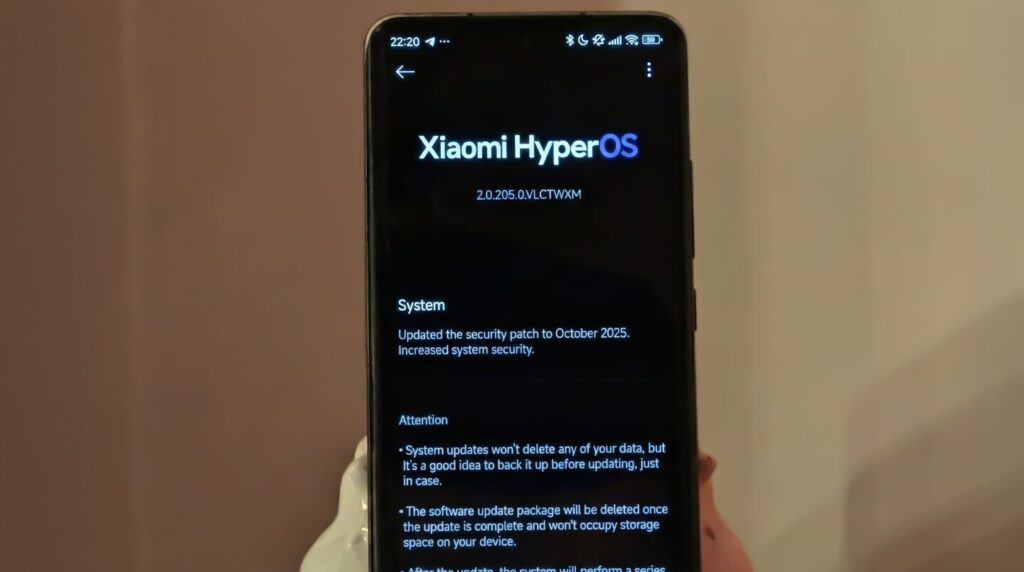
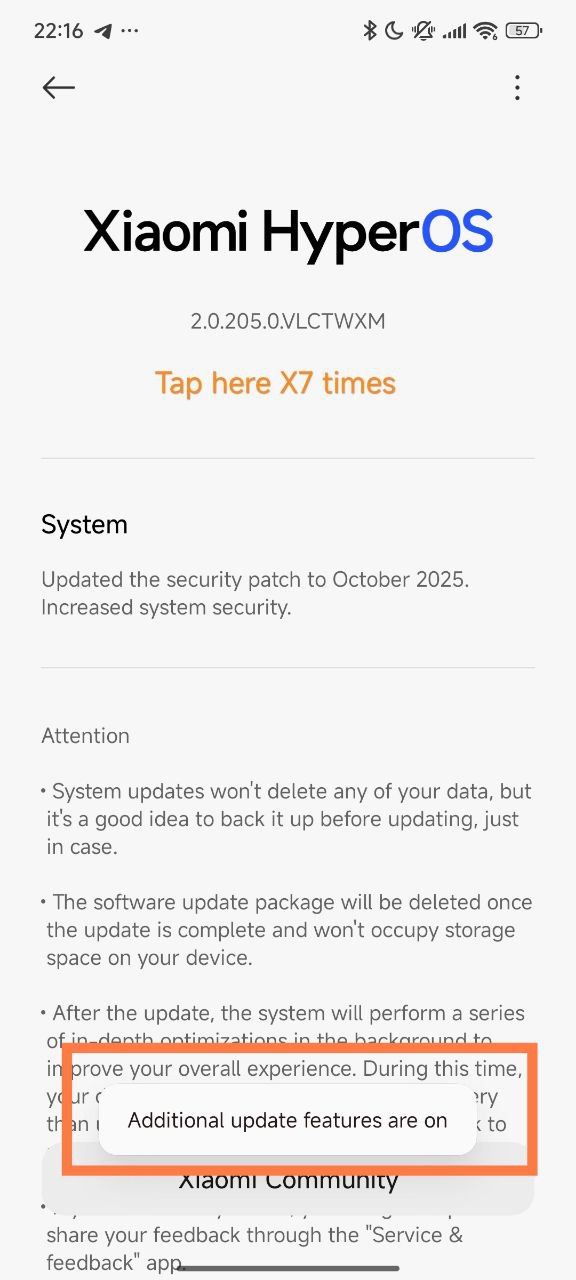
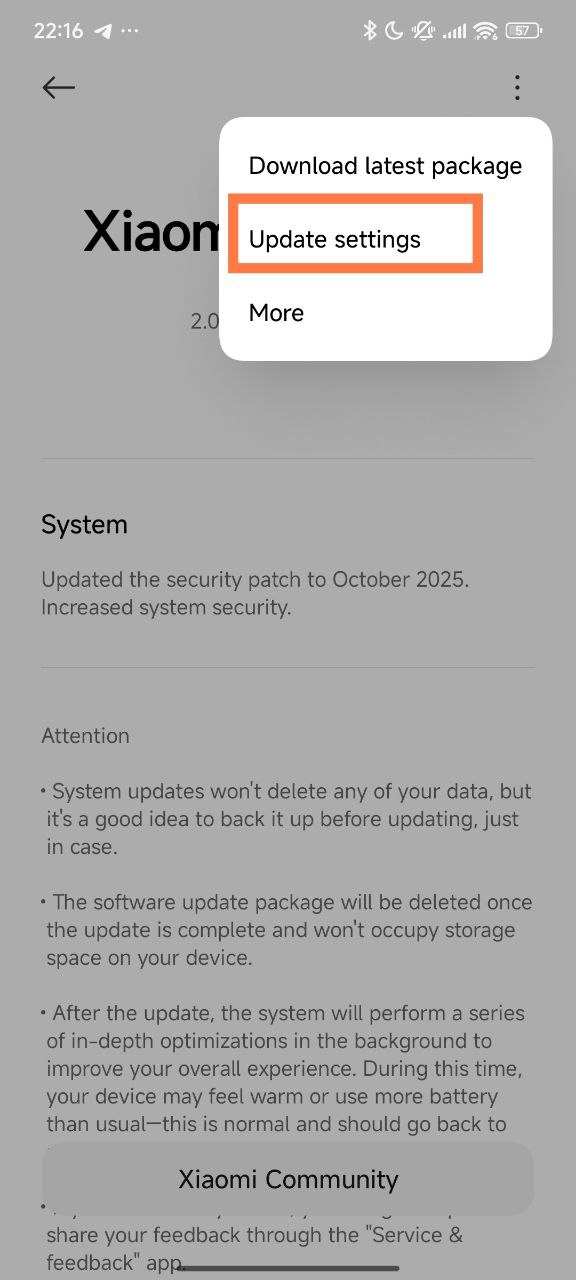
The Fix: There is a built-in option called “Get updates earlier.” This feature registers your device into a priority buffer pool. Technically, if the firmware is ready for your region, this simple toggle can move your update window forward by 24–72 hours.
Beta Programs and Stable Beta Access (The Fastest Way)
If the standard OTA is delayed, the most direct way to force the update is through Xiaomi’s official beta programs, now integrated into the Xiaomi Community app. The old “Mi Pilot” program has been replaced by a point-based system.
If you are still waiting, try this:
-
Earn Community Points: You must accrue at least 60 community points to qualify for early access. Points are gained through profile setup, daily check-ins, and basic interactions (likes, shares).
-
Pass the Test: Once qualified, you must pass a short risk-awareness test to confirm you understand beta software.
Stable Beta builds are usually distributed a few weeks before the public stable release. Once validated, this exact same build becomes the public release. Since Xiaomi tests on large populations first, China, India, and EEA (Europe) usually get firmware first. Other regions follow after local certification.
Action Plan: How to Get HyperOS 3 Now
If the update is out but you are stuck on an older version, follow these safe strategies to trigger the download without risking your device security:
-
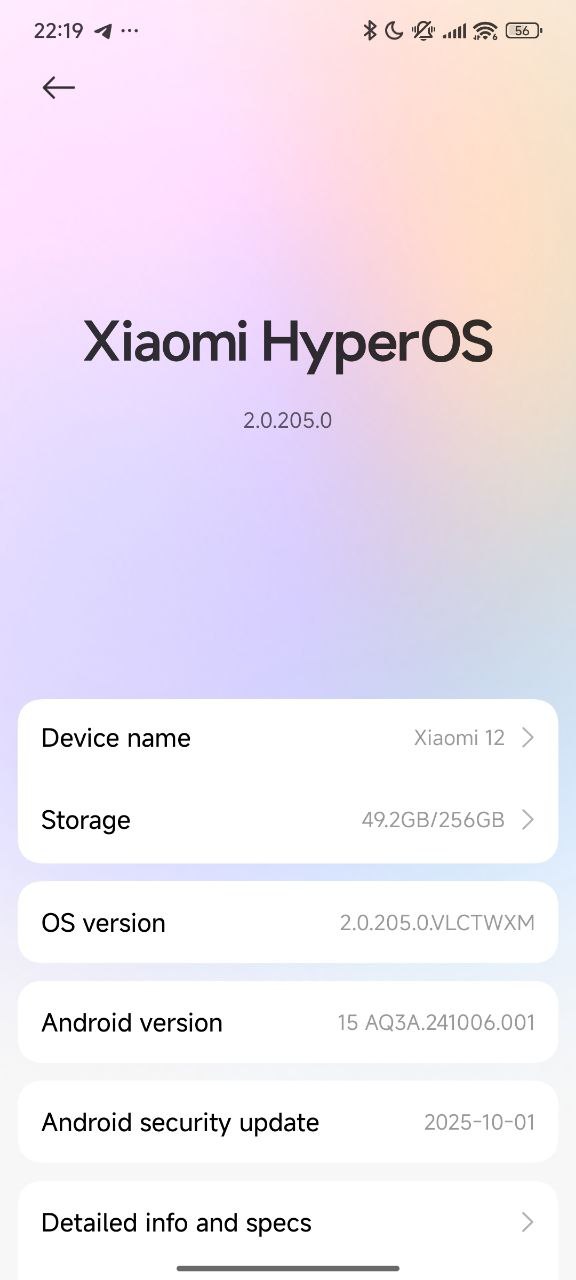
Enable “Get updates early”: Go to the Updater app settings and toggle this option on.
-
Update the Updater App: Ensure your system Updater app itself is on the latest version.
-
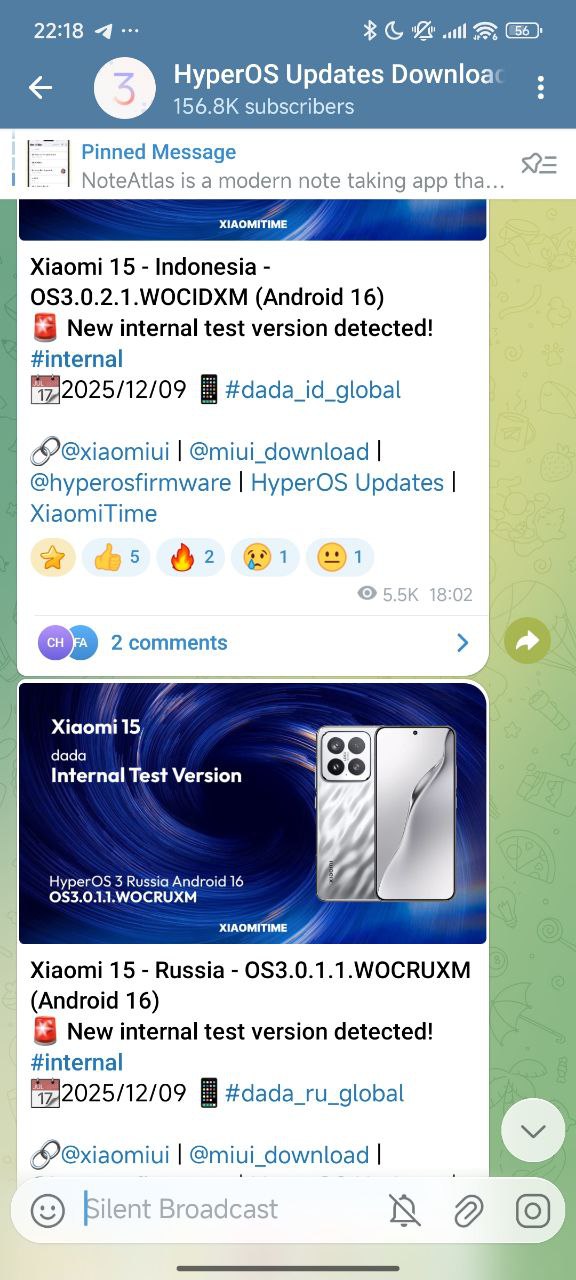
Track the Build: Follow the HyperOS Updates Telegram channel to see if the ROM for your specific region is actually out.
-
The Rename Trick / Region Switch: In some cases, switching your device region to EEA (Europe) in settings (or using the “rename trick” with downloaded packages) can force the update to appear.
Warning: Other more aggressive methods involve unlocking bootloaders or flashing custom ROMs. These are not advisable for general users, as they may void warranties and break security layers for banking apps.
HyperOS 3 is a long-term platform designed to bridge your smartphone with your car and home. The most accurate way to get it is by maximizing official updater mechanisms and community access. This ensures you get the new features as early as possible while safeguarding the integrity of your device.

Good afternoon, my name
The new update hyper 3 for my Xiaomi 15 t has not arrived in Colombia
We are really waiting for Hyper OS 3, please update it sooner.
Redmi Note 13 HyperOS 3 has not come yet, I am from Turkmenistan, please bring it to me too 🥺💔
Redmi Note 13 HyperOS 3, will it come or not? I am from Turkmenistan, please bring it to me too 🥺
This article is worthless 🙁 We shouldn’t have to come up with tricks to get updates on time, Xiaomi should properly release updates. They make too many types of phones and release new models too quickly – I bought a Poco F6 1.5 years ago, updates are slow – Hyper3 is still not available – since then the F7 and even the F8 have been released 🙁 WHY????? And now there’s even an ultra version???? But this applies to all Xiaomi phones 🙁 The worst part is they release a phone with Android 15, but 1-2 months later an update comes, so they save one main update. Very bad strategy. Xiaomi won’t be my next phone because they don’t care about their customers :(((((.
all lies. the Turk drinks on the weekend,
The option “Receive updates earlier” is not available in the unlocked settings for either my Xiaomi 12 Pro 5G or my Xiaomi 14T Pro…
The option “Receive updates earlier” is not available in the unlocked settings for either my Xiaomi 12 Pro 5G or my Xiaomi 14T Pro…
Damn, Xiaomi. You Release Poco M7 4G with Identical Processor Snapdragon 685 to Redmi Note 13 4G. Poco M7 4G received HyperOS 3 but Redmi Note 13 4G not receiving HyperOS 3. What The Hell is this?!