
 Emir Bardakçı
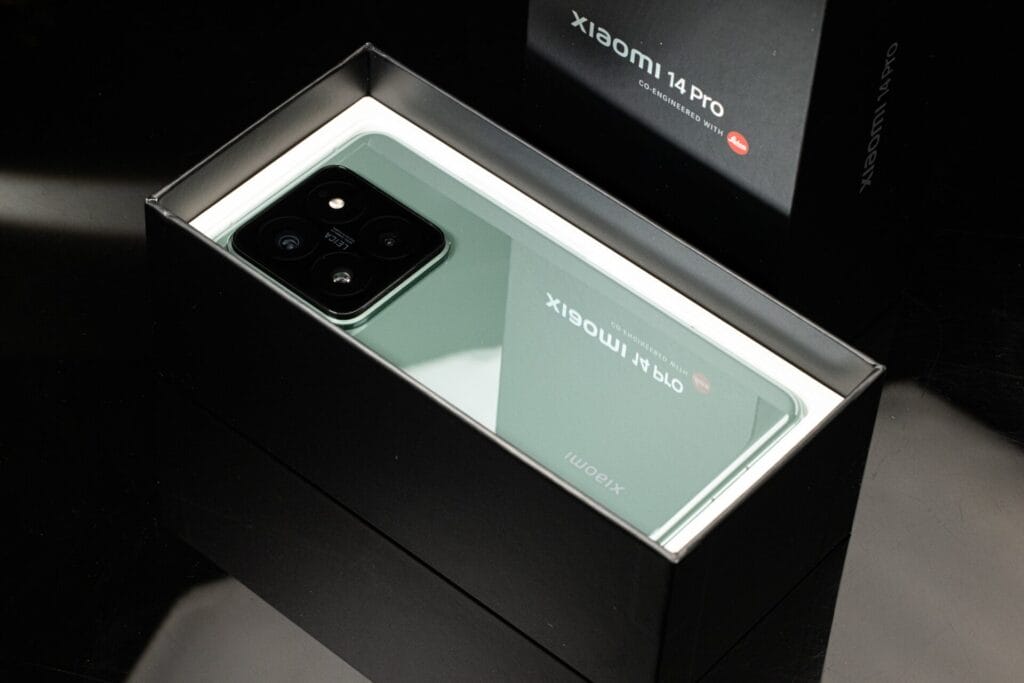
The 2026 smartphone market is facing a major hardware shift due to the high demand for AI servers. This has forced manufacturers to downgrade parts in new mid-range phones to keep prices stable. If your budget is between $500 and $600, a refurbished 2024 flagship phone (like the Xiaomi 14) gives you 40% more processing power, premium metal frames, and superior camera sensors compared to a brand-new 2026 budget model.
Expert Context: The AI Component Crisis
Based on our recent Firmware Analysis for MemeOS Enhancer and cross-referencing with official AER Data (Android Enterprise Recommended), the internal hardware of 2026 mid-range phones shows clear signs of cost-cutting. Tech giants are prioritizing high-bandwidth memory for AI data centers. This “AI Inflation” has caused smartphone RAM and storage prices to increase by 25%.
To balance these costs, new mid-range devices like the REDMI Note 15 Pro are using older Gorilla Glass and plastic frames. In contrast, 2024 flagships were built during a better hardware market, offering premium Titanium or Armor Aluminum materials that feel much more solid in the hand.
Firmware Analysis: Flagship Power vs. Mid-Range Downgrades
When we look at the core processors, the performance gap is huge. A used Xiaomi 14 or iPhone 15 Pro handles modern, heavy AI applications easily. However, the new MediaTek Helio G200 chip found in 2026 mid-range phones is essentially a recycled version of older 4-year-old technology.
| Feature | 2024 Flagship (e.g., Xiaomi 14) | 2026 Mid-Range (e.g., REDMI Note 15 Pro) |
| Processor | Snapdragon 8 Gen 3 | MediaTek Helio G200 |
| Display | LTPO (1-120Hz) | LTPS (Static 60/120Hz) |
| Build Material | Metal & Premium Glass | Plastic & Standard Glass |
| Zoom Lens | 3x/5x Optical | Digital Crop Only |
Note: While a 2026 budget phone might promise 7 years of software updates, its hardware will likely struggle to run Xiaomi HyperOS or Android 19 smoothly by the fourth year. A 2024 flagship has the processing power to age much better.

Technical Review: The 200MP Camera Myth
Do not let the “200MP” stickers on new REDMI phones trick you. High megapixels do not mean better photos if the phone lacks a dedicated Telephoto lens. Without it, zooming in on a concert stage or taking portrait photos results in a pixelated image.
Furthermore, our tests show that 2024 flagships use superior ISPs (Image Signal Processors). These processors handle low-light HDR much faster. When comparing a 2024 flagship to a new 2026 budget phone, the older flagship consistently wins in shutter speed and accurate colors.
The Final Verdict
If you want the best performance for your money in 2026, buying a brand-new budget phone is actually a hardware downgrade. We highly recommend looking at a device like the Xiaomi 14T Pro or a refurbished Xiaomi 14 Ultra. These phones were the top of the line in their time and still offer full Xiaomi HyperConnect features for seamless use with your Xiaomi Pad 6 or Xiaomi Band 9.



Hi ! “Smart Phones users”,
I particularly disagree with d writer or u can call him “Researcher”, tanx ! he himself mentioned it that “High no of Mega Pixel” not actual solutions to d camera problems.
“Budget, and Midrange phones” likes “Realme Note 50, OPPO 15 5G, Vivo V40, Vivo V60, they fall in between “Budget and Midrange Phones, if one cares to check like “Realme Note 50” it’s “Selfie ‘s 5MP Wide with auxiliary lens f/L 2.2, take snap with its camera, u just find little difference, hardly one can’t notice little difference, same applicable to like “OPPO Reno 13/15, and Vivo V40/60,”, and to everyone who cares to listen “High MP” Pics become “Blur/not clear and detailed enough” if kept for many years anyone, so not all these blabbing about higher MP, ‘s actual solutions, once again safing Pics snapped by high MP, for many years, becomes Blur
i would like to buy a flagship too but there is no available in stock