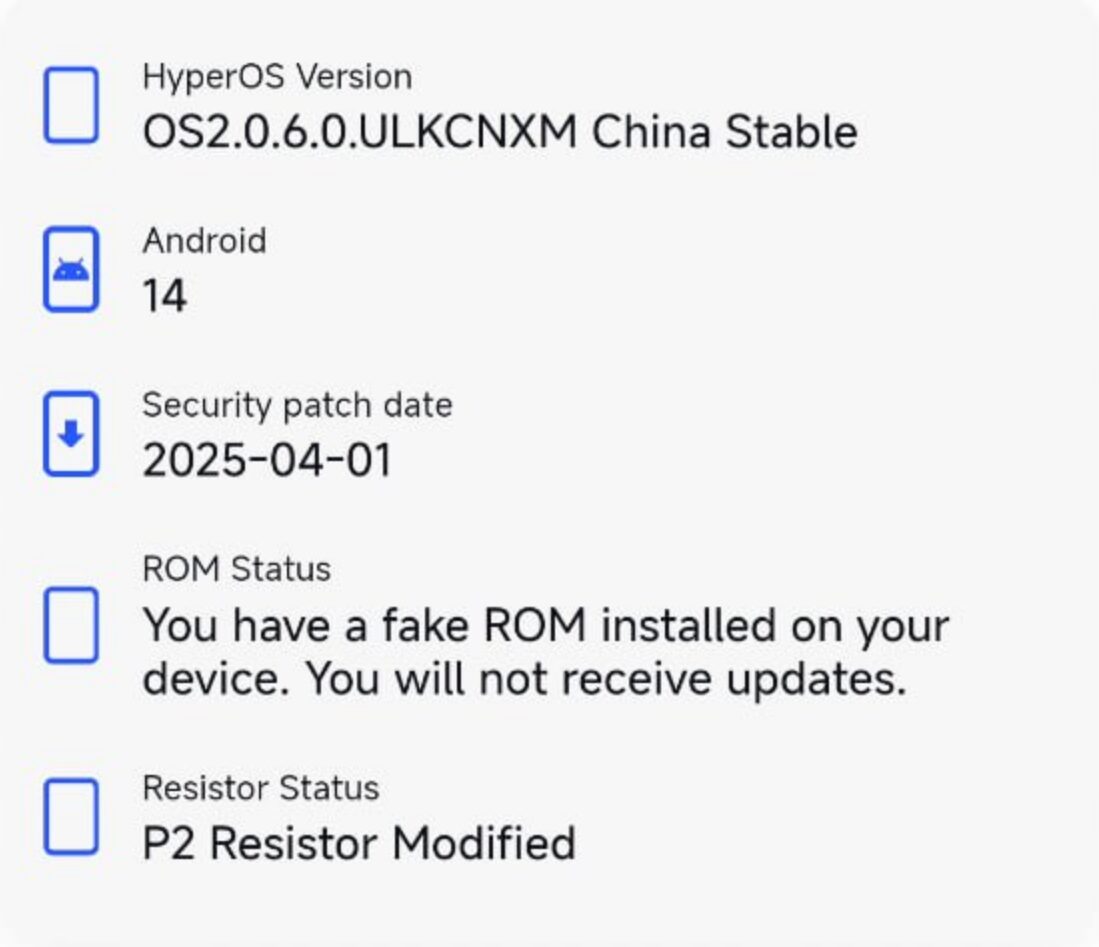
When buying a refurbished Xiaomi smartphone, it is necessary to follow a procedure to ensure hardware quality and software protection. As the refurbished market is on the rise, it is necessary to know how to distinguish between authentic products and refurbished/ grey imports. Based on various technical methodologies such as IMEI number validation and the Control & Identification Test procedure mentioned below, it is possible to make a well-informed decision. Before concluding a purchase, it is necessary to check Xiaomi Update Life Article for update life.
Identity Verification and Regional Compliance
Since a smartphone is a registered network node, its International Mobile Equipment Identity, or IMEI, becomes the decisive element, and this can only be achieved through a three-point correlation, which involves correlating the digital IMEI, found by typing #06#, with its counterparts displayed either on the sticker at the rear of the device or its packaging. If this doesn’t match, then there could be a case of fraud, as a replacement of the motherboard could be done. The fee for registering an IMEI within some geographical locations, such as Turkey, reaches around $1,263.
A summary of region suffixes for Xiaomi model numbers is provided in the table that follows:
| Suffix | Region | Network & Software Characteristics |
| G | Global | Full Google Services, global LTE/5G bands. |
| C | China | Much limited Google Services, missing Band 20 (800MHz). |
| I | India | Region-specific software, often lacks NFC. |
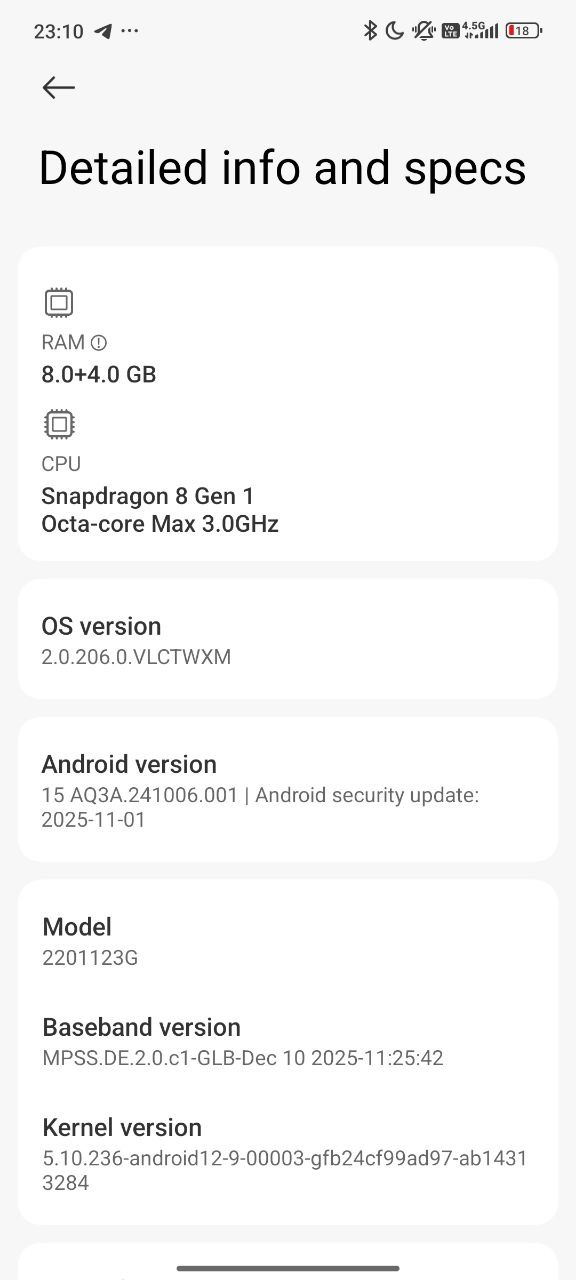
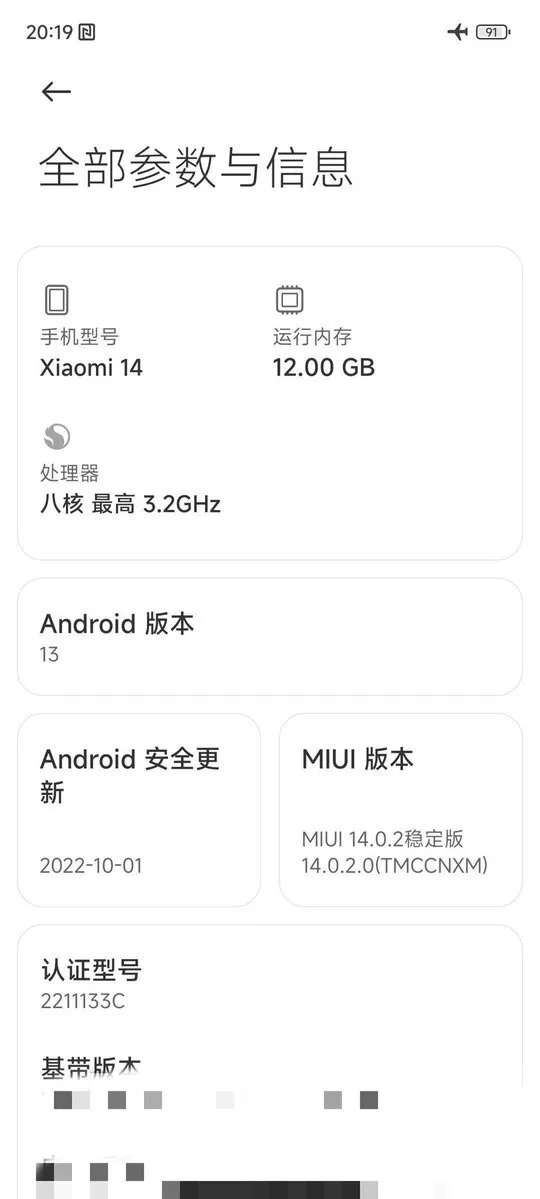
Hardware Diagnostics from the CIT Menu
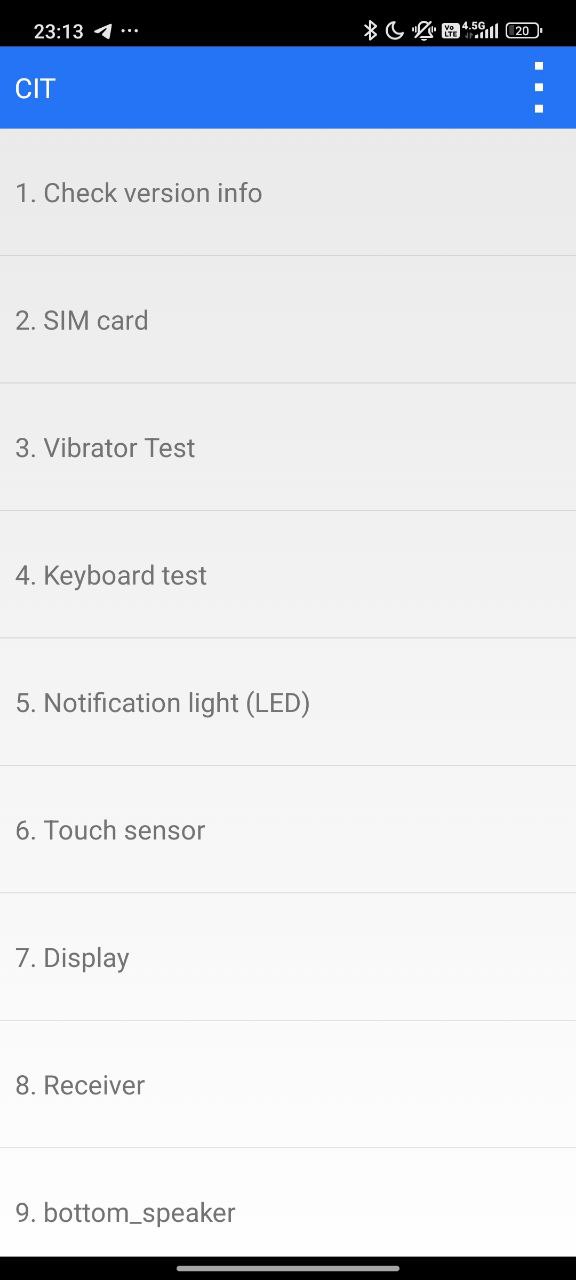
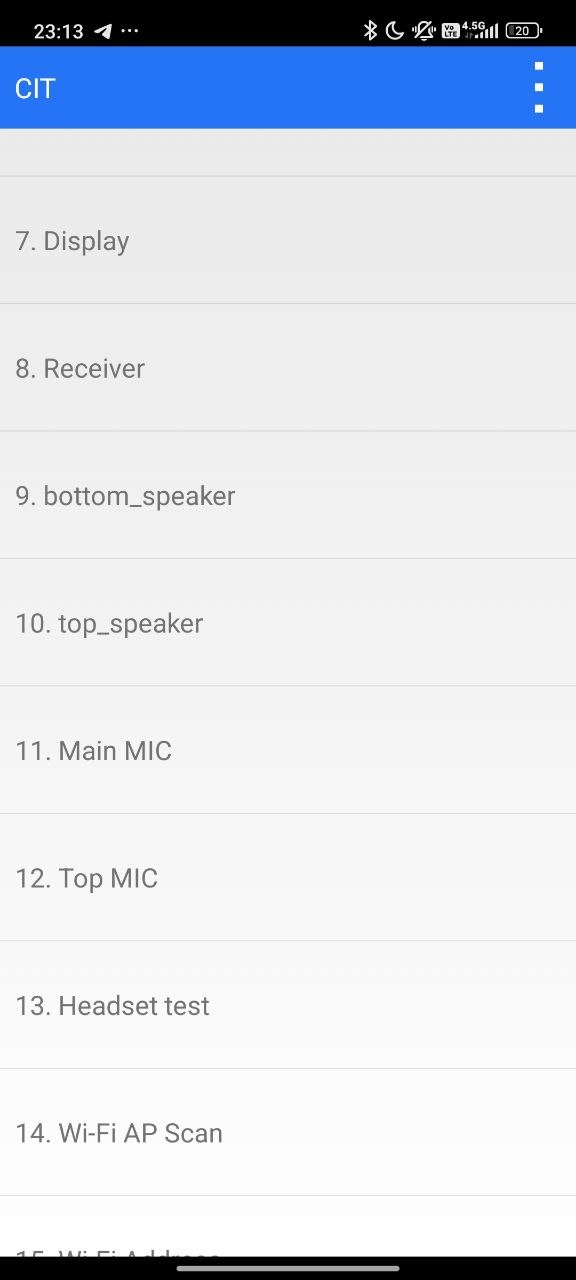
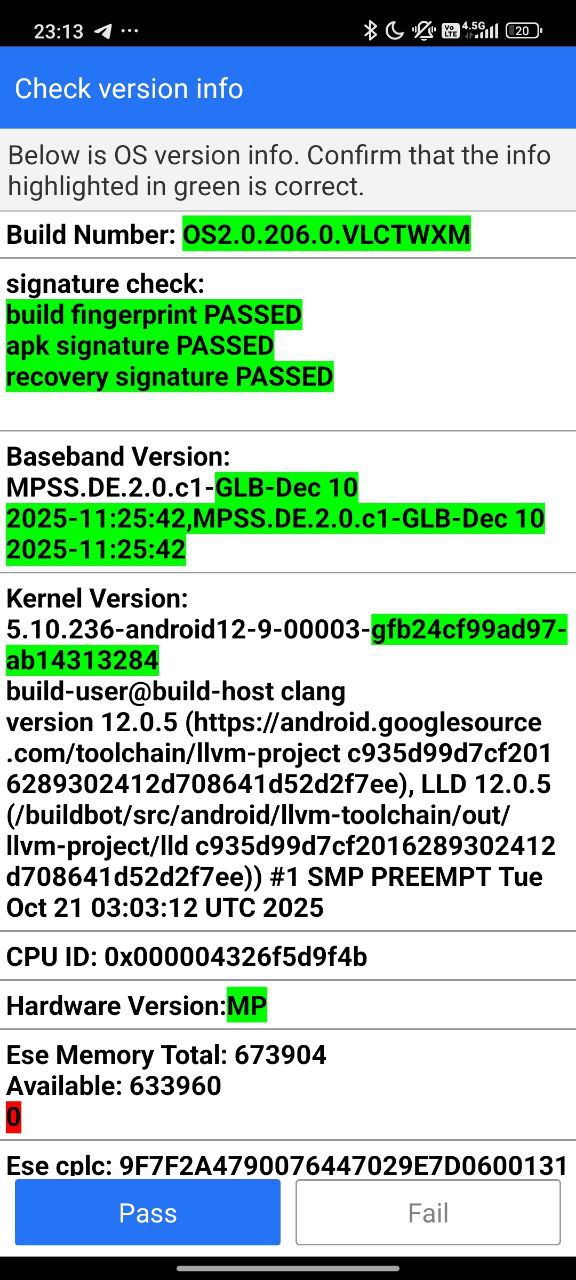
Xiaomi also has a native diagnostic interface that is referred to as Control and Identification Test (CIT). This is a feature that enables you to check the internal features without necessarily opening your phone by utilizing the kernel drivers. To enter this interface, you should go to Settings > About Phone > All Specs and press the “Kernel Version” option five times. As an alternative method, you may use *#*#64663#*#* in your dialer.
- Display Calibration: Cycle through colors in order to find any burn-in or dead pixels in the AMOLED display.
- Touch Panel: Use lines on the touch panel to make sure there are no dead zones on the grid.
- Audio Loopback: Check the speaker and headset for any cracking low sound.
- Sensor Stability: Verify that the proximity sensor and the gyroscope are working properly.
Battery Health and Software Security
Battery degradation is another point of failure in second-hand devices. The battery cycle number can be checked by settings. A battery life of less than 500 means that the battery still has life.

Moreover, it is necessary to delete the Mi Account. A locked Mi Account means that the device cannot be activated after performing a factory reset.
Fake ROM Detection
Acquiring a pre-owned device requires technical verification of the hardware-software synergy. The MemeOS Enhancer app provides a diagnostic suite to identify “Fake ROMs” and unauthorized “resistor modifications” used for illegal IMEI repairs. These alterations compromise Xiaomi HyperOS security and hardware longevity. Through our MemeOS Enhancer app, users can use this tool to unlock hidden features, update system apps, and access early updates, ensuring the integrity of their device’s original manufacturing standards.
| Feature Check | Detection Method | Security Risk |
| Fake ROM | MemeOS Digital Signature Audit | High (Missing Security Patches) |
| Resistor Mod | Hardware Logic Consistency | High (Motherboard Instability) |