


Devices used by professionals working in demanding sectors like agriculture, mechanics, and heavy industry should be resistant to harsh environments. A typical smartphone usually can’t withstand all the dust, mud, and physical impacts that happen during field operations in Europe. In this review, we will look at some of the most suitable Xiaomi smartphones for “dirty jobs,” namely the Redmi Note 14 Pro+ 5G and the Xiaomi 14T. We will delve into their IP ratings, screen durability, and repair economy so you can take the right decision in choosing your trusted companion for field operations.
Operational Challenges in Industrial Environments
The gap between laboratory durability tests and real-world conditions is significant, especially in agriculture and mechanical sectors. Understanding specific stress factors will contribute to device selection.
Threats in Agricultural and Mechanical Fields
The main enemy for farmers and agricultural engineers is abrasive micro-particles. Soil contains silica and minerals that are much harder than glass and can scratch screens and block charging ports. That is why an IP6X dust-tight rating is not a luxury but a must. Moreover, devices must have very high resistance to corrosion due to exposure to fertilizers and moisture.
In the mechanical repair industry, however, the risks shift toward physical impacts and chemical exposure. Mechanics often work in tight spaces where phones are subjected to pressure in pockets or drops onto concrete; oil and solvents can degrade oleophobic coatings and adhesives. Here, the structural integrity of the frame-specifically, the difference between aluminum and plastic-becomes the deciding factor for longevity.
Analyzing the Durable Technologies at Xiaomi
Xiaomi has raised the bar in terms of durability for 2025, especially with the “Redmi Note” and “T” series, but different architectural decisions bring various advantages among industrial users.
IP68 Protection: How Important Is It?
The “Ingress Protection” rating, or IP rating, is the most objective measure of a phone’s seal.
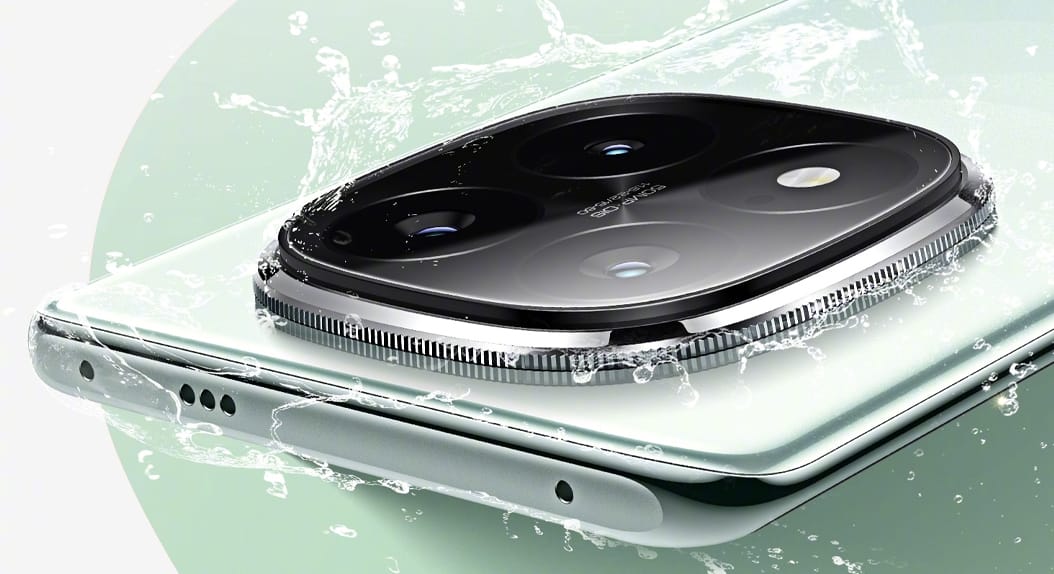
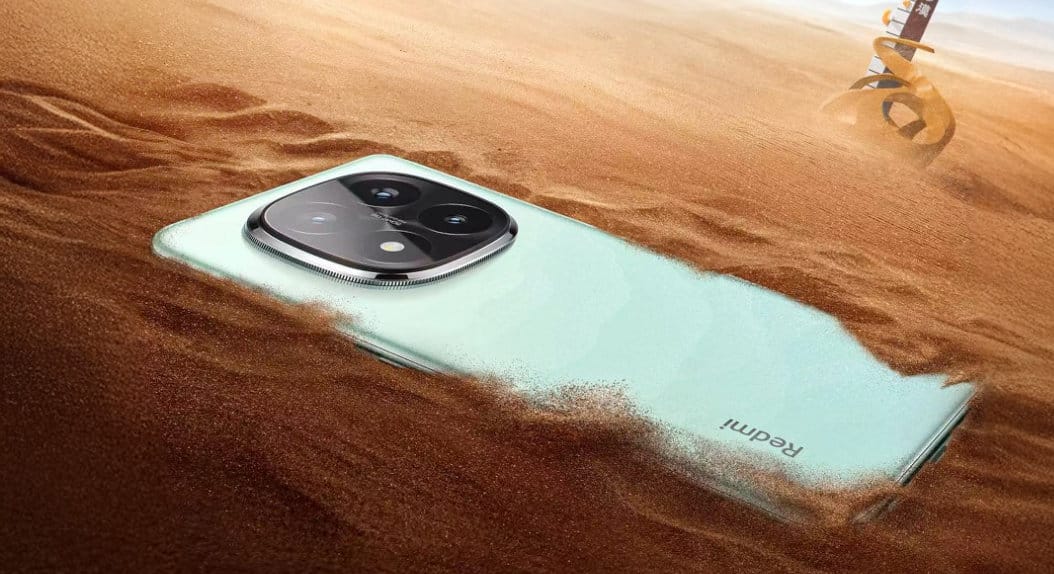
- IP68 (The Gold Standard): Models like the Redmi Note 14 Pro+ 5G and Xiaomi 14T feature this rating. It ensures the device is dust-tight and can withstand submersion in water-usually 1.5 meters for 30 minutes. This allows a muddy phone to be washed under a tap or survive a drop into a wet field.
- IP54/IP64 Limited Protection: Devices such as the POCO F6 Pro or the X6 Pro have limited protection against splashes. While very good for gaming, they are not recommended for serious industrial work where liquid submersion or fine metal dust is an ever-present danger.
Screen Architecture: Curved vs. Flat Displays
The Redmi Note 14 Pro+ 5G uses Corning Gorilla Glass Victus 2, which is of the highest class and even specifically developed for drops on rough surfaces. Its curved screen design, though, exposes the edges of the glass to side impacts, which is a structural weakness. In addition, it is hard to apply effective tempered glass protectors to curved screens, leaving the panel exposed.
By contrast, the Xiaomi 14T sports a flat display covered by Gorilla Glass 5. The generation of glass is older, but the flat geometry enables the metal frame to absorb corner impacts. Also essential to mechanics, a flat screen enables cheap, heavy-duty screen protectors to be applied with ease. You’ll save money having to replace a $10 protector versus a $170 screen module.
Model Specific Analysis by Professionals
Redmi Note 14 Pro+ 5G: The Theoretical Leader
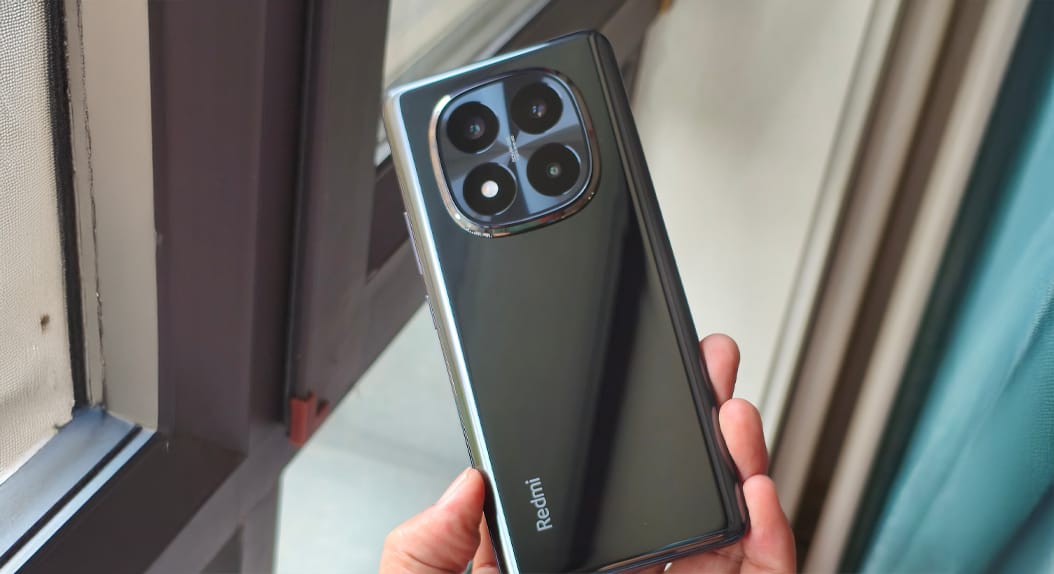
Sold with the slogan “All-Star Durability,” this model sports the “Xiaomi Guardian Structure” with internal cushioning to better protect the motherboard and battery against shock. Available composite back materials shatter less easily than glass, but the plastic frame offers reduced rigidity under bending forces compared to metal-a factor for those who carry phones in tight work trousers.
Xiaomi 14T: The Industrial Powerhouse
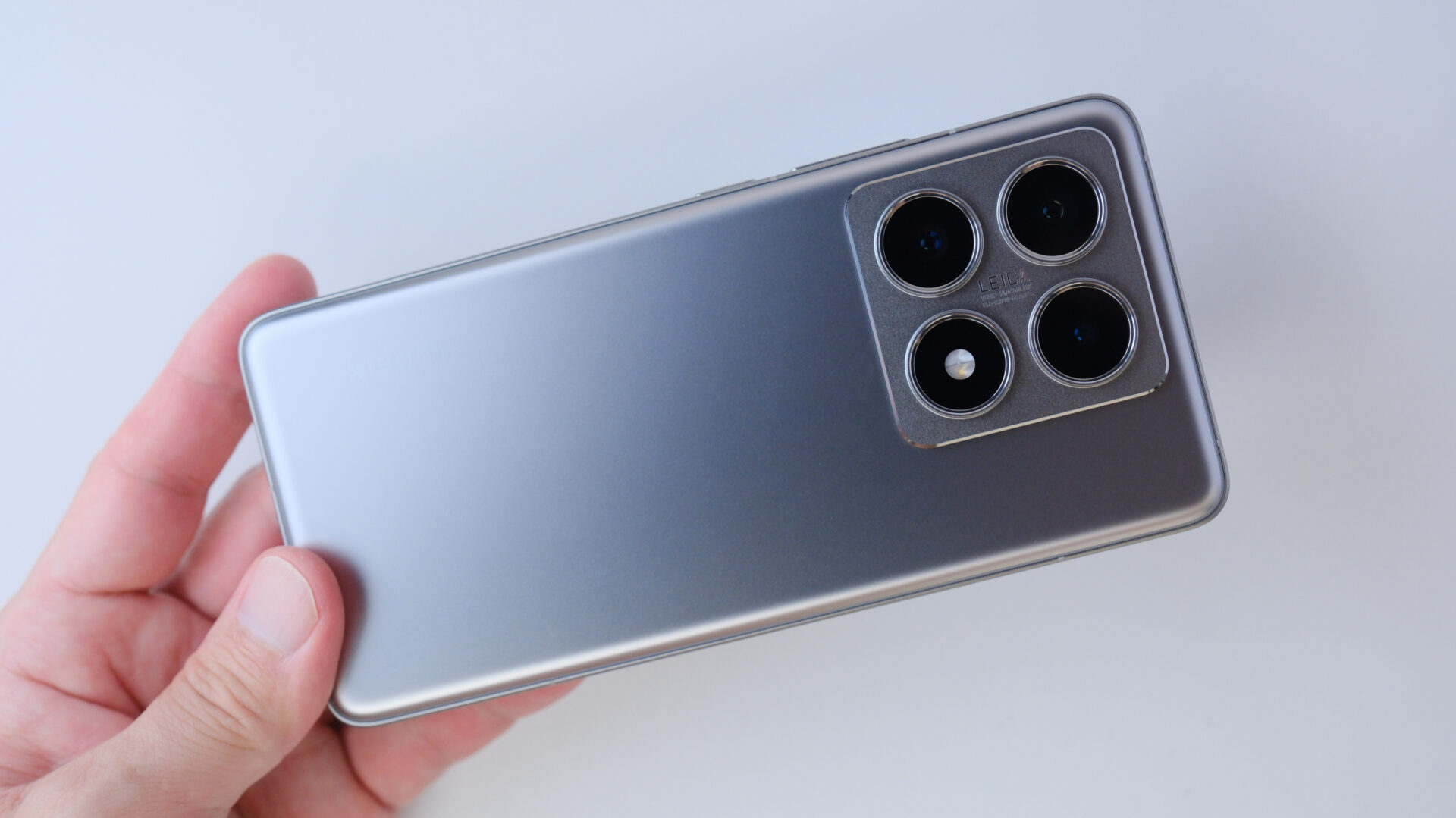
The Xiaomi 14T perfectly combines performance with structural rigidity. Based on a high-strength 6M13 aluminum alloy frame, it is broadly used in aerospace industries. This kind of material helps provide supreme resistance to bending and drops. Besides, this device has outstanding thermal management and won’t overheat during some outdoor work under direct sunlight.
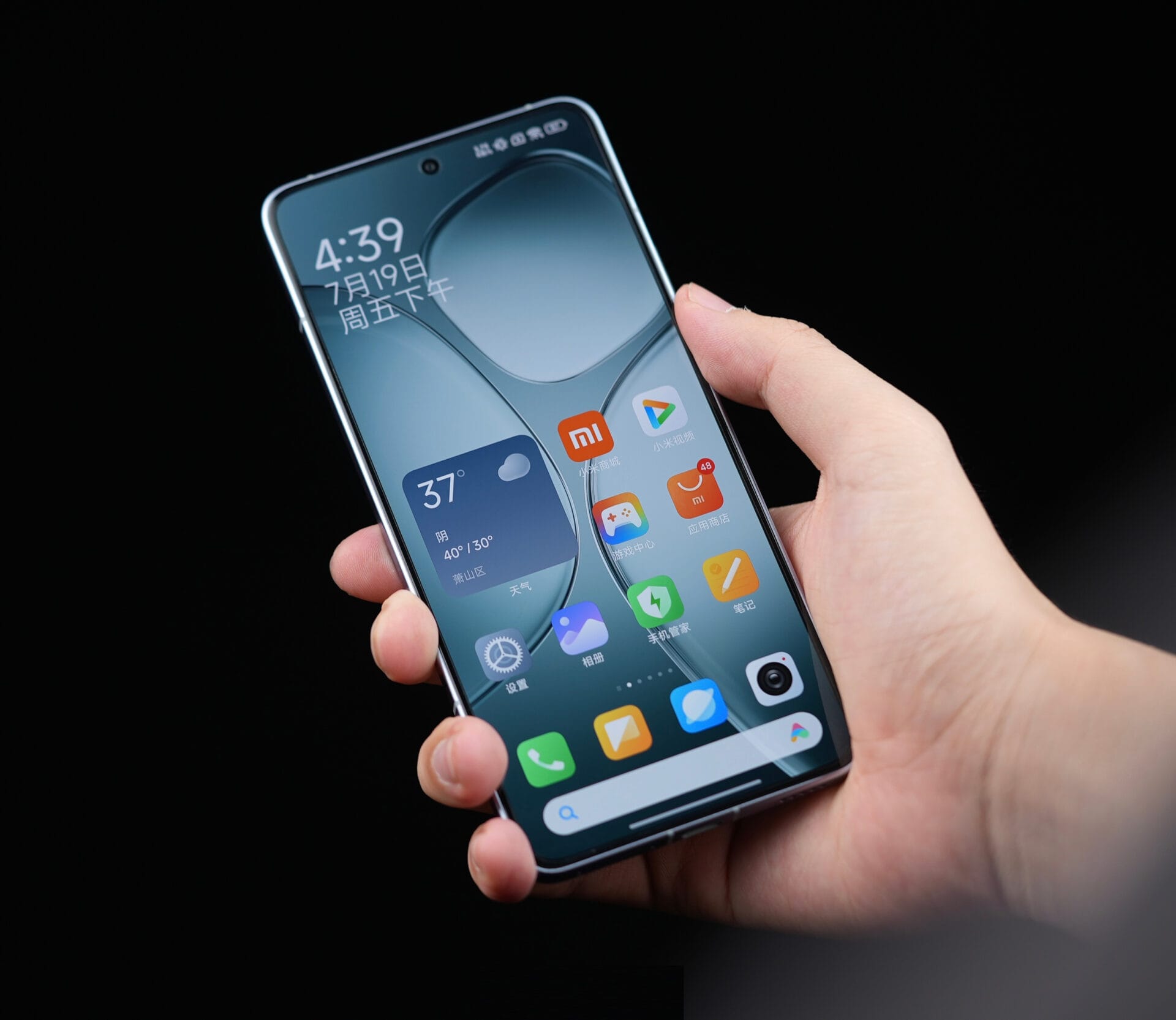
For software longevity, this device supports 4 years of Android updates. Users can track these updates and manage system versions easily through our MemeOS Enhancer app to keep your phone secure throughout its operational life.
Repair Economy and Total Cost of Ownership
For field workers, the purchase price is only the starting point, as the TCO includes potential repairs and protective accessories.
Cost Analysis of Repairs
The table below estimates repair costs, converted into USD and showing European market trends for the year 2025.
| Model | Screen Type | Est. Screen Part Cost | Repair Difficulty |
| Xiaomi 14T | Flat AMOLED | ~$130 – $165 | Low: Easy to protect with tempered glass. |
| Redmi Note 14 Pro+ | Curved AMOLED | ~$110 – $145 | High: Curved glass is harder to replace and seal. |
| POCO X6 Pro | Flat AMOLED | ~$35 – $55 | Medium: Cheaper parts, but lower device durability. |
While the Xiaomi 14T has a higher preliminary screen cost, the ability to use regular screen protectors greatly reduces the likelihood of breaking the actual display. On the other hand, a curved screen on the Redmi Note series tends to require a complete replacement of the display after a side impact, increasing the possibility of long-term damage.
Final Verdict and Recommendations
Which one of these devices you choose depends on the work environment. For Agriculture and Farming, the Redmi Note 14 Pro+ 5G is a solid choice, considering its class-leading waterproof and dust-resistant rating. In practice, though, it needs to be installed in a heavy-duty 360-degree case to offer any real protection for the curved screen edges.
The Xiaomi 14T represents the rational investment for the purposes of Mechanics and Heavy Industry. Its aluminum frame resists crush forces, and the flat screen is readily armored with tempered glass. With an initial investment of about $550 – $650, the reduced risk of catastrophic damage makes it the most economical option over the long haul for “dirty jobs”.



روح نيكمك وجه زبي