


Whereas the technology community in general has fully adopted the wireless revolution, many of us remain loyal to our premium wired headsets. Be it the absence of lag in gaming headsets or the sound superiority of analog drivers, the 3.5mm headphone jack has remained a much-desired port. We have been observing the hardware development process at Xiaomi over the past year, and it is a dynamic situation indeed. Although their flagships are already embracing a “portless-adjacent” design paradigm, there are a number of categories in Xiaomi HyperOS that continue to address “wired only” users.
Why is the Headphone Jack Vanishing?
I’m often questioned about the reason for removing such a simple port by Xiaomi. The reason is related to what is known as the battle for internal real estate. Powerful chips such as Snapdragon 8 Elite need large Vapor Chambers, and these often push out the analog port. Moreover, it is easier and less expensive to make the phone IP68 water-resistant without an open hole for a 3.5mm jack. We have observed this trend taking hold with the Redmi Note 14 Pro+, where the emphasis on durability caused the company to ditch the jack for better sealing.
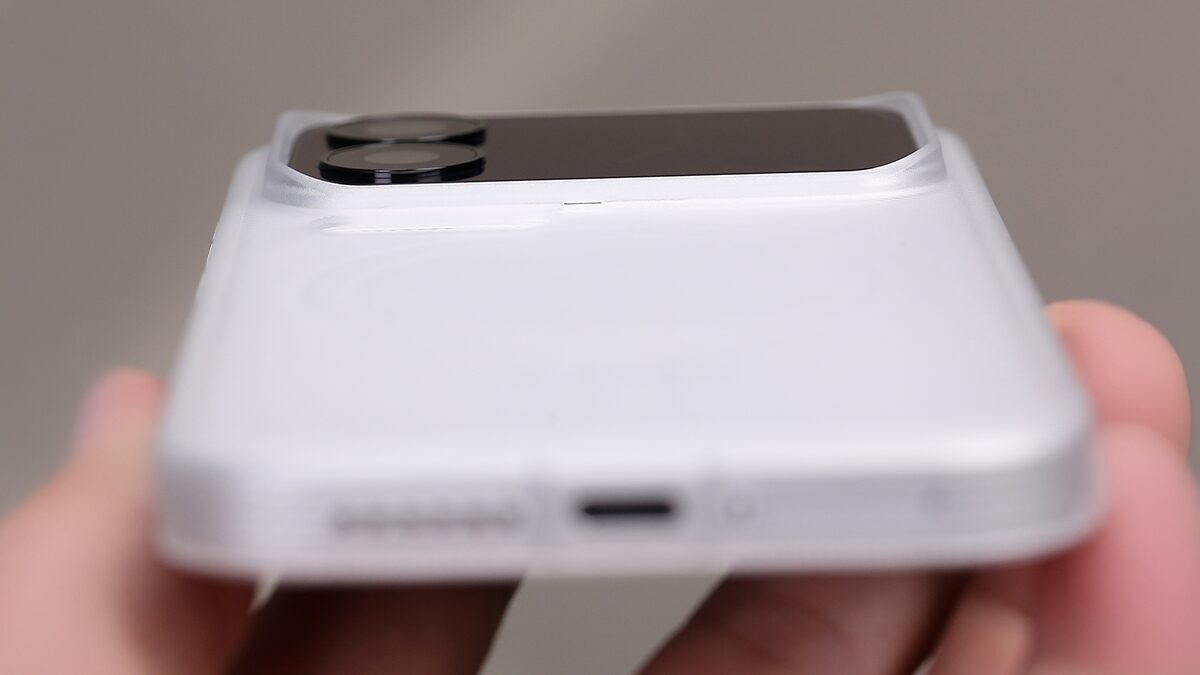
Which Xiaomi Phones Still Have a 3.5mm Jack?
If you’re in the market for a new smartphone in 2026 that’s compatible with your favorite IEMs, there aren’t many options to choose from, aside from mid-range and budget phones. The POCO X6 5G still stands out as one of the “hybrid” phones in the market, with its Snapdragon 7s Gen 2 processor and good analog output.
In terms of budget, both Redmi 15C and POCO M6 Pro are the top picks when it comes to wired audio. They are meant for those who do not want to pay extra for a pair of Bluetooth headphones.
What Are the Best Alternatives for Wired Audio?
If you have already bought a phone such as the POCO F6 or the soon-to-be-released flagships that are powered by the Snapdragon 8 Elite, don’t worry because there is still hope for you. We would recommend that you use the Active USB-C DAC. Personally, we would suggest FiiO KA11 or Xiaomi ANC Type-C Earphones. These products enable you to overcome the limitations of your smartphone and even deliver a sound stage quality much beyond what is possible with 3.5mm jacks.
Quick Comparison Table
| Model Family | Model Name | Release Date / Active Period (2025) | Processor (SoC) | 3.5mm Jack Status | Audio Features & Notes |
| Redmi Note | Redmi Note 14 Pro (Global 4G) | January 2025 | Helio G100-Ultra | YES | Hi-Res Audio, Dolby Atmos, IP54/64 |
| Redmi Note | Redmi Note 14 5G | January 2025 | Dimensity 7025-Ultra | YES | Top-mounted jack, 45W charging |
| Redmi Note | Redmi Note 14 (4G) | January 2025 | Snapdragon/Helio (Region-based) | YES | Entry-level multimedia, FM Radio |
| POCO M | POCO M7 Pro 5G | Dec 2024 / Q1 2025 | Dimensity 7025-Ultra | YES | Gaming-oriented zero latency, SD Card |
| POCO C | POCO C75 | Q4 2024 / Q1 2025 | Helio G81-Ultra | YES | 150% Volume Boost mode, 6.88″ Display |
| Redmi | Redmi 14C / 15C | Q4 2024 / Q1 2025 | Helio G81-Ultra | YES | Jack protection in a stylish design |
| Redmi | Redmi A4 5G | Q1 2025 | Snapdragon 4s Gen 2 | YES | Cheapest 5G + Jack combination |
| Redmi | Redmi 13 / 13C 5G | 2024 (Still on sale in 2025) | Helio G91 / Dimensity 6100+ | YES | Previous generation still on active sale |
What’s Next for Xiaomi’s Audio Strategy?
But we think that the 3.5mm jack will only become even more of a rarity with the further development of the Xiaomi HyperConnect in terms of wireless latency. Nevertheless, for the coming year, the “Base” models of the Redmi Note lineup seem set to remain the last stronghold of the analog jack.



