


The Xiaomi smartwatch ecosystem has received much attention with the expansion of 5G across mobile and IoT devices. Indeed, many users looking for next-generation wearables often raise the question of whether Xiaomi provides true 5G-supported smartwatches or not.
Actually, according to various technical reviews and official device specifications, Xiaomi does not have any commercially available smartwatch that natively supports 5G cellular connectivity. It is essential to note this because, in most product pages and marketing materials, the term “5G” is used to refer to 5GHz Wi-Fi, not cellular connectivity.
Current Connectivity Architecture of Xiaomi Smartwatches
Before discussing future technologies, let’s understand how Xiaomi has structured the connectivity system of its present smartwatches. The brand focused largely on stable and power-efficient network solutions rather than pushing early-stage 5G hardware into small-form devices.
XIAOMI smartwatches rely primarily on Bluetooth, dual-band Wi-Fi, and mature 4G LTE infrastructure. Devices like the Xiaomi Watch 2 Pro, Xiaomi Watch S3, and Xiaomi Watch S4 show the decision of Xiaomi to focus on battery efficiency and thermal stability. Xiaomi doesn’t integrate full 5G New Radio hardware into this watch; it uses optimized chipsets balancing performance and power draw, which is highly critical for compact wearable designs.
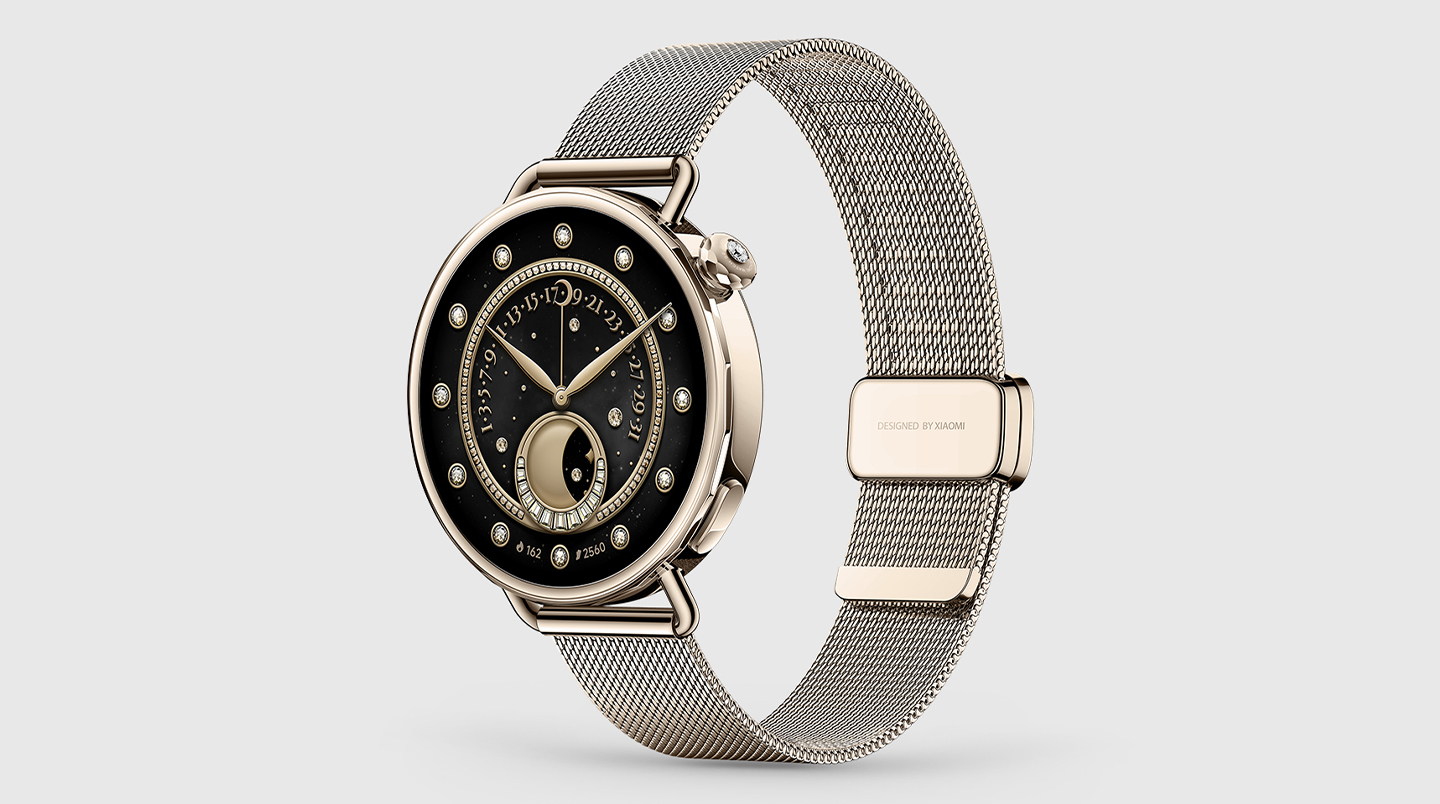
Difference Between 5G Cellular and 5GHz Wi-Fi
Many technical specification tables of Xiaomi have “2.4G/5G” labels that have caused confusion in the global market. It means just Wi-Fi frequency bands and not cellular technologies.
5GHz Wi-Fi is for short-range and high-speed data transfer in local networks. It enhances download speeds for updates and diminishes interference in wireless environments, but it does not connect to mobile carrier 5G networks. That, in fact, helps explain a difference many consumers have generally assumed-that no Xiaomi smartwatch incorporates a 5G modem.
4G LTE & eSIM – Xiaomi’s Strategic Focus
It instead invested heavily in mature 4G LTE + eSIM architecture to deliver reliable standalone connectivity without sacrificing battery life. This strategy alone is now far more practical for wearable products.
The Xiaomi Watch 2 Pro and Xiaomi Watch S4 model uses eSIM technology inlaid within, enabling users to directly activate carrier profiles from their watch. With such a feature, independent calling, data synchronization, and cloud services are possible without having to depend on the connectivity of a smartphone.
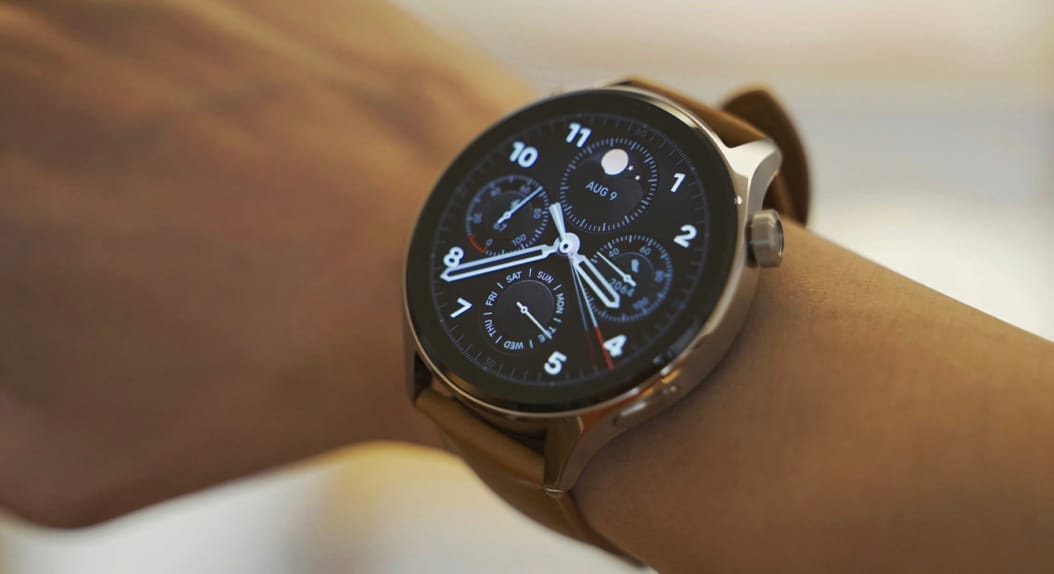
Key Advantages of LTE-Based Xiaomi Smartwatches
- Multi-band LTE provides stable global network compatibility
- Less power used compared to the current 5G modems
- Enhanced heat management within small-sized watch cases
- Real-world battery life consistent at 1–7 days depending on usage
This approach has ensured dependable connectivity while maintaining safe thermal performance during daily wear.
Why 5G Is Not Practical in Smartwatches Yet
While integrating full 5G NR into a smartwatch introduces major engineering obstacles, the battery density, antenna size, and heat dissipation remain the biggest obstacles across the industry.
Modern 5G modems use 20–40% more power than LTE equivalents. That would drastically cut the battery life of devices with typical 300–600 mAh capacity. Also, the required antenna structures are difficult to isolate inside metal or titanium watch bodies without signal loss or interference.
These are the physical reasons why Xiaomi, like many other major manufacturers, has so far not issued a proper 5G smartwatch.
Future Roadmap: When Can Real 5G Appear in Xiaomi Watches?
The future of true 5G in wearables will be led by 5G RedCap technology. This standard is specifically engineered for smaller, low-power devices such as smartwatches and industrial IoT equipment.

5G RedCap provides significantly lower power consumption and maintains download speeds far in excess of what a smartwatch would actually require. Based on industry estimates, modems of this type should become commercially viable in consumer wearables by about 2026.
Through internal chip development strategy, Xiaomi is already preparing for this transition. Some variants of the Watch S4 reportedly pack in proprietary connectivity silicon, aimed at optimizing power efficiency as it prepares the brand for faster adoption once RedCap networks mature around the globe.
Final Verdict: Do Xiaomi Smartwatches Support 5G?
The present technical reality is simple and transparent:
- Xiaomi does not make smartwatches with native 5G cellular connectivity.
- All cellular-enabled models now rely on 4G LTE + eSIM.
- The “5G” label referred to in specifications applies to 5GHz Wi-Fi alone.
- Actual deployment of 5G smartwatches is only expected to occur after the more general availability of 5G RedCap.
For those users who need stable, independent connectivity today, Xiaomi’s LTE-enabled smartwatches already do a great job without the drawbacks of these early 5G implementations.



