


Smartphone cameras have become an integral part of the Xiaomi ecosystem, ranging from Redmi smartphones in China to the Xiaomi T series worldwide. With the growing usage of long exposure, night photography, and 4K videos, concerns have started rising regarding the age of image sensors, shutter counts for Android smartphones, and their overall reliability. This article will present an overall analysis of image sensors in terms of CMOS technology, Android camera systems, and top image sensors available in the market from Sony, Samsung, and OmniVision technologies.
Do Smartphone Camera Sensors Physically Degradate?
Camera smart phones utilize CMOS sensors, which are completely different from how conventional camera mechanisms are designed. CMOS sensors do not contain any shutter that moves; consequently, there are no friction issues as experienced in digital SLR cameras.
Over an extremely long time, the CMOS image sensor may exhibit a slight aging effect of the semiconductor material due to heat, voltage, and use. This kind of aging effect takes place over a longer period, which is much longer than the average three to five years of a smartphone’s life cycle. As a fact, the degradation of image quality by the aging effect of the image sensor has been considered highly improbable.
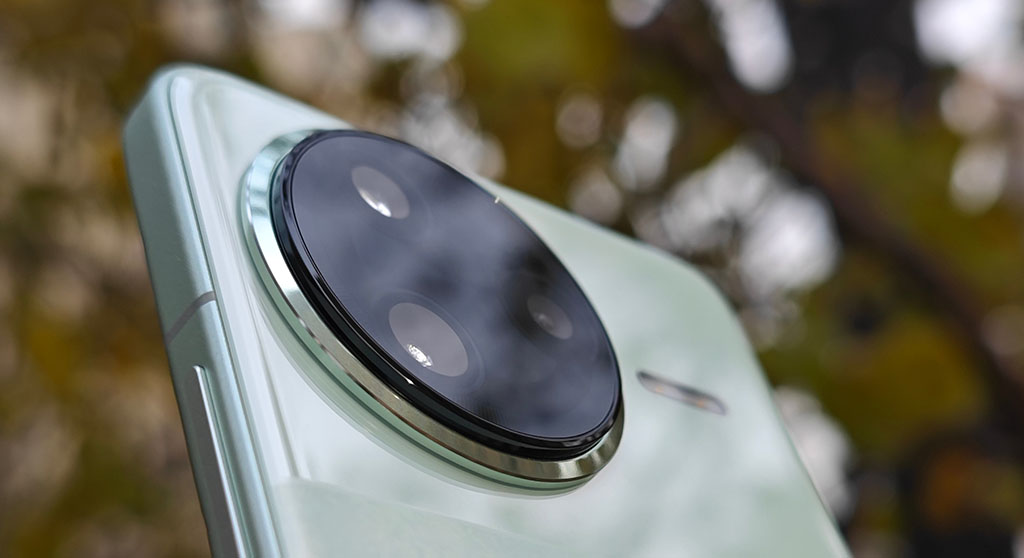
What is generally considered ‘camera aging’ may be generated by other matters, including scratched lens glass, dust accumulation, and modifications achieved through software upgrades rather than anything having to do with the camera sensors.
Does Android Phone Have a Shutter Count?
“Shutter count” is a term that is related to cameras that have mechanical shutters. The shutter opens and closes each time an image is taken, and this action activates a moving component. Android smartphones do not have mechanical shutters. They have digital rolling shutters. The sensor is scanned line by line.
Because of this design, a traditional number of shutter activations becomes irrelevant for Android phones. Though the manufacturer may record camera use statistics for testing and analysis, this number is not a good indication of the camera sensor status. A short video recording may accumulate thousands of sensor read cycles, rendering the number of photos irrelevant.
In conclusion, shutter count in smart phone cameras is not a good indicator of their longevity and dependability.
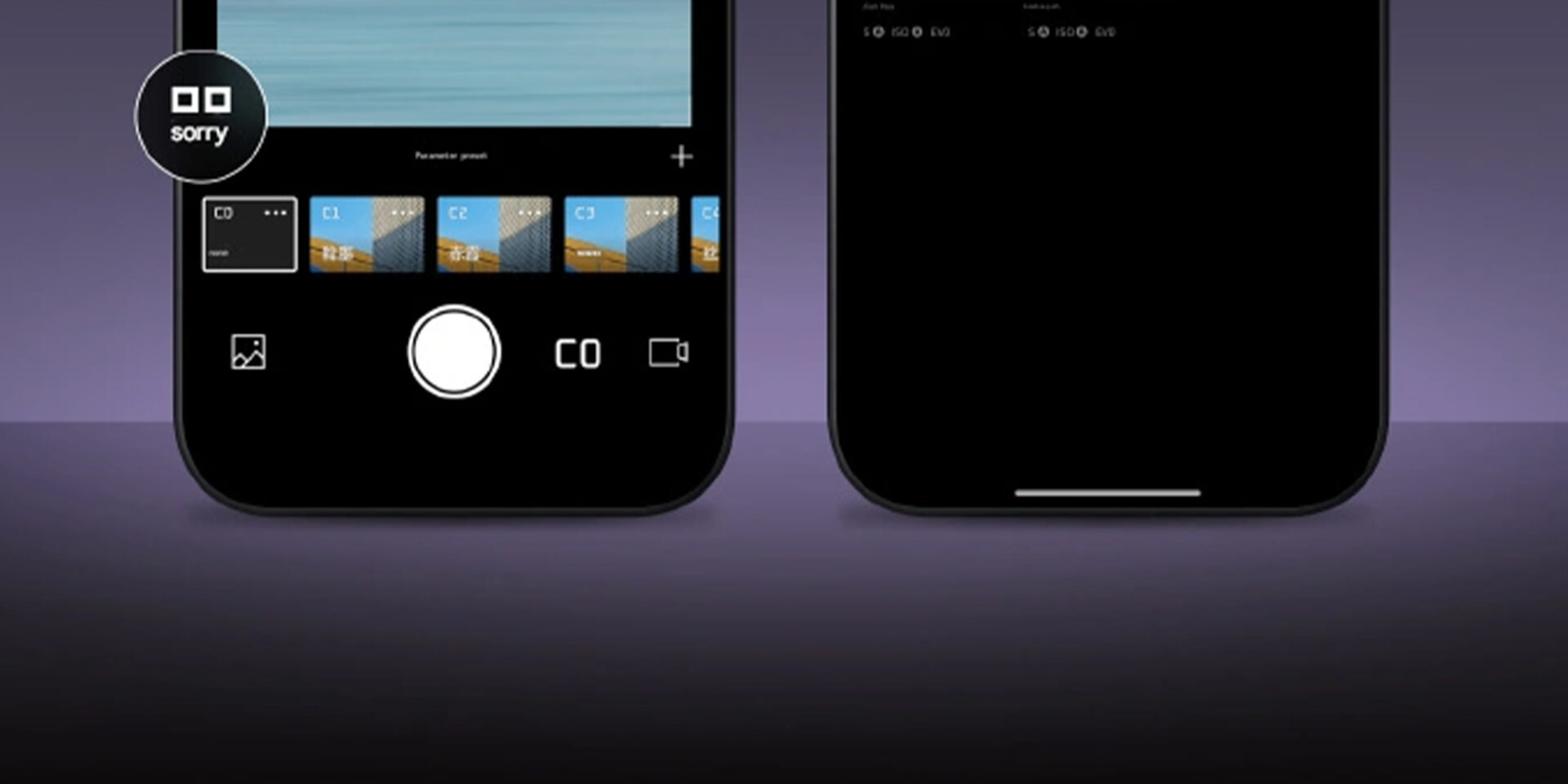
Do Long Exposure and Night Modes Damage the Sensor?
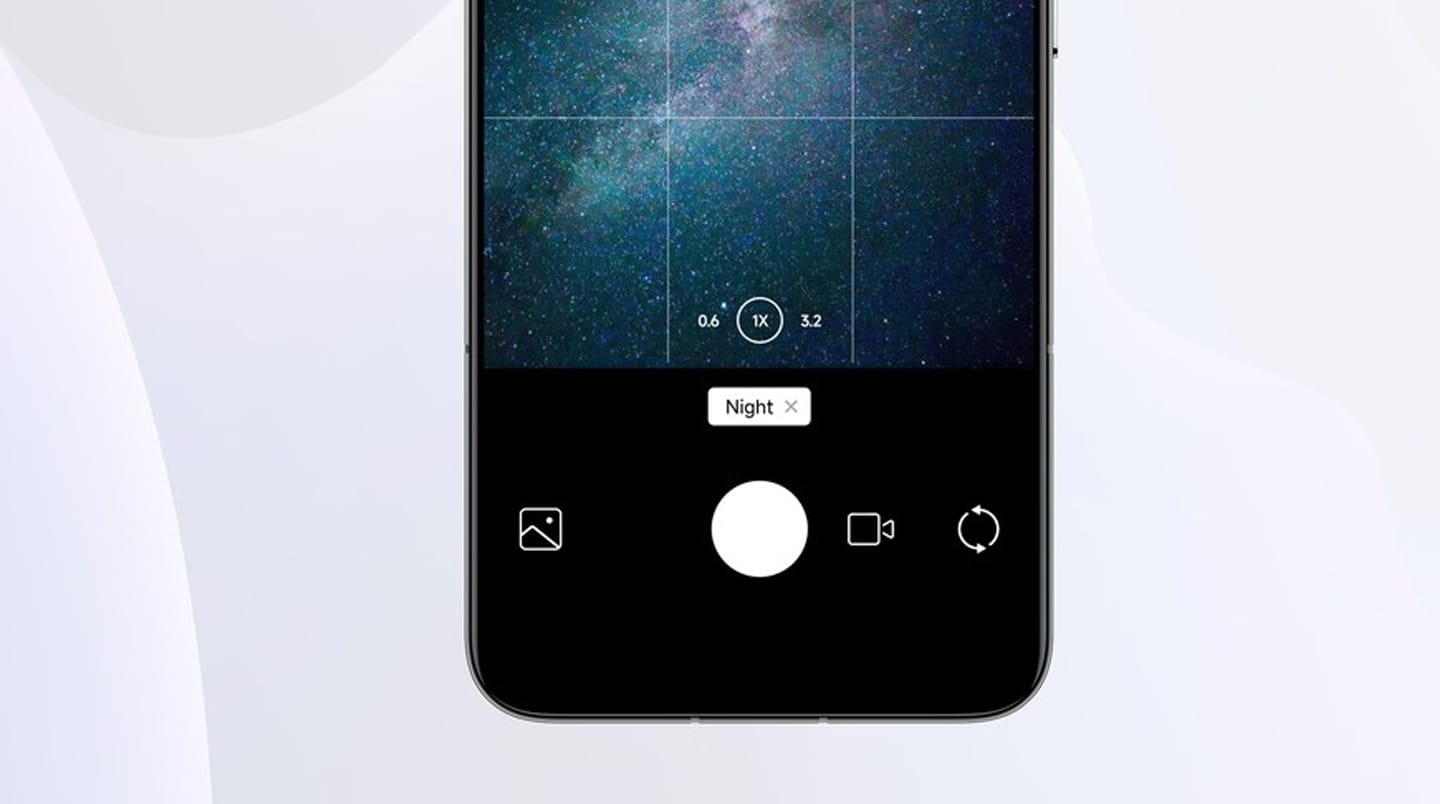
Long exposure photography on Android smartphones does not work like traditional single shot long exposure photography. It uses computational photography, and the process involves smartphones like those provided by Xiaomi, Samsung, and Google.
Rather than leaving the sensor active for several minutes without stopping, the device records numerous quick exposures and then stacks the images in software. This not only avoids heating up the sensor but is also not as taxing on the electronics.
Moreover, Android has protective mechanisms for overheating. If temperature levels are reached which are harmful to the sensor and processor, the camera application is turned off routinely by the camera application itself. Normal functionality of a camera allows for safe long exposure shots and astrophotography.
However, damage from light comes only from intense light sources like direct sunlight or a laser beam, which can damage pixels on a sensor in seconds.
The Actual Weak Spot: OIS and Moving Components
The disadvantage in camera module failures can be seen when camera malfunctions, usually being linked to Optical Image Stabilization rather than image sensors. The OIS module promotes minute electromagnetic actuators that offset hand motion.
With time, mechanical fatigue or heavy vibrations resulting from mounting the phone on the handlebars of a motorcycle may affect these parts. Examples of malfunctioning parts are those that give out “rattling noises” or “unstable video” as well as those that create “focusing problems.” All these failures are mechanical, not semiconductor
Final Verdict
The sensors of the smartphone camera do not “wear out.” Neither is there a significant shutter count on an Android device, and long exposures are safe because of advances in computational photography and heat management. The selection of the sensor does affect the image qualities or options but not the longevity of the sensor.
As a consumer of Xiaomi smartphones, all that is required for maintaining the camera is to clean the lens periodically and avoid direct laser and sunlight exposure and unnecessary vibrations for the camera. In regular operating conditions, a camera inside a smartphone will function properly for its lifespan.



