


O cenário tecnológico global em 2026 atingiu um enorme obstáculo. Embora esperássemos que os telefones “econômicos” ficassem melhores, uma tempestade perfeita de escassez de semicondutores impulsionada por IA e custos de componentes em alta forçaram os fabricantes a cortar custos como nunca antes.
Passei o último mês analisando os últimos lançamentos de médio porte, e a conclusão é surpreendente. Pela primeira vez em uma década, comprar um telefone “econômico” novinho em folha pode ser, na verdade, um downgrade em comparação com a compra de um carro-chefe com dois anos de idade.
TL;DR
- A diferença de potência: um carro-chefe de 2024, como o Xiaomi 14 (com o Snapdragon 8 Gen 3), ainda supera o desempenho dos telefones intermediários de 2026 em quase 40% no processamento bruto.
- Cortes ocultos: Os novos telefones econômicos estão usando painéis OLED e estruturas de plástico mais baratos para compensar o aumento de 30% nos custos dos chips.
- Verdades sobre a câmera: Os altos megapixels dos novos telefones econômicos são um mito de marketing; eles não têm as lentes Telefoto e os grandes sensores encontrados nos modelos premium mais antigos.
- O veredicto: se o seu orçamento for de US$ 500 a US$ 600, um carro-chefe 2024 recondicionado oferece melhor valor, melhores fotos e uma sensação mais premium do que um modelo de orçamento “Ultra” 2026.
Por que os telefones econômicos 2026 estão tendo um desempenho inferior?
A “inflação de IA” é real. Gigantes como a Samsung e a Micron estão priorizando a memória de alta largura de banda para servidores de IA, deixando os smartphones padrão com sobras. Isso fez com que o preço da RAM e do armazenamento aumentasse em 25%, forçando as marcas a fazer “cortes invisíveis”.
Estamos vendo dispositivos de médio porte de 2026, como o REDMI Note 15 Pro, chegando com estrutura de plástico ou Gorilla Glass mais antigo para manter os preços estáveis. Por outro lado, os carros-chefe de 2024 foram construídos durante um período de relativo excedente de hardware, com estruturas premium de titânio ou alumínio blindado que parecem muito diferentes dos atuais modelos econômicos com muito plástico.
Potência do carro-chefe vs. “Encolhimento” da faixa intermediária
Quando olhamos para o “cérebro” do telefone, a diferença é noite e dia. Um Xiaomi 14 ou iPhone 15 Pro usado lida com facilidade com os aplicativos intensivos de IA do 2026. Enquanto isso, o novo MediaTek Helio G200 encontrado nos aparelhos de médio porte é essencialmente uma versão reciclada da tecnologia do carro-chefe de 4 anos de idade.
| Recursos | Carro-chefe de 2024 (por exemplo, Xiaomi 14) | 2026 Intermediário (por exemplo, REDMI Note 15 Pro) |
|---|---|---|
| Processador | Snapdragon 8 Gen 3 | MediaTek Helio G200 |
| Tela | LTPO (1-120Hz) | LTPS (estática 60/120Hz) |
| Construção | Metal e vidro premium | Plástico e vidro padrão |
| Zoom | Óptico de 3x/5x | Somente corte digital |
Observação: embora um telefone econômico de 2026 possa ter 7 anos de atualizações prometidas, o hardware provavelmente terá dificuldades para executar o Xiaomi HyperOS ou o Android 19 sem problemas no quarto ano. O hardware principal tem a “sobrecarga” necessária para envelhecer com elegância.
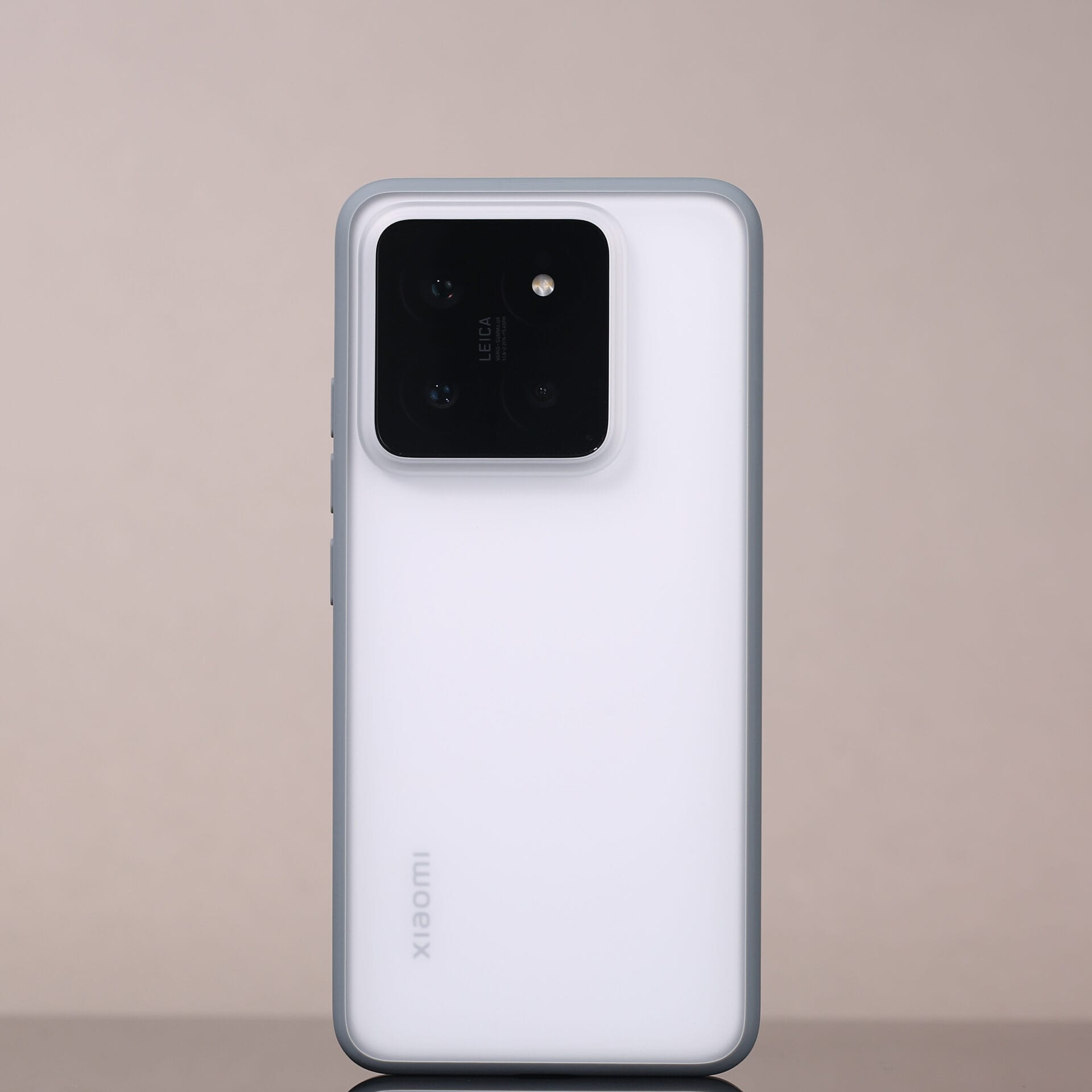
A armadilha da câmera: Megapixels não são tudo
Não deixe que os adesivos de “200 MP” nos telefones REDMI enganem você. Sem uma lente Telefoto dedicada, você perde a capacidade de tirar retratos nítidos ou dar zoom em um palco de show sem transformar a imagem em uma bagunça pixelada.
Os carros-chefe de 2024 usam ISP (Image Signal Processors, processadores de sinal de imagem) superiores que lidam com HDR em baixa luminosidade muito mais rapidamente. Quando comparei um carro-chefe de 2024 com um novo modelo econômico de 2026, o telefone mais antigo ganhou consistentemente em velocidade do obturador e precisão de cores.
O que você deve comprar?
Se você está procurando o melhor custo-benefício em 2026, recomendo que procure o Xiaomi 14T Pro ou um Xiaomi 14 Ultra recondicionado. Esses dispositivos foram o auge de sua época e ainda oferecem os recursos do Xiaomi HyperConnect que permitem uma integração perfeita com seu Xiaomi Pad 6 ou Xiaomi Band 9.



