
Desenvolvimentos recentes no ecossistema de software da Xiaomi sugerem que o HyperOS 4 pode ser um ponto de virada importante para os dispositivos POCO. As evidências apontam para uma grande mudança estratégica: a possível descontinuação do exclusivo POCO Launcher em favor de um HyperOS System Launcher unificado (antigo MIUI Launcher), impulsionado pelo novo mecanismo de atualização SOTA (Super OTA).
Veja por que o HyperOS 4 pode ser uma revolução para os usuários da POCO:
A Revolução SOTA: Atualizações sem reinicializações
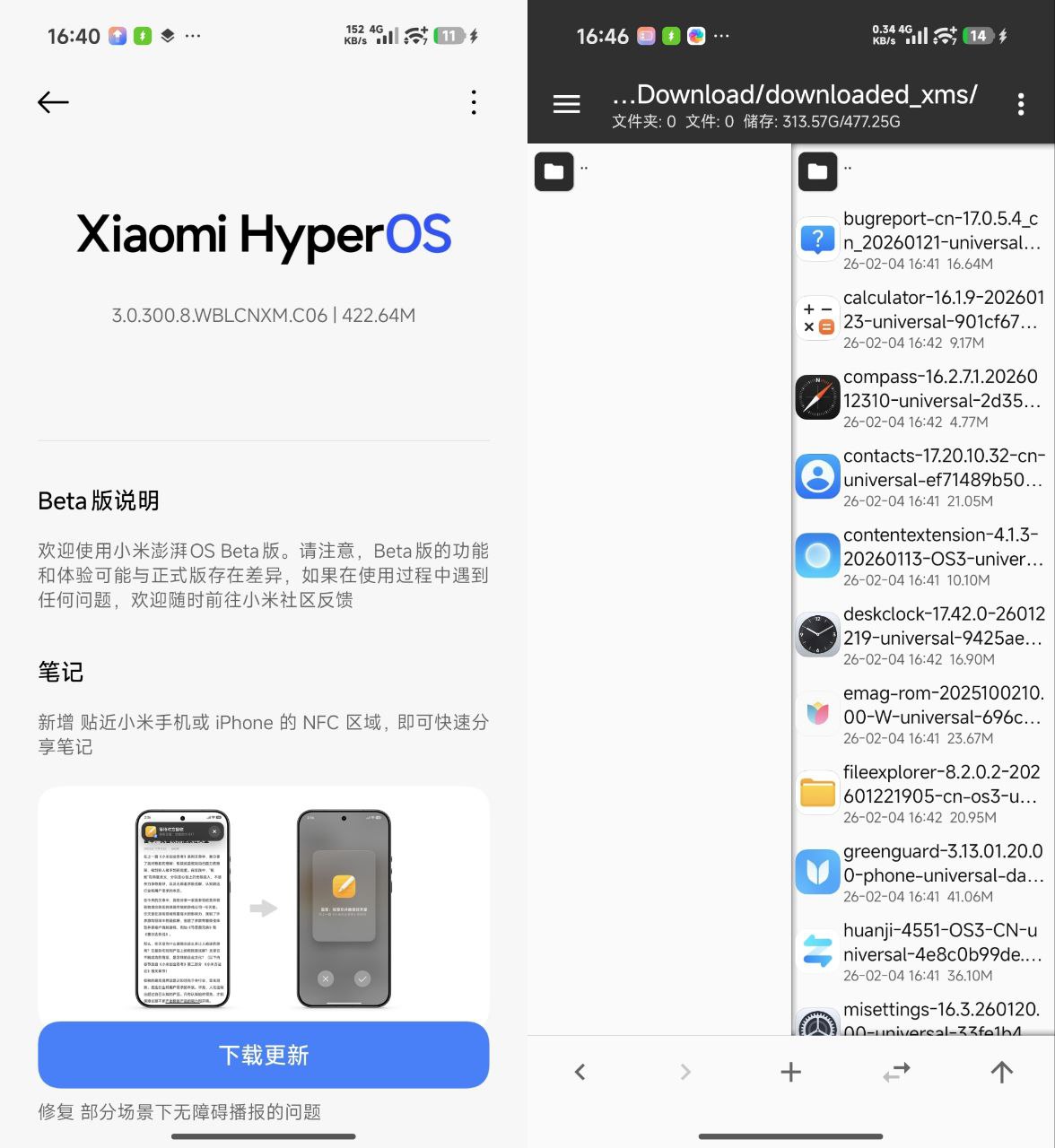
Espera-se que as bases estabelecidas no HyperOS 3.1 se tornem o padrão no HyperOS 4 com a introdução da tecnologia SOTA (Super-OTA).
-
Sistema desacoplado: A arquitetura do sistema não é mais um bloco único e monolítico. Os arquivos do sistema principal e os aplicativos do sistema estão sendo separados.
-
Atualizações contínuas: Graças a essa arquitetura modular, as partes essenciais do sistema e da interface podem ser atualizadas em segundo plano sem a necessidade de reinicialização completa do dispositivo. Isso garante que o lançador e os aplicativos do sistema estejam sempre em execução na versão mais recente, sem tempo de inatividade.
Adeus ao POCO Launcher: A estratégia do “lançador unificado”
Durante anos, o distinto POCO Launcher tem sido objeto de debate. Agora, parece que a Xiaomi está se preparando para unificar sua base de código, substituindo-o efetivamente pelo HyperOS System Launcher padrão.
As evidências dessa convergência são fortes:
- Base de código compartilhada: O código subjacente de ambos os lançadores já é praticamente idêntico. Para dar suporte à arquitetura SOTA de forma eficaz, manter duas bifurcações separadas (POCO vs. HyperOS) cria uma redundância desnecessária.
- Identidade visual: Em compilações internas recentes, o ícone do POCO Launcher foi atualizado para corresponder exatamente ao ícone do HyperOS Launcher. A distinção na “identidade da marca” está desaparecendo em favor de uma aparência unificada.
- O precedente do tablet: A série POCO Pad já utiliza o mesmo lançador encontrado nos Xiaomi Pads, provando que as marcas de hardware podem compartilhar a mesma base de software sem problemas.

O que isso significa para os usuários do POCO
Essa transição é uma excelente notícia para a comunidade:
-
Lançamentos mais rápidos de recursos: Em vez de esperar que os recursos sejam “portados” para o POCO Launcher, os usuários receberão novas animações, widgets e recursos ao mesmo tempo que a série principal da Xiaomi (Mi).
-
Melhor otimização: Com os desenvolvedores concentrados em uma base de código única e unificada do Launcher, os bugs podem ser corrigidos mais rapidamente e a otimização do desempenho será mais consistente em todos os dispositivos.
Em resumo, o HyperOS 4 tem o objetivo de tratar todos os dispositivos da mesma forma. Ao implementar uma visão “Um sistema, uma interface”, a Xiaomi provavelmente está acabando com o tratamento de software de “segunda classe” dos dispositivos POCO, proporcionando uma experiência mais suave, rápida e unificada.