
 Emir Bardakçı
In the rapidly evolving world of smartphones, security has become the ultimate priority. For years, Apple’s iOS was considered the gold standard, while Android was seen as more flexible but vulnerable. However, with the arrival of HyperOS and the latest HyperOS 3, Xiaomi has made massive strides in closing that gap.
But are Xiaomi phones truly the most secure Android devices on the market? And how do they stack up against the “fortress” of Apple?
1. Is Xiaomi the King of Android Security?
While Xiaomi has become one of the top contenders for the title of “most secure Android brand,” it shares the podium with other tech giants like Samsung and Google.
The Xiaomi Advantage: Hypercore and MiTEE
With the introduction of HyperOS, Xiaomi moved toward a more integrated security architecture called Hypercore. This system provides:
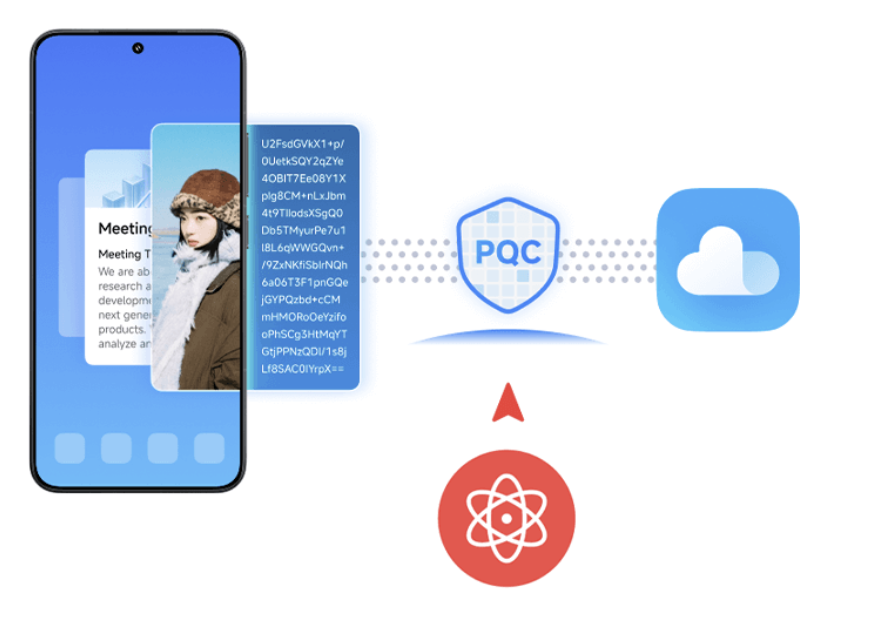
- Hardware-Level Encryption: Utilizing “Quantum-level” end-to-end encryption for data transfers.
- MiTEE (Xiaomi Trusted Execution Environment): An isolated hardware area that processes sensitive data like fingerprints and facial recognition, keeping it separate from the main operating system.
- HyperAI Threat Detection: Real-time monitoring that uses on-device AI to spot suspicious app behavior before it can cause harm.
The Competition
- Samsung Knox: Remains a formidable rival due to its long-standing government-grade certification and the physical Knox Vault chip.
- Google Pixel: Leveraging the Titan M2 security chip, Pixels are often the first to receive critical Android security patches, giving them a slight edge in software hygiene.
2. Xiaomi vs. Apple: The Great Security Divide
Despite Xiaomi’s hardware improvements, the fundamental difference between Android and iOS remains. Here is how they compare:
| Feature | Xiaomi (HyperOS / Android) | Apple (iOS) |
| Ecosystem Philosophy | Open/Flexible: Users can sideload APKs and customize deeply. This offers freedom but increases the “attack surface.” | Closed/Walled Garden: High control over app installations significantly lowers the risk of malware. |
| App Review Process | Google Play Protect and Xiaomi’s Security Scan are effective, but some malicious apps still occasionally slip through. | The App Store has the strictest review guidelines in the industry, making it incredibly difficult for viruses to enter. |
| Updates & Longevity | Flagship models receive rapid updates, but entry-level devices may sometimes experience delays in 90-day patch cycles. | Apple provides simultaneous security updates to all supported devices (old and new) worldwide. |
| Hardware Isolation | Uses TEE and Hypercore to isolate sensitive data. | Uses the Secure Enclave, a dedicated coprocessor that is physically separated from the main A-series chip. |
3. The Verdict: Which One Should You Choose?
For the Power User:
If you value freedom, customization, and cutting-edge hardware, a Xiaomi flagship (like the Xiaomi 14 or 15 series) is just as secure as an iPhone for a standard user. Xiaomi’s “Privacy Protection” features and “Virtual ID” options give users more control over their data than ever before.
For the “Zero-Risk” Seekers:
If you prefer a device that protects you from your own mistakes (like clicking a suspicious link or downloading a fake app), Apple’s closed ecosystem still offers a slightly higher “safety net” for non-technical users.
Pro Tips for Xiaomi Users
To ensure your device stays impenetrable, always follow these three rules:
- Avoid Sideloading: Only download apps from the Google Play Store or GetApps.
- Use the Security App: Regularly run the built-in security scan to check for vulnerabilities.
- Keep it Updated: Never skip a “Security Patch” update, as these fix critical exploits discovered by researchers.

❤❤❤❤❤❤