
Hot on the heels of the global rollout for the flagship Xiaomi 17 series, Xiaomi is rapidly expanding its next-generation software ecosystem to the large-screen market. The highly anticipated Xiaomi HyperOS 3.1 update has officially started rolling out to the POCO Pad and Redmi Pad Pro. Built on the advanced Android 16 architecture, this update brings a dramatic UI overhaul and deep system optimizations. Currently seeding to Mi Pilot testers in the European region, a wider public release is expected to commence within the next few days.
Affected Devices and Software Versions
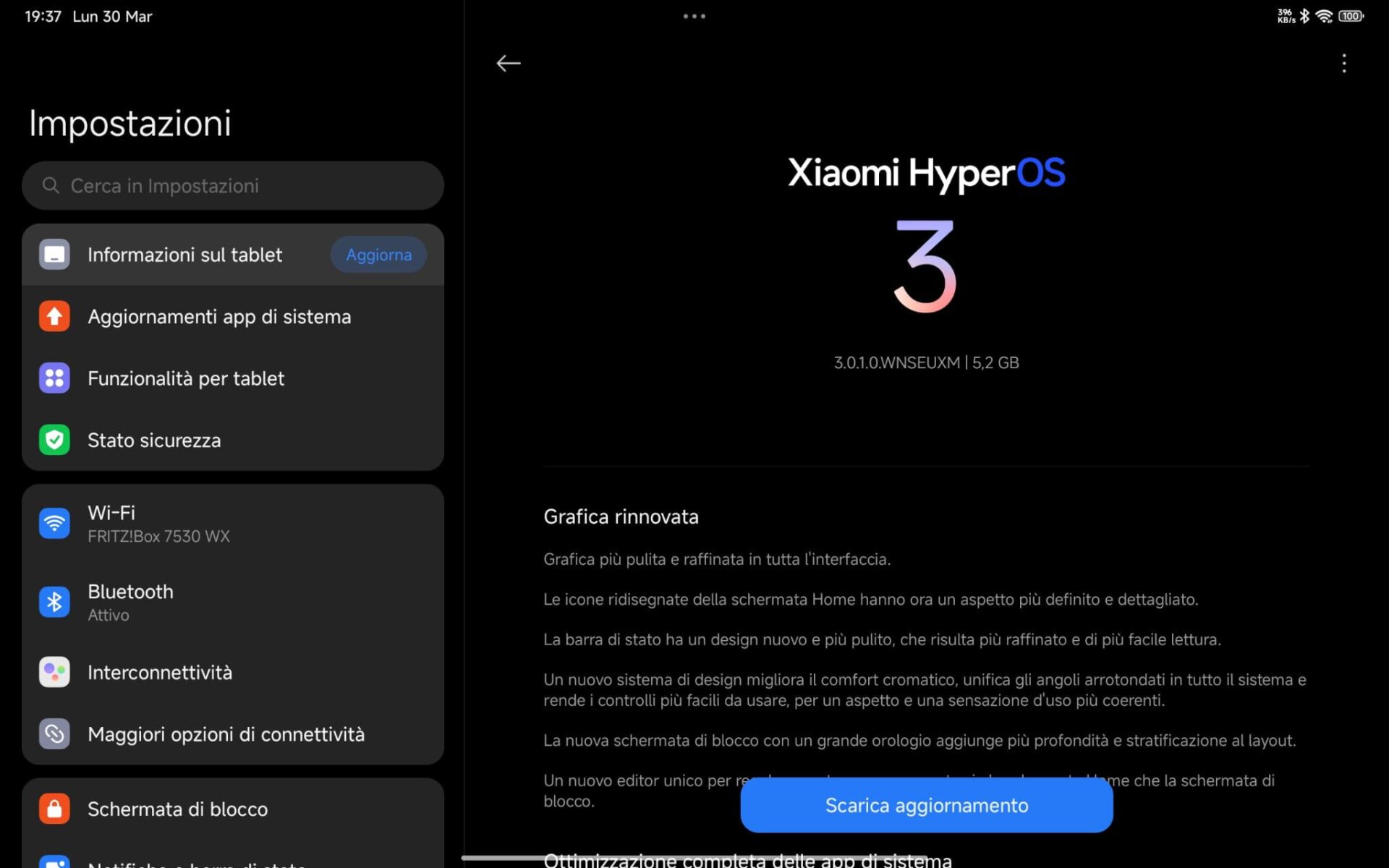
This initial rollout targets the global tablet portfolio with the following unified firmware build:
-
Affected Devices: POCO Pad / Redmi Pad Pro
-
Update Version: Xiaomi HyperOS 3.1 –
OS3.0.301.0.WNSEUXM
What’s New in Xiaomi HyperOS 3.1?
The transition to Xiaomi HyperOS 3.1 introduces a wealth of tablet-optimized features and foundational architectural shifts designed to maximize productivity and device longevity:
-
HyperIsland Arrives on Tablets: For the first time, Xiaomi’s interactive dynamic status system, HyperIsland, is making its way to large-screen devices. Adapted specifically for the tablet form factor, it offers rich, unobtrusive animations and real-time activity tracking seamlessly integrated into the top display margin.
-
Rust-Based System Applications: Xiaomi continues its push for absolute system stability by rewriting several core system applications in the Rust programming language. This drastically mitigates runtime errors, improves memory safety, and ensures the tablet remains snappy even under heavy multitasking loads.
-
iOS-Style Recent Apps Menu: Navigating between apps on a large screen is now more intuitive with a completely redesigned, iOS-inspired recent apps interface. The new fluid card-swiping gesture system makes managing background tasks and split-screen setups visually cleaner and highly responsive.
-
Enhanced Apple Ecosystem Integration: Powered by the underlying Xiaomi HyperConnect framework, this update bridges the gap between Xiaomi’s tablet lineup and the Apple ecosystem. Users will experience seamless file sharing, cross-device clipboard synchronization, and improved workflow continuity.
Market Impact
Bringing flagship-tier features like HyperIsland to the POCO Pad and Redmi Pad Pro significantly elevates the user experience, transforming how notifications and live activities are handled on a larger canvas. The shift to an Android 16 base guarantees long-term software viability and enhanced battery management. Furthermore, the strategic focus on Apple ecosystem compatibility positions both the POCO Pad and Redmi Pad Pro as highly competitive, cost-effective alternatives for users looking to step outside the iPad ecosystem without losing their interconnected productivity workflows.