


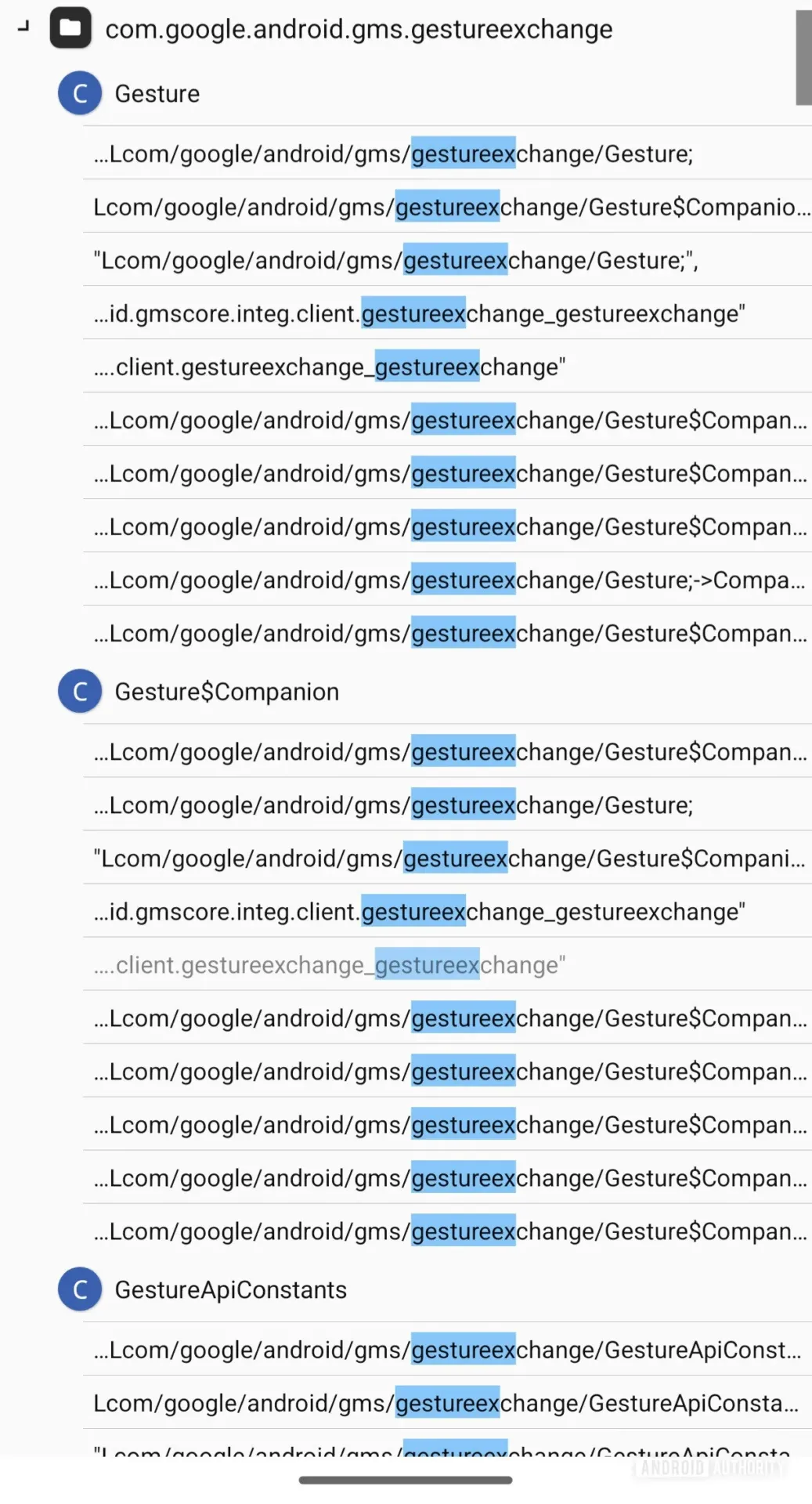
The Android ecosystem is buzzing with recent code teardowns revealing that Google is actively developing a system-level NFC “Tap to Share” feature for Android 17. Designed to rival Apple’s AirDrop, this upcoming Quick Share upgrade will allow users to transfer files simply by bringing two devices close together.
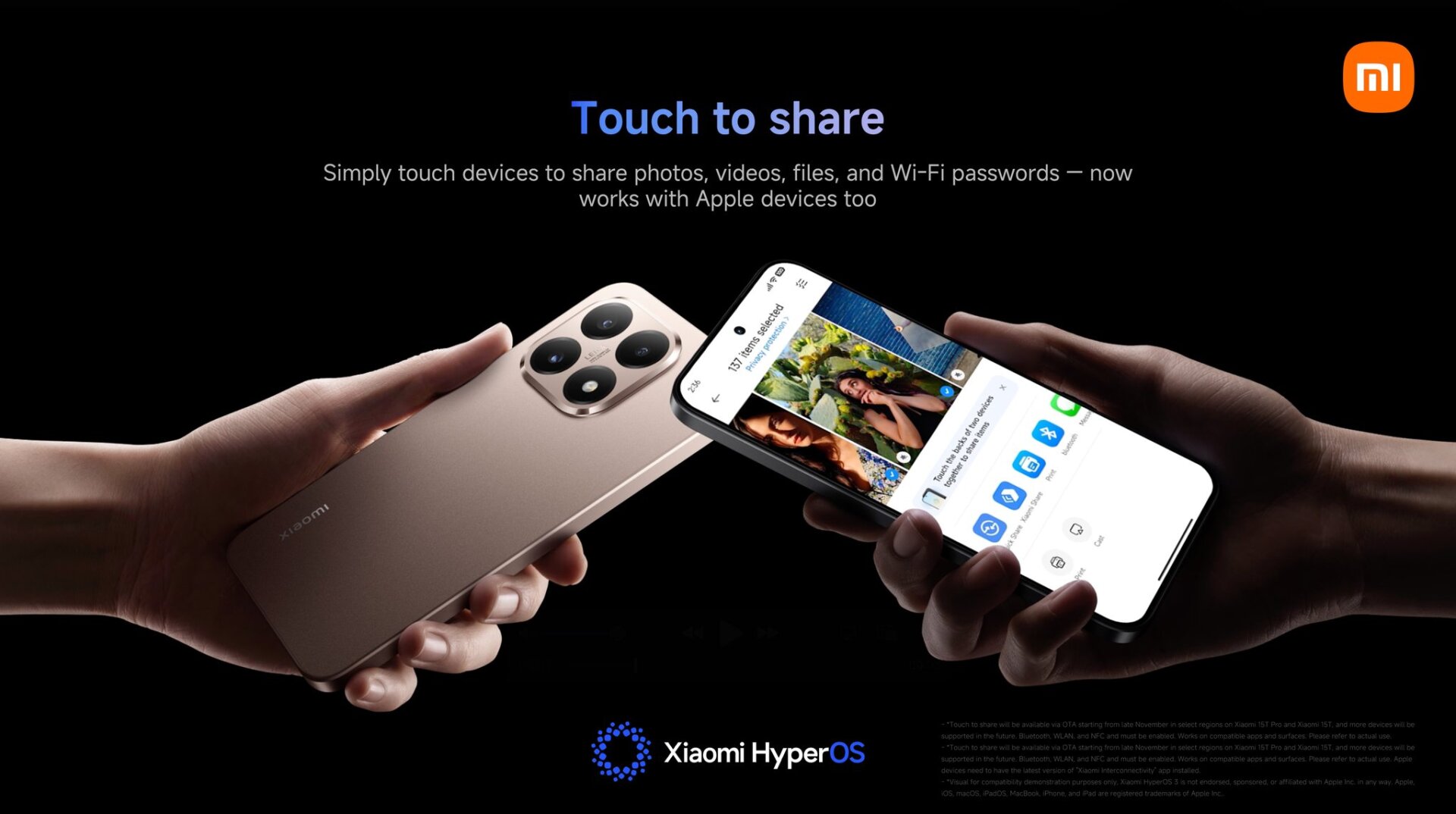
However, for dedicated Xiaomi users, this “groundbreaking” Android 17 feature is already old news. Xiaomi has already implemented this exact technology natively in Xiaomi HyperOS 3, pushing the boundaries even further by bridging the gap between Android and iOS.
Here is everything you need to know about Xiaomi’s existing “Touch to share” feature, Google’s upcoming Android 17 alternative, and how this will split the Global and China markets.
Already Live: Xiaomi HyperOS 3 “Touch to share”
Long before Google finalized its system-level NFC sharing, Xiaomi rolled out “Touch to share” as a core feature of the Xiaomi HyperOS 3 update.
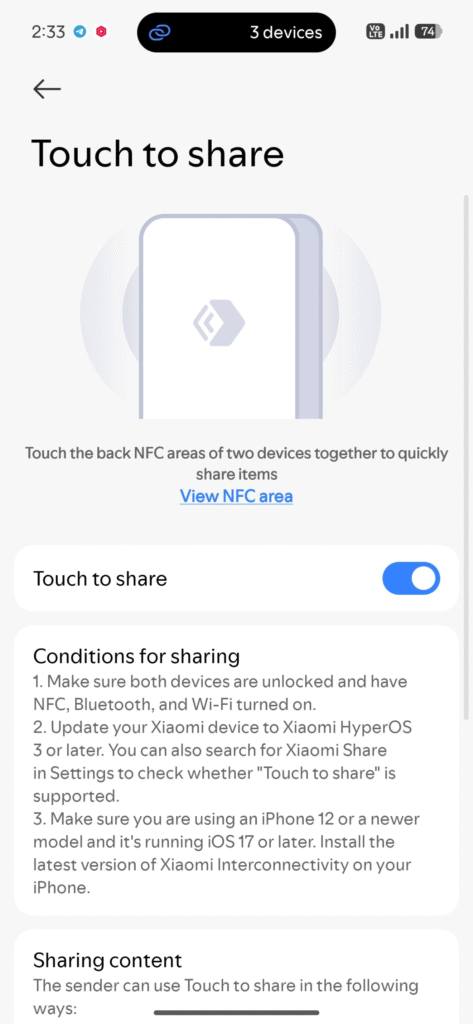
As seen in the official system settings, the feature utilizes the NFC, Bluetooth, and Wi-Fi modules on the back of the device. By simply tapping the NFC areas of two unlocked devices together, users can instantly share photos, videos, files, and even Wi-Fi passwords.
But Xiaomi didn’t stop at Android-to-Android sharing. In a massive leap for ecosystem interoperability, HyperOS 3’s Touch to share works with Apple devices.
To execute a seamless NFC transfer with an iPhone, users simply need:
-
A Xiaomi device running Xiaomi HyperOS 3 or later.
-
An iPhone 12 or newer, running iOS 17 or later.
-
The Xiaomi Interconnectivity app installed on the Apple device.
The Android 17 Leak: Google’s Catch-Up Game
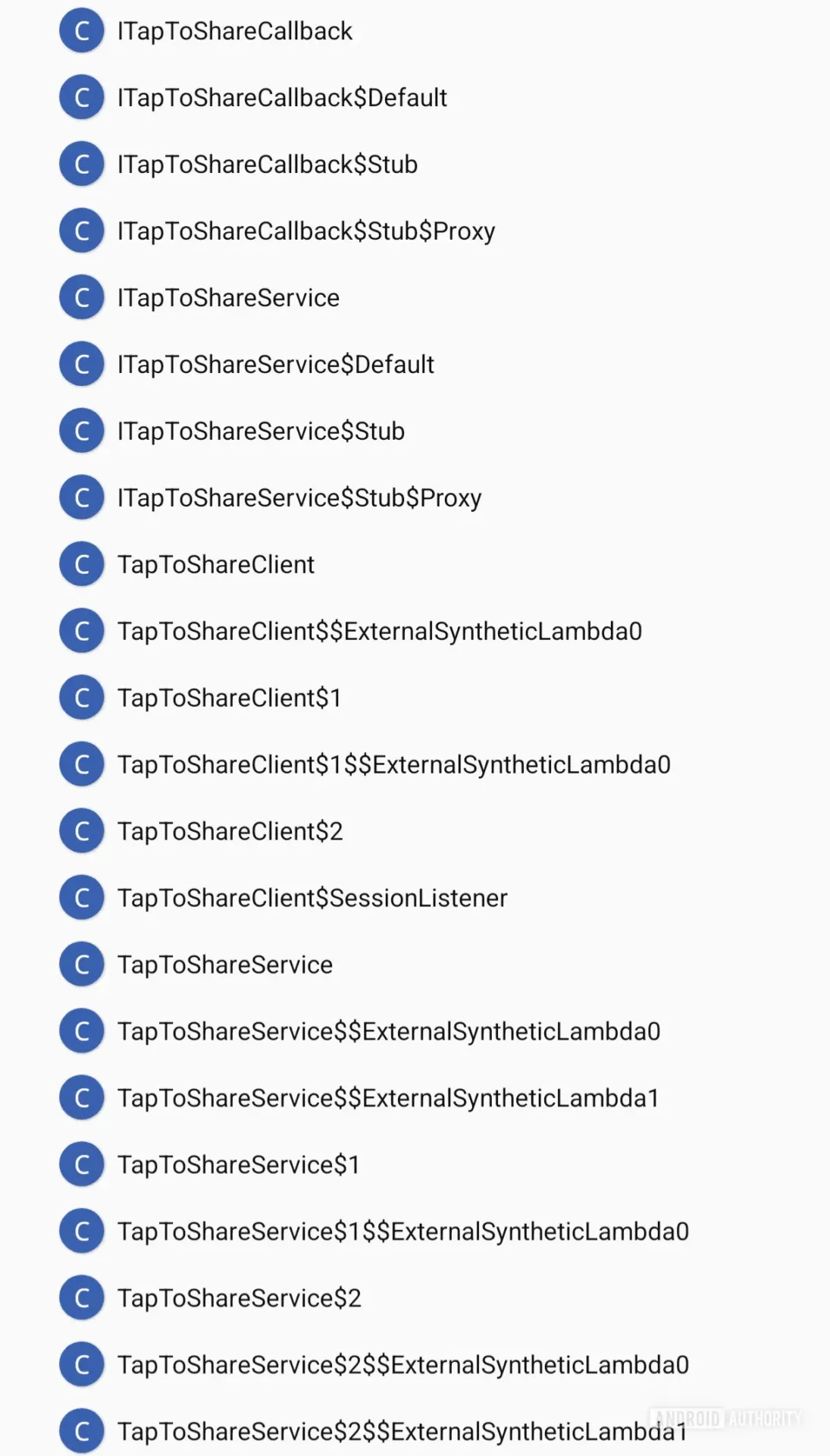
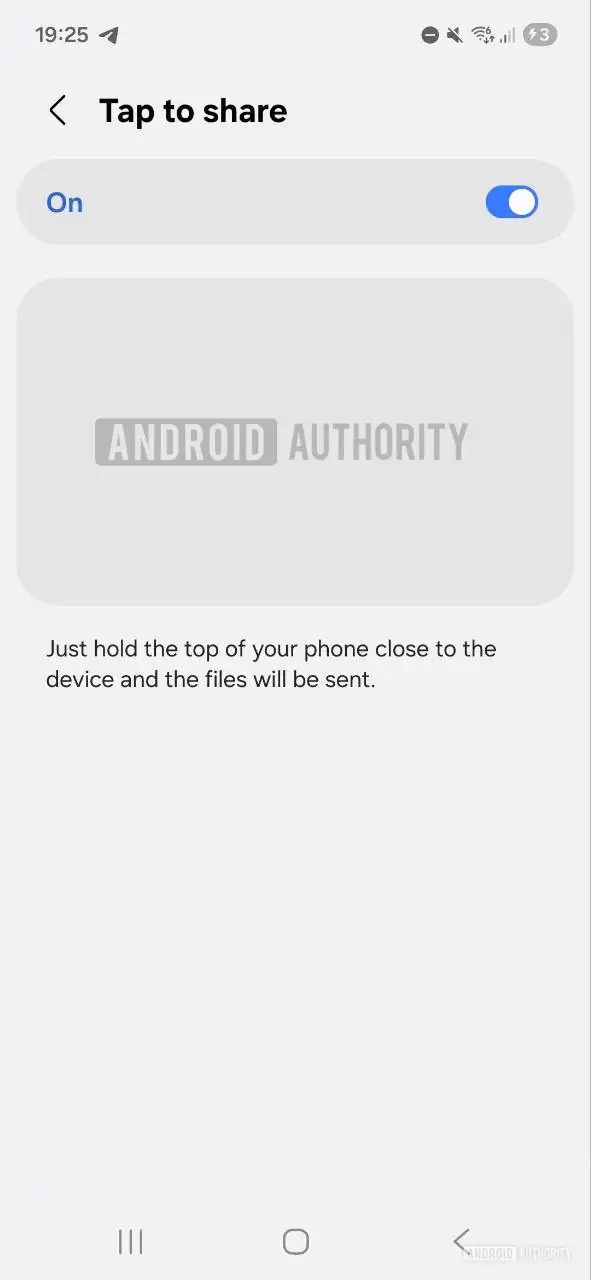
While Xiaomi has locked down its own ecosystem (and bridged it to Apple), Google is now working to make this a universal Android standard. Based on the TapToShare system service discovered in recent Android 17 and Google Play Services Canary builds, Google’s version will integrate directly into Quick Share.
Once launched, bringing two Android devices together will trigger an NFC handshake, handing off the file transfer to Quick Share’s high-speed Wi-Fi Direct protocols. While currently being spotted in Samsung One UI 9 beta builds, this will eventually become a core feature for all Android 17 devices.
The Market Split: Global ROM vs. China (CN) ROM
With Google entering the chat, Xiaomi faces a fascinating fork in the road regarding how it handles NFC sharing moving forward. It is highly likely we will see a feature split based on regions:
-
The China (CN) ROM Strategy: Because Google Mobile Services (GMS) and Quick Share are not natively integrated into the Chinese market, Xiaomi will undoubtedly continue to heavily push its proprietary HyperOS 3 Touch to share feature. Tied deeply into Xiaomi HyperConnect, this will remain the ultimate, lightning-fast transfer method for CN users.
-
The Global ROM Shift: For Global Xiaomi, REDMI, and POCO devices, the story might change. To ensure maximum compatibility with the broader Android market (like Samsung, Pixel, and Motorola), Global HyperOS builds will likely adopt Google’s system-level Quick Share “Tap to Share.” This will ensure global users aren’t isolated when sharing files with non-Xiaomi Android friends.
Xiaomi’s Ecosystem Dominance
Whether you are using Xiaomi’s native Touch to share to send a video to an iPhone, or waiting for Android 17’s universal Quick Share update, one thing is clear: Xiaomi users are at the bleeding edge of connectivity.



