As of March 24, 2026, a monumental chapter in the history of mobile computing has reached its final sentence. After 14 years of innovation, community-driven development, and global expansion, Xiaomi has officially ceased all software support for MIUI. The legendary interface that put Xiaomi on the map is now officially a legacy product, making way for the fully integrated Xiaomi HyperOS ecosystem.
The Final Sentinels: Redmi A2 and Redmi A2+
While the flagship world transitioned to HyperOS years ago, two humble devices carried the MIUI torch until the very end. The Redmi A2 and Redmi A2+ (Global models) remained the last standing soldiers in the MIUI fleet.
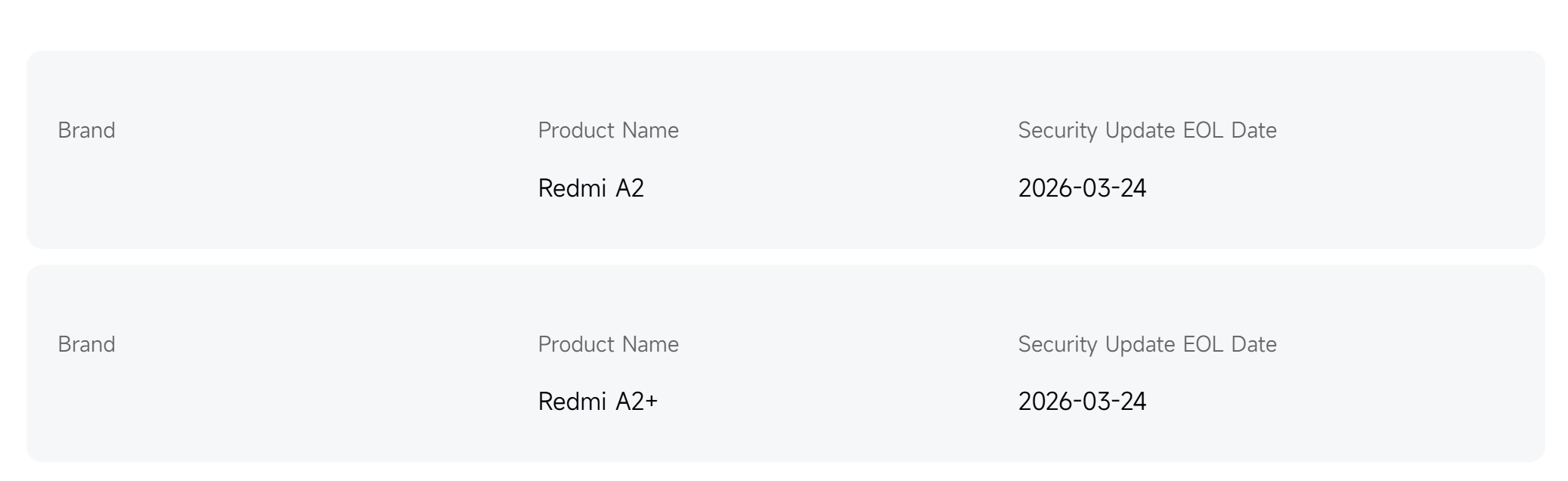
In late 2025, these devices received their final firmware update—V14.0.44.0.TGOMIXM. This Android 13-based patch wasn’t just a security fix; it was a silent goodbye. With their official End-of-Support (EOS) date passing this week, the MIUI update servers have officially gone dark for the last time.
From 100 Fans to 600 Million Users: A 14-Year Retrospective
To understand why this “death” is so significant, we must look back at the roots of what was once a custom ROM for enthusiasts.
The Foundation (2010–2014)
-
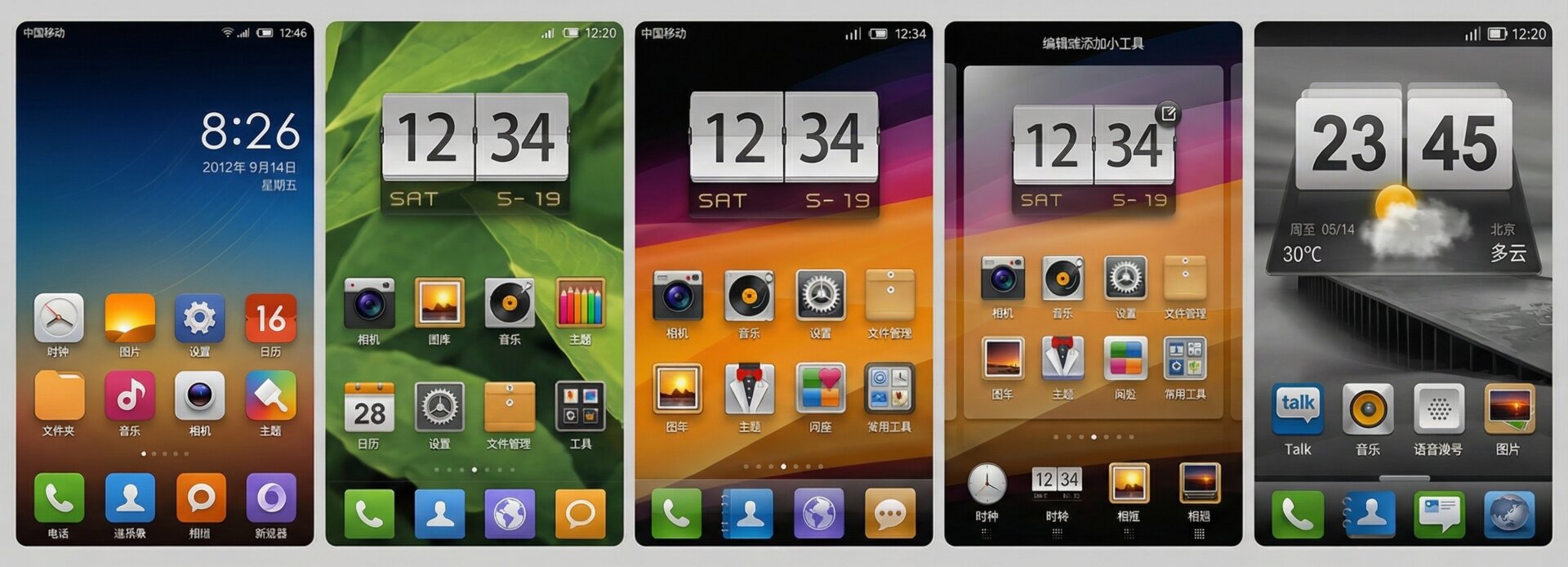
MIUI V1 (2010): Released on August 16, 2010, it was built by just three engineers for 100 “Dream Sponsors.” It introduced a drawerless home screen and the iconic T9 dialer.
-
MIUI V5 (2013): This was the turning point. It introduced a unified design language and runtime permissions—features that were three years ahead of native Android.
The Expansion Era (2015–2019)
-
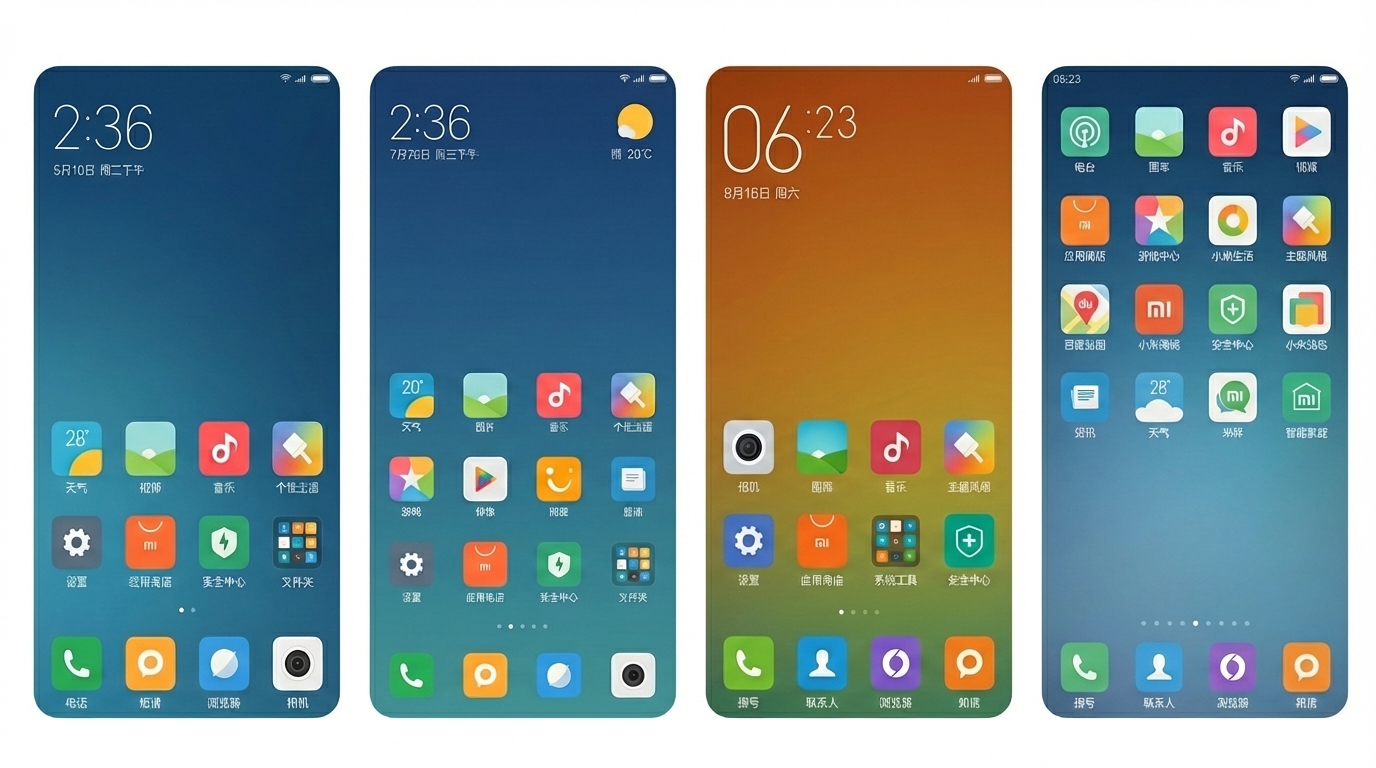
MIUI 7 & 8: Introduced the “Second Space” and “Dual Apps” features, which became staples for professionals and privacy-conscious users worldwide.
-
MIUI 10 & 11: Focused on the “Full Screen Display” revolution, adding intuitive gestures and the “Nature Sounds” notification system that reduced notification fatigue.
The Final Form (2020–2023)
-
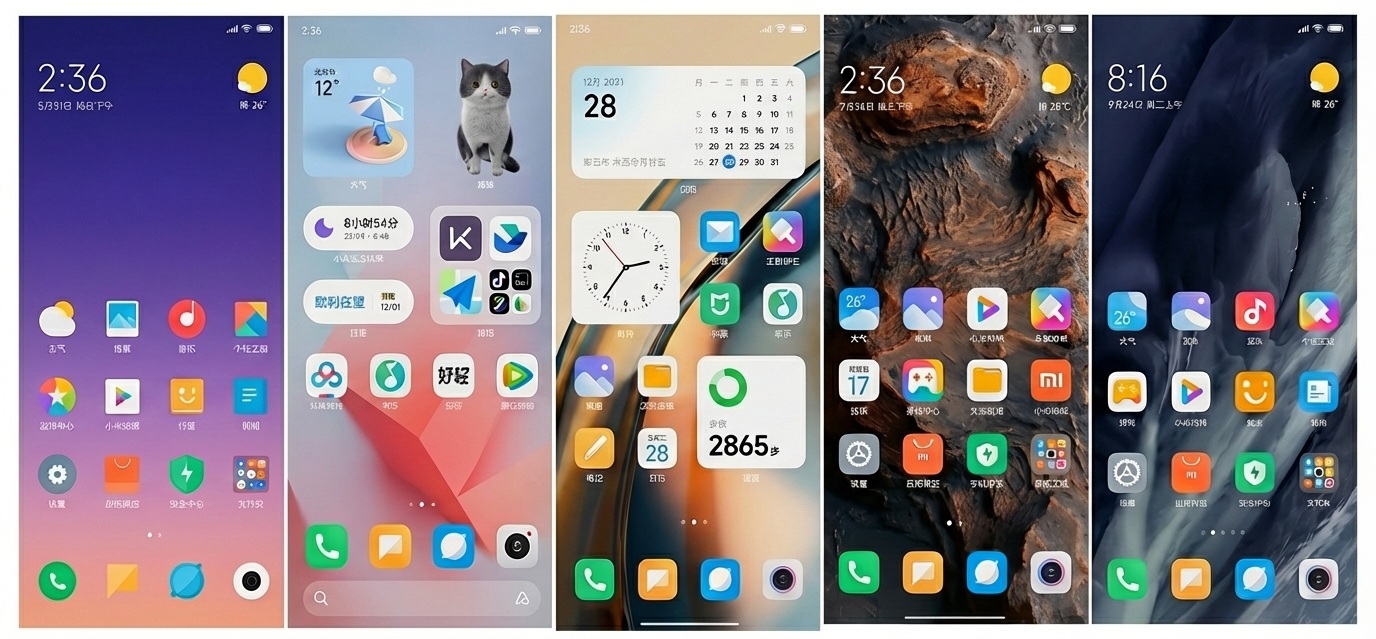
MIUI 12: Introduced Super Wallpapers and the “Flare, Interception, and Hidden Mask” privacy trio, setting a new industry standard for data protection.
-
MIUI 14: Known as the “Razor Project,” it stripped the OS to its core, significantly reducing system firmware size and memory usage to prepare for the transition to a leaner architecture.
The Strategic Shift: Why MIUI “Died”
The death of MIUI was not a failure, but a strategic rebirth. As Xiaomi moved into the Electric Vehicle (EV) market and expanded its AIoT portfolio, the old MIUI architecture (largely dependent on heavy Android overlays) was no longer sufficient.
Xiaomi HyperOS was introduced to bridge the gap between smartphones, Xiaomi Pad devices, and the Xiaomi HyperConnect ecosystem. By integrating the self-developed Vela system, Xiaomi created a unified kernel that allows for seamless cross-device collaboration.
The Technical Evolution
| Feature | MIUI Legacy | HyperOS Revolution (Current) |
| Kernel | Standard Linux/Android | Linux + Xiaomi Vela |
| Connectivity | Basic Cross-device | Xiaomi HyperConnect |
| Processor Focus | Optimization per device | Native Snapdragon 8 Elite Integration |
| AI Integration | App-based | System-wide HyperAI |
The Future is HyperOS 3.1
With MIUI officially retired, Xiaomi’s focus is now entirely on HyperOS 3.1. New OS offers:
-
Hyper Island: A refined notification and multitasking interaction model.
-
Advanced AI Integration: Native generative AI tools for photo editing and real-time translation.
-
Proactive Intelligence: The system now anticipates user needs, such as pre-warming your EV or adjusting smart home settings via XRING O1 connectivity.
Closing Thoughts
The cessation of MIUI updates marks the end of an era for millions of “Mi Fans” who grew up with the orange logo. However, the spirit of MIUI—community feedback, high customization, and performance—lives on in HyperOS.