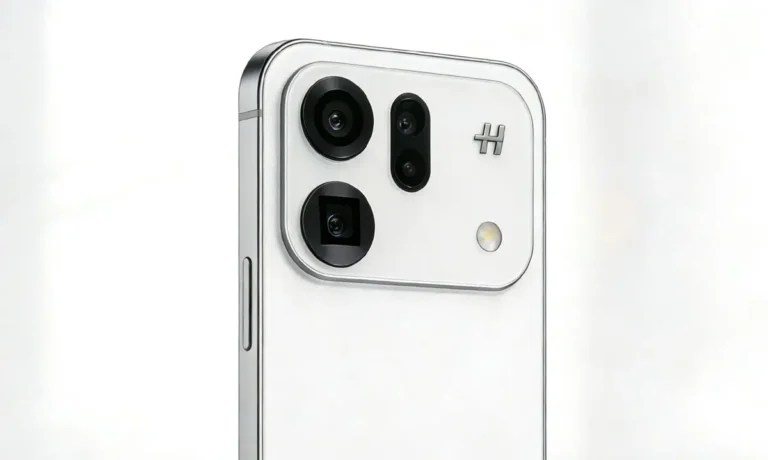
Vivo is gearing up to launch its next-generation flagship smartphones, the X300 Ultra and X300s, later this month in China. After making an early appearance at Mobile World Congress 2026, the devices have continued to generate buzz—especially around their advanced camera systems.
The latest teaser from company executives highlights a major upgrade in imaging: a new color science system called Blueprint Native Color, designed to significantly improve how photos and videos look straight out of the camera.
A Strong Focus on Camera Performance
The X300 Ultra is shaping up to be a true camera-centric flagship. Based on what has been revealed so far, the device will feature one of the largest camera sensors ever seen on a smartphone, positioning it as a serious competitor in mobile photography.
Vivo is not just focusing on hardware this time. Video recording is also expected to see major improvements, supported by enhanced processing and optimized color handling. This combination of large sensor hardware and refined computational photography should allow the X300 Ultra to deliver consistently high-quality results across different lighting conditions.
What Is Blueprint Native Color
At the core of this upgrade is Vivo’s new Blueprint Native Color system. According to the company, this technology represents a complete overhaul of its color rendering pipeline, built from years of imaging research and real-world data.
The goal is simple: produce photos that look more natural and closer to what the human eye actually sees. This includes better handling of light and shadow, more realistic color tones, and improved overall image balance. Instead of relying heavily on aggressive HDR or artificial enhancements, Vivo is aiming for a cleaner, more authentic look.
The system is also designed to simulate how human vision perceives subtle color shifts, which could make images appear more lifelike, especially in complex lighting environments.


Improved Portraits and HDR Processing
Portrait photography is another area receiving attention. Vivo claims the new system will deliver more natural skin textures, avoiding the overly smooth or artificial look seen in many smartphone cameras today.
A new Smooth EV dynamic compression algorithm is also being introduced. This technology works by intelligently combining multiple frames of HDR data at the moment the shutter is pressed, helping to maintain detail in both bright and dark areas without over processing the final image.
New Lens Technology Could Play a Role
In addition to software improvements, Vivo is expected to introduce a new Danxia lens with the X300 series. While details are still limited, it is believed to contribute to more accurate color reproduction and improved light capture, further enhancing the overall imaging experience.
What to Expect at Launch
Both the X300 Ultra and X300s will debut with the Blueprint Native Color system, marking a significant step forward in Vivo’s imaging strategy. The company appears to be moving away from heavily processed smartphone photos toward a more professional, true-to-life aesthetic.
With the official launch just around the corner, it will be interesting to see how these improvements translate into real-world performance—and whether Vivo can set a new benchmark for smartphone photography in 2026.