 Emir Bardakçı
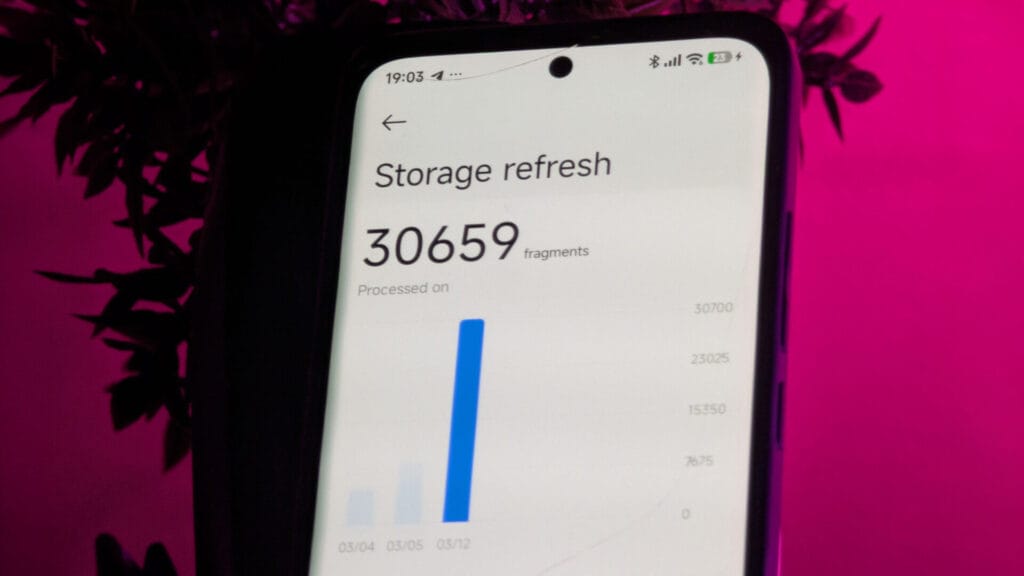
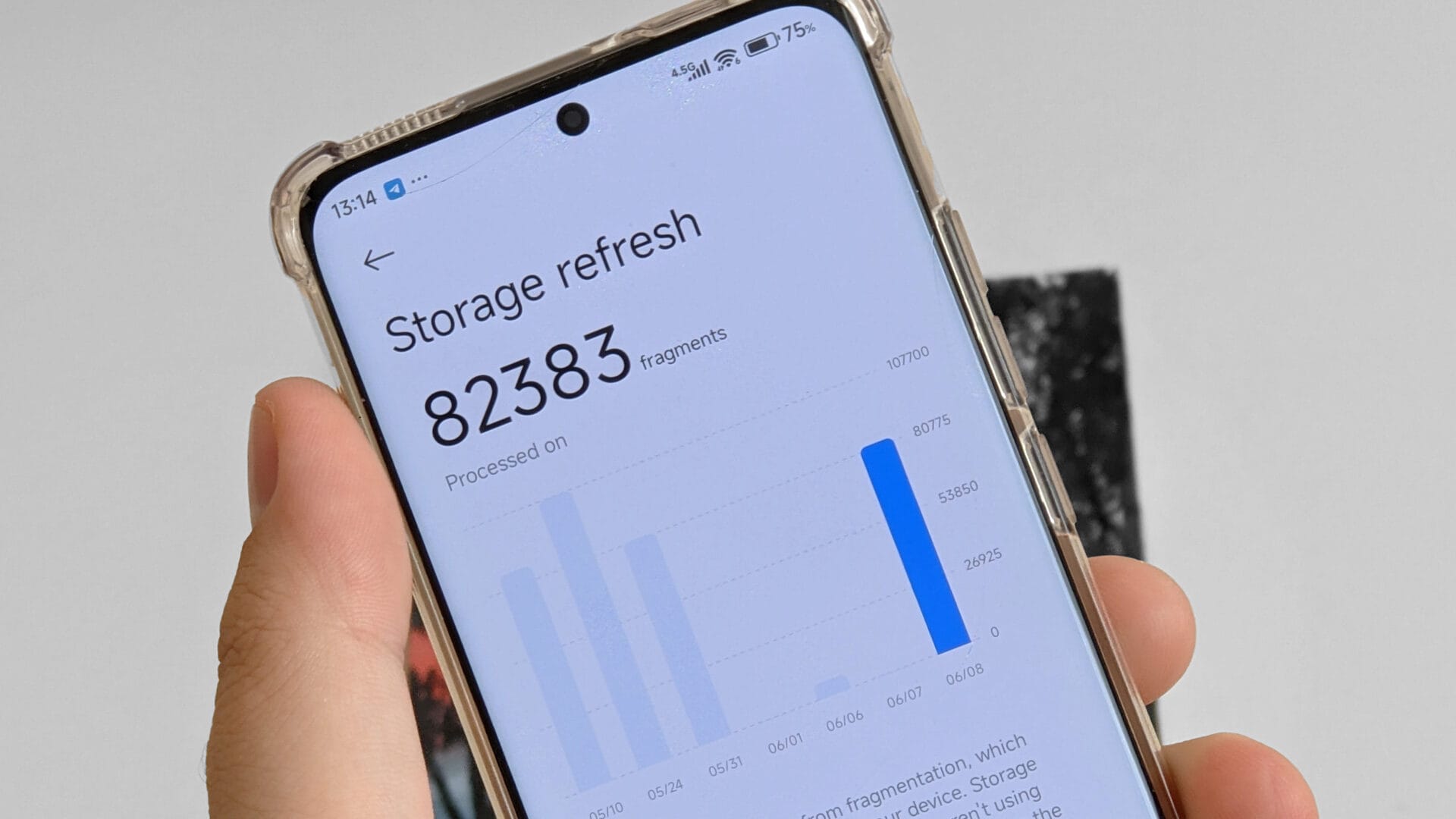
If you spend any time in Reddit communities or tech forums lately, you’ve probably seen the massive wave of panic regarding Xiaomi’s “Storage Refresh” (often mislabeled as “Defragmentation”). The community is going crazy, claiming this background feature is actively destroying their flash storage and reducing the lifespan of their devices. But let’s cut through the noise: the community is overreacting. As dedicated users of the Xiaomi ecosystem, it’s time to defend a feature that is actually doing much more good than harm.
What is Storage Refresh & Defragmentation Feature
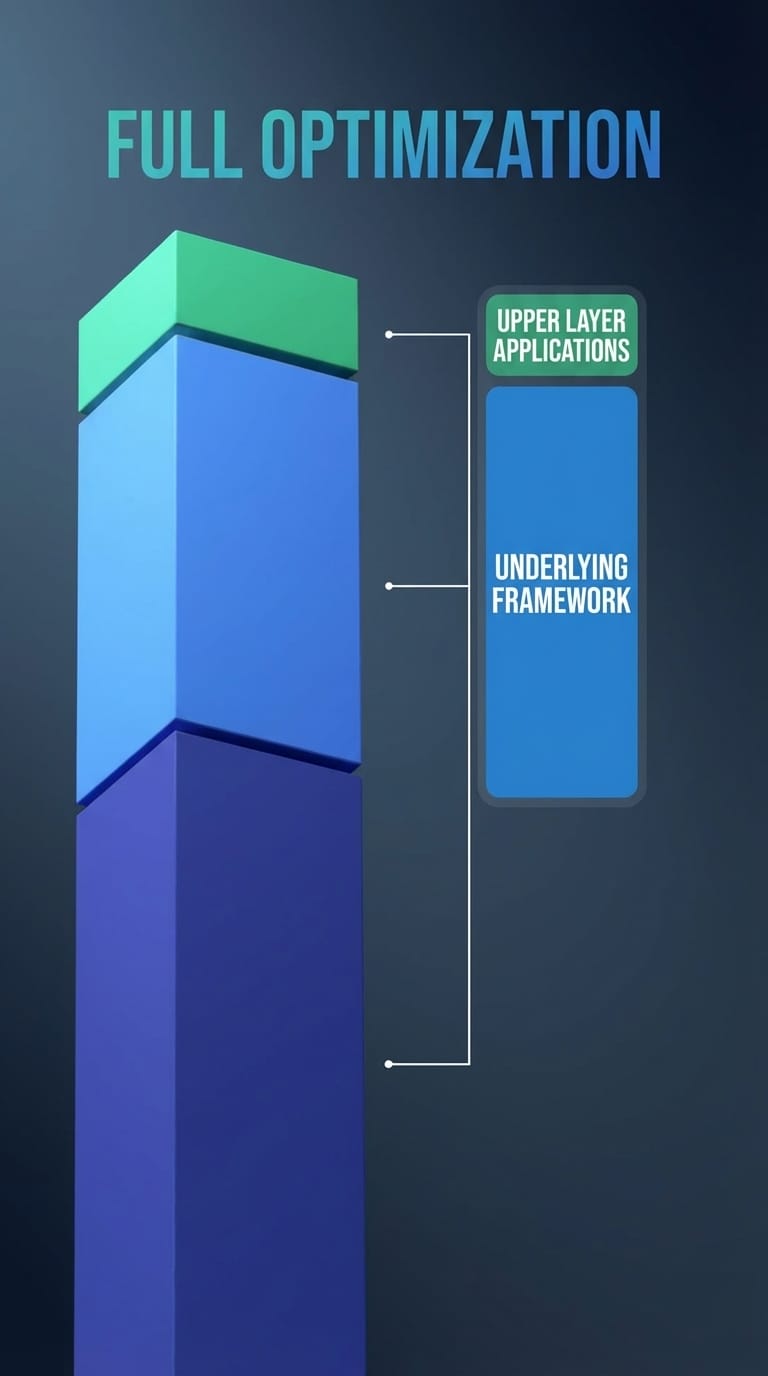
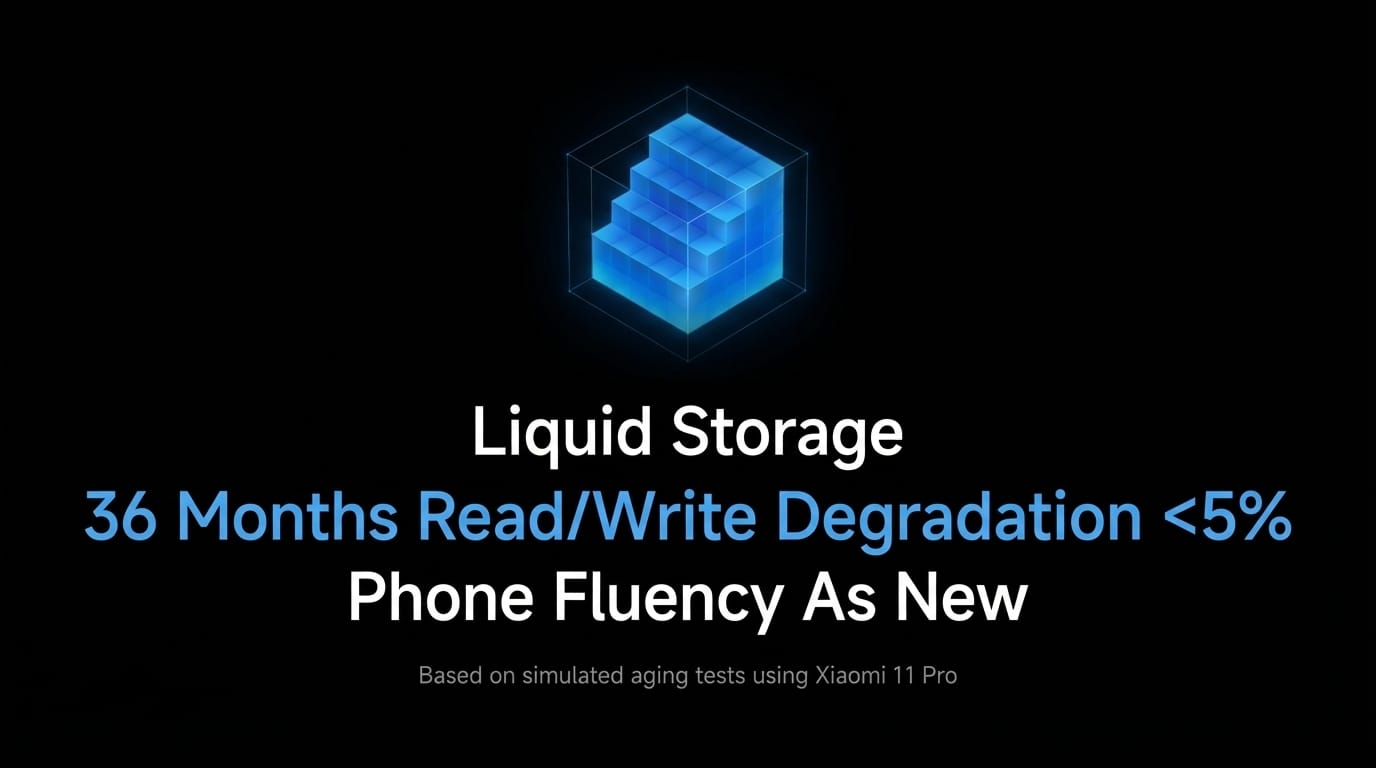
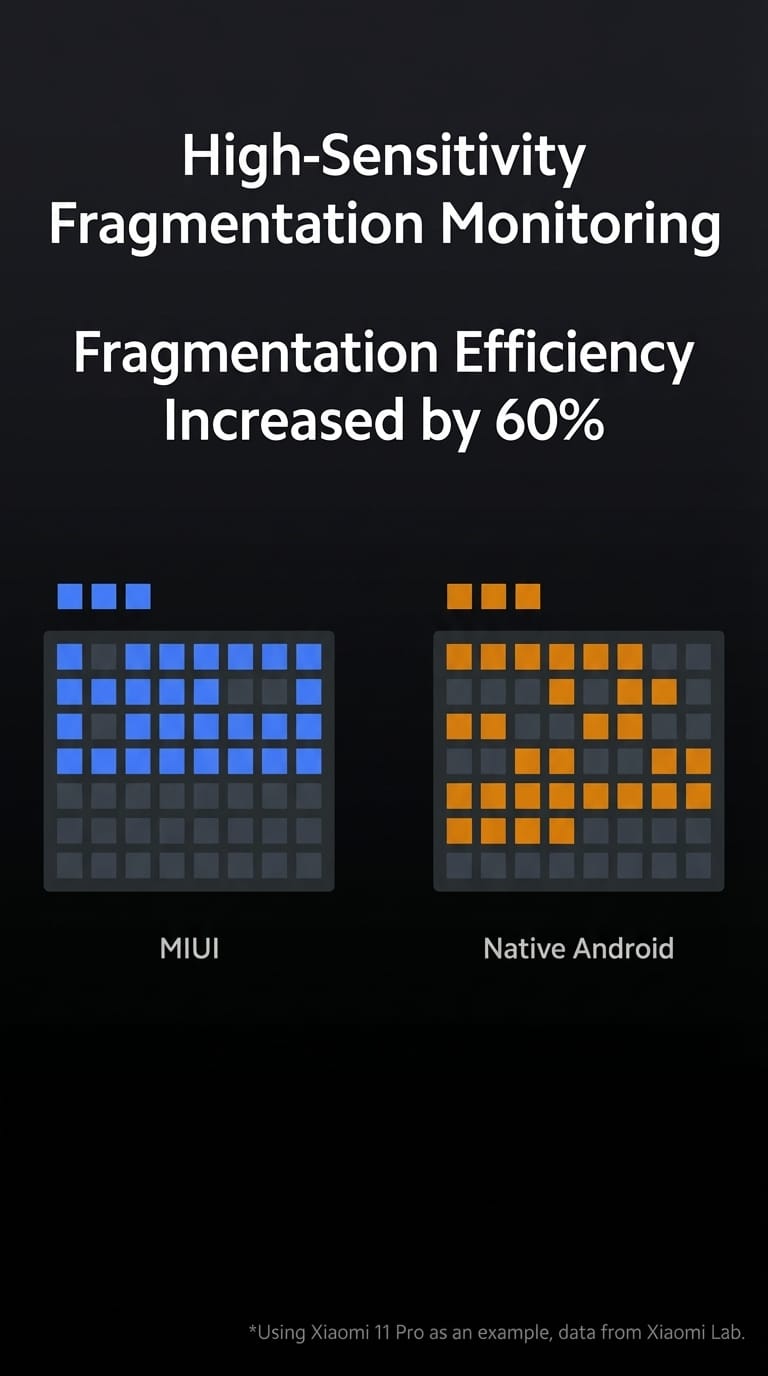
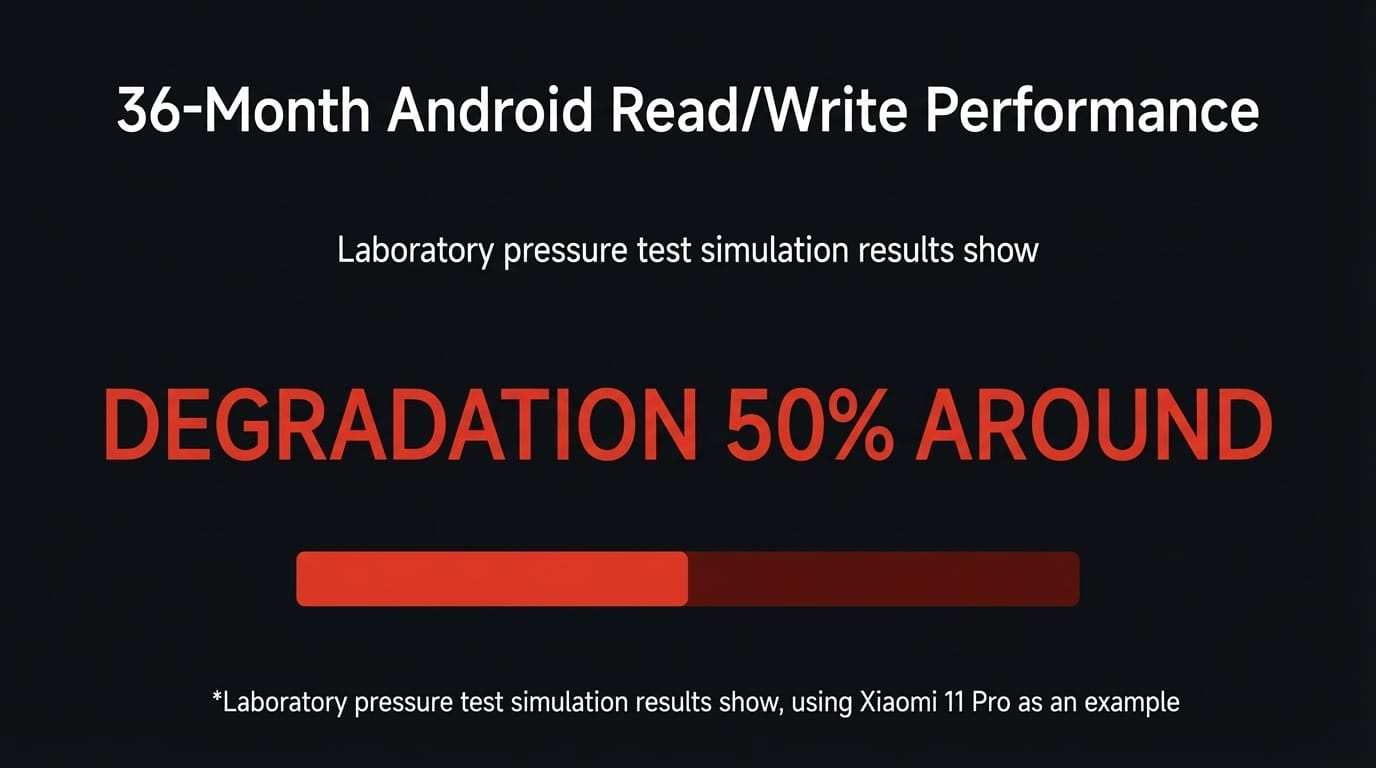
Have you ever noticed how other Android brands start to lag and stutter after a year of use, forcing you to factory reset? Xiaomi devices don’t have that problem, and “Storage Refresh” is the unsung hero making that happen. Running silently while your phone is idle and charging, it guarantees that your app launch speeds and system fluidity feel just as fast on day 1000 as they did on day 1.
Core Content: Why the Community is Wrong
The root cause of this community outrage stems from a misunderstanding of how Xiaomi handles system maintenance. Critics claim that defragmenting modern UFS solid-state storage burns through Program/Erase (P/E) cycles and degrades the memory.
While legacy HDD defragmentation is indeed harmful to flash storage, Xiaomi’s “Storage Refresh” is a highly tailored, Android-specific garbage collection and TRIM operation. Yes, it moves data around, but the theoretical “wear and tear” on your storage chip is minuscule compared to the massive performance benefits.
Modern UFS chips are built to withstand hundreds of terabytes of writes. The feature prevents the file system from choking on fragmented cache and orphaned database files, which is a very real problem on long-term Android installations. The benefits of a snappy UI drastically outweigh the exaggerated fears of hardware degradation.

Affected Devices / Software Versions
This is a tried-and-true core system mechanism, not an experimental bug.
-
Affected Software: This feature has been a staple of Xiaomi’s optimization engine since MIUI 12.5 and continues to be a crucial part of the system all the way up to the newly rolling out Xiaomi HyperOS 3.
-
Affected Devices: Universally present across all global and China-exclusive Xiaomi, REDMI, and POCO devices.
Xiaomi’s Strategy
Xiaomi’s engineers know exactly what they are doing. By ignoring the noisy minority and keeping this feature locked in from MIUI 12.5 through HyperOS 3, they are ensuring the absolute best “out-of-the-box” experience for 99% of their user base. They prioritize sustained performance over theoretical paranoia.