 Adimorah Jude
Smartphone innovation has taken many forms over the years, from foldable displays to experimental dual-screen designs. Some companies have even explored rollable displays, although most of those ideas never made it to commercial production. A newly discovered patent now suggests that Vivo could be experimenting with a different approach to rollable smartphones.
Unlike earlier concepts where the display rolls out from the side to make the phone wider, Vivo’s patent describes a device whose screen expands vertically. In simple terms, the display would extend upward, making the device taller rather than wider when the rollable panel is deployed.
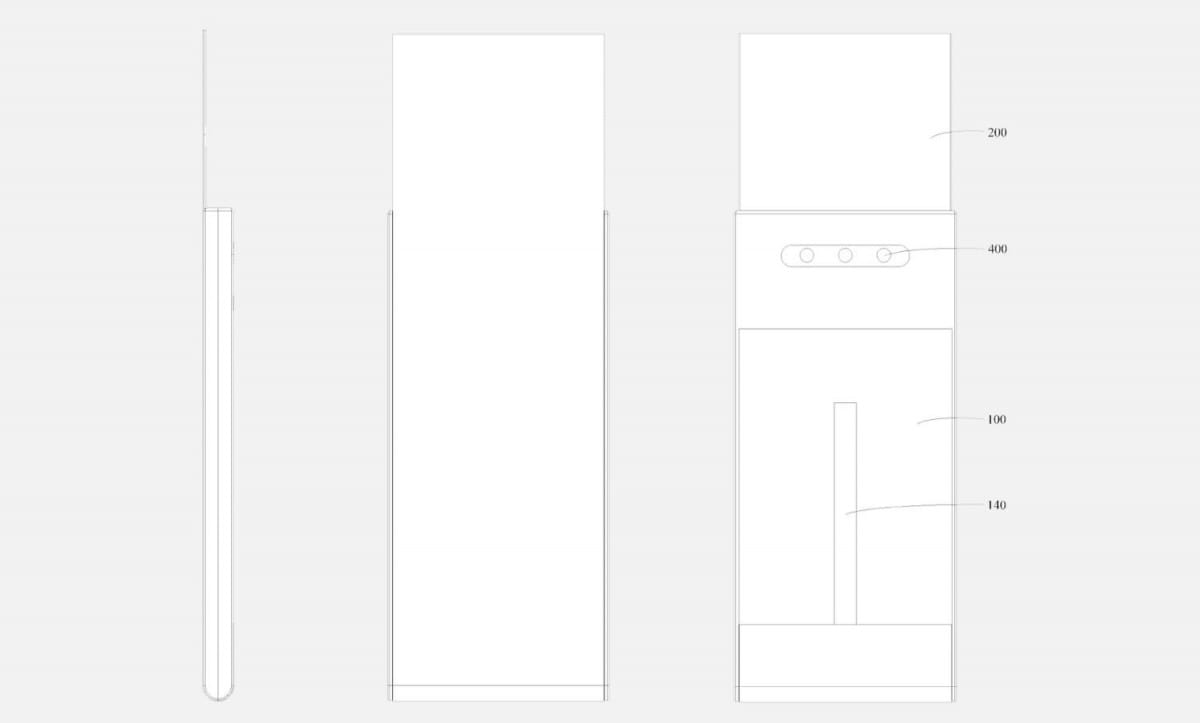
A rollable display that expands vertically
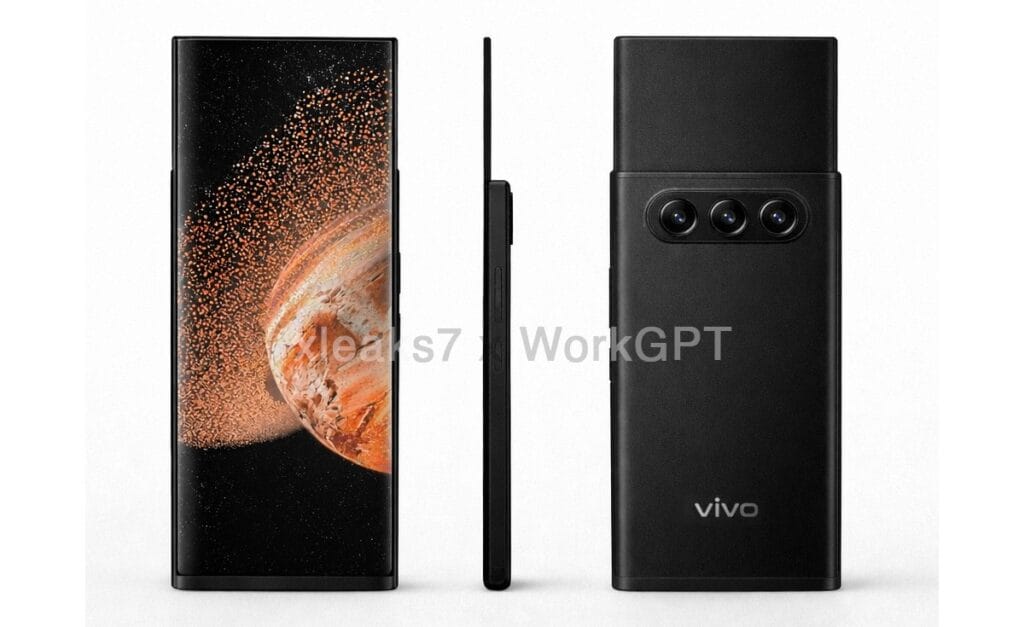
Images included in the patent reveal a smartphone design where the display rolls out from the top section of the device. When extended, the screen becomes significantly taller, creating more vertical viewing space without increasing the width of the phone.
Most rollable smartphone concepts seen in the past have focused on expanding horizontally. Devices from companies like LG and OPPO showcased rollable displays that slide out from the side to create a tablet-like experience. Vivo’s approach is different because it prioritizes additional vertical screen space.
This could be useful for tasks such as reading long articles, browsing social media feeds, or viewing extended timelines without constant scrolling. However, it remains unclear whether consumers would prefer a taller display over a wider one.
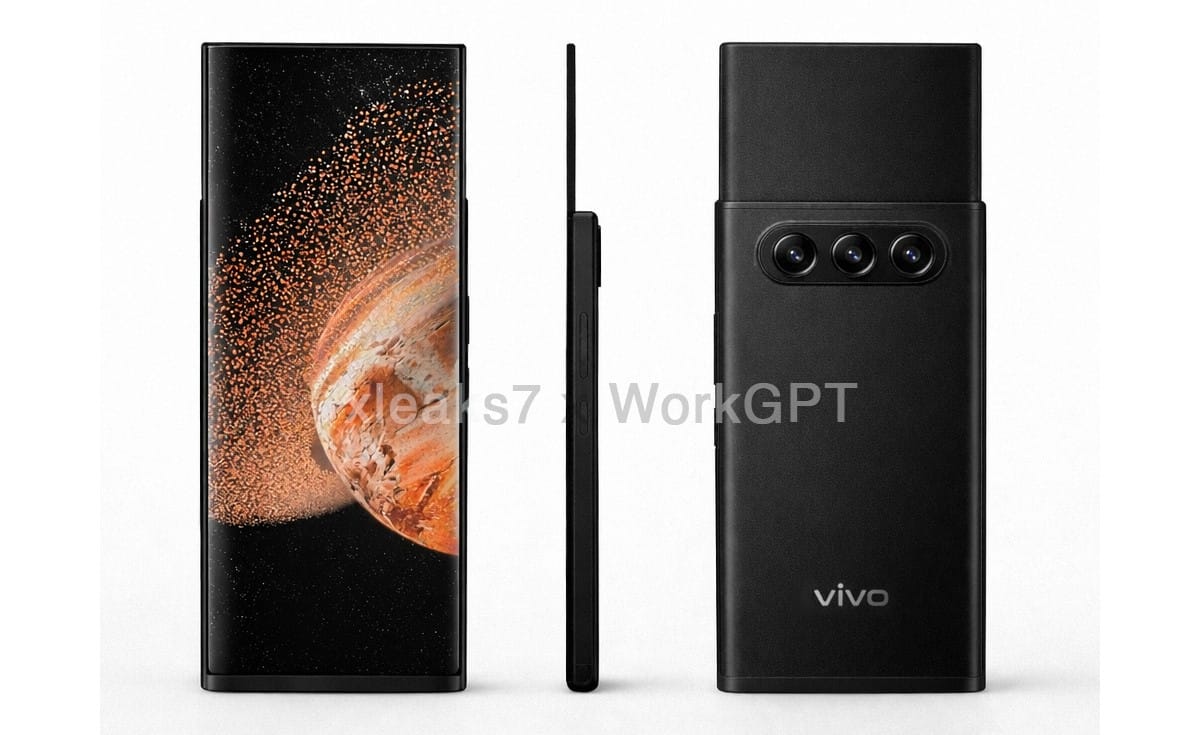
What problem would a taller rollable screen solve?
While the idea is certainly interesting, the practical benefits are still up for debate. A taller display might improve productivity apps, document viewing, or multitasking scenarios that benefit from more vertical space.
On the other hand, most multimedia content — including videos and games — is designed for wider screens. That raises questions about how much value a vertically expanding display would bring to everyday smartphone usage.
Still, experimentation with new form factors is what drives smartphone innovation forward, and patents often represent early ideas rather than finalized products.
A concept that may never reach production
It is important to note that this Vivo device currently exists only as a patent filing. Many companies file patents to explore potential technologies, but only a small number of those concepts ever reach mass production.
For now, the vertically rollable Vivo smartphone remains a theoretical design rather than an active product in development. Whether the company eventually turns this idea into a real device will likely depend on engineering feasibility, cost, and market demand.
If Vivo does decide to move forward with the concept, we may learn more about the technology and the company’s vision for vertically expanding displays in the future.