
 Emir Bardakçı
Google officially announced the integration of Automatic Feedback-Directed Optimization (AutoFDO) into the Android kernel to enhance overall system performance. This technological advancement utilizes real-world data patterns to refine how the operating system executes code at its most fundamental level. By analyzing actual usage scenarios, the compiler makes better decisions that lead to a significantly smoother user experience on Xiaomi HyperOS devices. This update targets the core of the system, where the kernel typically manages nearly 40% of the total CPU workload during standard operations.
The technical mechanics of AutoFDO
AutoFDO represents a shift from static code heuristics to dynamic, data-driven optimization. In traditional compilation, the system follows generic rules to guess which code paths are most important. AutoFDO replaces these guesses with profiles captured from real-world execution, identifying “hot” areas of the kernel that require the most efficiency. For users of the latest Xiaomi Pad 8 or flagship phones, this means the hardware can prioritize resources more effectively based on actual app behaviors rather than theoretical models.
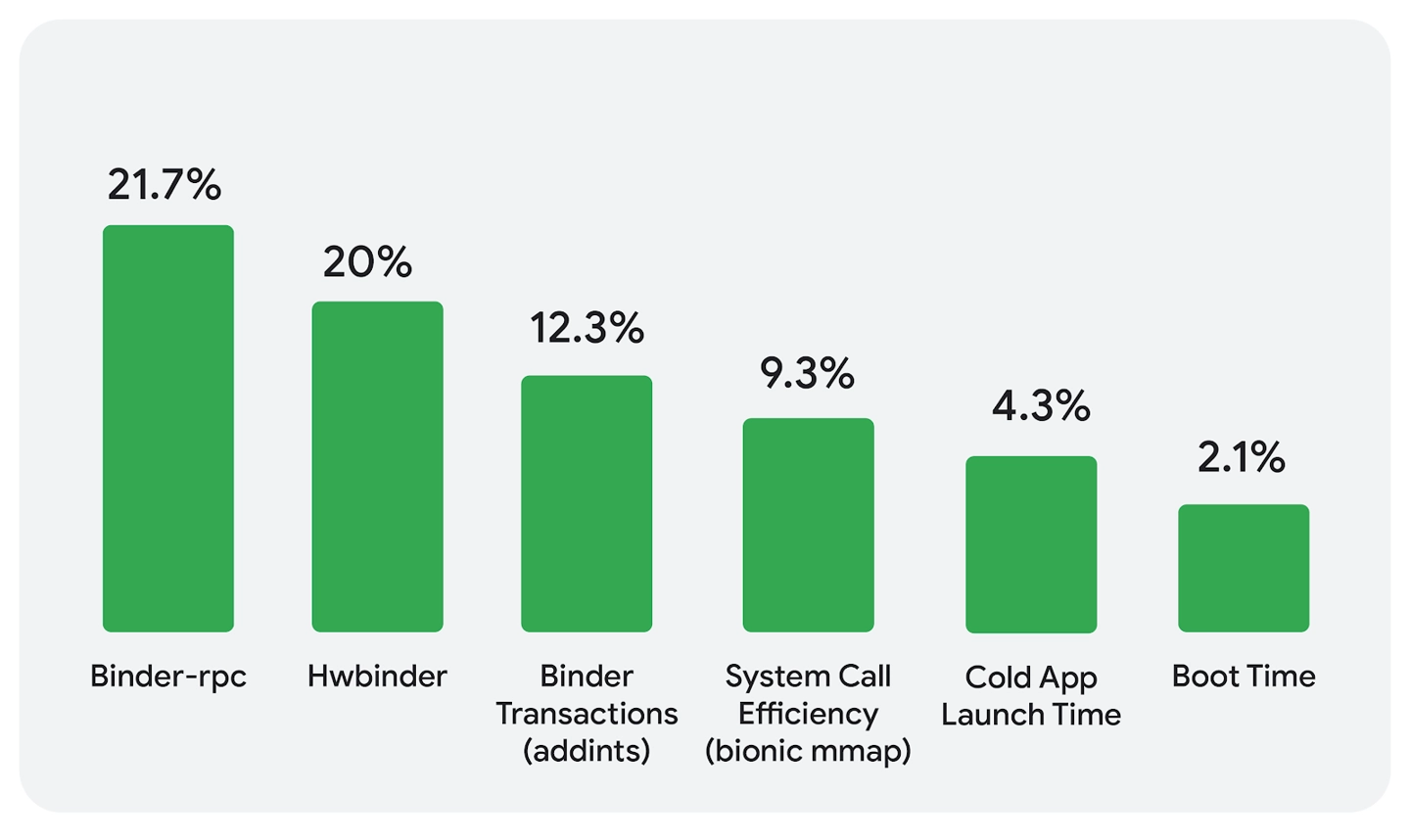
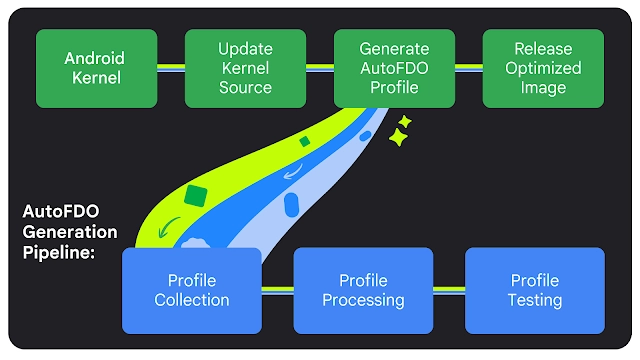
The implementation process involves collecting hardware branch history through advanced ARM extensions like ETE and TRBE. Google uses a lab environment with the top 100 most popular applications to create these profiles, ensuring that the optimization reflects what users actually do on their phones. Because the kernel is the bridge between the hardware and software, these improvements provide a foundation for better multitasking and responsiveness across the entire ecosystem.
-
Faster App Launches: System testing shows a 4% improvement in cold start times for applications.
-
Enhanced Multitasking: Optimized kernel scheduling allows for quicker switching between heavy apps.
-
Improved Battery Life: By reducing unnecessary CPU cycles in the kernel, devices consume less power during idle and active use.
-
System Stability: The technology reorganizes code layout without changing the source logic, maintaining high reliability.
-
Smooth Navigation: Users will notice fewer micro-stutters in the UI.
Future deployment and updates
The Android team is currently deploying these optimizations to the android15-6.6 and android16-6.12 kernel branches. This ensures that upcoming Xiaomi devices will benefit from these efficiency gains out of the box and Android 16 devices may get these benefits via update. As the code evolves, Google plans to provide continuous profile updates to prevent performance drift over time.
Google aims to expand this technology to vendor-specific modules and hardware drivers in the near future. These advancements will likely set a new standard for mobile operating system efficiency across all price segments.