 Adimorah Jude
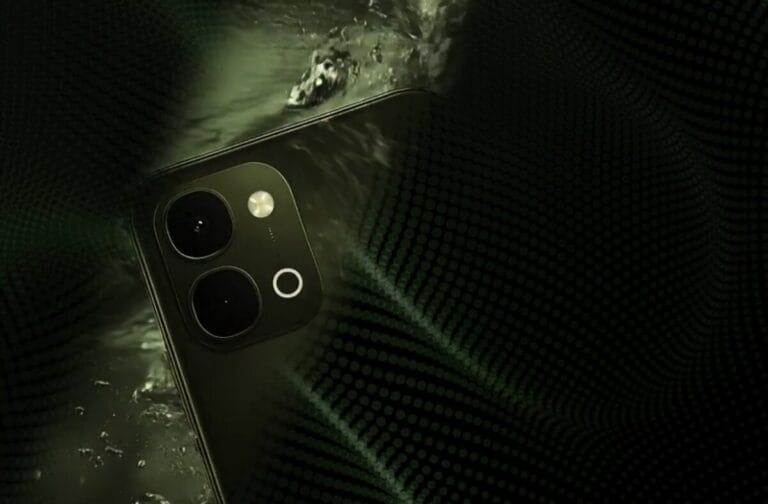
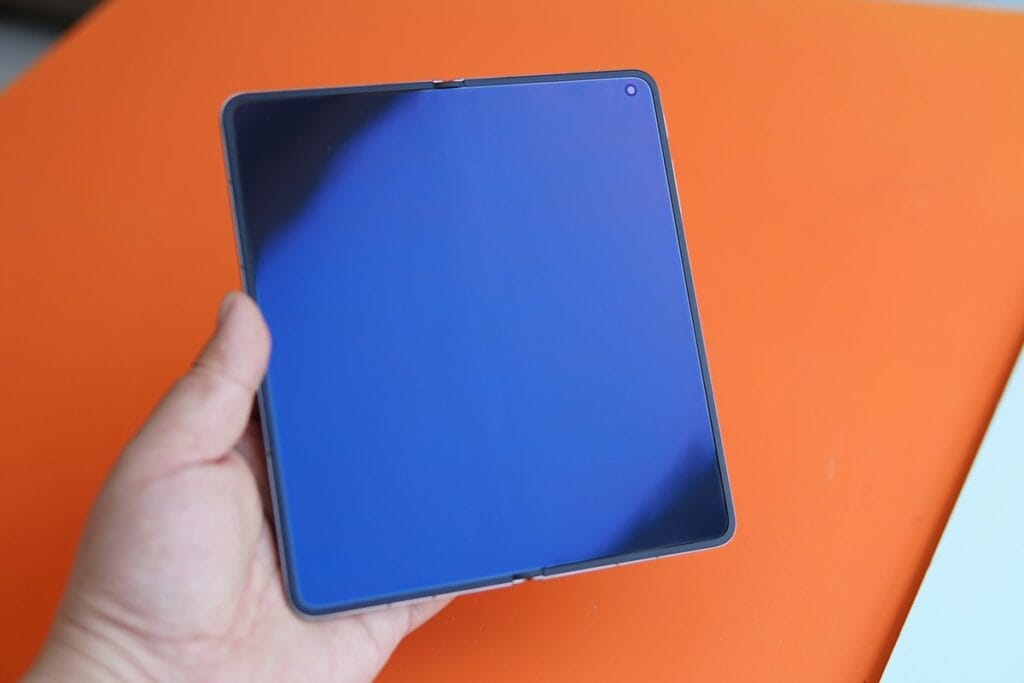
OPPO has been steadily revealing new details about its upcoming foldable phone, the OPPO Find N6, ahead of its official launch. One of the biggest highlights of the device is its “zero-feel crease” display, and the company has now explained the technology behind it.
According to OPPO, achieving a nearly crease-free foldable screen required a combination of two key innovations: a new titanium hinge system and an all-new Auto-smoothing Flex Glass layer.
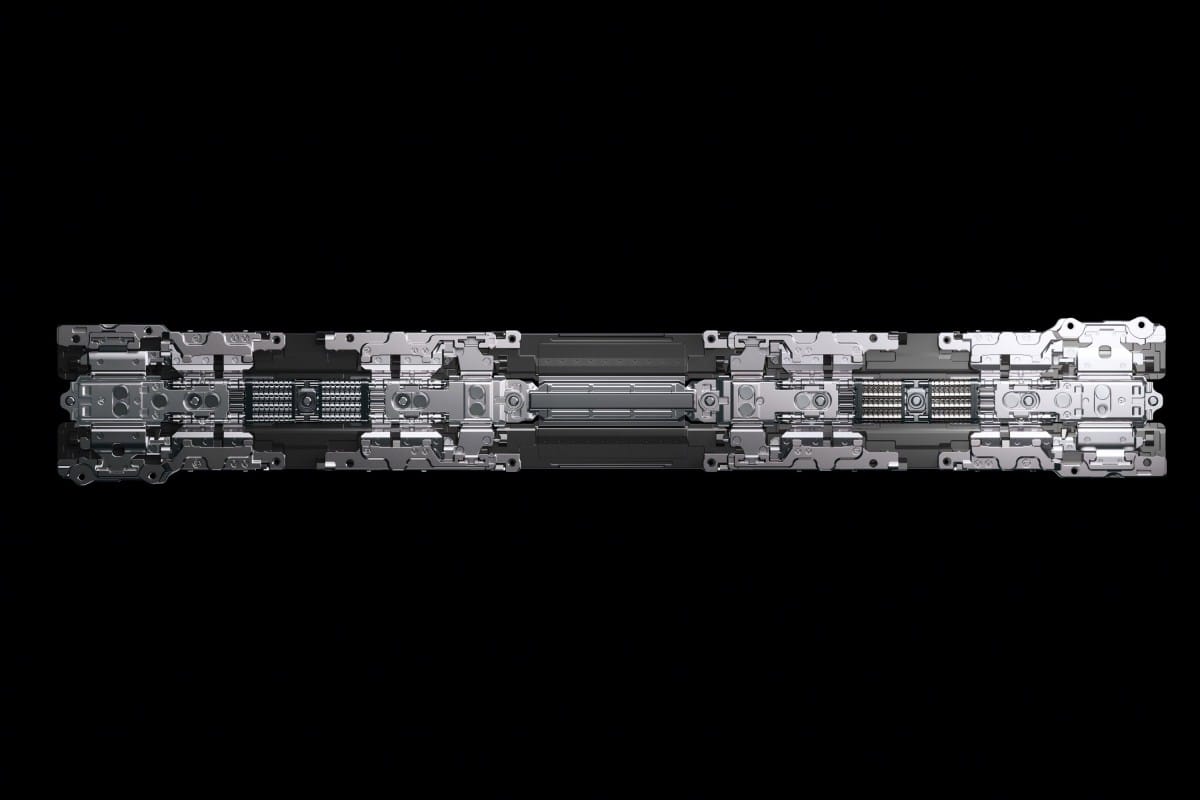
Second-Generation Titanium Flexion Hinge
At the core of the Find N6’s display technology is a second-generation Titanium Flexion Hinge. OPPO says the hinge uses liquid 3D-printed components, a process designed to improve precision and durability.
The hinge goes through a multi-stage manufacturing process. It begins with high-precision laser scanning, which creates a detailed model of each hinge surface. This step ensures that every part of the hinge structure is accurately mapped before production.
The next stage involves liquid 3D printing, where tiny droplets of photopolymer resin are used to fill microscopic uneven areas. This helps eliminate structural irregularities that could affect the folding mechanism.
Finally, the hinge layers are instantly solidified using UV light, forming a stable and durable structure.
Titanium Build and Improved Folding Design
OPPO also revealed that both the hinge and wing plate are made from Grade-5 titanium alloy, a material known for its strength and lightweight properties.
The hinge structure features a wider water-drop folding design, which increases the folding radius of the display. This reduces the stress placed on the screen during folding and unfolding.
The company has also added an updated carbon-fiber support plate, which further improves durability while maintaining a slim design.
Auto-Smoothing Flex Glass for Long-Term Durability
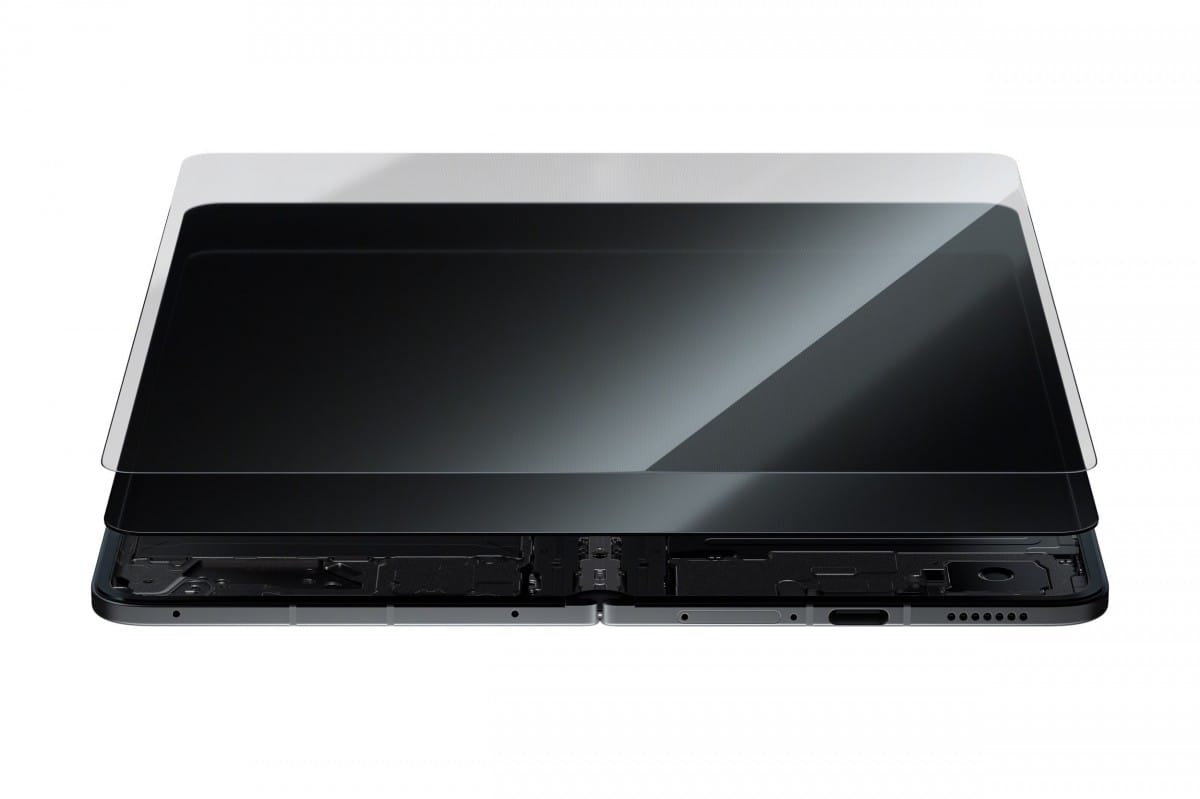
While the hinge plays a crucial role in reducing the crease, OPPO says it cannot completely prevent crease formation over long periods of use. To address this, the company developed Auto-smoothing Flex Glass.
According to OPPO, this new glass layer is 50% thicker than traditional ultra-thin glass (UTG) used in many foldable devices. The added thickness improves durability and helps the display resist deformation over time.
The glass also offers enhanced elasticity, allowing it to return to its original shape more easily after repeated folding. This helps minimize the appearance of creases during everyday use.
Tested for Long-Term Folding
OPPO says the hinge and Auto-smoothing Flex Glass were tested in collaboration with TÜV Rheinland. The results reportedly show an 82% reduction in long-term crease depth compared to previous solutions.
The company also claims that the Find N6 display can maintain its crease-free appearance even after more than 600,000 folds, though real-world performance will only become clear once the device is available for hands-on testing.
Launch Event Scheduled for March 17
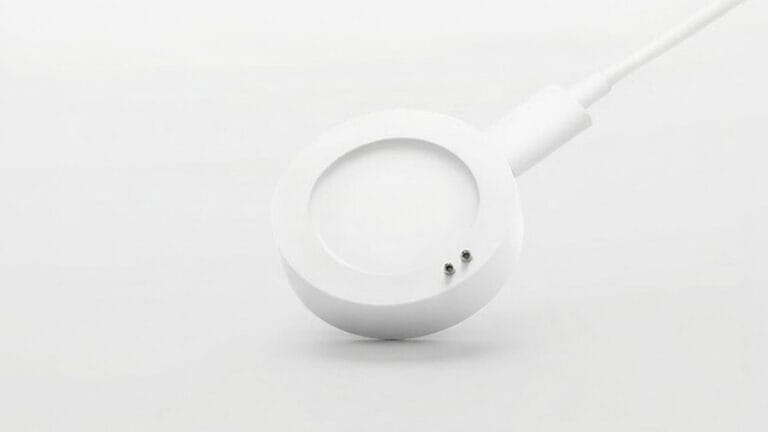
OPPO has already confirmed that the Find N6 will be officially unveiled on March 17. The foldable smartphone will launch alongside the OPPO Watch X3 smartwatch and several other accessories.
Additional products expected at the event include a new 5,000mAh power bank and other ecosystem devices. More details about these products will be revealed during the official launch event.