 Emir Bardakçı
When it comes to pushing the boundaries of smartphone photography, Xiaomi has consistently aimed for the top tier. However, with the release of the Xiaomi 17 Ultra, the company isn’t just pushing boundaries; they are rewriting the rulebook. Equipped with a groundbreaking Light Fusion 1050L sensor, a 200MP Leica APO telephoto lens, and unparalleled computational photography, the 17 Ultra blurs the line between a smartphone and a professional DSLR.
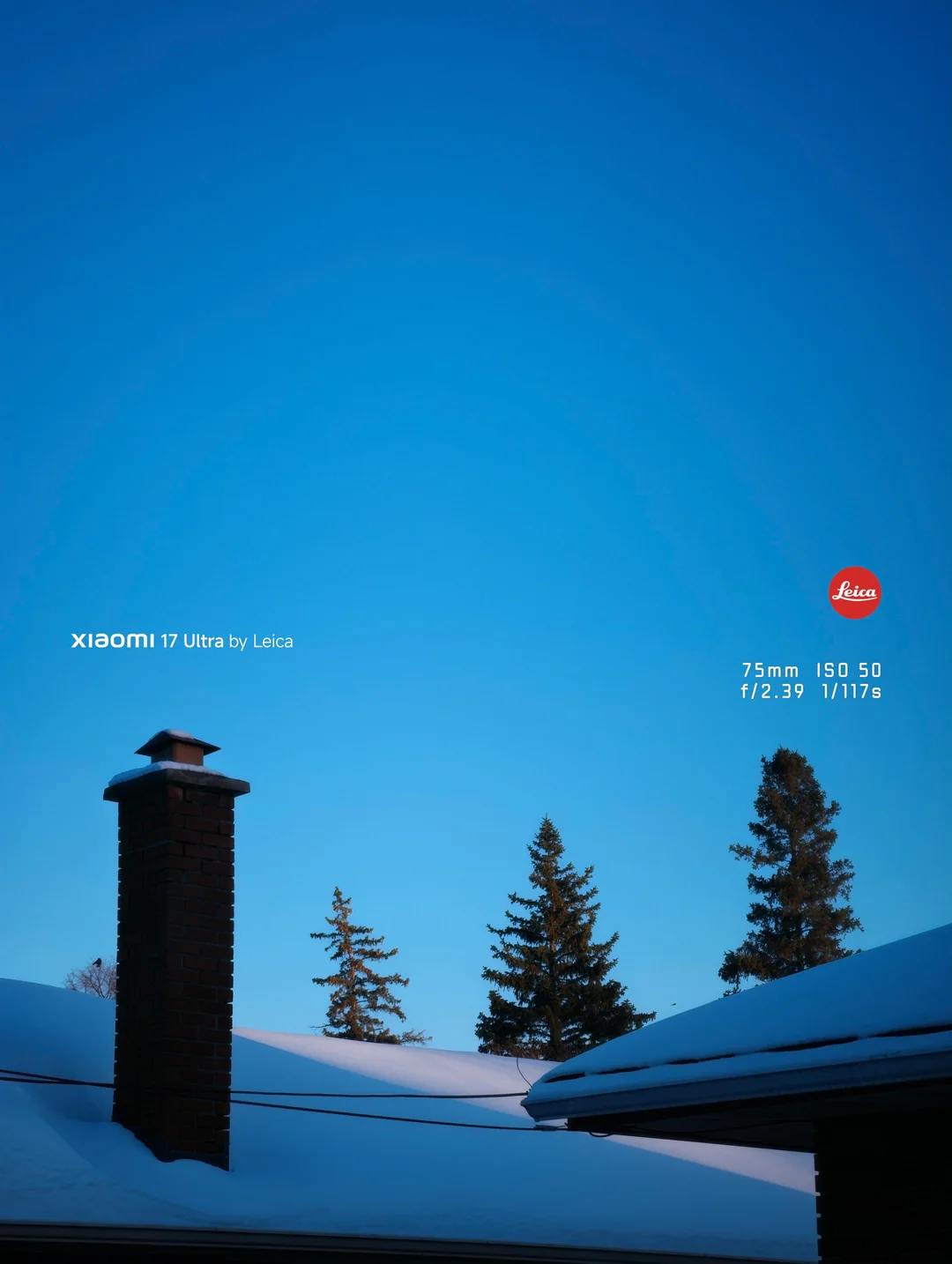
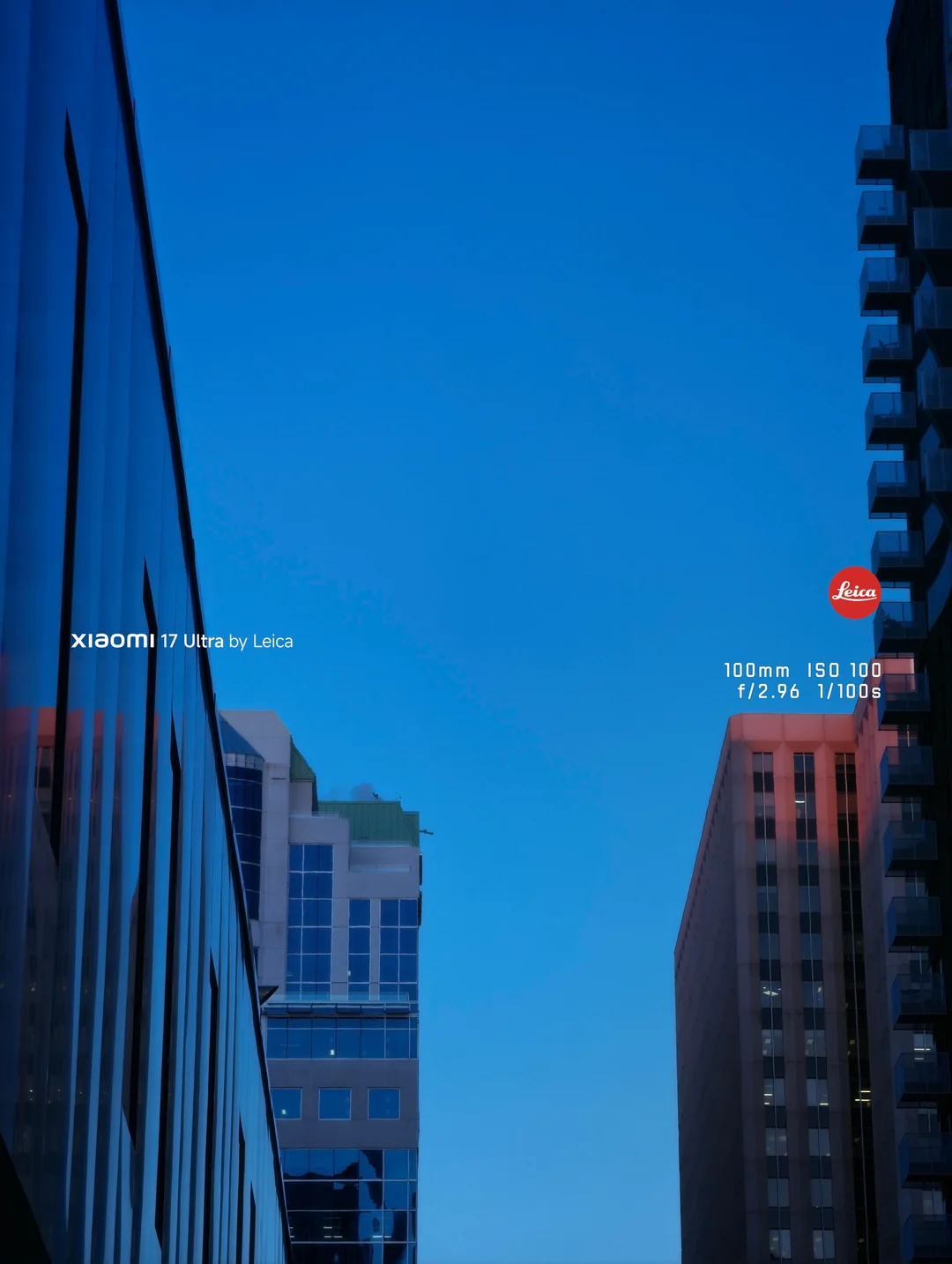
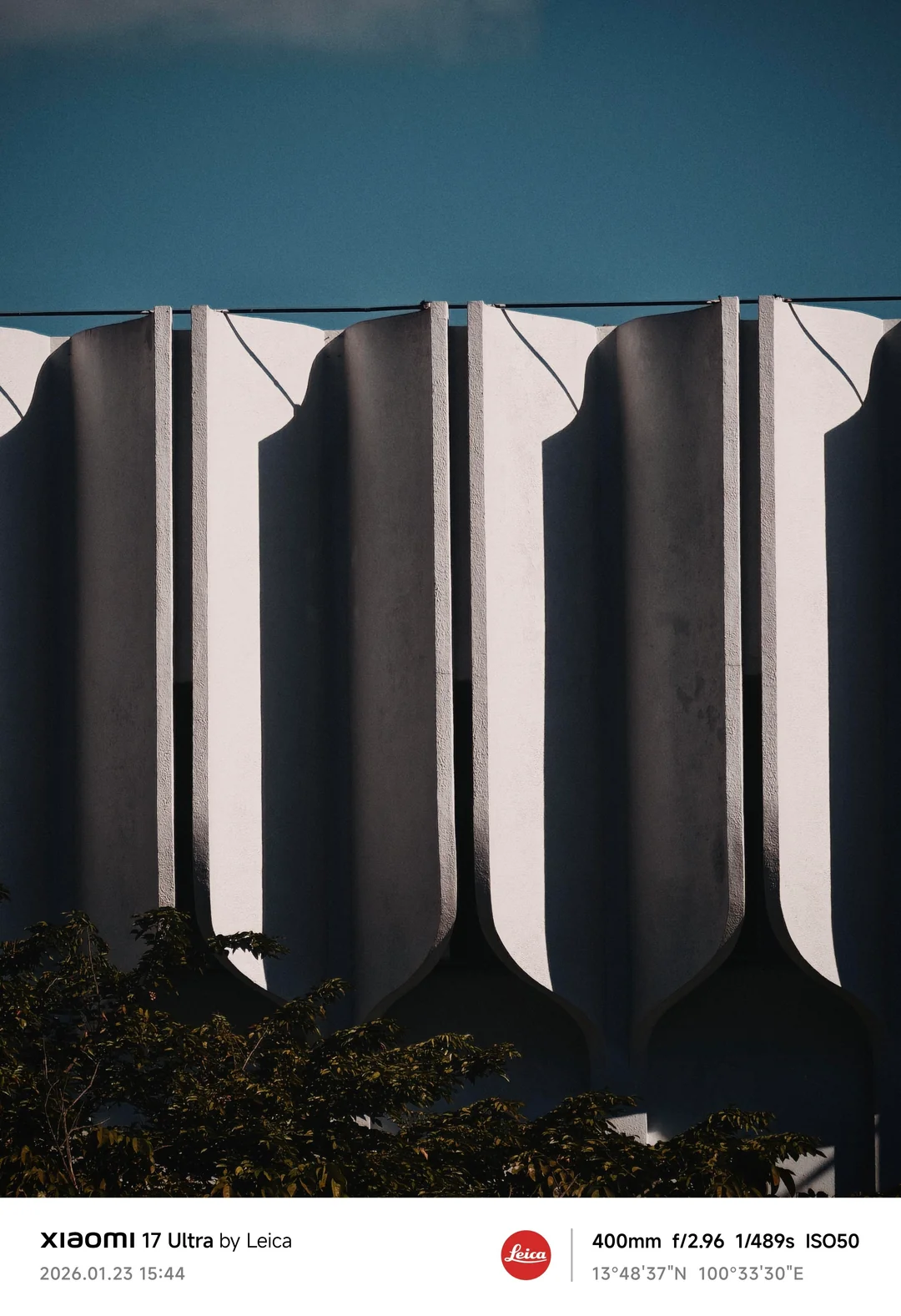
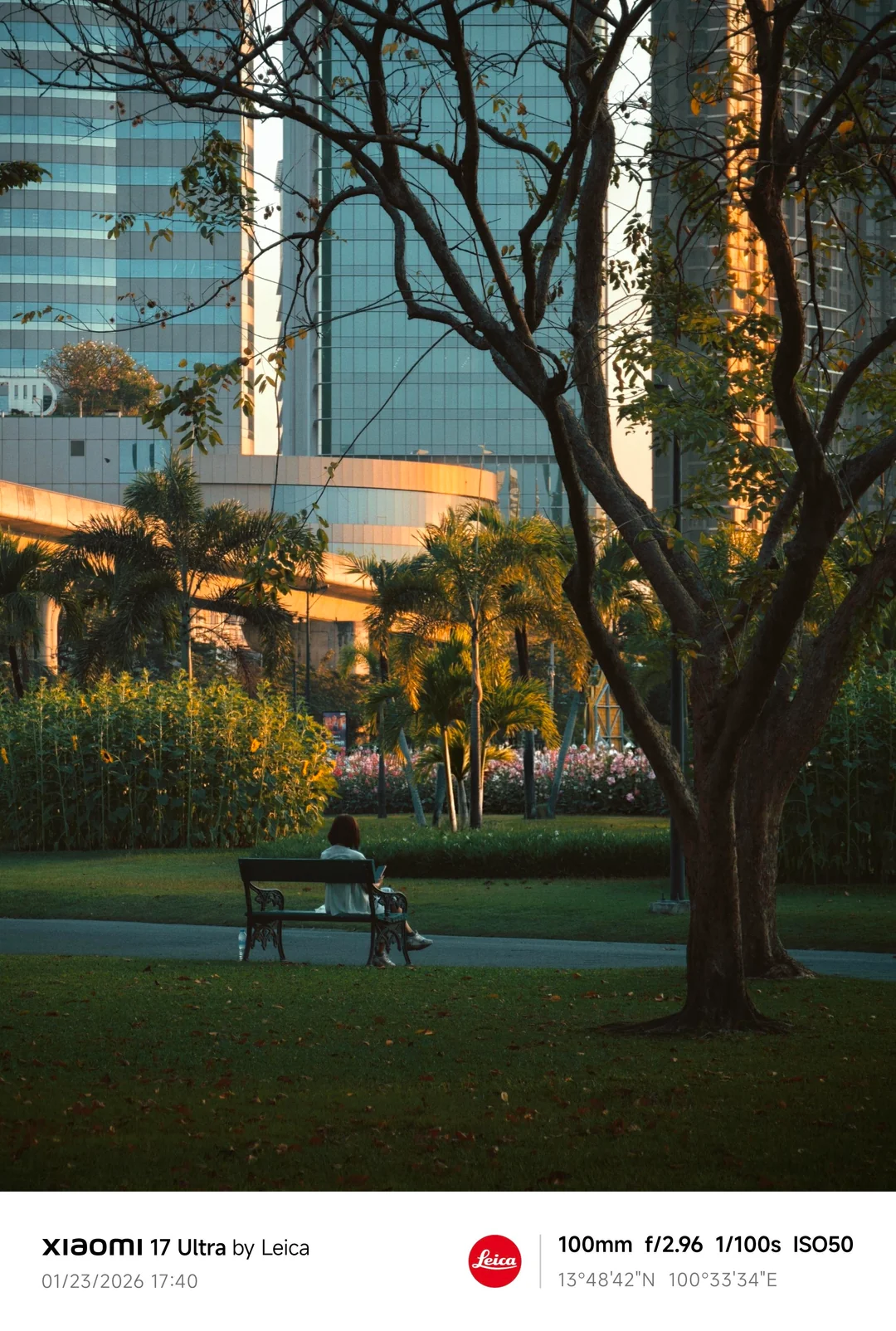
After analyzing 70+ diverse photographic samples—ranging from extreme telemacro shots to demanding neon-lit nightscapes—here is our deep dive into the Xiaomi 17 Ultra’s camera capabilities.
The Sensor Revolution: Light Fusion 1050L and LOFIC
The heart of the 17 Ultra’s main camera is the 50-megapixel Type 1 Light Fusion 1050L sensor. While high megapixel counts are common, the real magic here lies in the Lateral Overflow Integration Capacitor (LOFIC) technology.
In high-contrast scenes, individual pixels can easily overflow with light, causing blown-out highlights. LOFIC solves this by redirecting excess light into a storage overflow area. Xiaomi claims a staggering 6.3x increase in full well capacity compared to the 15 Ultra. In our night photography tests featuring bright red neon bank signs and glowing “OPEN” displays, the results were flawless. There was absolutely zero light blooming or bleeding around the letters, a scenario that typically breaks even the best smartphone sensors.
Mastering the Dark: Extreme Night Photography
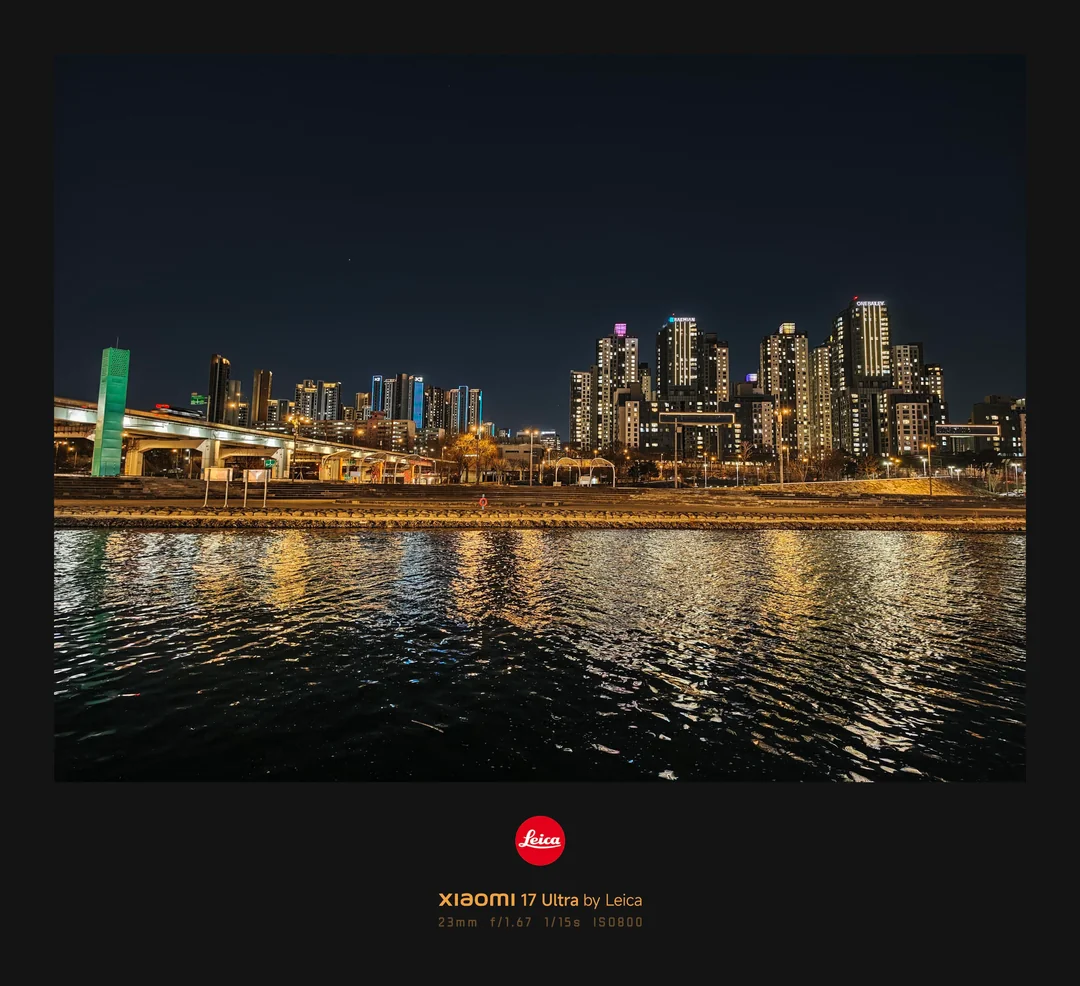
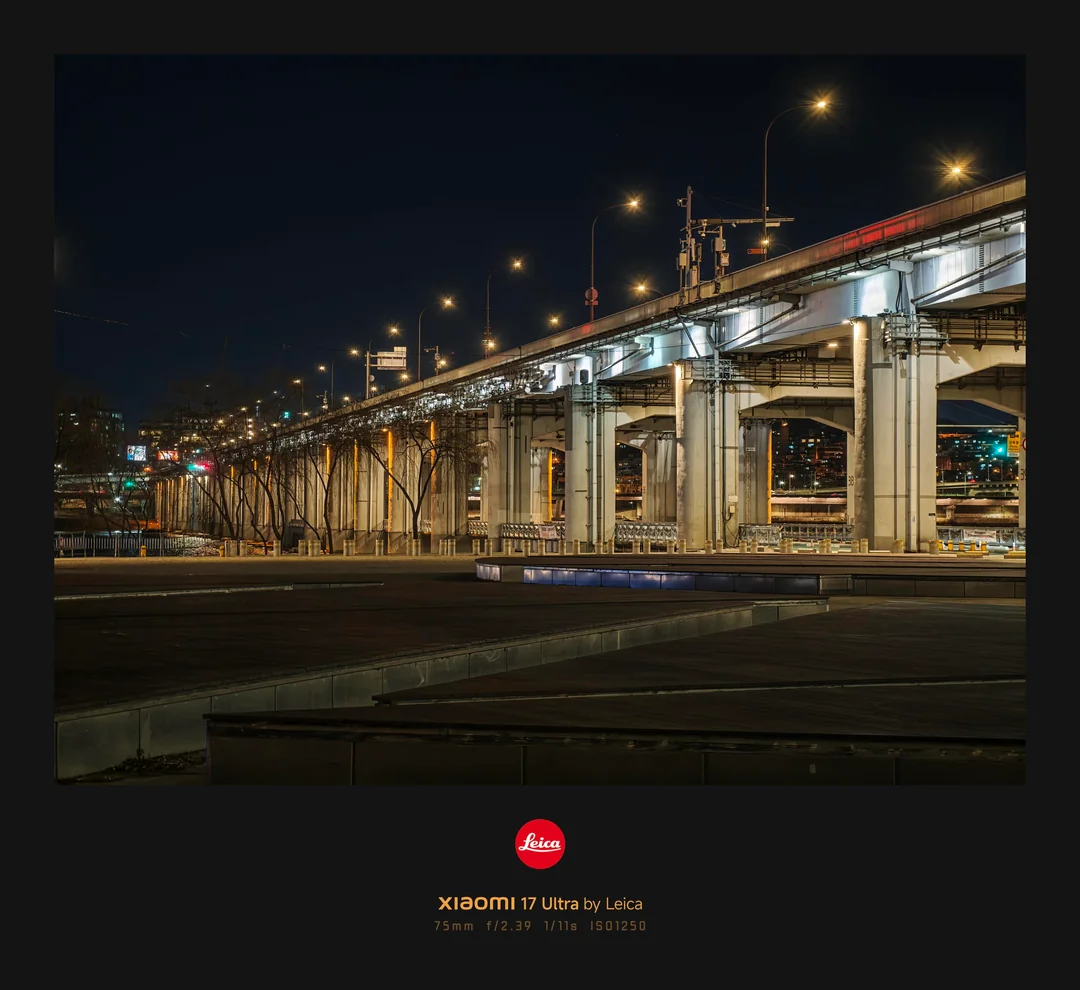
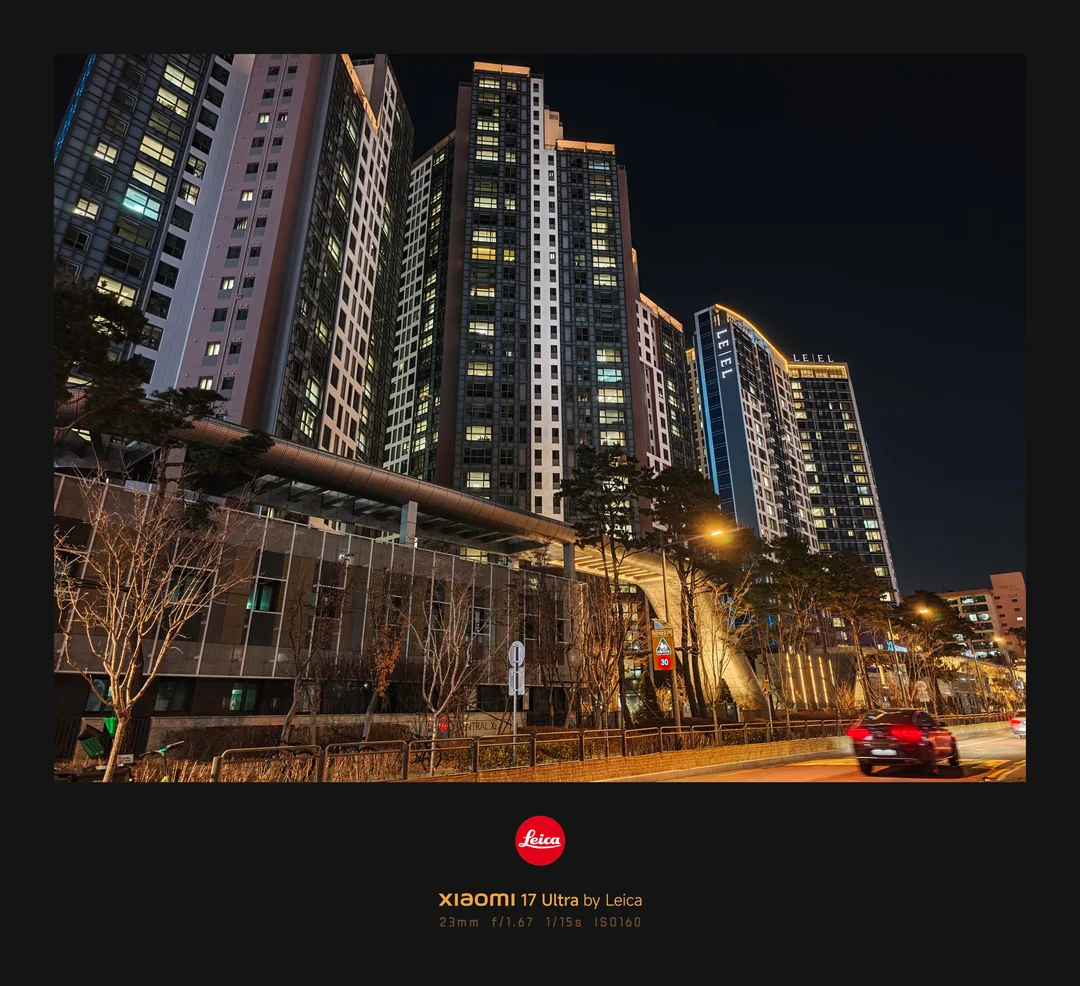
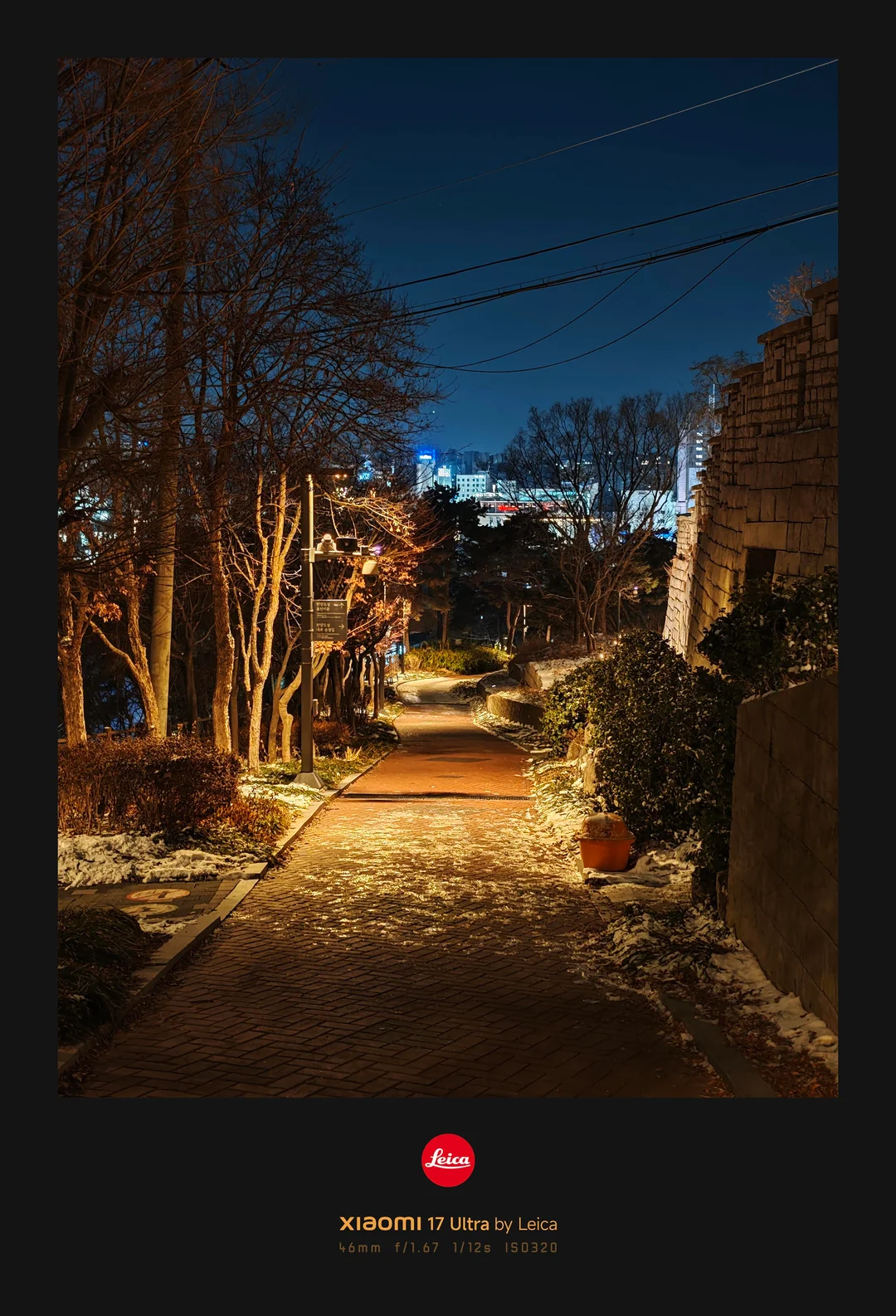
Night photography is where the 17 Ultra truly flexes its hardware muscles.
-
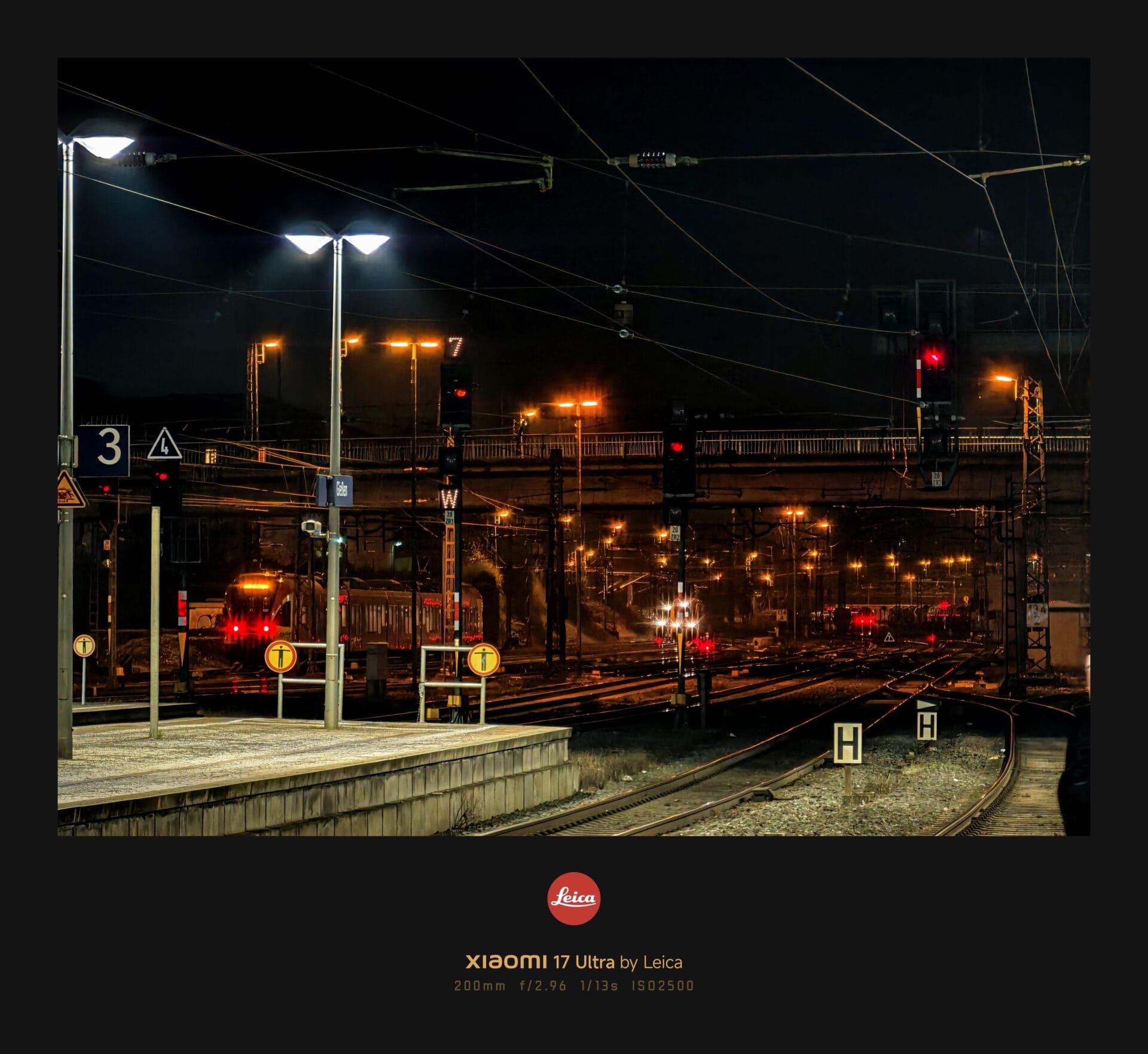
Astonishing OIS at 200mm: In a challenging shot of a train station at night using the 200mm telephoto lens, the camera managed a shutter speed of 1/13s. Achieving a sharp, handheld shot at this focal length and shutter speed is a testament to an extraordinarily advanced Optical Image Stabilization (OIS) system.
-
Noise Control: Even when pushed to ISO 2500 and ISO 3200 in dark environments, the noise reduction algorithms retain the texture of gravel and metal without turning the image into a watercolor painting.
-
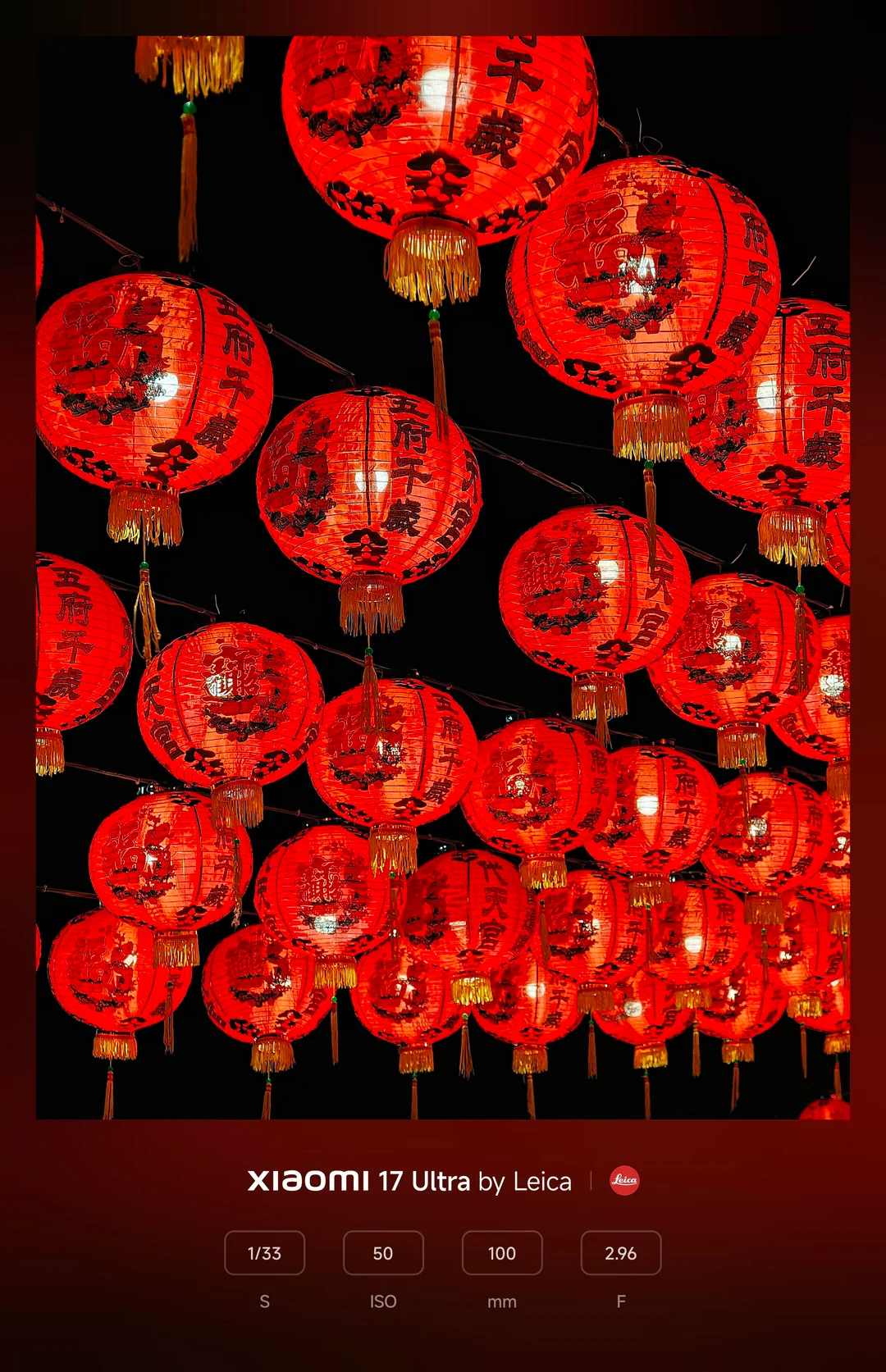
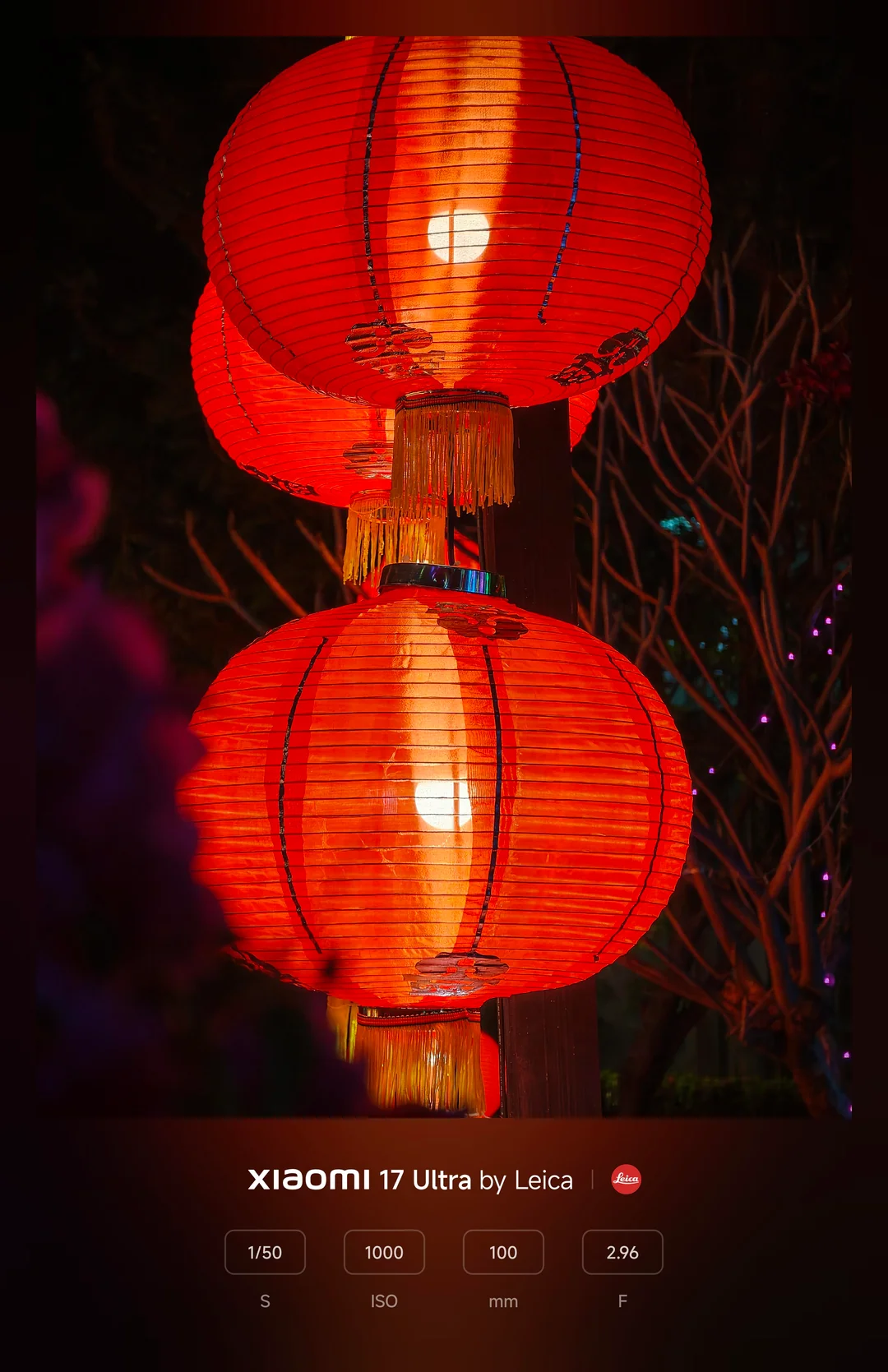
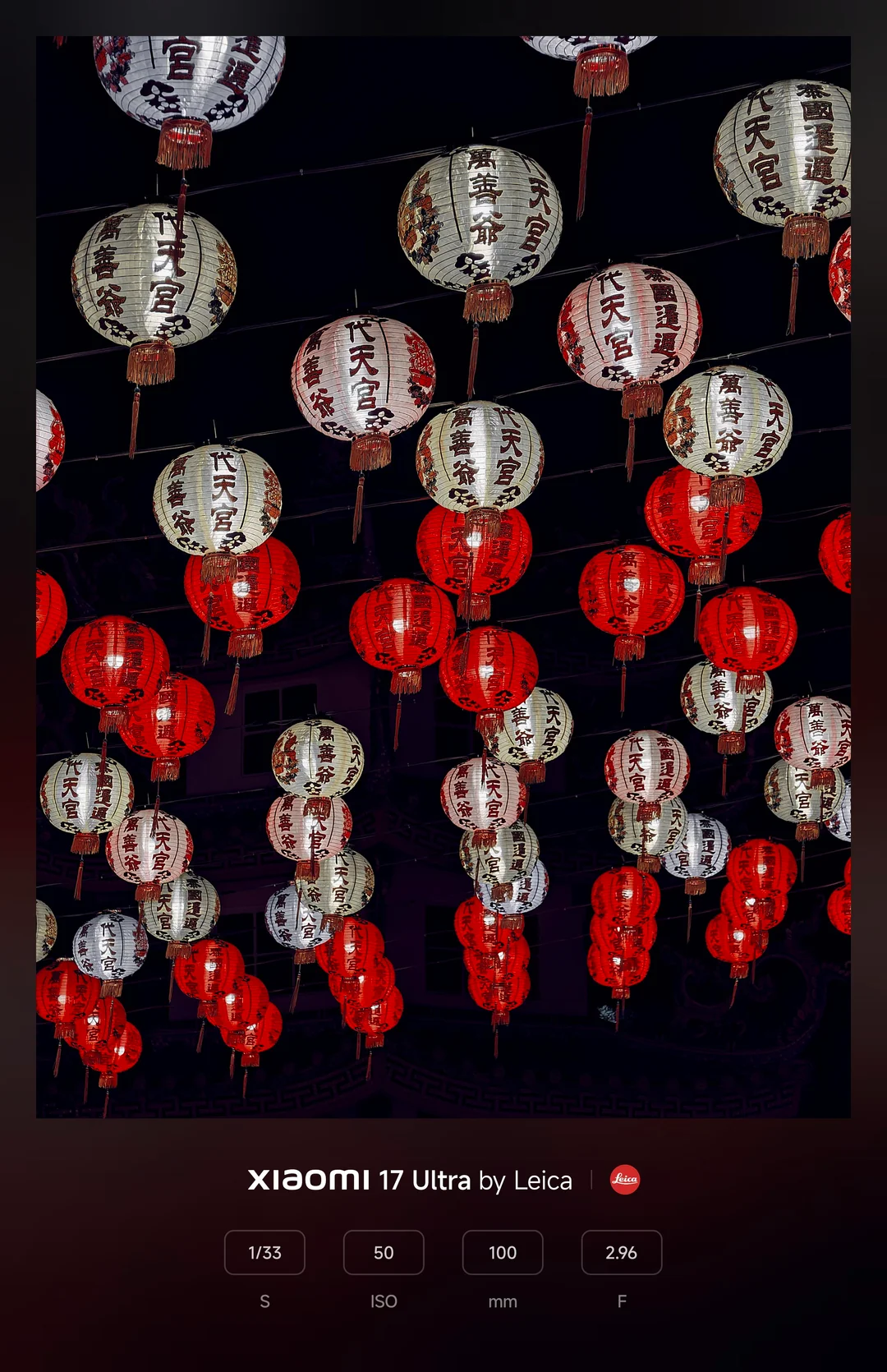
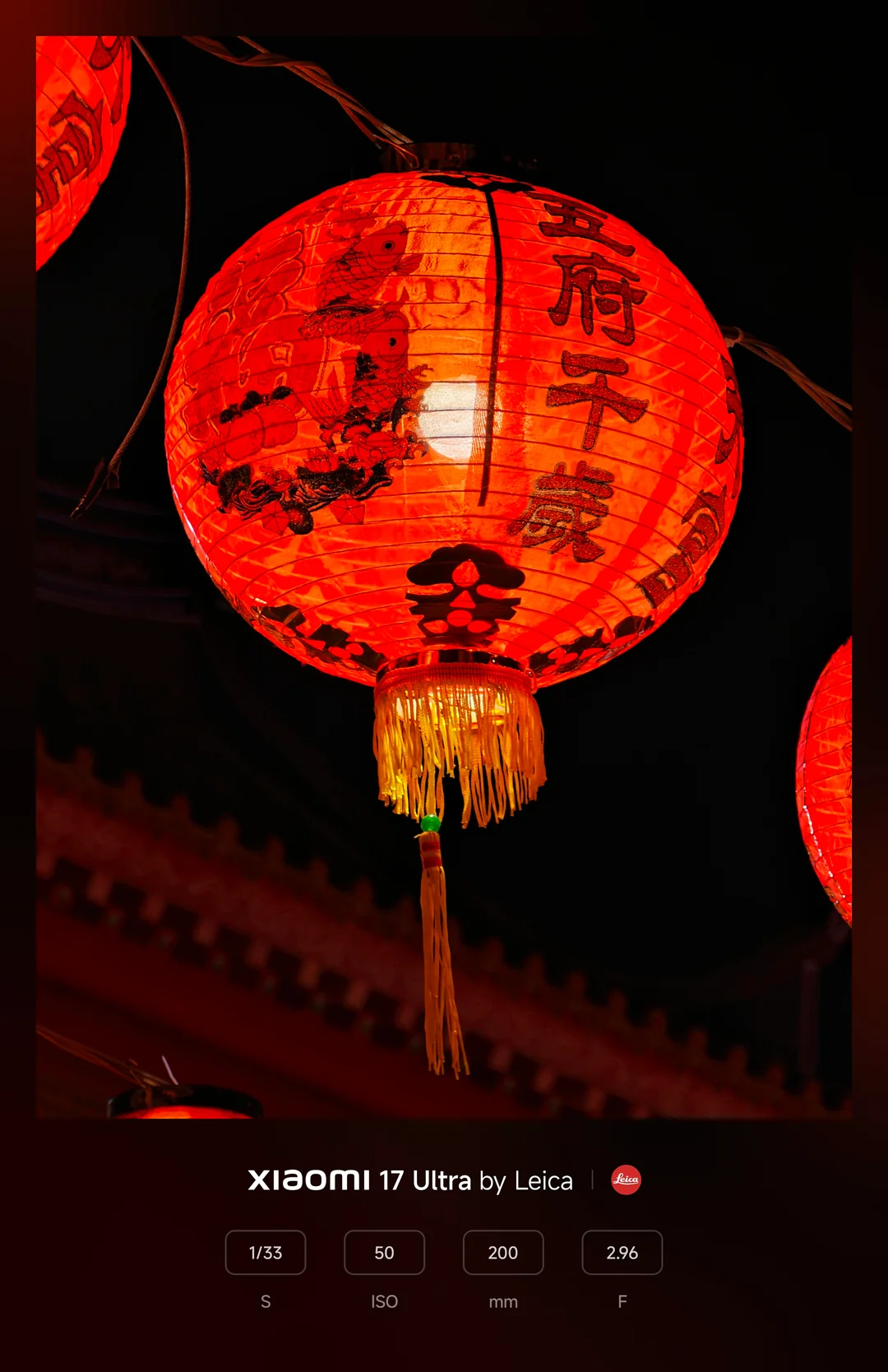
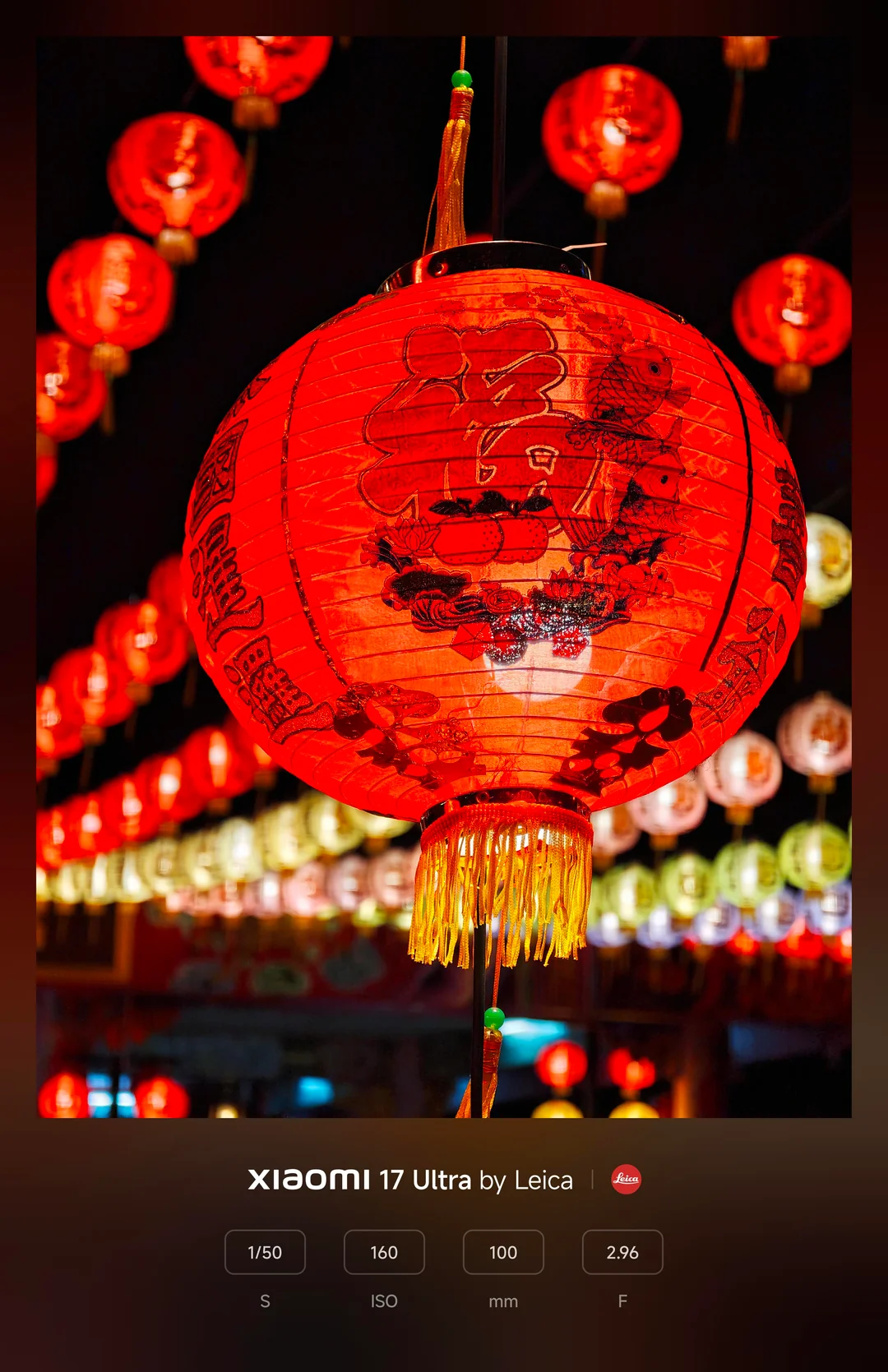
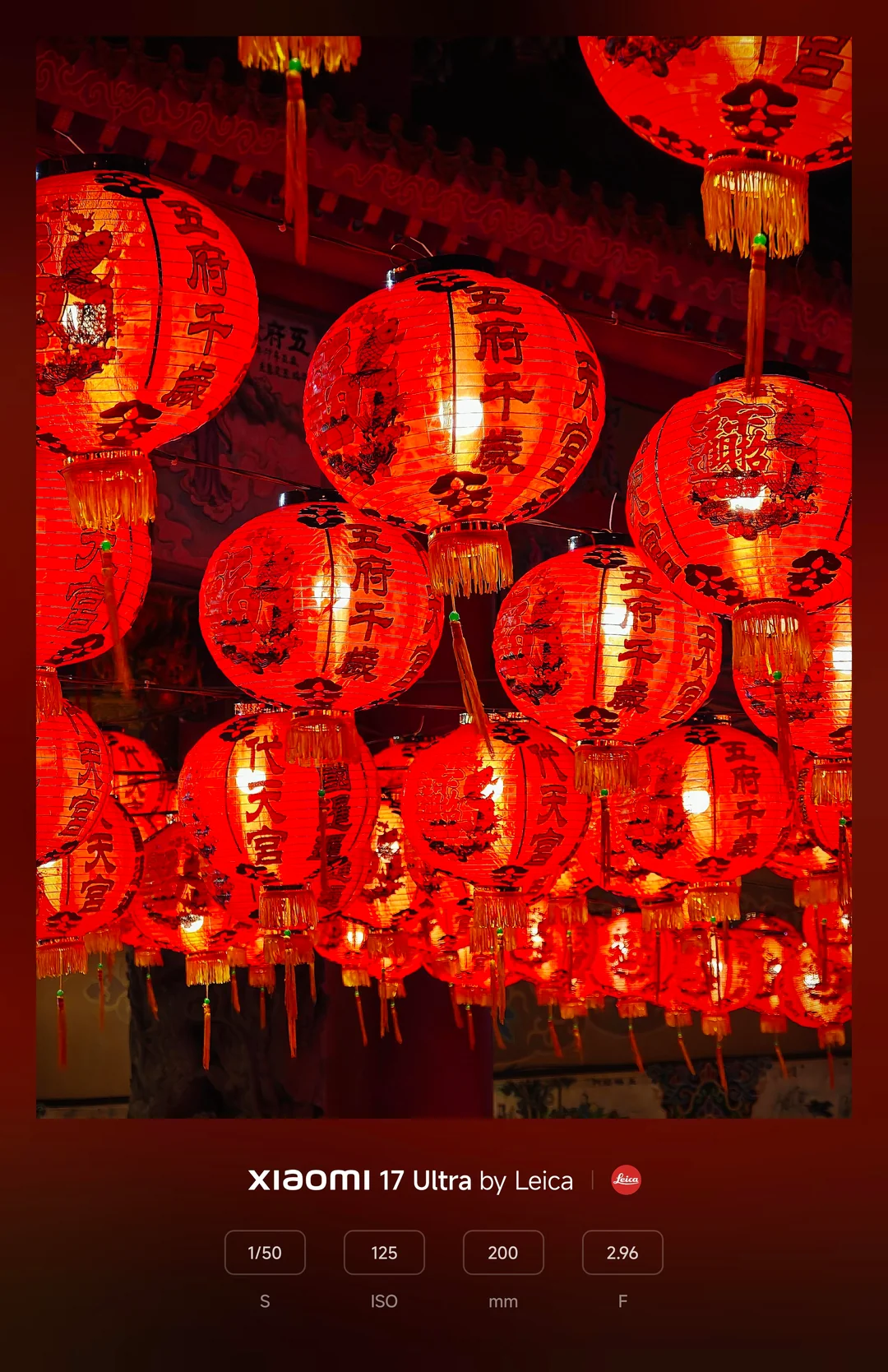
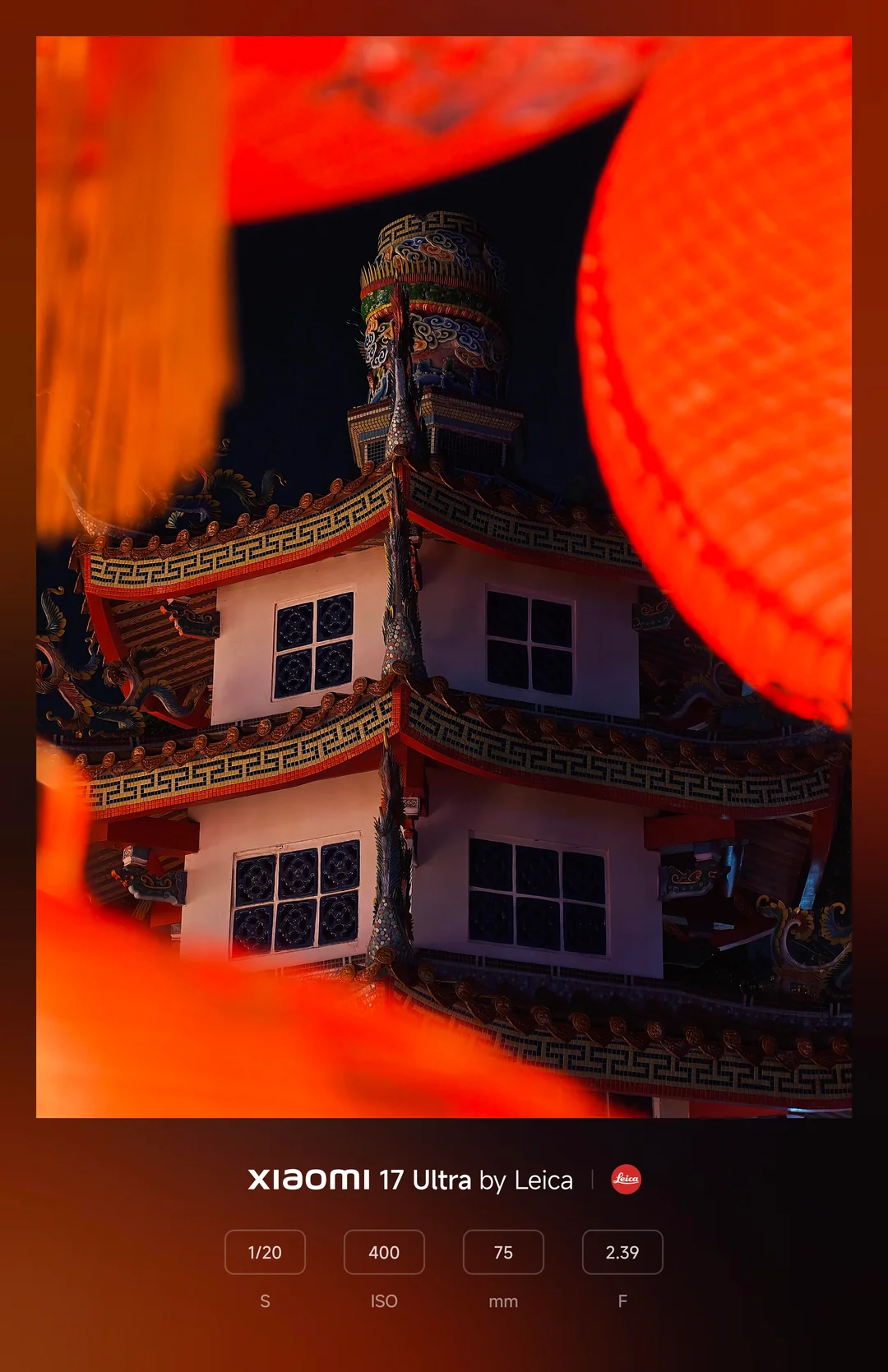
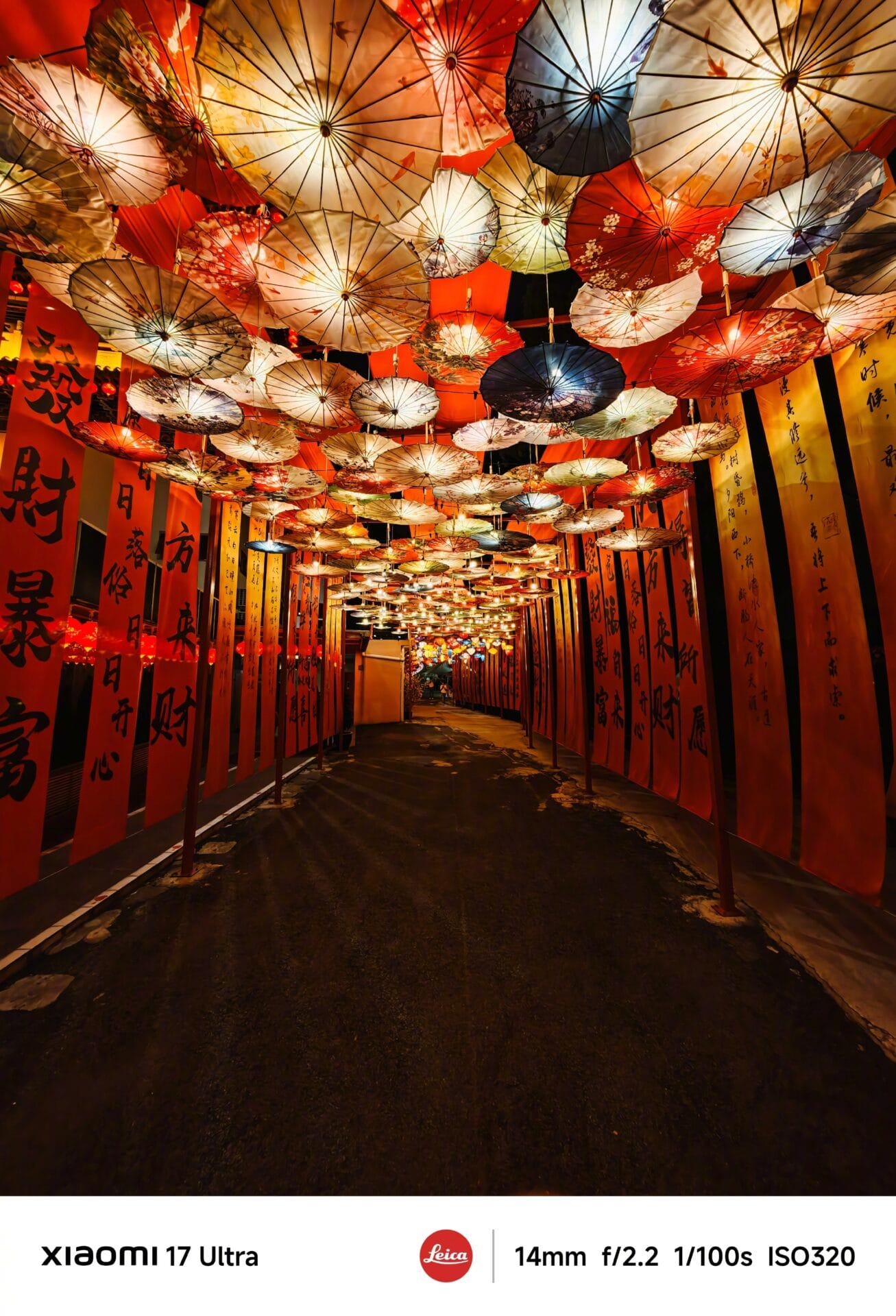
Leica Color Science: In photos of glowing red lanterns, the camera preserved the deep, true blacks of the night sky, creating a dramatic contrast that made the rich red hues pop with authentic Leica color science.

Chasing the Sun: Golden Hour and HDR
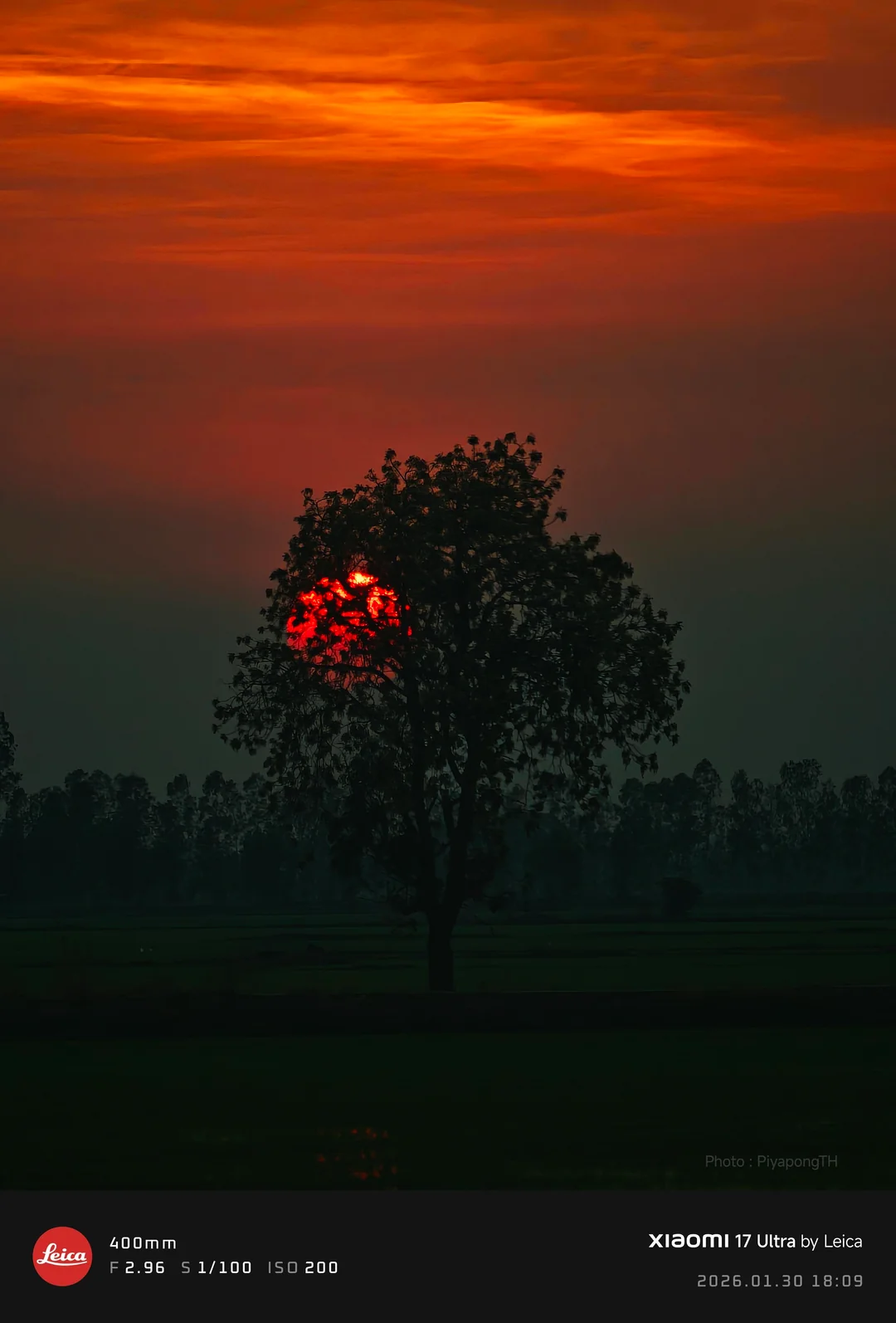
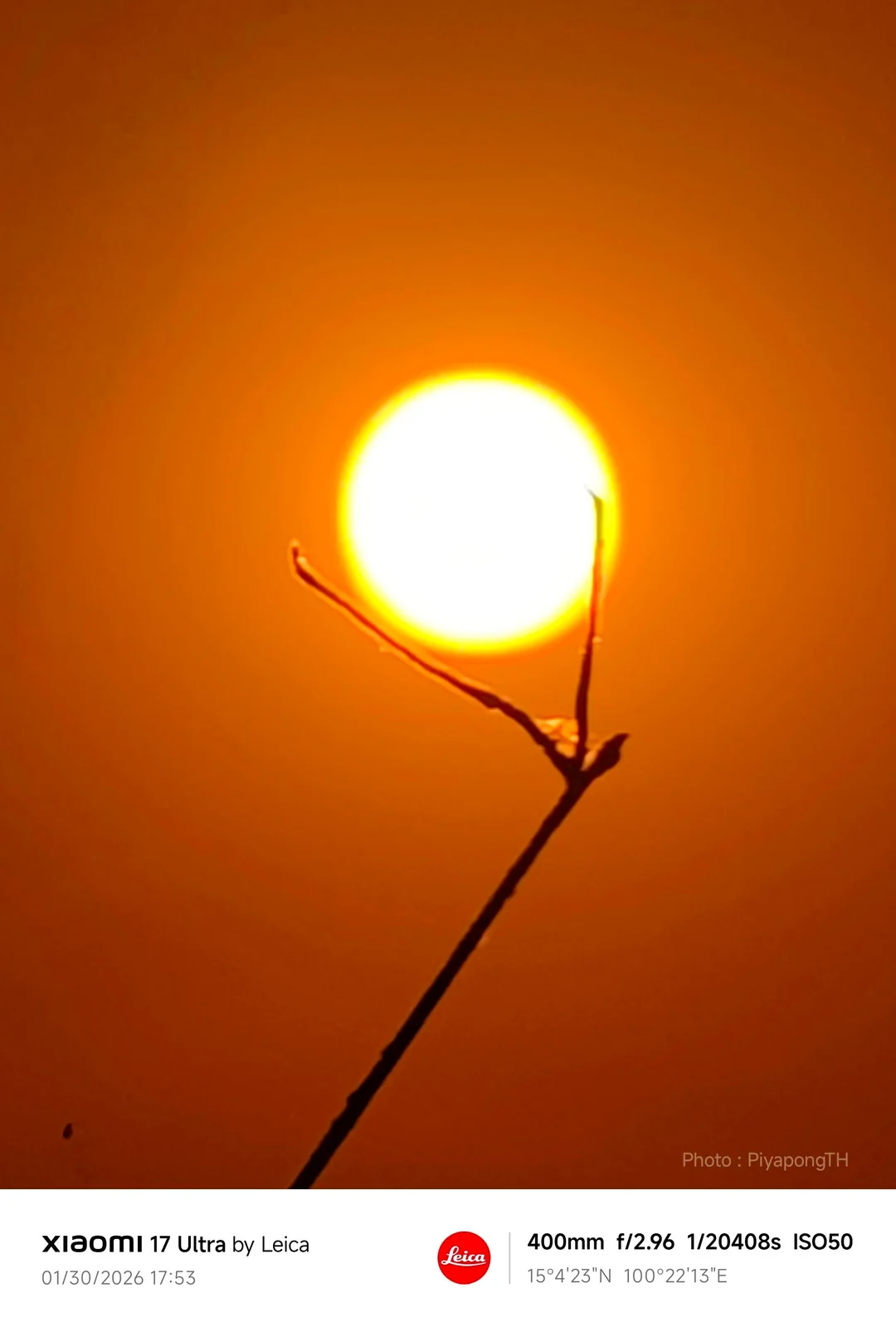
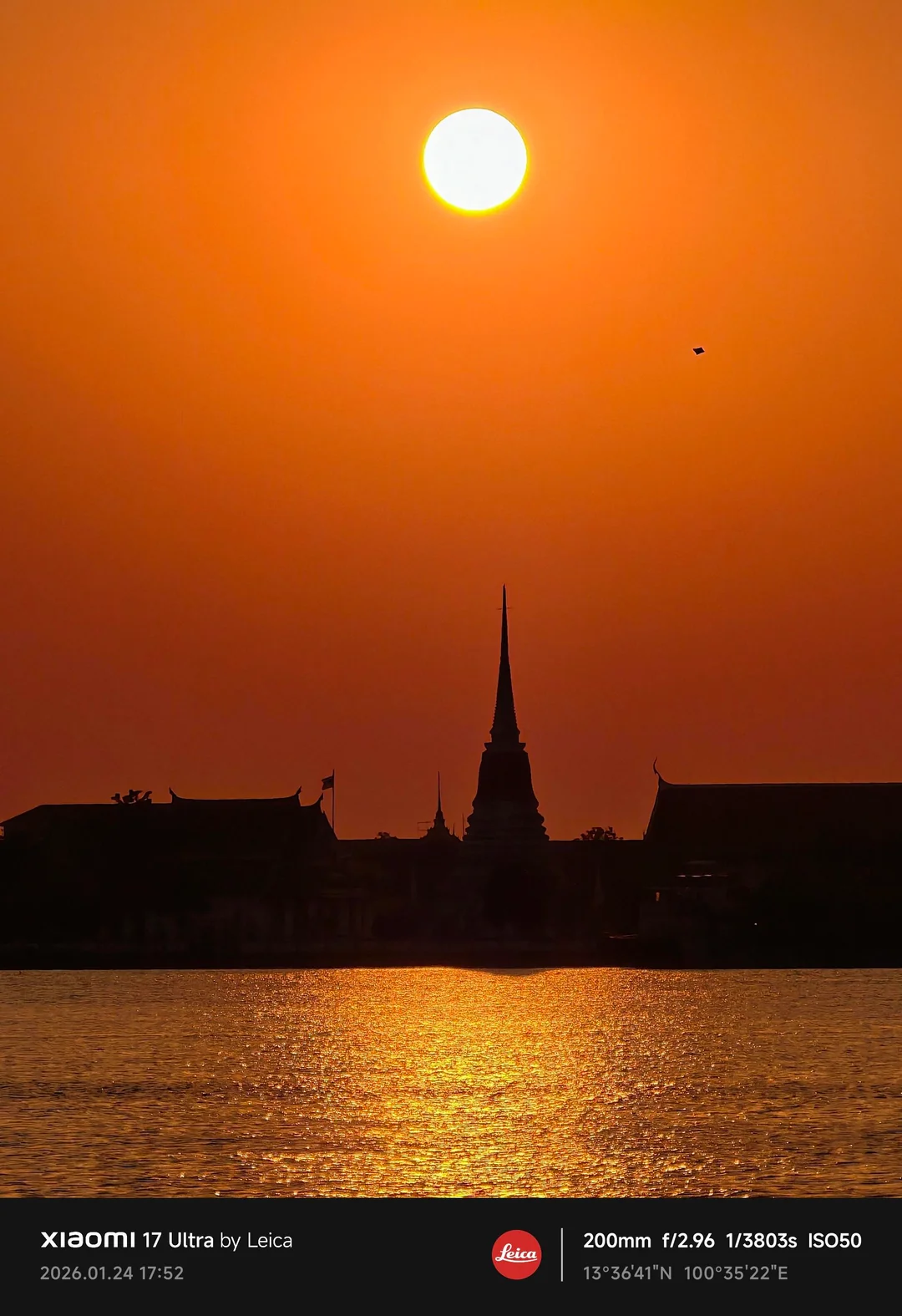
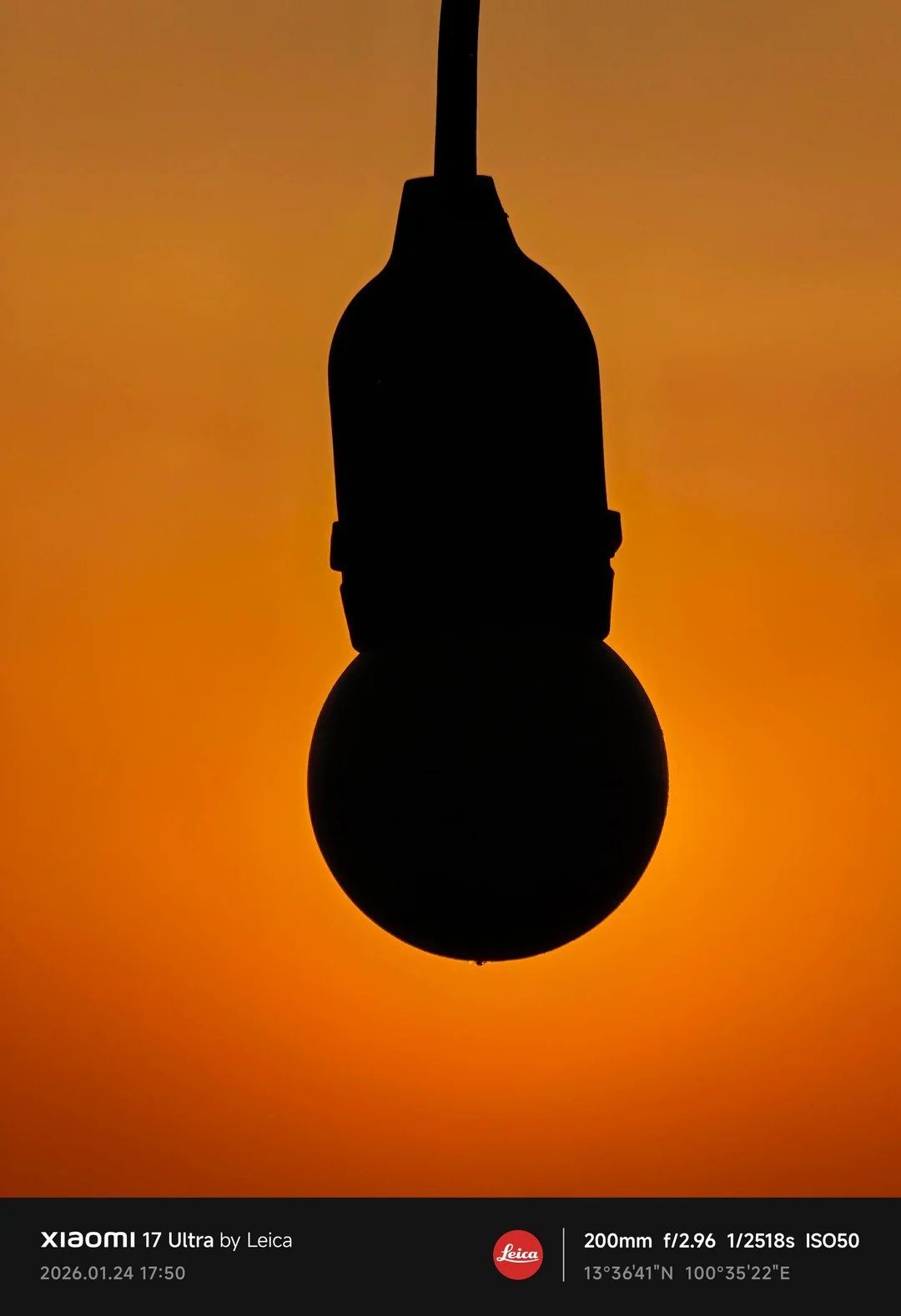
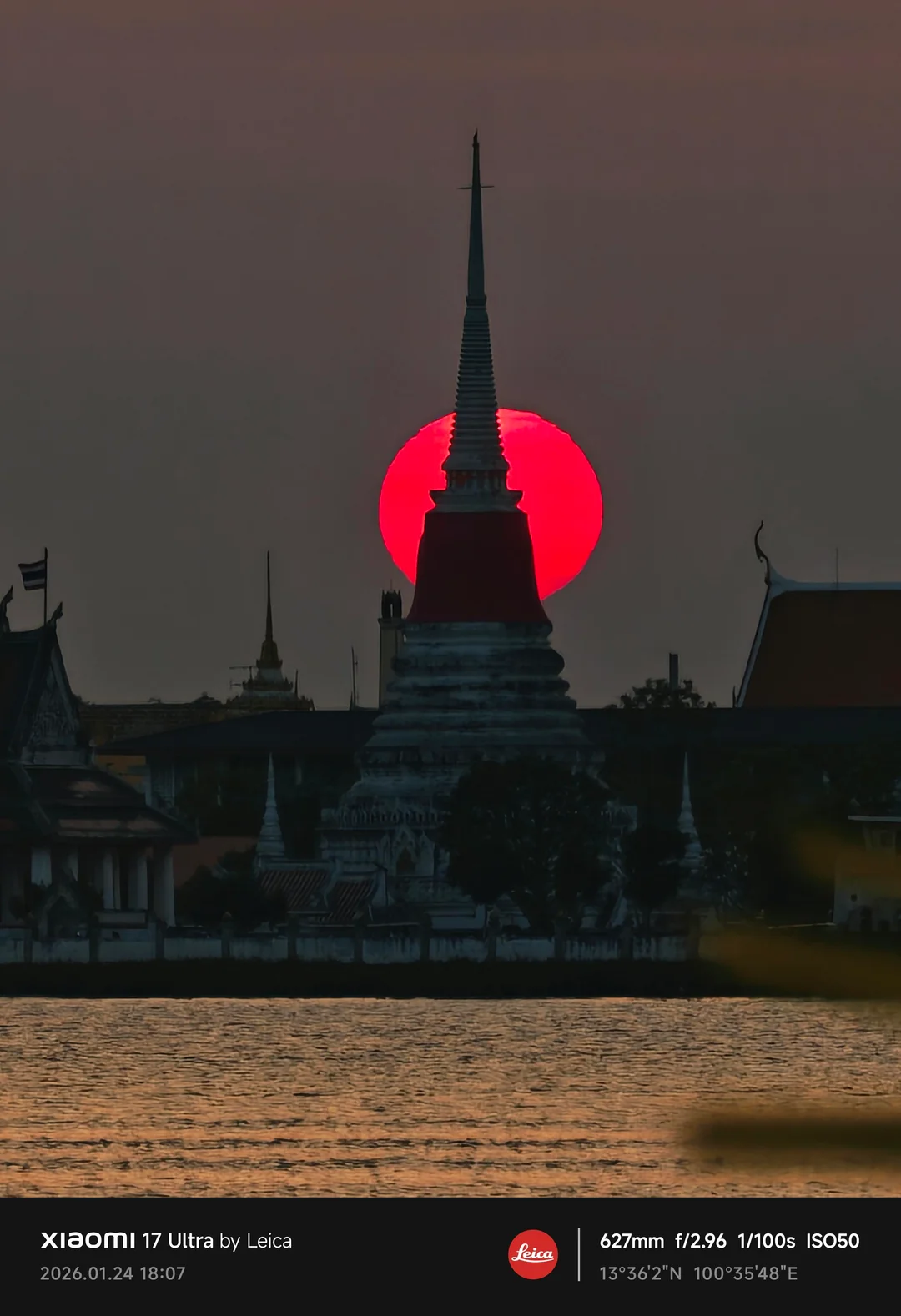
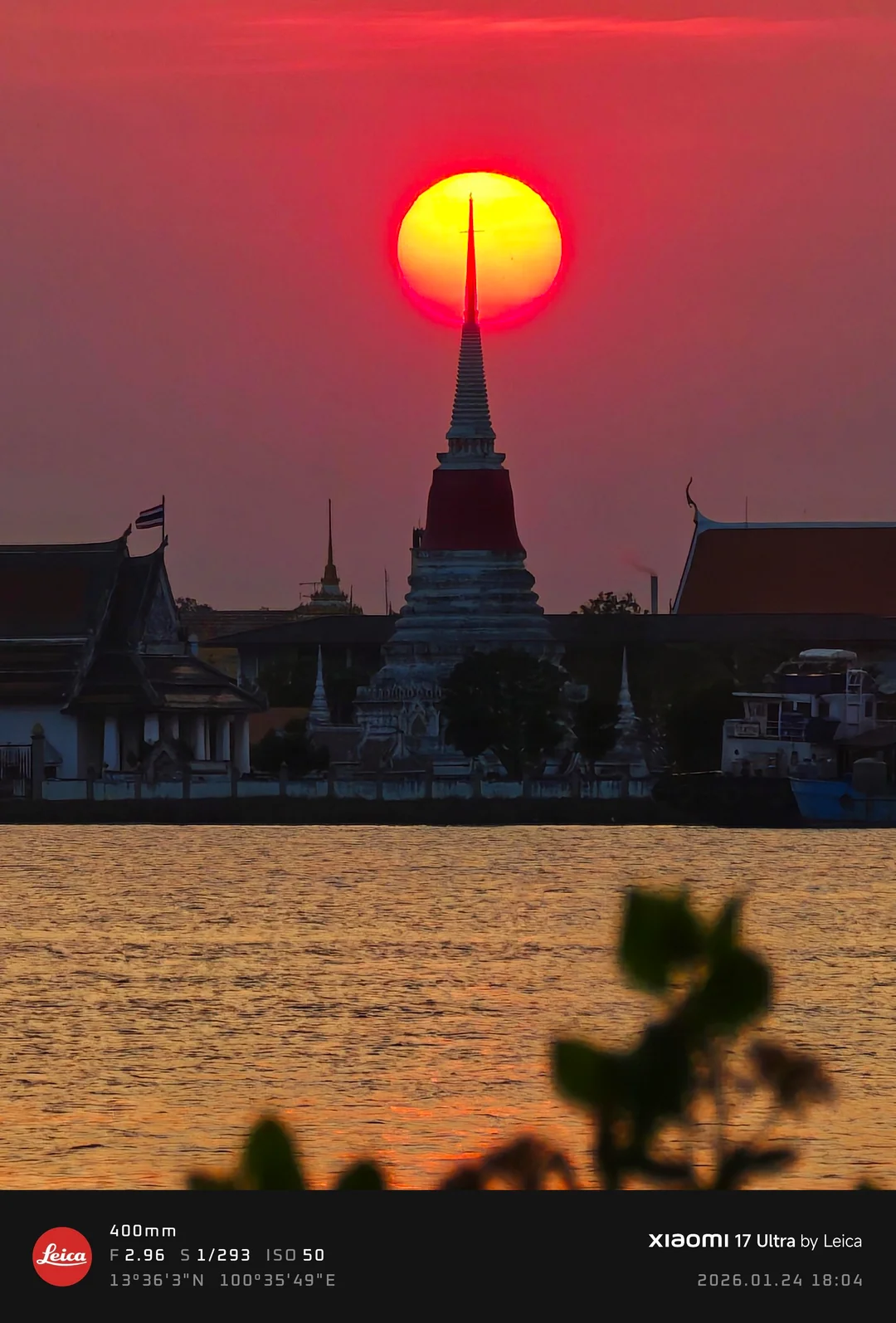
Shooting directly into the sun is the ultimate test for dynamic range and lens coatings. The Xiaomi 17 Ultra passes with flying colors.
-
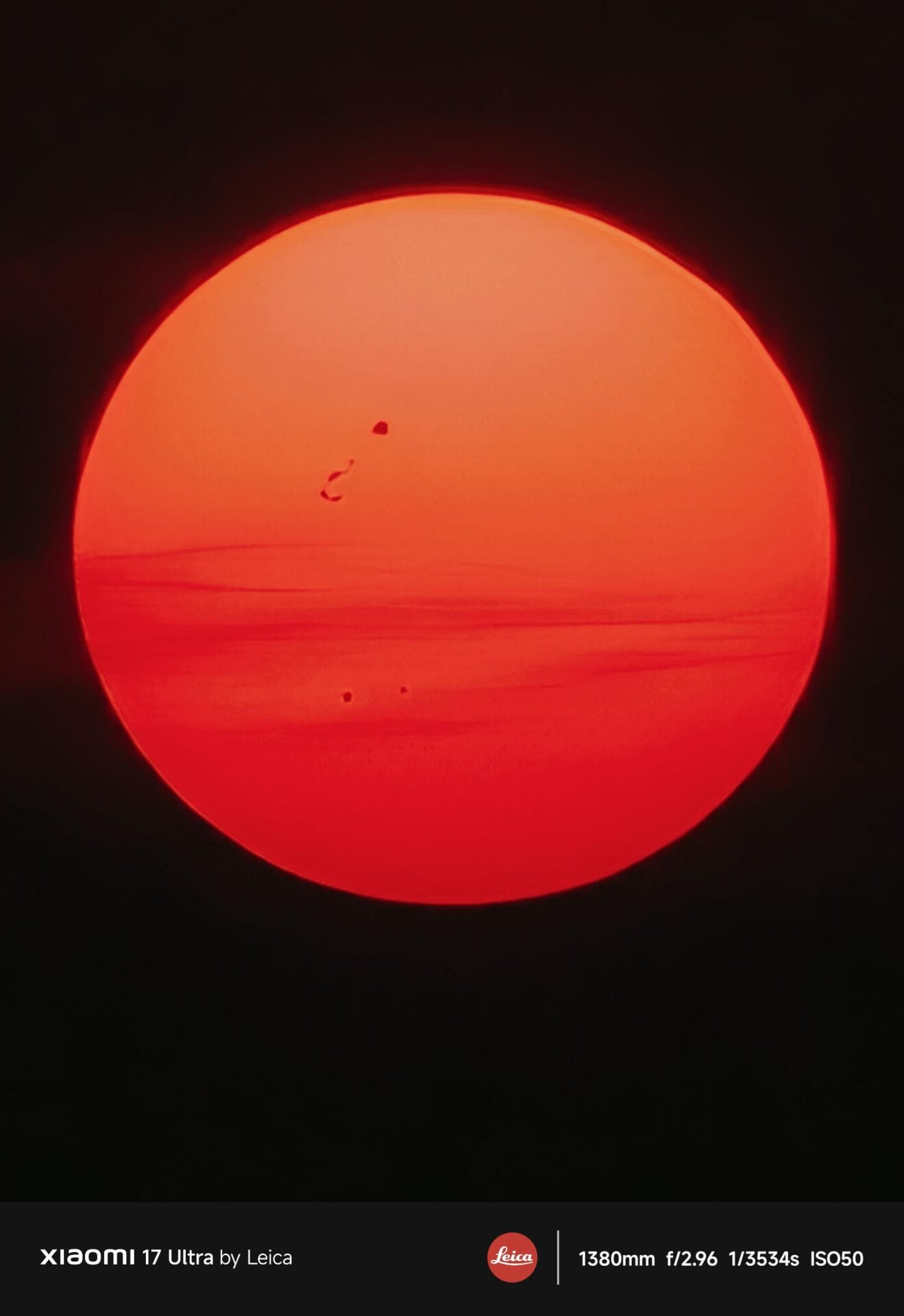
Extreme Shutter Speeds: The device can reach mind-boggling electronic shutter speeds, such as 1/20,408s. This allows it to capture the sun as a perfect, distinct sphere rather than a blown-out white mess, even when shooting directly into the light.
-
Flawless Silhouettes: Whether capturing birds in mid-flight at 1/1657s or tree branches against a fiery sky, the subjects are rendered as razor-sharp silhouettes. Crucially, there is zero chromatic aberration (purple/green fringing) around the edges of the silhouettes, highlighting the premium quality of the lens glass.




The Telemacro Beast: 75-100mm Periscope Zoom
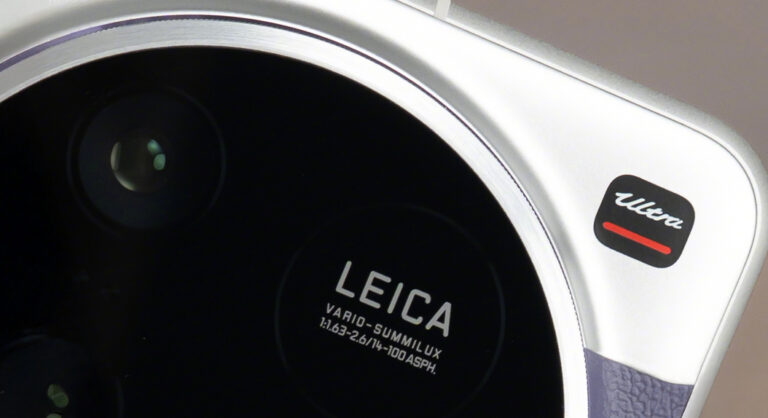
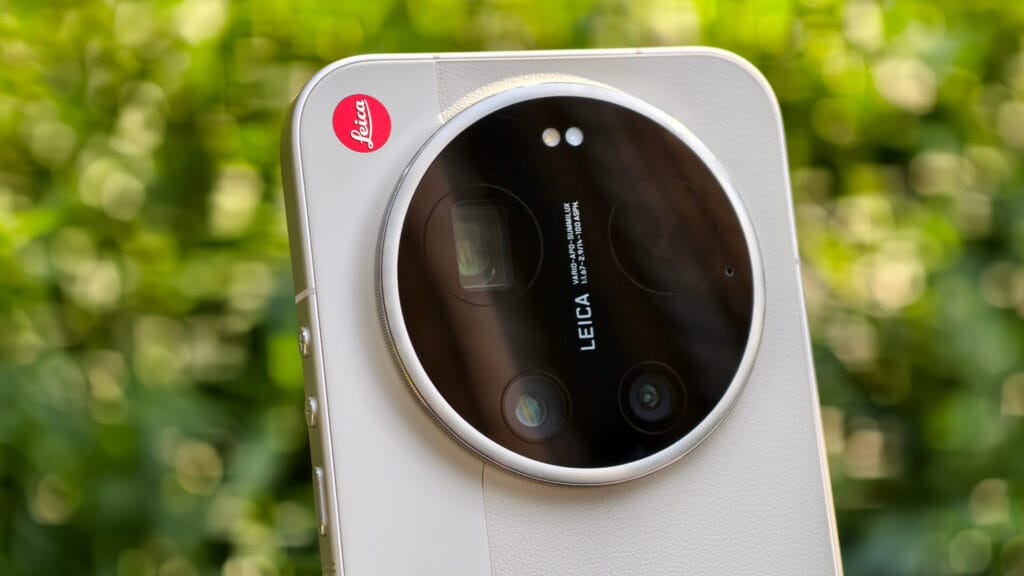
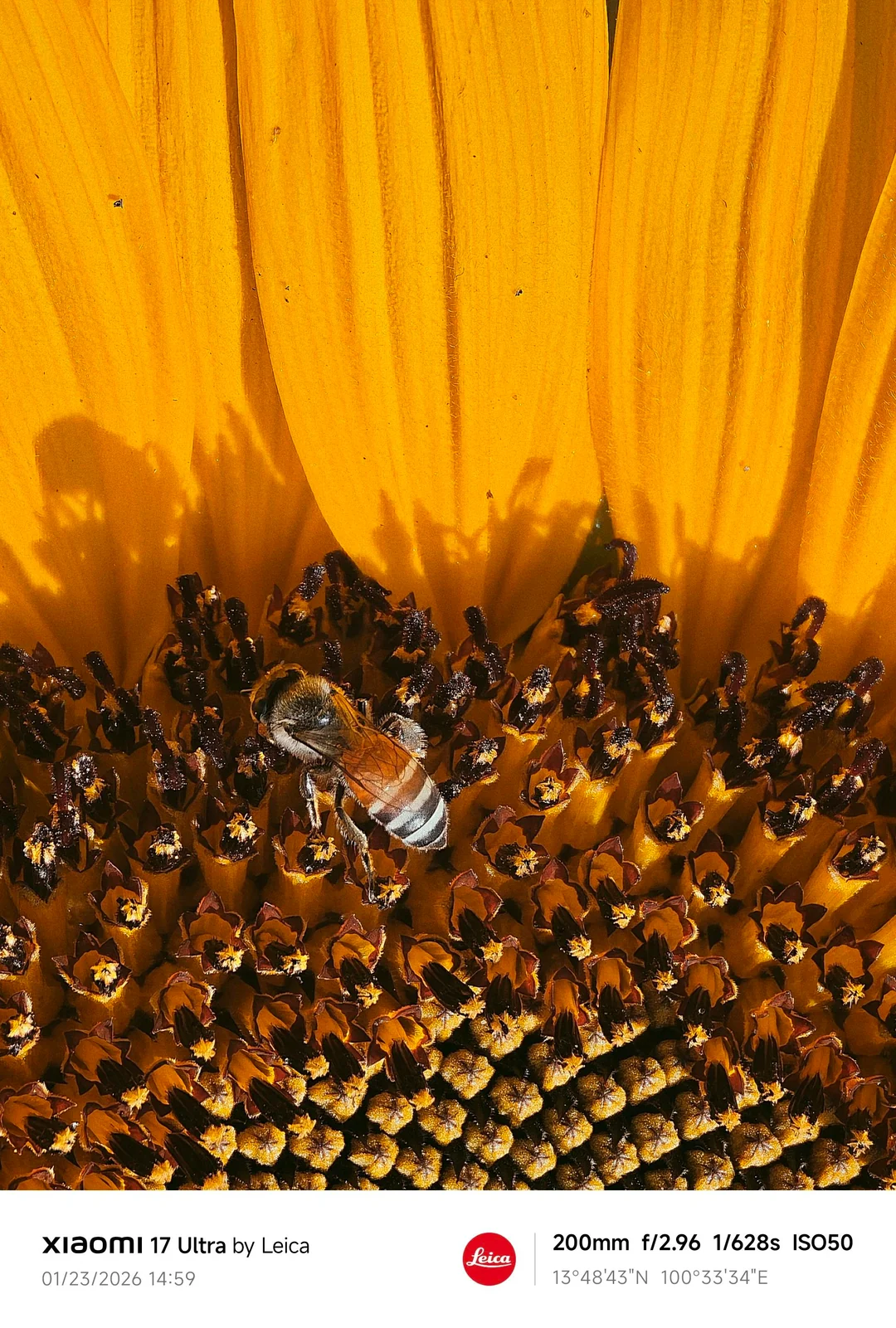
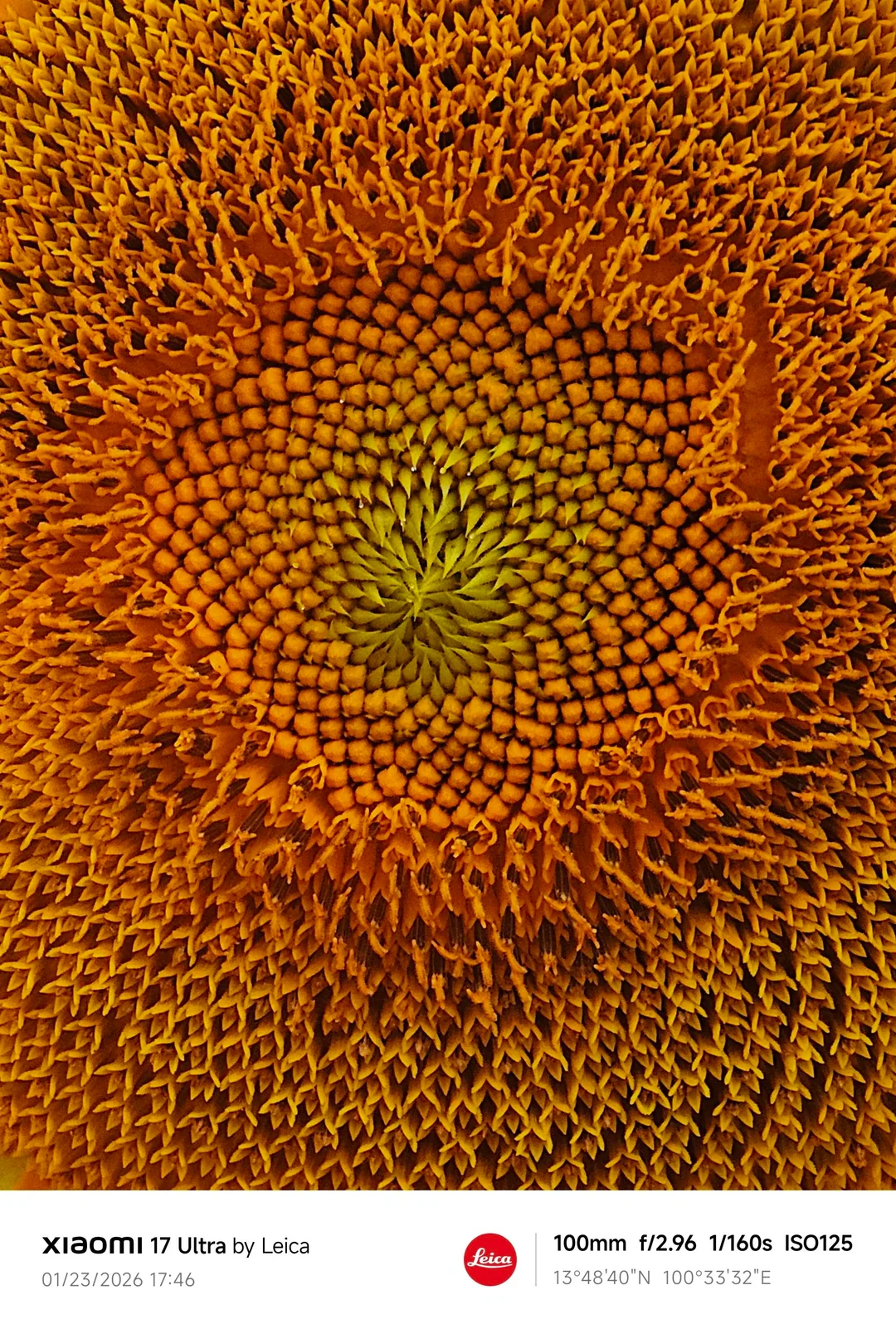
The 200-megapixel telephoto camera features a 75-100mm equivalent periscoping zoom lens with a large Type 1/1.4 sensor. This is the first Xiaomi flagship to earn Leica’s APO (Apochromatic) certification, and it shows.
-
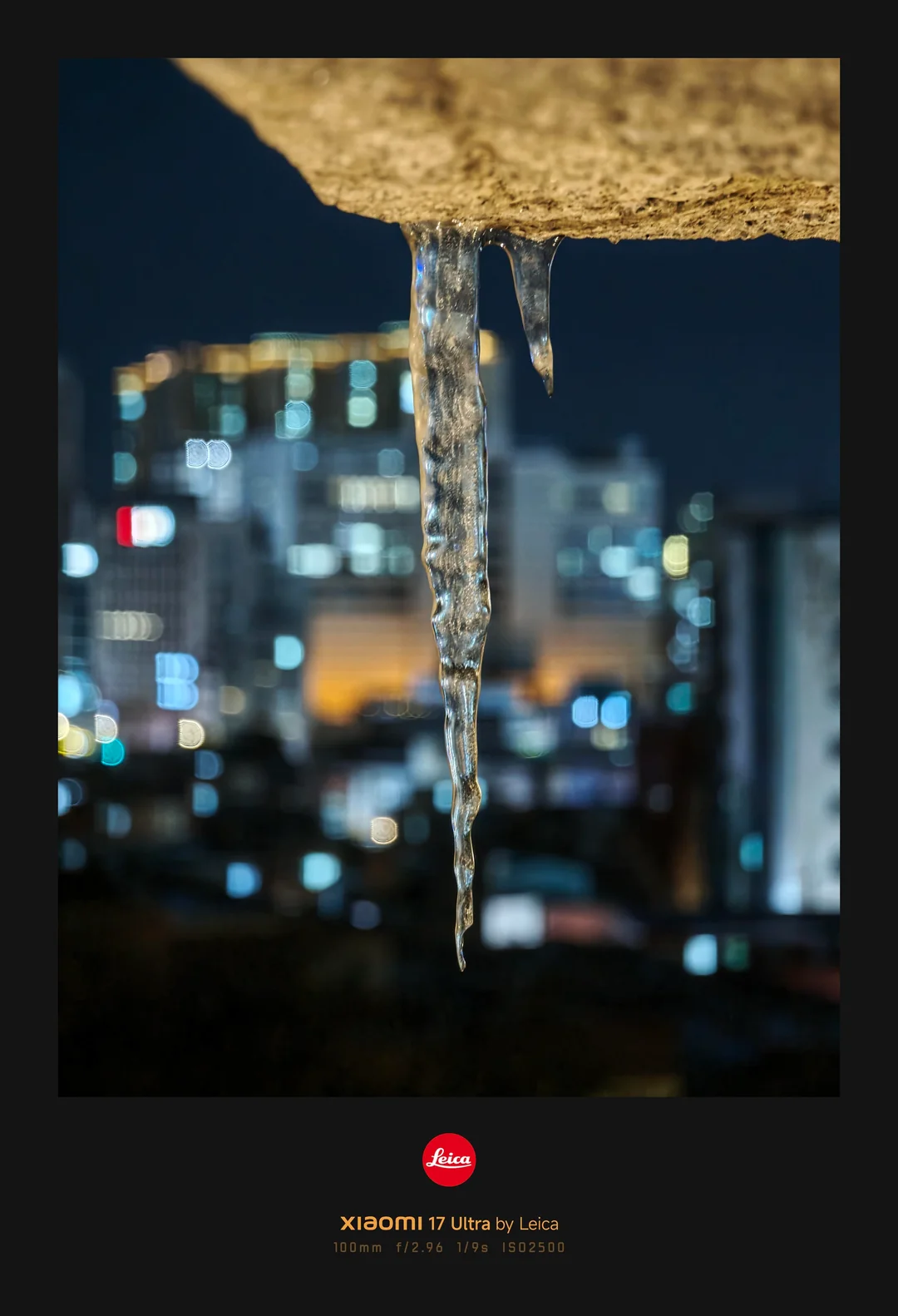
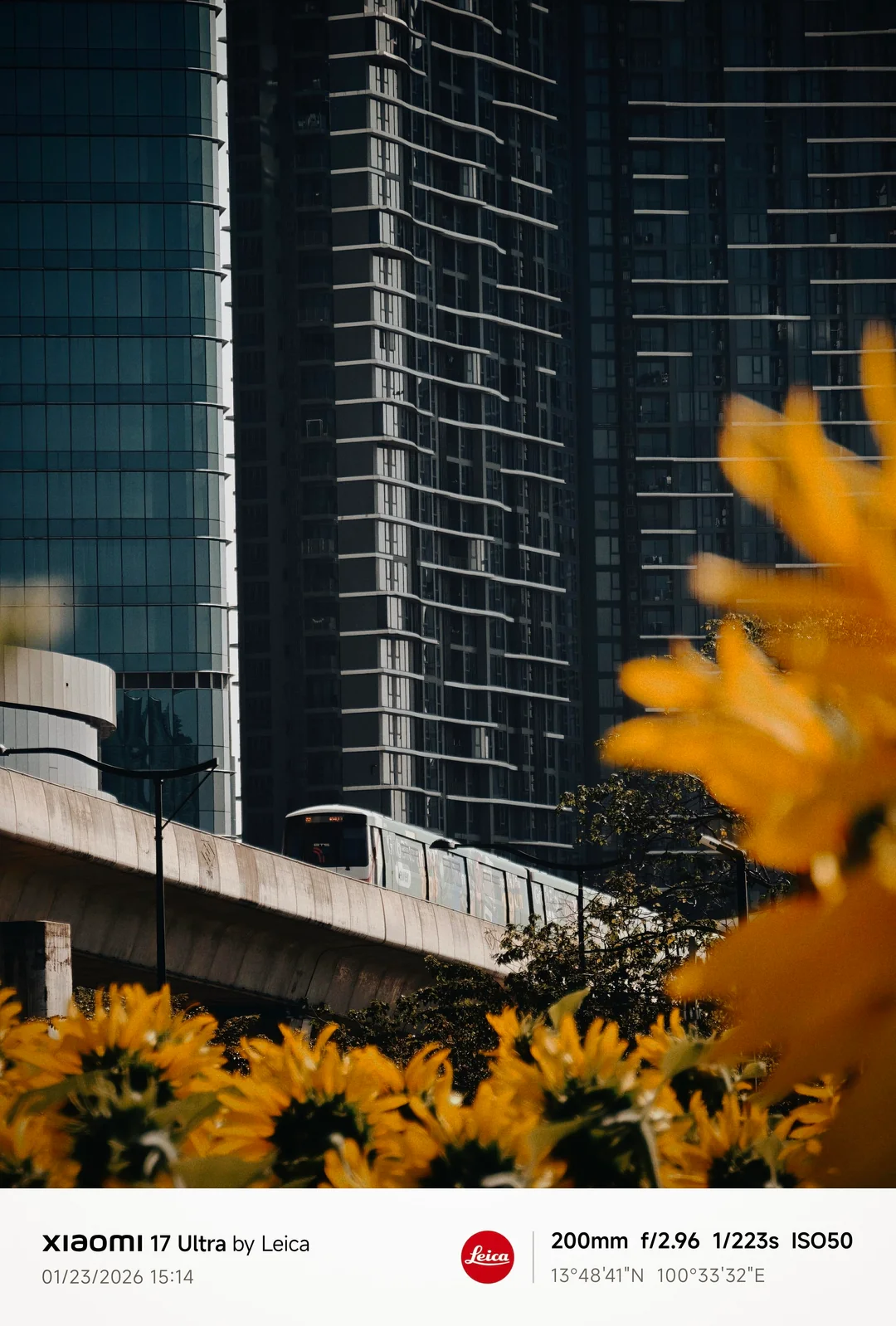
Working Distance: The 100mm and 200mm focal lengths act as incredible macro lenses. You can capture microscopic details—like a squirrel’s whiskers or the geometric patterns of a sunflower—without physically hovering over the subject and blocking the light.
-
Optical Bokeh: With an f/2.96 aperture combined with the large sensor, the background blur is creamy, natural, and optically genuine. It completely bypasses the artificial, jagged edge-detection errors often seen in software-based portrait modes.







Architectural Monochrome and Leica Filters
For architecture and street photography, shedding color allows texture and geometry to take center stage.
-
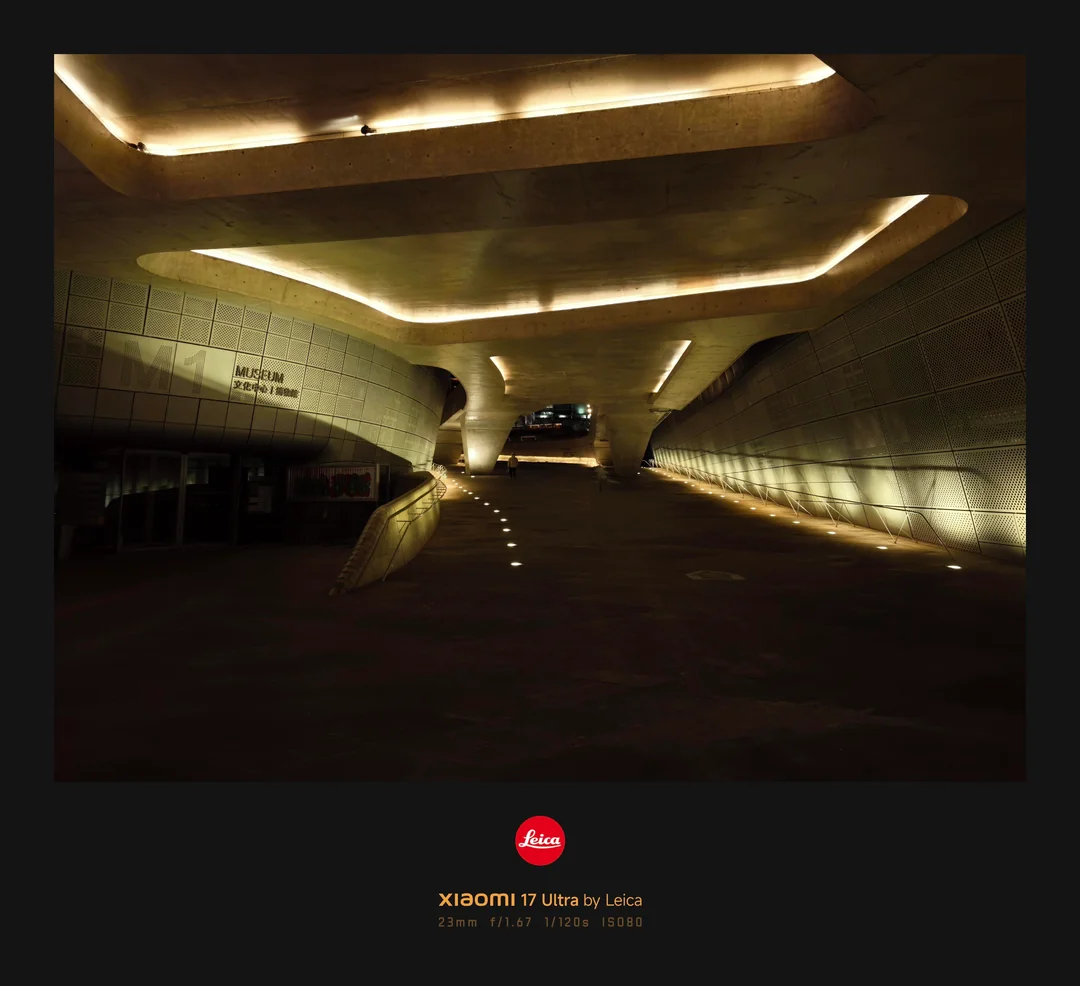
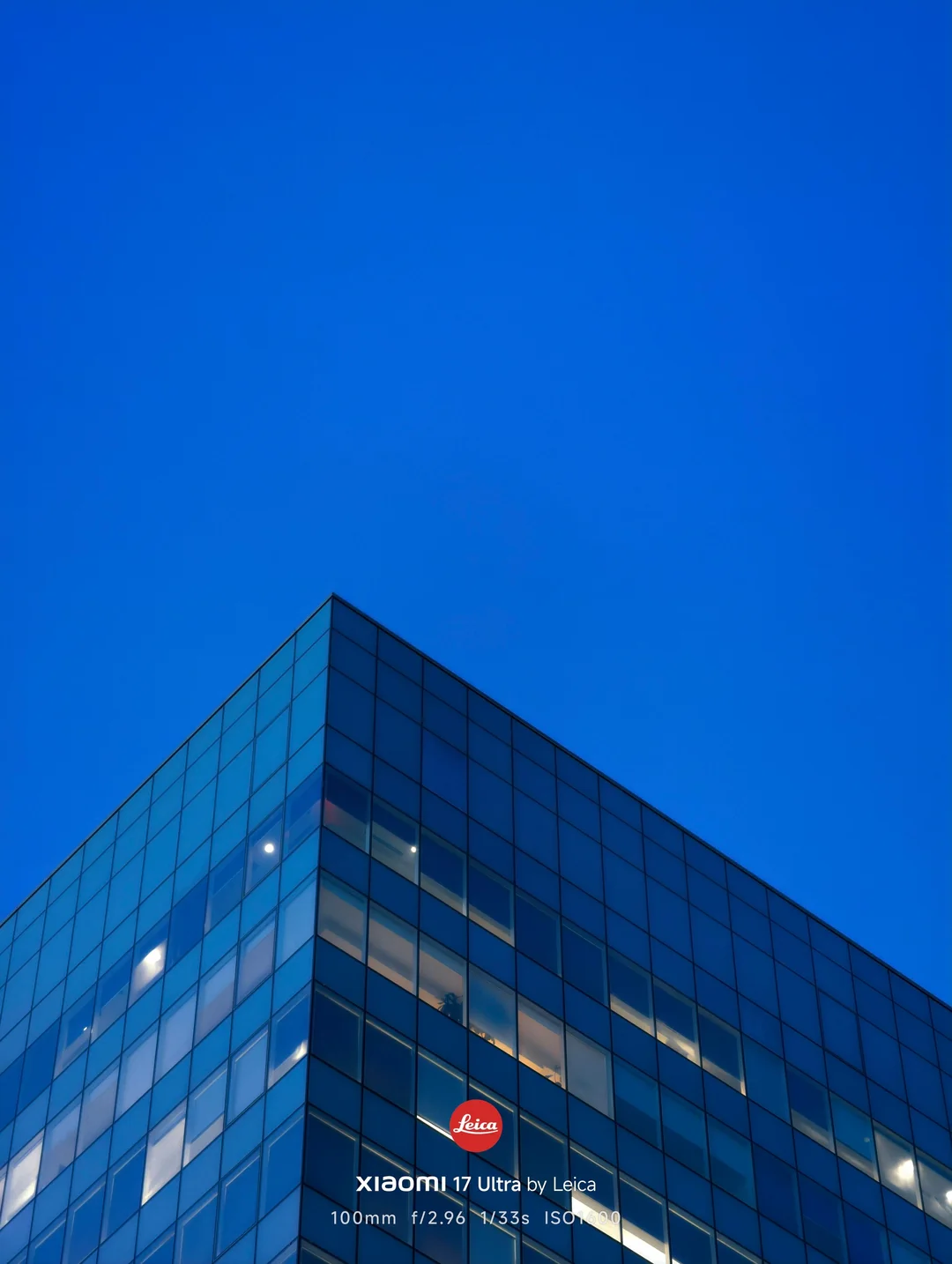
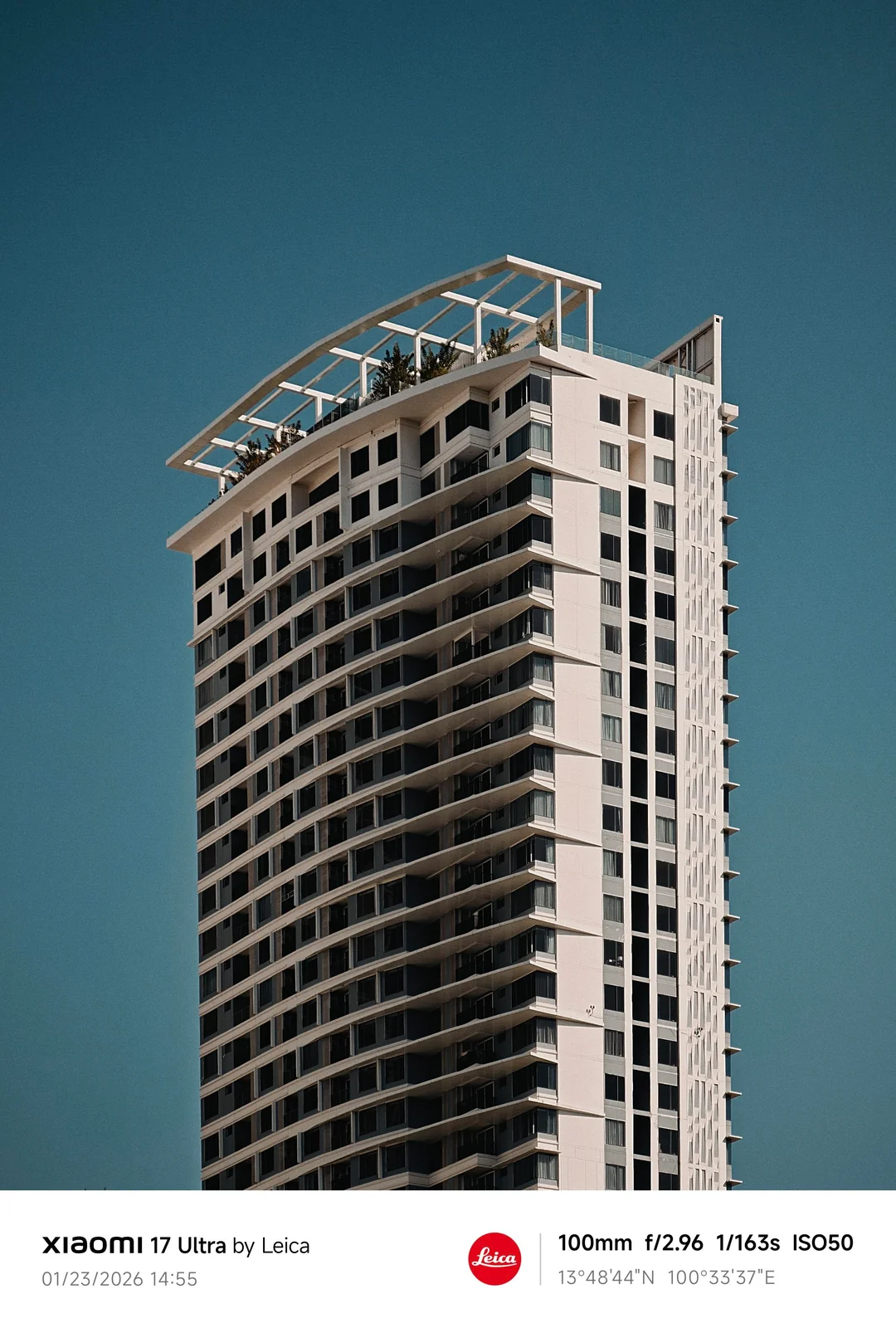
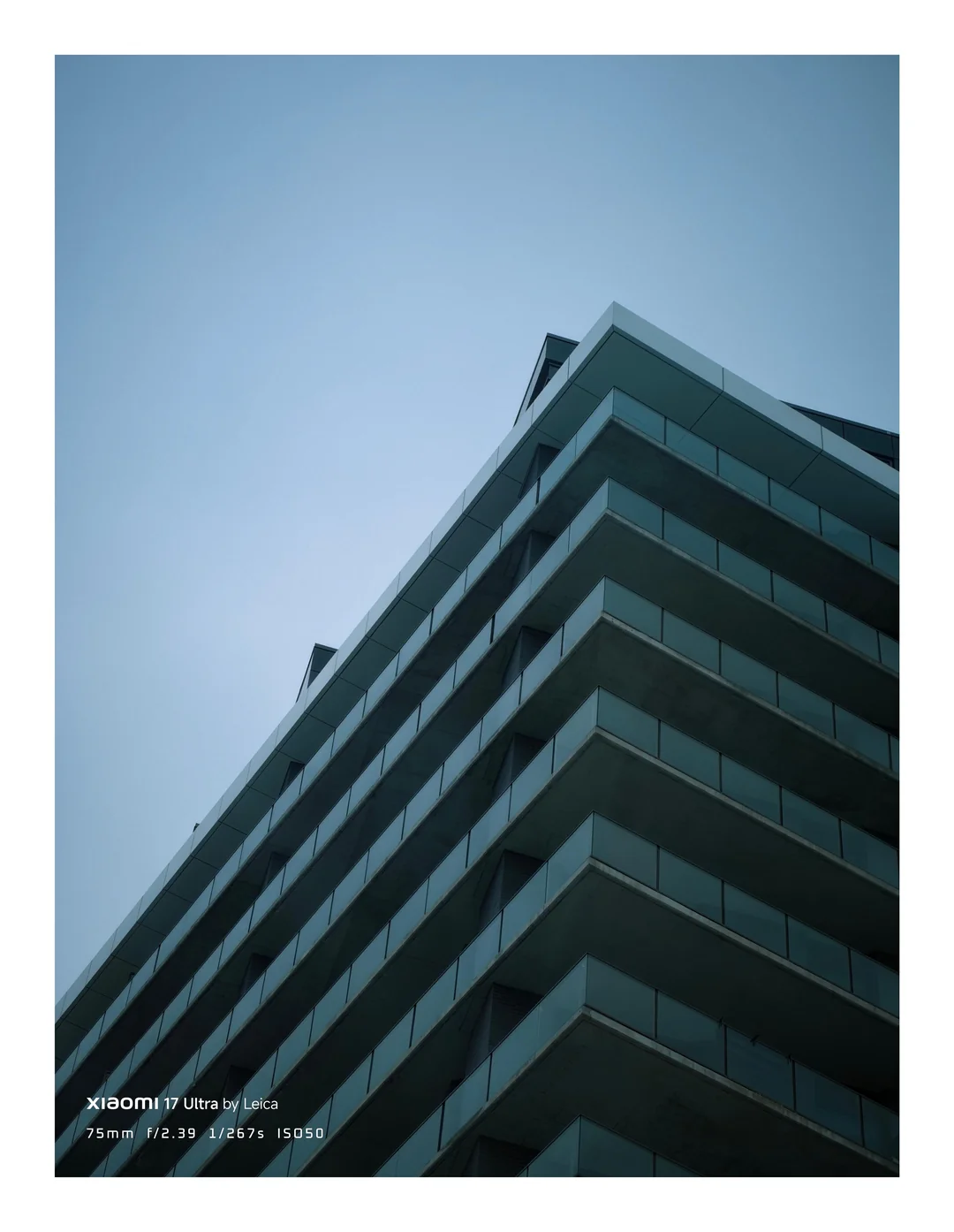
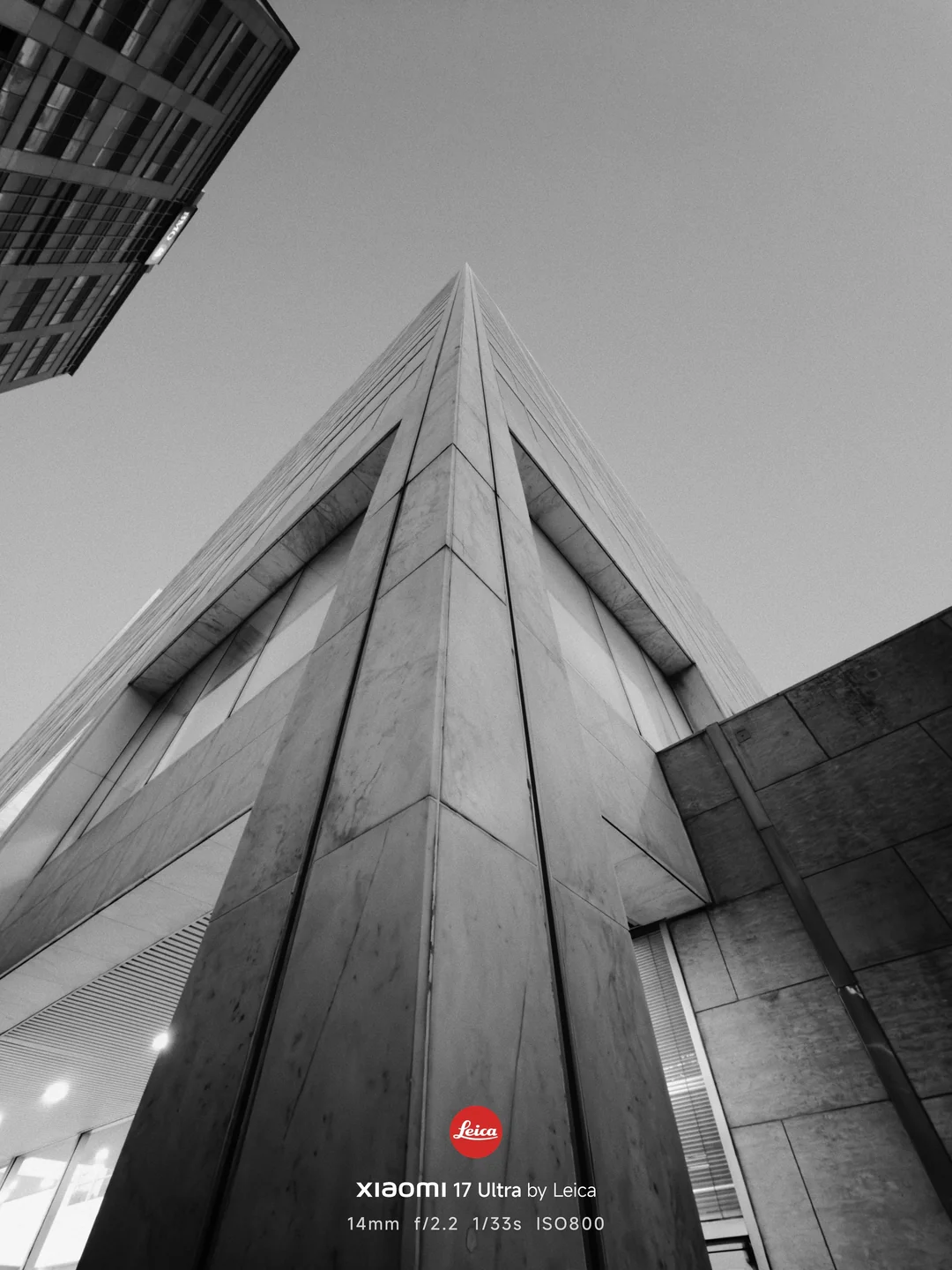
14mm Ultra-Wide Geometry: The 50MP ultra-wide camera (Type 1/2.76) with Leica UltraPure optics delivers a 115° field of view. When shooting skyscrapers, it maintains remarkably straight lines with minimal edge distortion.
-
Leica Signature Filters: Xiaomi provides purpose-built filters that genuinely alter the mood. The Sunset Glow (-25 contrast, +7 sharpness) is perfect for pulling details out of landscapes, while Ink & Brush (-6 sharpness) softens textures beautifully. The Black & White filters utilize the full dynamic range of the sensor to highlight the gritty textures of brick and the sleek reflections of glass facades perfectly.




Expanding the Horizon: The 14mm Ultra-Wide Experience
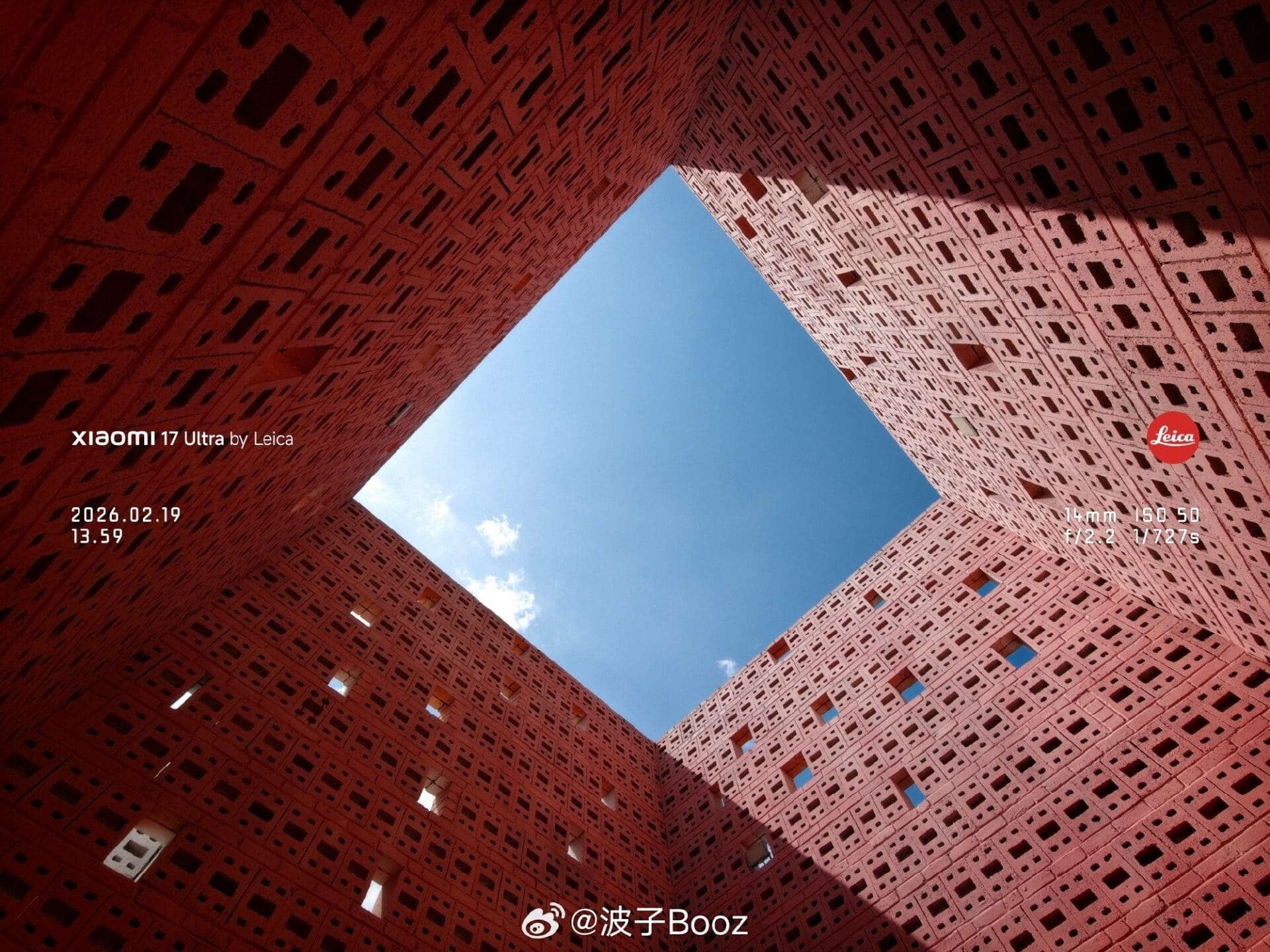
While the main and telephoto lenses often steal the spotlight, the true scale of a scene is captured by the ultra-wide camera. The Xiaomi 17 Ultra is equipped with a 50-megapixel ultra-wide shooter featuring a Type 1/2.76 image sensor and a 14mm equivalent lens, delivering a massive 115° field of view. But specs only tell half the story; real-world performance reveals both its strengths and its limitations.
-
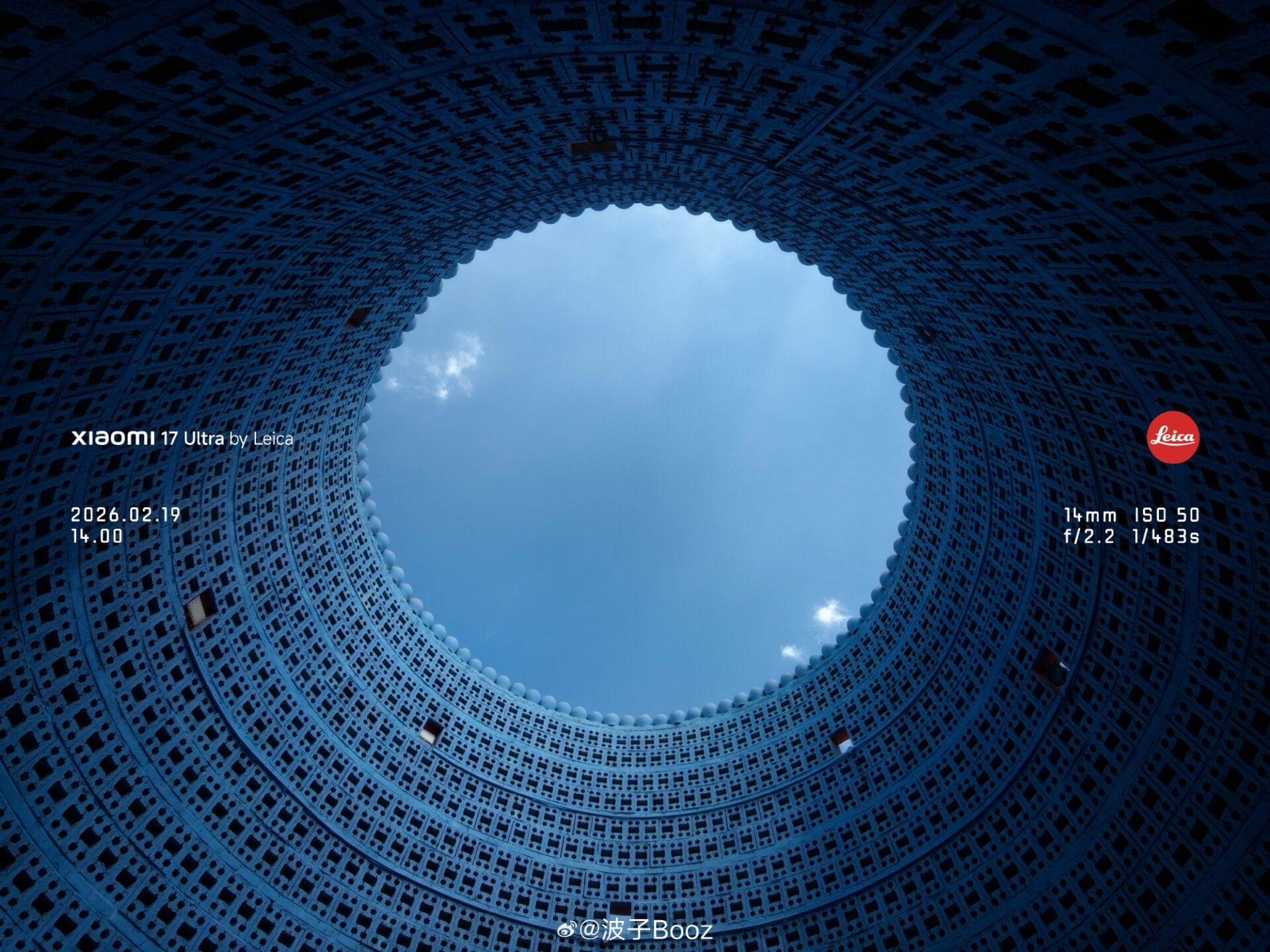
Flawless Geometry with Leica UltraPure Optics: Shooting architecture at 14mm typically introduces noticeable barrel distortion. However, looking at the structural shots—particularly the symmetrical blue circular ceiling and the sharp red brick square—the distortion is practically non-existent. The Leica UltraPure optics ensure that lines remain geometrically perfect and razor-sharp from corner to corner.
-
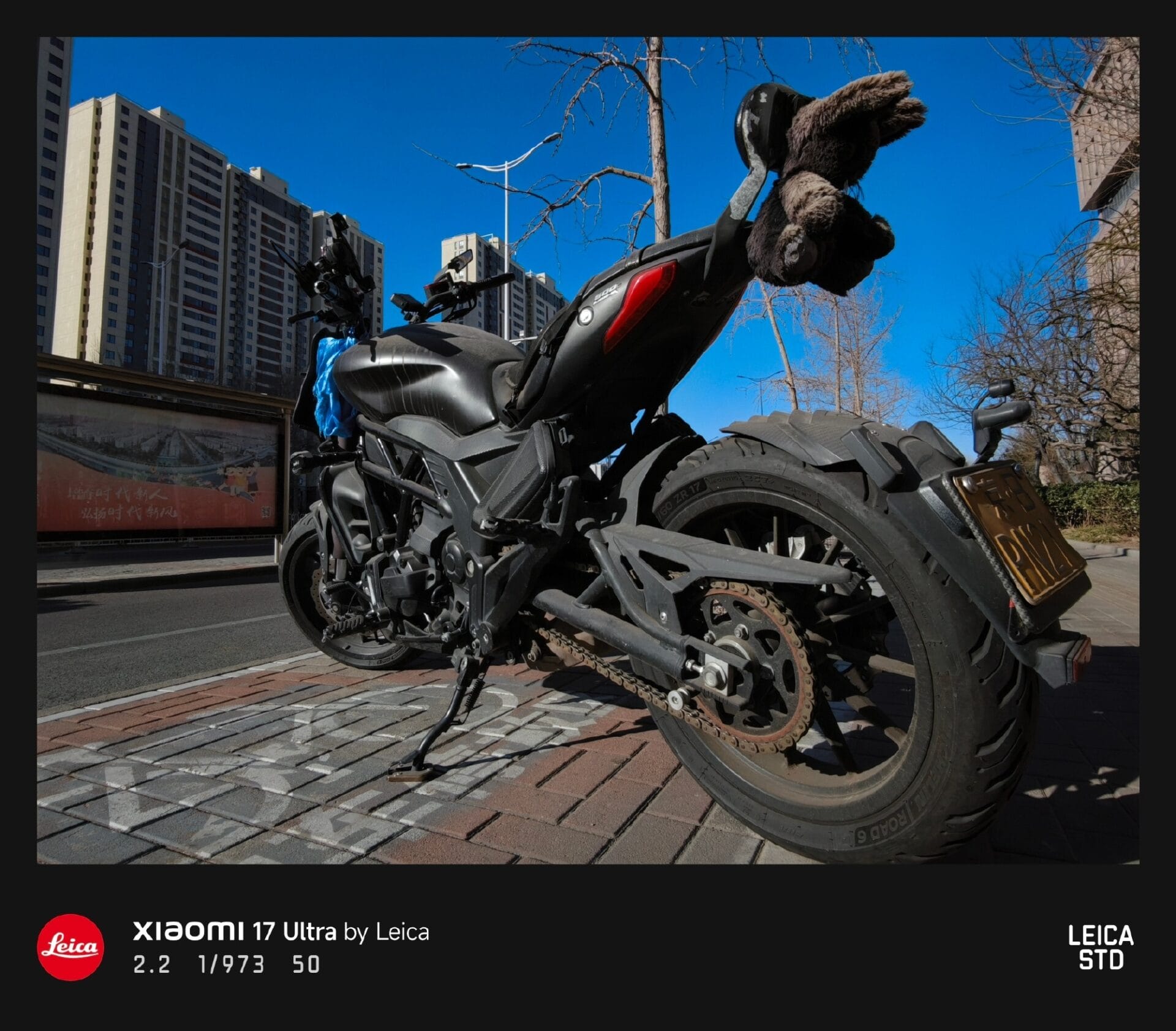
Dramatic Perspectives: Ultra-wide lenses are incredible tools for creative framing. The close-up shot of the parked motorcycle utilizes the 14mm focal length to stretch the perspective, making the subject look aggressive and dominant against the city backdrop.
-
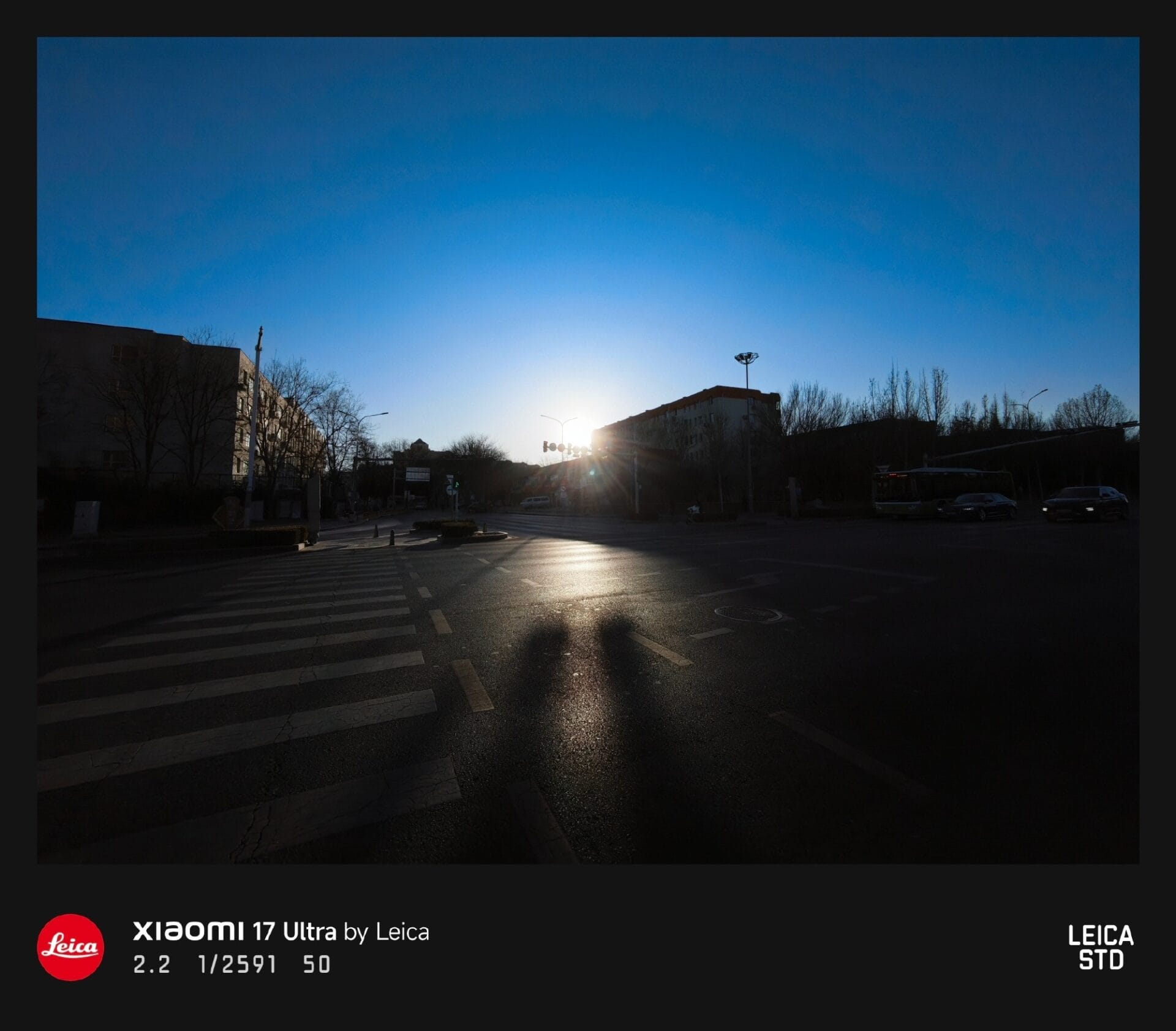
The Achilles’ Heel: Backlight and HDR Limitations: While the ultra-wide excels in geometry, it significantly falls short when dealing with harsh backlight. When shooting directly into the sun (such as the morning street intersection shot), the sensor reveals its limitations. Unlike the phenomenal main and telephoto cameras that handle dynamic range effortlessly, the ultra-wide struggles to balance blown-out skies and crushed shadows. In these extreme backlit scenarios, the dynamic range feels quite ordinary, and the 14mm lens performs more like a standard, average smartphone camera rather than the flagship powerhouse we see in the rest of the camera array.
Pros and Cons
| PROS (The Good) | CONS (The Bad) |
| Physical Variable Aperture: The mechanical transition between $f/2.39$ and $f/3$ ensures peak optical performance and “efso” sharpness at every zoom stage. | Ultra-Wide Backlight Issues: The 14mm lens still can’t keep up with the main sensor’s HDR magic in harsh lighting, looking a bit “average.” |
| Grain-Free Telephoto: Even in low light, the 200MP periscope keeps noise at bay, preserving textures that other flagships turn into “oil paintings.” | Top-Heavy Design: Packing these massive, variable-moving optics makes the camera module quite heavy. |
| LOFIC Sensor Power: Highlight protection that is miles ahead of the competition. |
Image Credits & Real-World Testing Note
The photographic samples analyzed in this review were sourced from early adopters and photography enthusiasts across the Reddit community. Using these user-generated images allows us to evaluate the Xiaomi 17 Ultra’s camera performance in genuine, real-world scenarios rather than relying solely on controlled, promotional materials from the brand. We extend our thanks to the original creators in the community for sharing their unedited experiences.
The Verdict
The Xiaomi 17 Ultra is not just a smartphone with a good camera; it is a serious photographic tool. The integration of LOFIC technology has fundamentally solved the dynamic range issues of the past, while the Leica APO-certified periscope lens brings professional-grade telephoto and macro capabilities to your pocket. For photography enthusiasts, this is a masterclass in mobile imaging hardware.