
 Emir Bardakçı
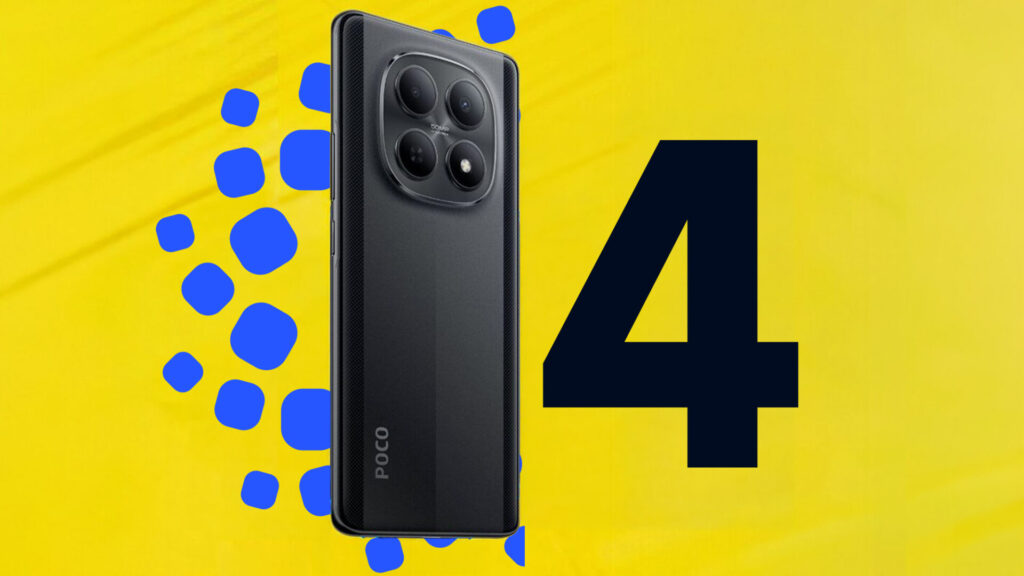
Recent developments in Xiaomi’s software ecosystem suggest that HyperOS 4 could be a major turning point for POCO devices. Evidence points to a massive strategic shift: the potential discontinuation of the exclusive POCO Launcher in favor of a unified HyperOS System Launcher (old MIUI Launcher), driven by the new SOTA (Super OTA) update mechanism.
Here is why HyperOS 4 could be a revolution for POCO users:
The SOTA Revolution: Updates Without Reboots
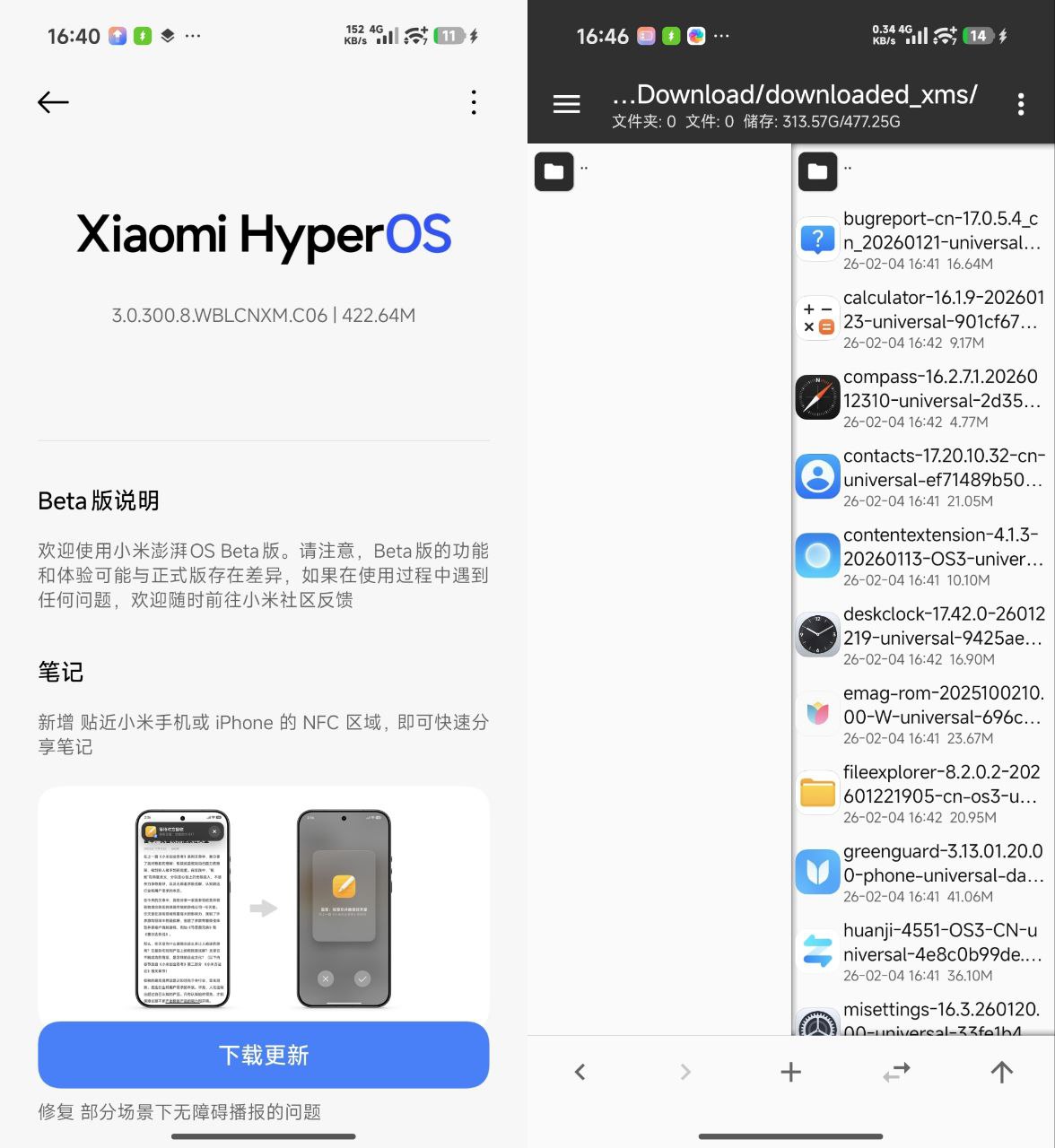
The groundwork laid in HyperOS 3.1 is expected to become the standard in HyperOS 4 with the introduction of SOTA (Super-OTA) technology.
-
Decoupled System: The system architecture is no longer a single, monolithic block. The core system files and system applications are being separated.
-
Seamless Updates: Thanks to this modular architecture, critical parts of the system and the interface can be updated in the background without requiring a full device reboot. This ensures that the launcher and system apps are always running on the latest version with zero downtime.
Goodbye POCO Launcher: The “Unified Launcher” Strategy
For years, the distinct POCO Launcher has been a subject of debate. Now, it appears Xiaomi is preparing to unify its codebase, effectively replacing it with the standard HyperOS System Launcher.
The evidence for this convergence is strong:
- Shared Codebase: The underlying code for both launchers is already largely identical. To support the SOTA architecture effectively, maintaining two separate forks (POCO vs. HyperOS) creates unnecessary redundancy.
- Visual Identity: In recent internal builds, the POCO Launcher icon has been updated to match the HyperOS Launcher icon exactly. The distinction in “brand identity” is vanishing in favor of a unified look.
- The Tablet Precedent: The POCO Pad series already utilizes the same launcher found on Xiaomi Pads, proving that the hardware brands can share the same software foundation without issues.

What This Means for POCO Users
This transition is excellent news for the community:
-
Faster Feature Rollouts: Instead of waiting for features to be “ported” to the POCO Launcher, users will receive new animations, widgets, and features at the same time as the main Xiaomi (Mi) series.
-
Better Optimization: With developers focusing on a single, unified launcher codebase, bugs can be fixed faster, and performance optimization will be more consistent across all devices.
In summary, HyperOS 4 aims to treat all devices equally. By implementing a “One System, One Interface” vision, Xiaomi is likely ending the “second-class” software treatment of POCO devices, delivering a smoother, faster, and more unified experience.




just fix the battery optimization and it will be all good enough
this is all very cool. but, I would like information about the release date of Hos 3, for poco x6 pro 5g global…
Xiaomi does not update the POCO X6 Pro to version Hos 3 Global, let alone 4, what a joke 😂😂😂
Xiaomi does not update the POCO X6 Pro to version Hos 3 Global, let alone 4, what a joke 😂😂😂
Xiaomi does not update the POCO X6 Pro to version Hos 3 Global, let alone 4, what a joke 😂😂😂
Xiaomi does not update the POCO X6 Pro to version Hos 3 Global, let alone 4, what a joke 😂😂😂
Xiaomi does not update the POCO X6 Pro to version Hos 3 Global, let alone 4, what a joke 😂😂😂