 Emir Bardakçı
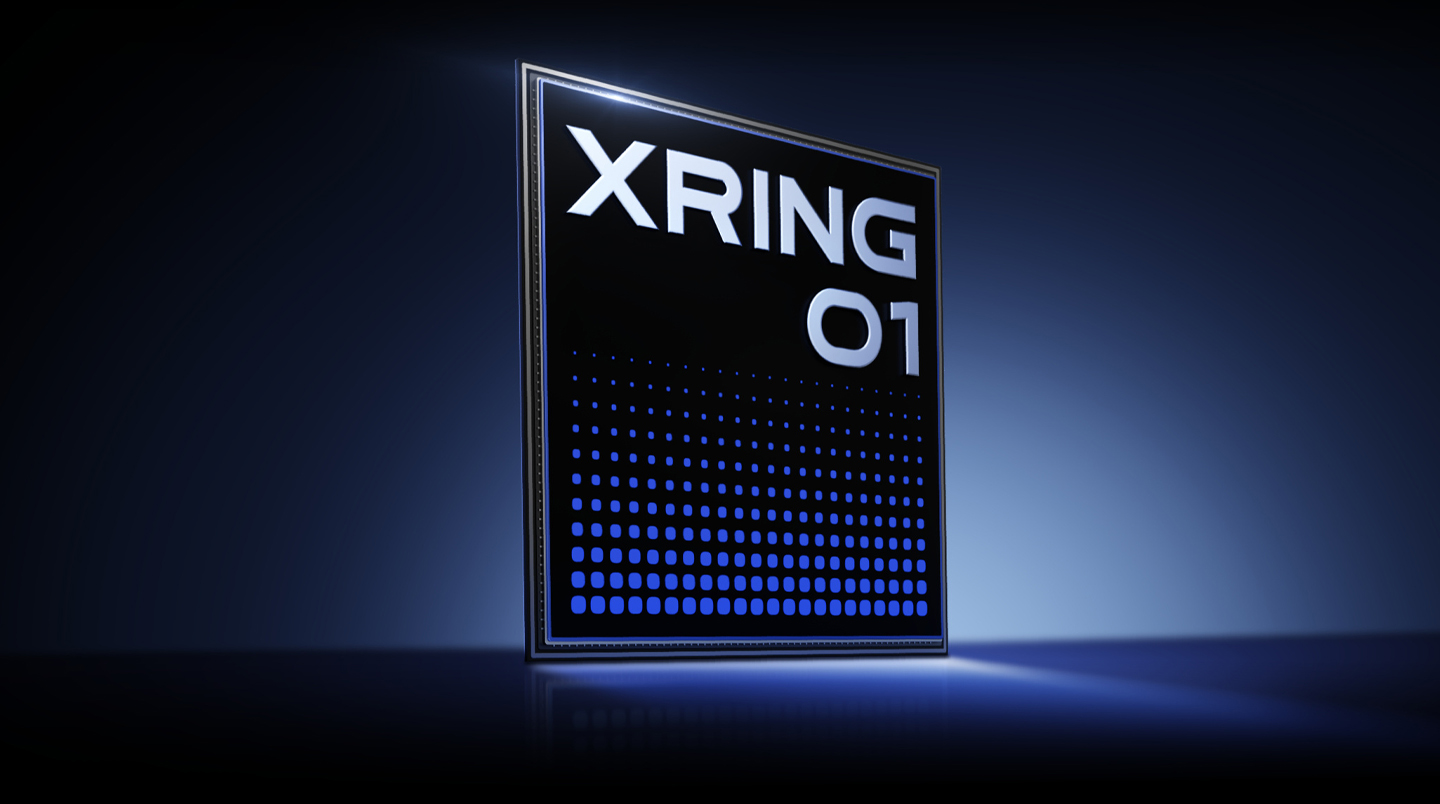
However, Xiaomi is no longer merely a smartphone company; instead, it is transforming into a giant in the ecosystem at a very rapid pace. After the tremendous success of the company’s first in-house mobile processor, there are reports that Xiaomi is gearing up for the next version of the processor in the form of XRING O2, which surprisingly targets products other than what’s in your pocket.
As per a new report by Cailian Press, Xiaomi’s second-generation self-developed chipset will probably retain the same 3nm process, rather than going for the cutting-edge 2nm process. The actual news isn’t just the process—it’s the application of this chipset. As per sources, the XRING O2 will be developed for tablets, PCs, as well as electric cars.
TL;DR
- Process Power: The upcoming XRING O2 is expected to utilize TSMC’s N3P (3nm) process, skipping the newer 2nm technology for now.
- Beyond Phones: Xiaomi plans to debut this chip in tablets first, followed by PCs and its expanding line of EVs.
- Ecosystem Focus: This move supports CEO Lei Jun’s vision of a “grand reunion” of hardware, software, and AI by 2026.
- Performance Legacy: The predecessor, XRING O1, reportedly outperformed the Apple A18 Pro in power efficiency.
Why Stick to 3nm?
What seems to be happening is that Xiaomi is focusing on stability rather than going for the lowest possible number on paper. According to the report, the XRING O2 is expected to employ TSMC’s N3P process, which is the third generation of their 3nm process technology.
Although TSMC’s 2nm process is in the pipeline, the N3P node provides a mature level of performance and power management. As far as a company developing a chipset for power-hungry devices such as cars and laptops, this cautious and mighty approach makes plenty of sense.
Is Xiaomi Building a Desktop-Class Competitor?
The most interesting thing about this leak is its planned use. According to sources, the XRING O2 will first appear in Xiaomi Pad tablets before being incorporated into computers and the company’s lineup of automobiles.
This is a huge change in their plans. With “non-smartphone” products in their sights, Xiaomi is likely positioning the XRING lineup as all-around beasts, much like Apple’s use of M-series processors in iPads and MacBooks. With Xiaomi able to optimize Xiaomi HyperOS to take advantage of this custom SoC in a laptop, we might finally see a real Windows on Arm contender in the market from Xiaomi.
A Look Back: The XRING O1 Foundation
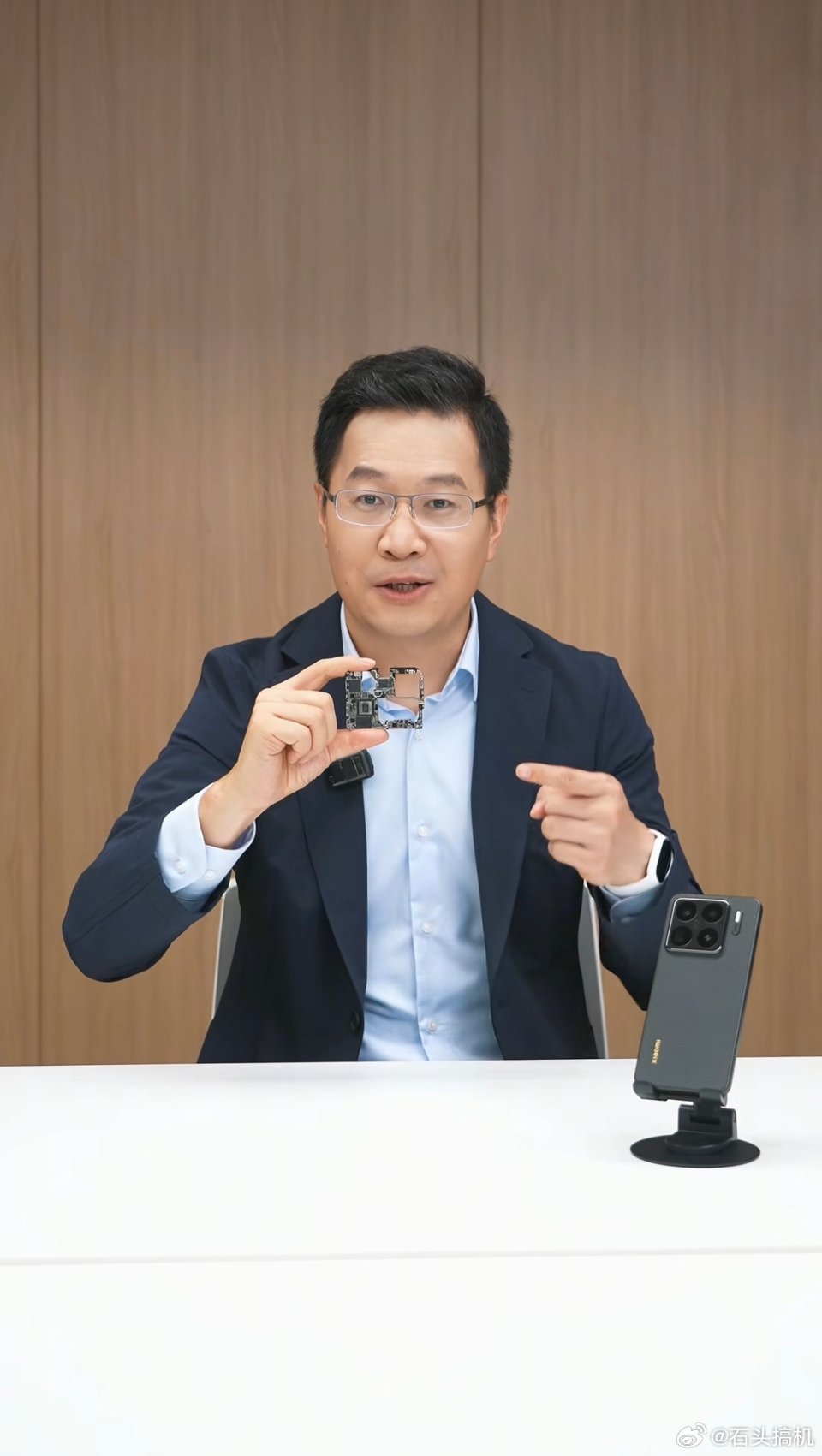
To appreciate the possibilities offered by the O2, one must consider its predecessor. Announced at the 15th Anniversary event in May 2025, the XRING O1 generated a lot of attention for its specifications that rivaled flagships.
This chip boasted an enormous 10-core architecture with dual super cores that could go up to 3.9 GHz. It also incorporated the Immortalis-G925 GPU that was claimed to outperform the Apple A18 Pro in terms of power consumption. With more than 19 billion transistors and an AnTuTu rating above 3 million, the stage for its fast successor is set.
The “Grand Reunion” of 2026
This hardware effort is not taking place in a vacuum. The CEO of Xiaomi, Lei Jun, has hinted at a big accomplishment for the year 2026, which he terms the “grand reunion.” The aim is to integrate three main pillars into one terminal: Self-developed chips, Xiaomi HyperOS, and Self-developed AI models. If the XRING O2 can power the cars and computers of the brand successfully, then it can be said that the company has attained vertical integration in the industry in a way that very few other companies in history can claim to have done. While we are sure of hearing more specific information as we enter 2026, it is certain that the company will no longer depend solely on third-party providers for its most essential lines of products in the future.