 Emir Bardakçı
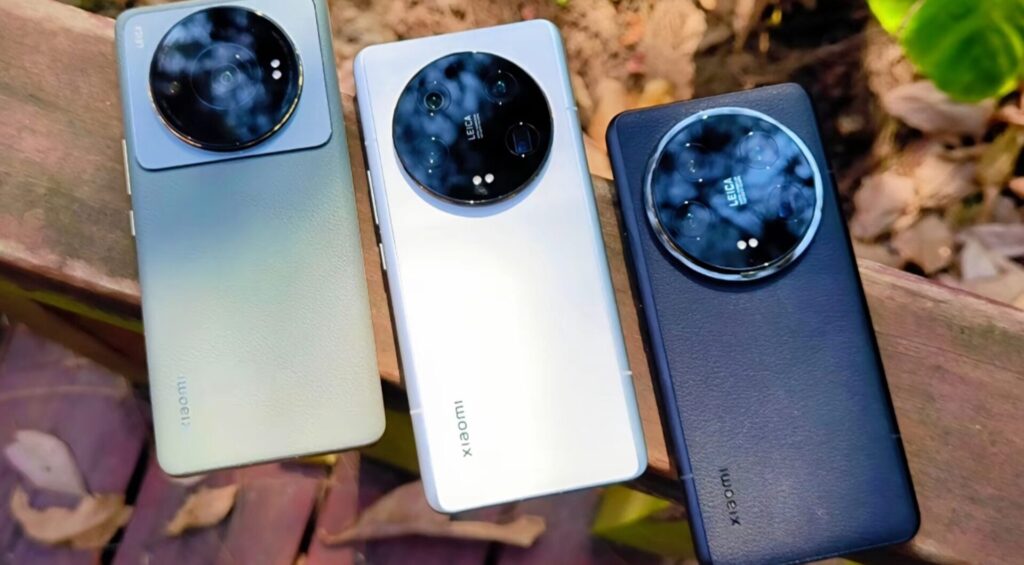
Since the year 2020, Xiaomi’s Ultra series have always showcased a serious engineering intent, as opposed to just being a mere boosting exercise. Every Ultra variant that Xiaomi released acted as a development playfield for Xiaomi’s top-notch hardware, camera technology, and even power management. Starting from those initial experiments in superfast charging to the current professional-grade camera rigs co-developed with Leica, Xiaomi’s Ultra series seem to highlight how the company wants to differentiate its top engineering milestones. Below are the top innovations that were brought about by each Xiaomi Ultra series.
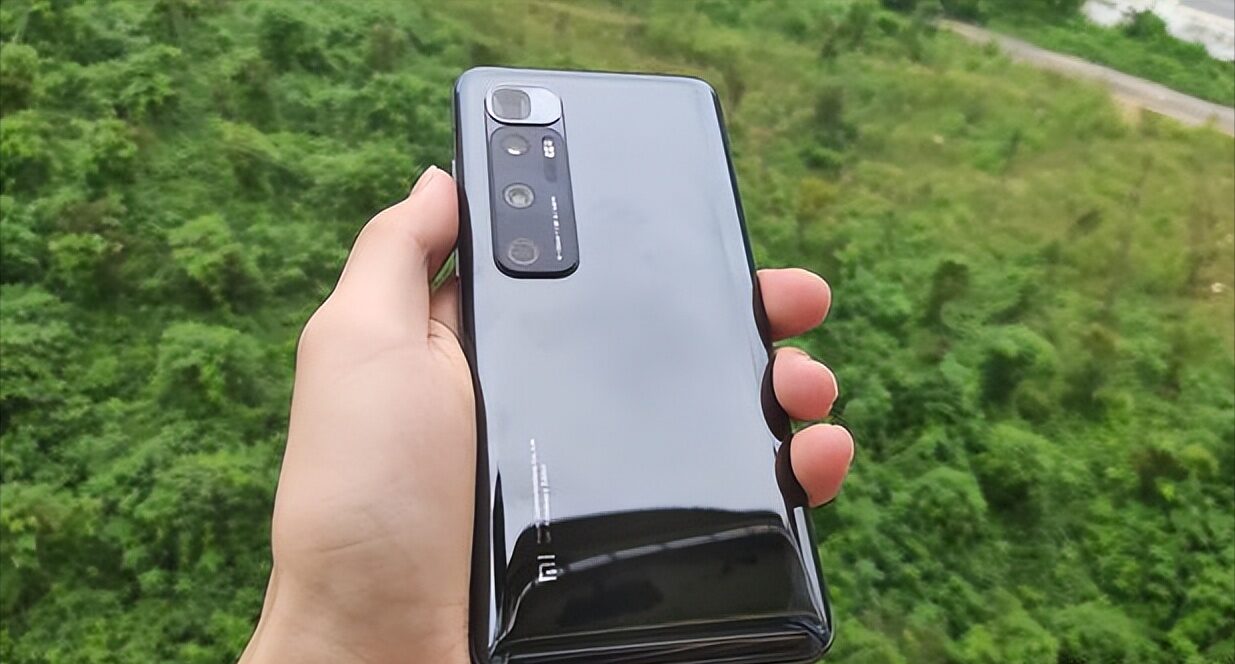
Mi 10 Ultra: Triple 120
With the introduction of Mi 10 Ultra by Xiaomi, the aim was clear. This smartphone emphasized hardware supremacy over other compromises.
The osmotic change was the 120W wired fast charging feature, 120X zoom, 120Hz display which Xiaomi’s first “120” combo phone. To achieve this, there was a dual-cell battery. Concurrently, there was a partnership with a 120Hz high refresh rate OLED panel and a 120Hz periscope zoom camera system.
This model was used to create the Ultra philosophy: if a technology was possible, it fitted into the Ultra range.
Xiaomi 11 Ultra: 50MP Era
With the Mi 11 Ultra, the brand turned its focus from charging speed to the physics of photography. TheSamsung GN2 sensor was a huge move towards professional photography.
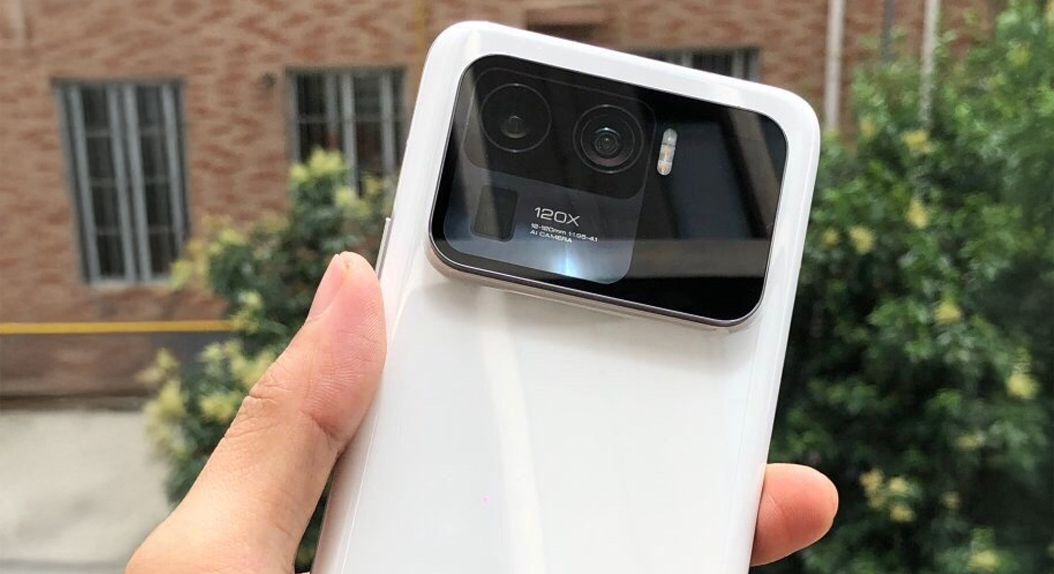
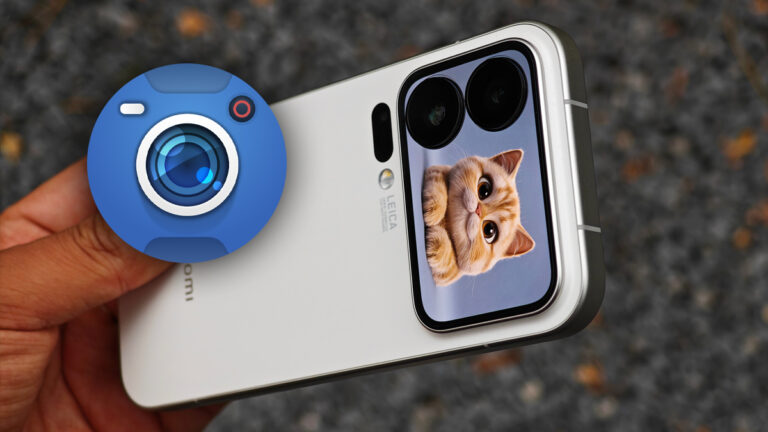
Even before Xiaomi incorporated bigger sensors on their cameras, most smartphone cameras relied heavily on software processing. Also, since the GN2 was bigger, it captured light better to produce a noise-reduced image with a natural-looking dynamic range. Another feature that indicates that Xiaomi was not afraid to try out novel ideas is the rear display for self-portrait shots.
Altough it was quite heavy, the Mi 11 Ultra showed that sensor size counts in mobile photography.
Xiaomi 12S Ultra: Leica and 1″ sensor
Xiaomi 12S Ultra marked the turning point. It was the first phone of the Ultra series that collaborated with Leica cameras and came along with a Sony and Leica-co-developed 1-inch camera sensor.
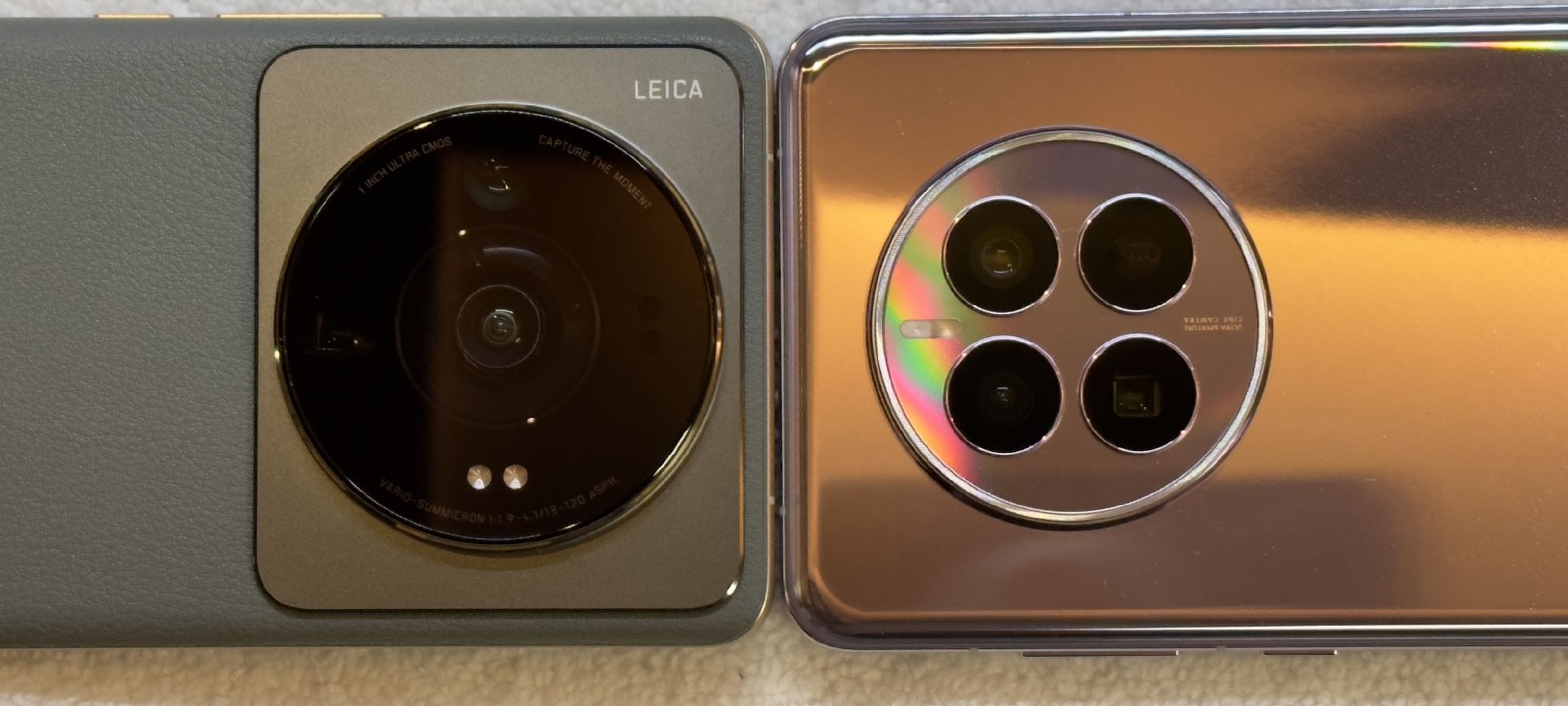
Prior to Leica, the focus of Xiaomi Cameras was on brightness and saturation. But after Leica, the color science turned more conservative and realistic. There were also two modes of photography: Leica Authentic and Leica Vibrant. These allowed users to adjust the nature of the image without affecting the detail.
It was also a generation that enjoyed enhanced efficient processing, which provided better thermal stability and performance.
Xiaomi 13 Ultra: Variable Aperture
The Xiaomi 13 Ultra finetuned the Leica collaboration and introduced elements found in professional cameras.
Among the most impressive upgrades is that of the “Variable Aperture” on the main camera. This gives the user the ability to manage focus and sharpness based on the environment. Furthermore, Xiaomi optimized the image sensor quality of each camera so that color and brightness remain consistent when switching.
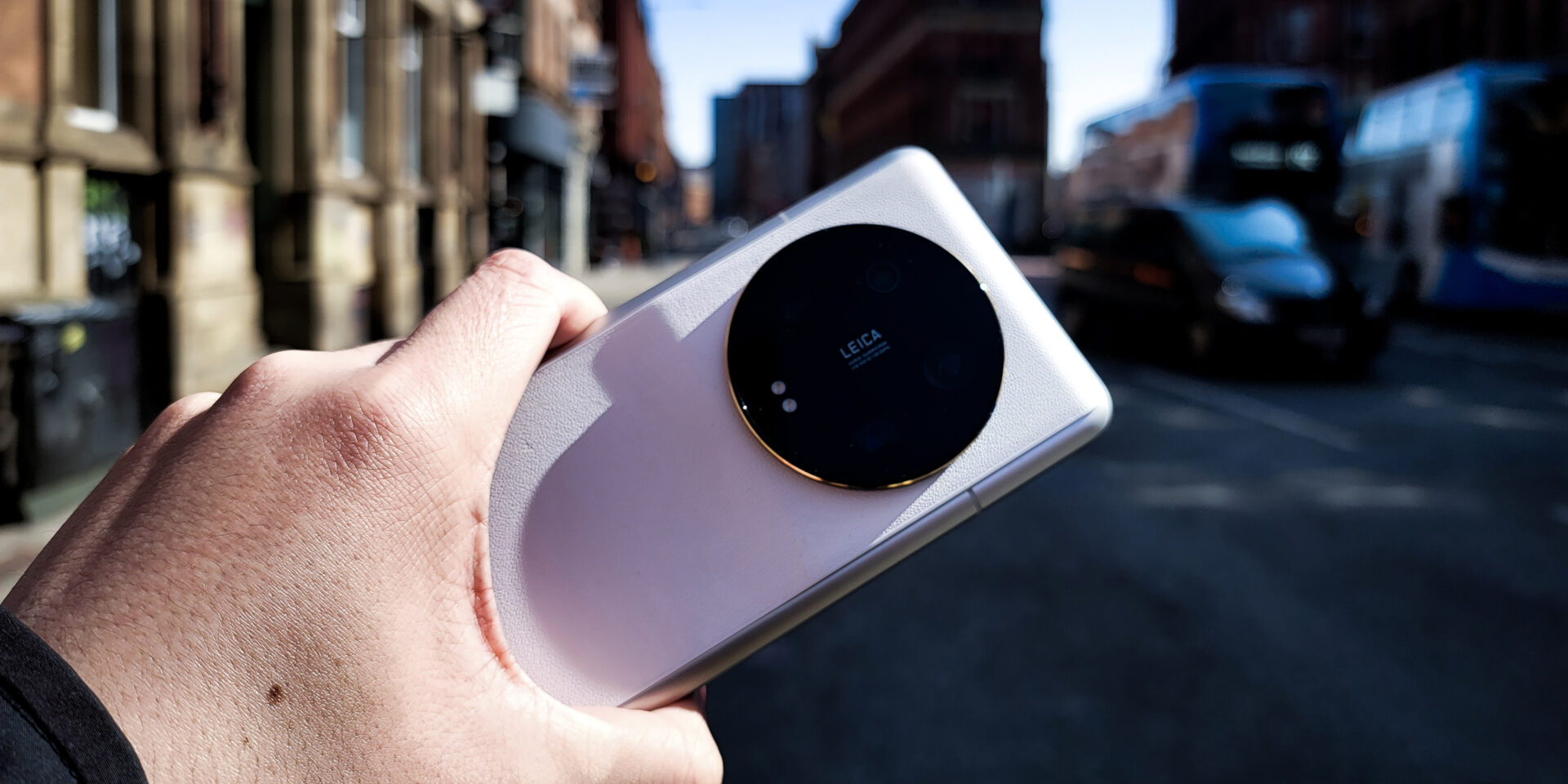
Xiaomi has also launched a photographic kit that can be used optionally, enhancing ergonomics and encouraging thoughtful photography. This indicates that the Ultra series stands out for professional photographers.
Xiaomi 14 Ultra: AISP
With the Xiaomi 14 Ultra, the emphasis in the Xiaomi series was more on the computational photography and less on the hardware. The launch of Xiaomi AISP introduced image processing through AI-based fusion.

The new technology enabled better zoomed image reconstruction, a more accurate portrait image, and superior video processing. The enhancement in the more efficient 1-inch image sensor meant low power consumption and more dynamic range. Additionally, Sony’s AI-based solutions, such as Sony’s AI denoising engine
However, Ultra devices at this level of sophistication are as much a function of software intelligence as they are of physical devices.
Xiaomi 15 Ultra: 200MP Telephoto
The Xiaomi 15 Ultra advanced technology for far-field imaging. Notably, this device is characterized by a 200MP periscope telephoto camera, which supports Detailed zoom capabilities with minimal digital distortion.
For this purpose, Xiaomi used Snapdragon 8 Elite and introduced a silicon-carbon battery with higher energy density. This allowed the phone to function efficiently and run for an extended period despite the higher processing demands of higher resolution cameras.
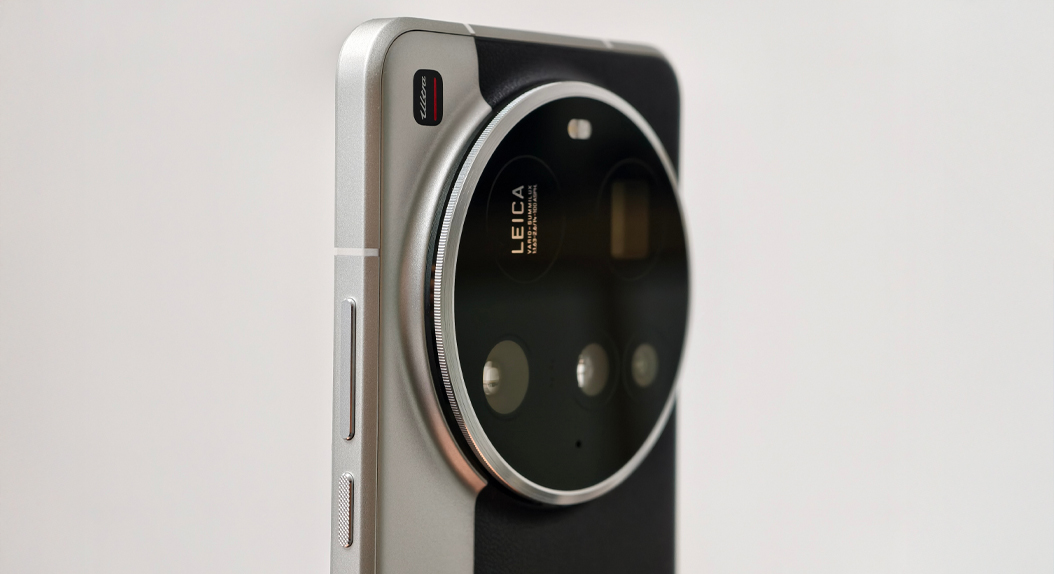
Telephoto Macro added even more versatility to the camera, aligning well with Xiaomi’s emphasis on optical capability.
Xiaomi 17 Ultra
Preliminary information confirms that for Xiaomi 17 Ultra, they would focus on innovations at a sensor level and not on multiple camera lenses. Implementation of LOFIC technology is likely to improve the dynamic range by recording both highlights and shadows in a single frame.
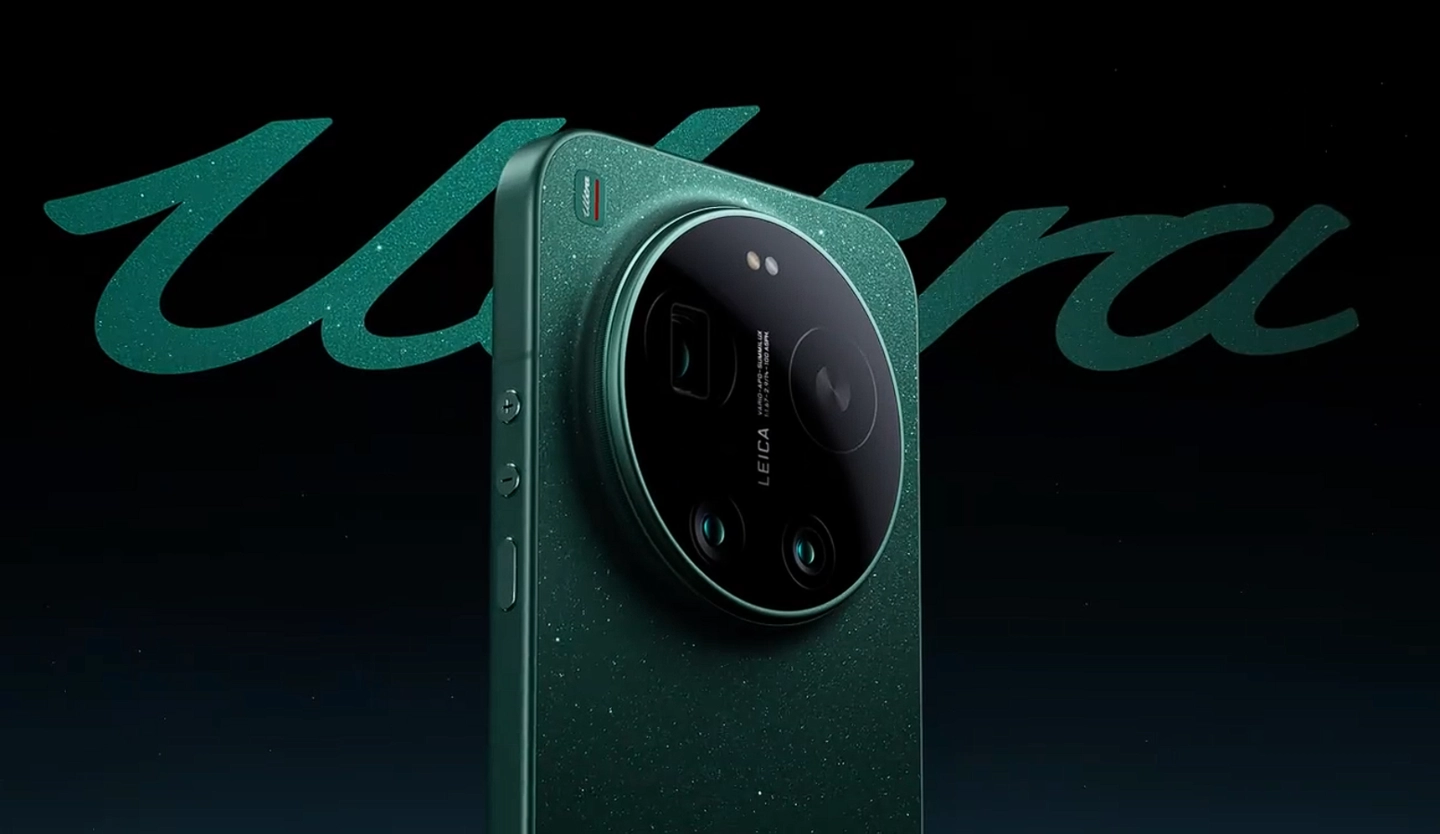
Such variables help eliminate motion artifacts and ensure consistency in the videos. Another factor that suggests Xiaomi’s move to skip the “16 Ultra” name might be a result of the company’s implementation of the global flagship trends is the lack of the four megapixels camera.
Xiaomi Ultra Innovation Timeline
| Model | Key Innovation | Main Focus |
|---|---|---|
| Mi 10 Ultra | 120W 120X 120Hz | 120 combo |
| Mi 11 Ultra | Large GN2 sensor | 50MP and back screen |
| Xiaomi 12S Ultra | Leica partnership | Color science |
| Xiaomi 13 Ultra | Variable aperture | Creative control |
| Xiaomi 14 Ultra | Xiaomi AISP | AI imaging |
| Xiaomi 15 Ultra | 200MP periscope | Long-range zoom |
| Xiaomi 17 Ultra | APO lens and LOFIC sensor | Dynamic range |
In the Xiaomi Ultra series, each generation brings forward a specific, significant, and innovative technology that does not purely rely on improvements but on something more profound. Thus, the Xiaomi Ultra series has transformed from focusing on raw technological specs to considering the aspects of both computation, energy, and camera enhancement, hence bringing the company’s definition of a flagship mobile phone into the picture.