
 Emir Bardakçı
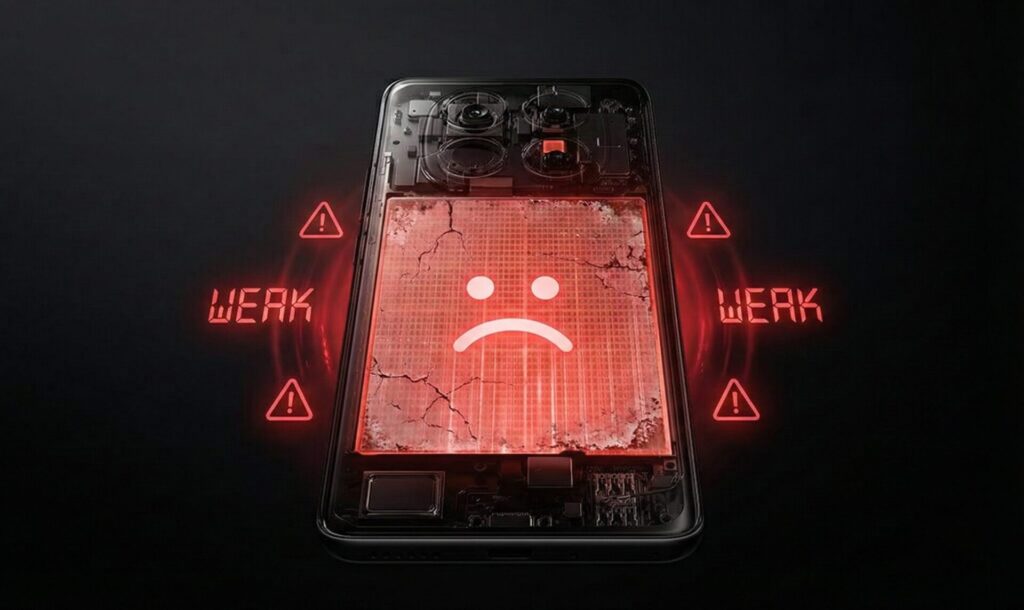
In the era of thin smartphones and record-breaking charging speeds, battery health for Xiaomi, REDMI, and POCO devices depends on heat management and usage habits. Understanding these factors allows you to enjoy features like HyperOS and HyperCharge without compromising long-term reliability.
Heat: The Primary Killer of Xiaomi Batteries
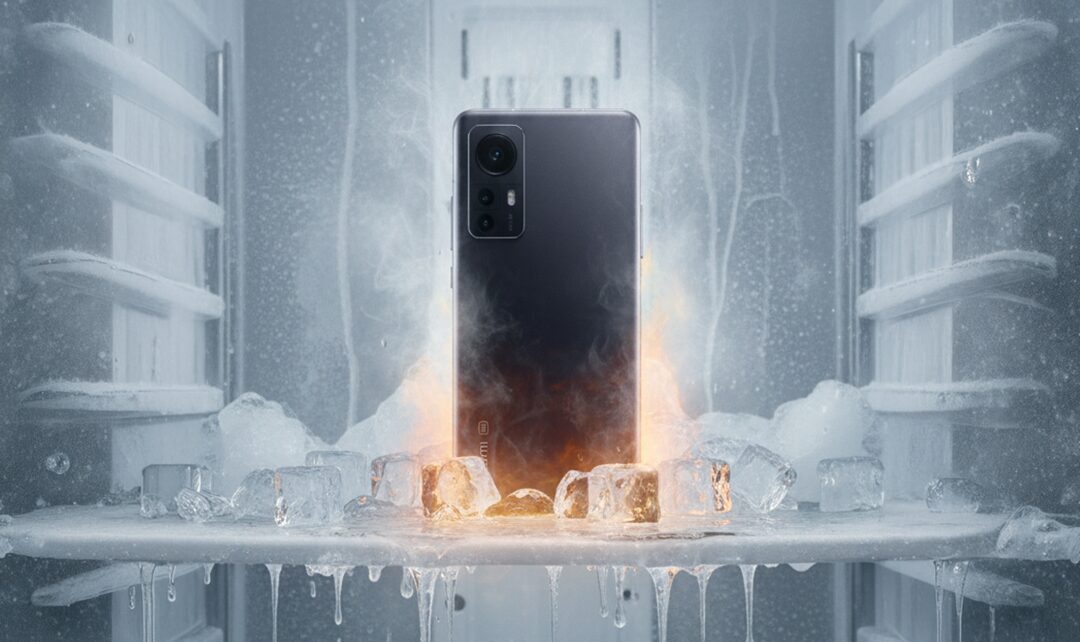
Heat is the leading cause of lithium-ion degradation; temperatures above 35°C chemically accelerate capacity loss.
The most damaging factor for smartphones is undoubtedly heat. If you are wondering why Xiaomi battery is aging, the answer lies in high temperatures accelerating unwanted chemical reactions inside the cells.
-
Charging Under Load: Gaming while charging creates a “dual load” that generates extreme internal heat and forces the battery through damaging micro-cycles.
-
Brightness Stress: Using high peak brightness outdoors on OLED panels generates significant heat that transfers directly to the battery, causing silent degradation.
HyperCharge: Convenience vs. Longevity
While 120W and 210W speeds are revolutionary, daily reliance on maximum wattage increases thermal stress on battery cells. Xiaomi uses 67W-100W charging speed on their last phones.
Xiaomi HyperCharge technology can fully charge Xiaomi Jinshajiang batteries safely in under 20 minutes. However, frequent use of ultra-fast charging puts higher electrical stress on the cells. For those asking why Xiaomi battery is aging faster than expected, it is often due to the intense heat generated during the first 50% of a high-wattage charge cycle.
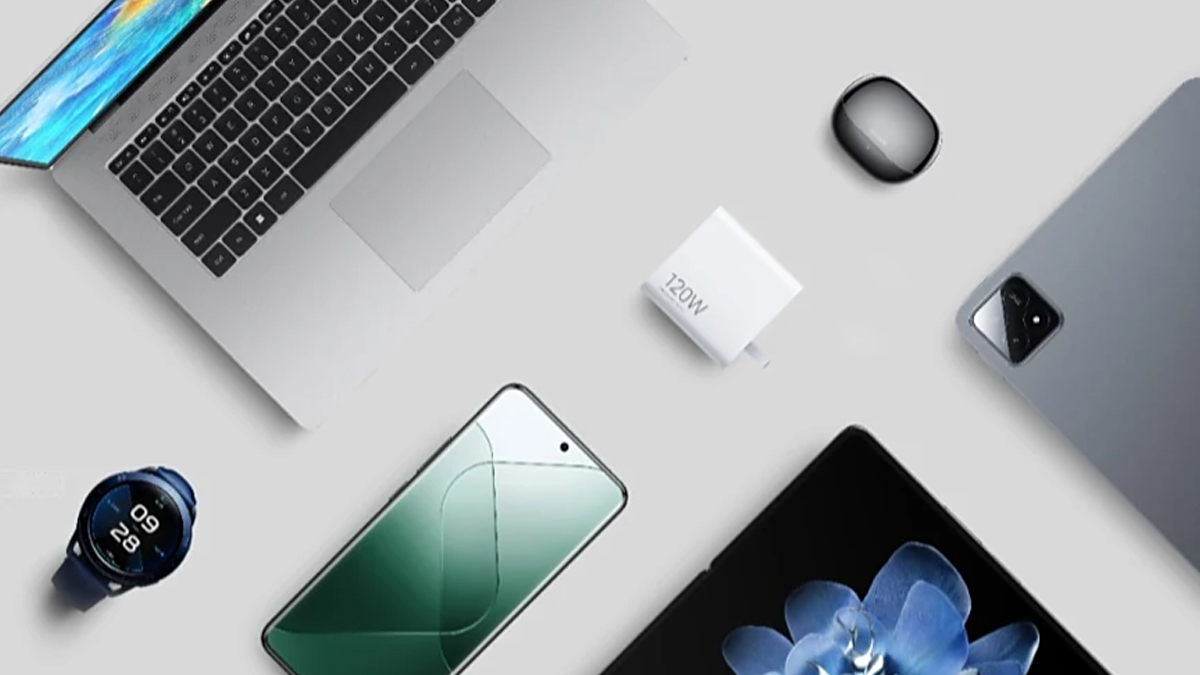
Pro Tip: Use slower chargers (18W or 33W) for overnight charging to minimize heat exposure and use HyperCharge only when urgent.
Silicon-Carbon Batteries: New Tech, New Challenges
Newer flagships use silicon-carbon anodes for higher density, but this material faces physical expansion challenges over time.
Xiaomi has moved toward silicon-carbon battery “Xiaomi Jinshajiang Battery” technology on their latest phones to provide larger capacities in slim devices. While efficient, silicon expands significantly more than graphite when storing lithium ions. Even with advanced carbon structures, this mechanical stress can lead to noticeable capacity loss after two to three years of heavy use.

Software Factors: HyperOS Power Management
Increased drain after a major update is usually temporary as the system performs background optimizations and re-indexing.
It is common to notice a dip in battery performance immediately after switching to HyperOS. Why Xiaomi battery is aging faster after updates is a frequent concern, but this is typically due to the system re-indexing files and compiling apps in the background. Performance and efficiency usually stabilize after 48–72 hours as AI-based power management adapts to your patterns.
Display and Connectivity Stress
High refresh rates and weak 5G signals force the GPU and modem to work harder, indirectly heating the battery.
-
120Hz Refresh Rate: High smoothness increases GPU power draw. Using “Adaptive Refresh Rate” settings helps mitigate this impact.
-
Network Search: In areas with poor 5G coverage, the modem consumes excessive power searching for a signal. Switching to 4G in these zones can significantly reduce battery temperature.
How Xiaomi Protects Your Battery
Built-in HyperOS features are designed to minimize chemical and thermal stress automatically. Xiaomi includes several tools to slow down degradation:
-
Optimized Charging: Learns your sleep schedule to keep the battery at 80% and finishes the last 20% just before you wake up.
-
Bypass Charging: Available on gaming-centric models, this sends power directly to the motherboard, bypassing the battery entirely to eliminate heat during gaming sessions.
Excessive heat remains the primary factor in battery aging. By avoiding heavy usage during charging and utilizing built-in software protections, you can ensure your Xiaomi device maintains peak performance for years.



Bypass Charging feature is not present in Xiaomi phones
And yet, there’s no way on Android to purposely limit the performance of a device. Let’s say I’d like to limit things to 80% of what the SoC can do, so that not as much heat is generated, I can’t.