 Emir Bardakçı
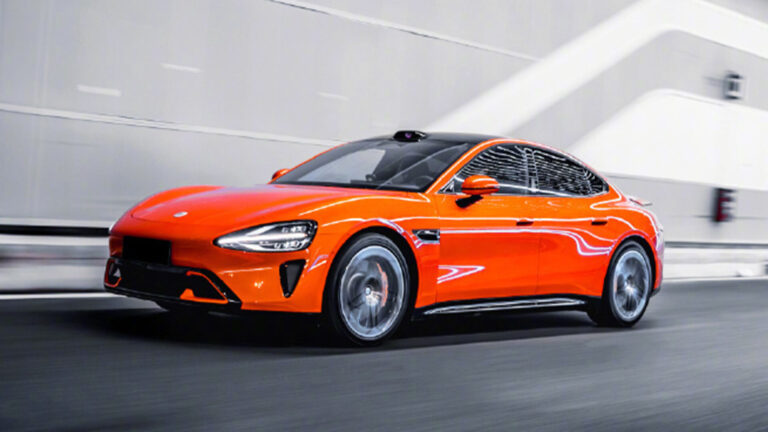
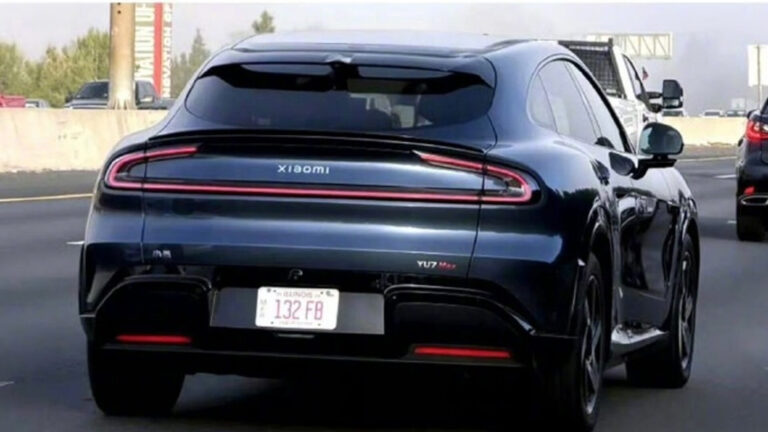
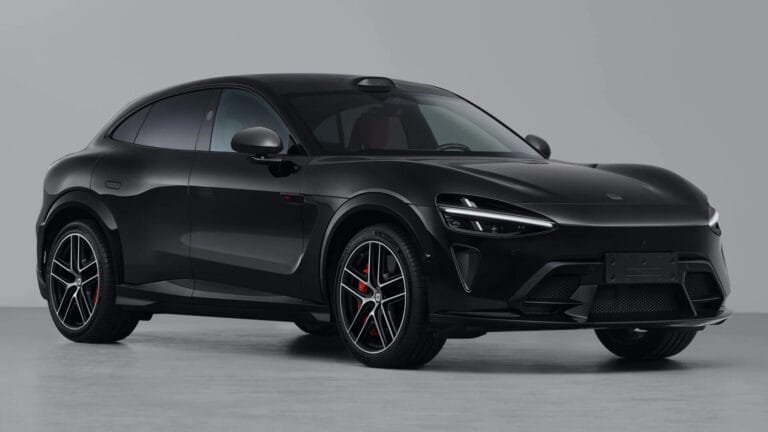
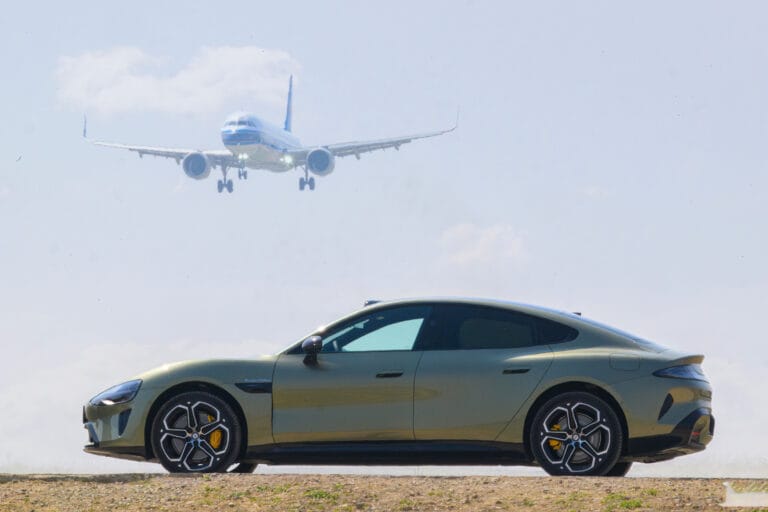
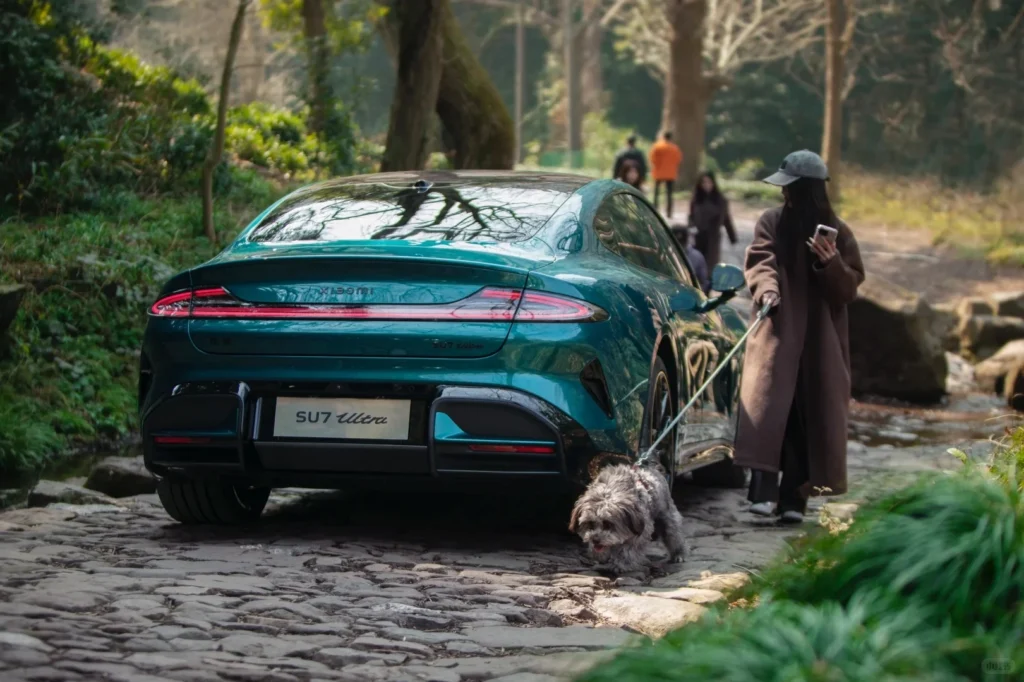
From a bold announcement, Xiaomi’s entry into the world of automotive has rapidly evolved into a concrete long-term strategy. The Xiaomi SU7 does not come across as a short-term experiment but rather as one of the core pillars of the company’s “Human × Car × Home” ecosystem, in which smartphones, smart homes, and cars will run on the same software and service layer. Although Xiaomi has officially confirmed its ambition towards going global in 2027, 2025 is widely regarded as a preparation and validation year in Europe rather than a full-scale commercial launch. By that time, the SU7 will be benchmarked against electric sedans that have already begun to set the tone for the European market.
Xiaomi SU7 Positioning Before Its European Arrival
Before competitor listings are evaluated, conceptual clarity is again paramount on where the Xiaomi SU7 stands. Xiaomi takes a different approach to mobility: as an extension of its consumer electronics ecosystem into mobility, unlike traditional automakers. The SU7 lineup, underpinned by the Modena platform, supports both 400V and 800V electrical architectures prioritizing software-defined vehicle capabilities through Xiaomi’s HyperOS.
In Europe, in 2025, the activities of Xiaomi will be focused on homologation and real-world testing and on adapting to regulations, rather than on direct sales. In this positioning, the true rivals to the SU7 are not measured only by performance or range but by how well they tie in software with charging infrastructure with long-term ownership value within European regulations.
In cases where the number of tokens is too many, the effect is seen a little in non-interaction.
The European EV Market: Highly Competitive in 2025
There will be three major forces defining the European electric vehicle market in 2025. First, product offerings due to more stringent regulatory frameworks for safety, cybersecurity, and assisted driving systems. Second, trade policies and added tariffs on China-manufactured EVs that will affect pricing strategies. Third, consumer expectations will increasingly revolve around software stability, charging convenience, and after-sales support, rather than headline specifications alone.
In this landscape, Xiaomi SU7 will come up against both well-established global brands and aggressively expanding Chinese players who have secured a beachhead within the European continent.
Tesla Model 3 Highland: This is the Benchmark Xiaomi Needs to Beat
The Tesla Model 3-a refreshed “Highland” version-continues to be the reference in the European electric sedan segment: strong efficiency combined with competitive performance and unmatched charging convenience thanks to the Supercharger network.
From a technical point of view, Model 3 Long Range is focused on efficiency, offering very good WLTP range with relatively modest battery size. The Performance variant, on the other hand, competes directly with the Xiaomi SU7 Max in terms of acceleration and driving dynamics. Tesla’s advantage is not just about hardware but also very mature software ecosystem and extensive charging infrastructure across Europe.
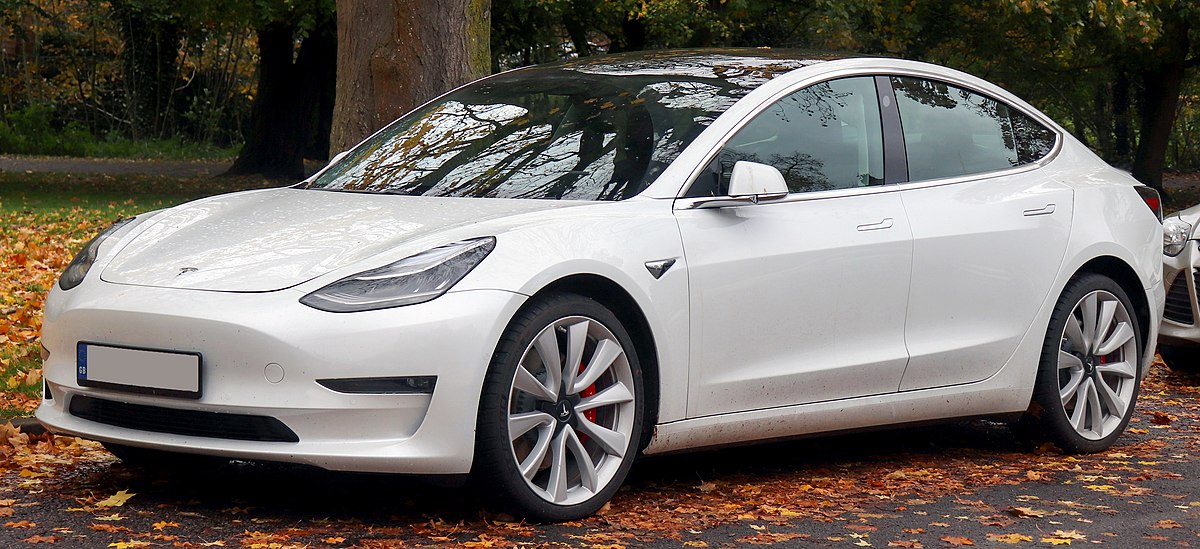
The Model 3 stands for Xiaomi as the most direct challenger in terms of market perception, reliability, and all-round ownership experience.
BYD Seal: The Most Balanced Chinese Competitor
The BYD Seal has probably been the strongest Chinese alternative in Europe, and the facelift arriving in 2025 will put it even stronger. Moving to an 800V architecture, doing faster charging (BYD claims the Seal will get an 80% charge in under 10 minutes), and using the proven Blade Battery technology, BYD focuses on long-term durability and cost efficiency.
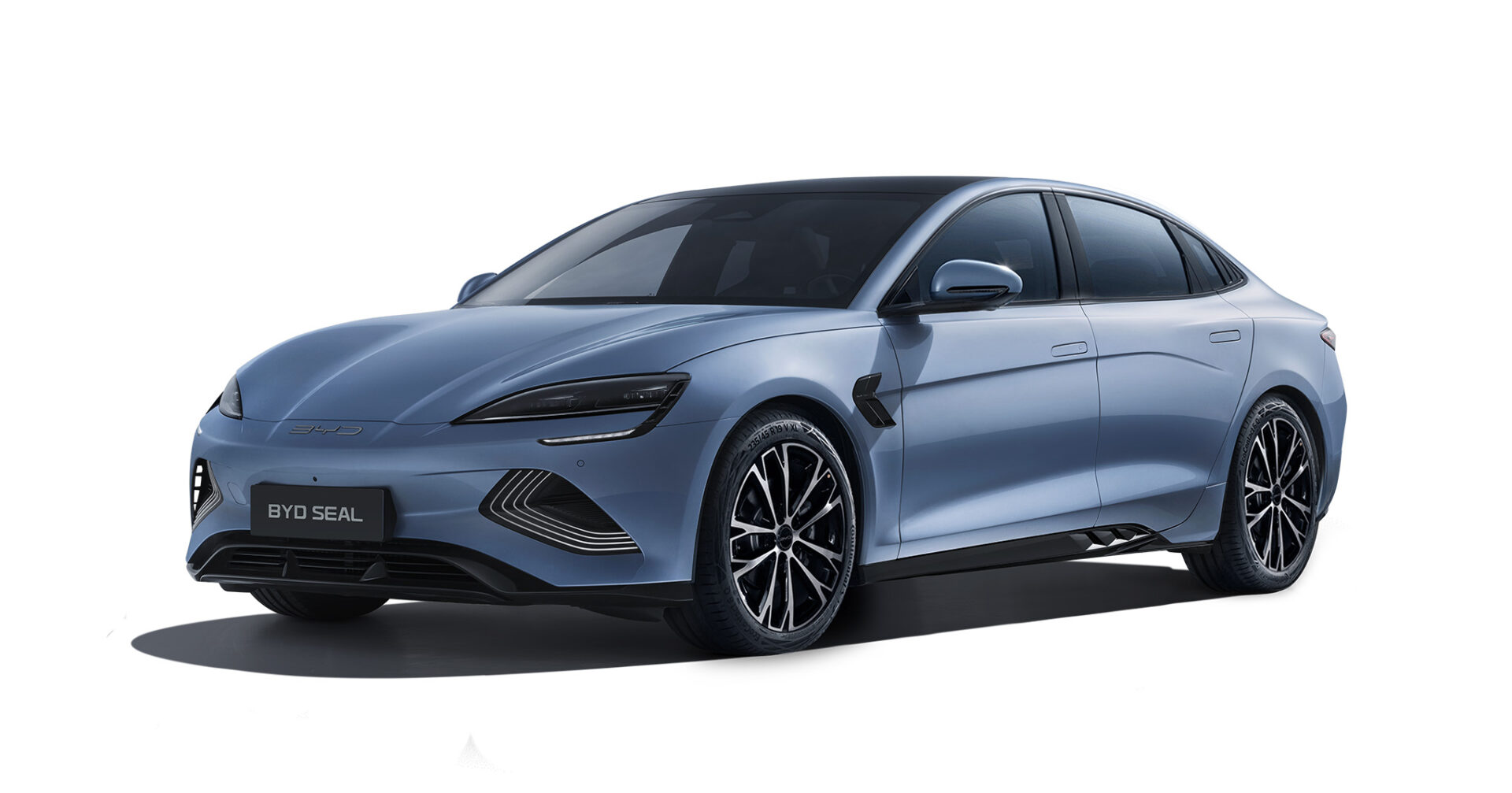
Compared to Xiaomi SU7, BYD Seal presents a car with a pragmatic positioning rather than a performance-driven product. The extended battery warranty and competitive pricing-even considering the increased tariffs-make it particularly desirable to European customers keen on reliability and predictable ownership costs. This makes BYD one of the most relevant competitors that Xiaomi has to consider when planning its European pricing strategy.
Zeekr 007 and Zeekr 7 GT: Technology and design as differentiators
Backed by Geely Group, Zeekr targets a more premium and design-oriented audience. The sedan version of the Zeekr 007 is one of the closest competitors to the SU7 in terms of charging speed, performance, and digital features, while the Zeekr 7 GT introduces a station wagon body style that is still highly popular in Europe.
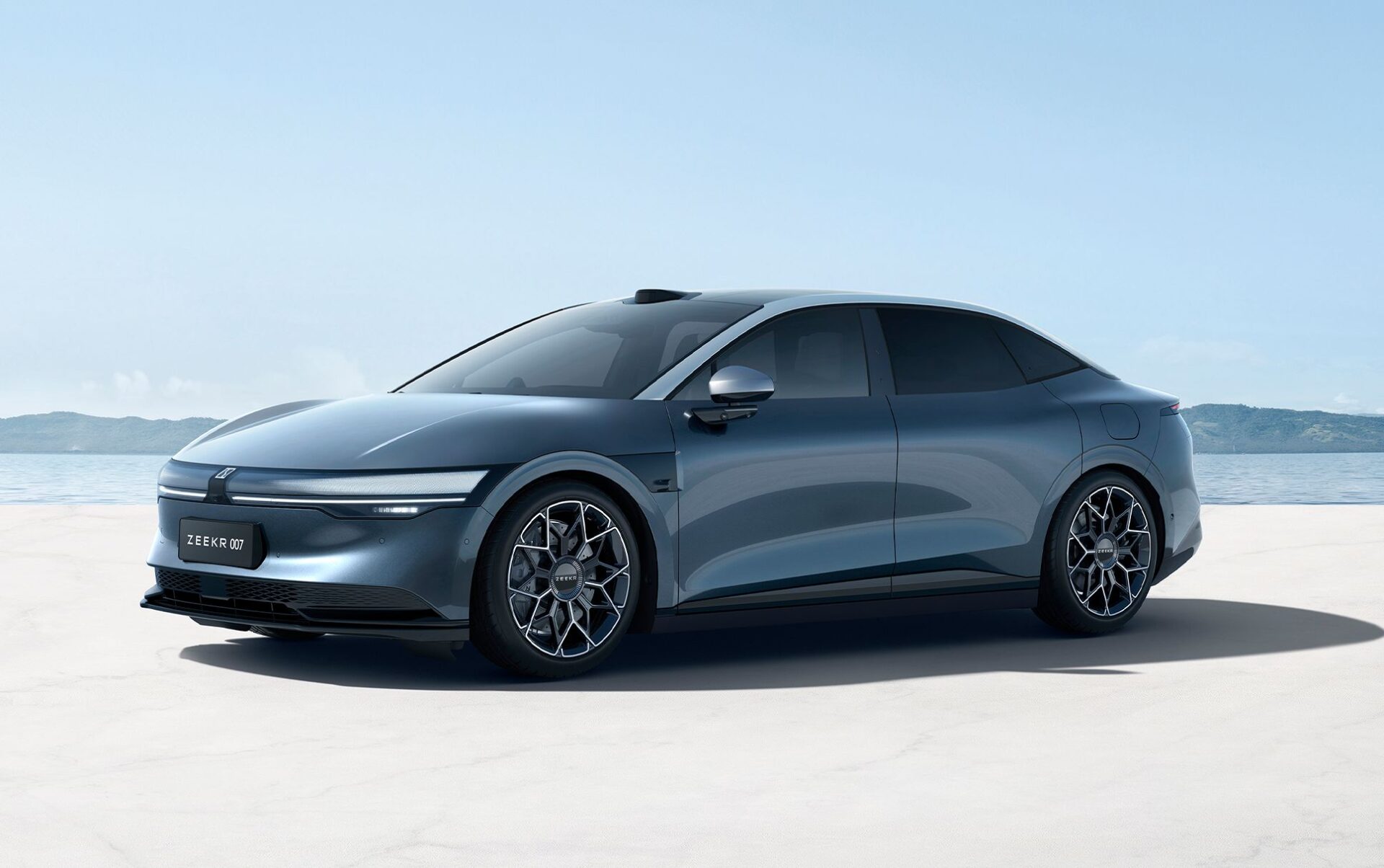
With the presence of a high-performance electric estate, Zeekr enjoys a structural advantage in markets like Germany and Northern Europe, where practicality plays a decisive role. Xiaomi does not address this niche directly yet, with its current focus on sedan formats.
Xpeng P7+: Competition Focused on Software
Xpeng’s strategy in Europe will focus on AI and software-defined driving, and the P7+ is no exception, as the company focuses on cameras for assisted driving systems with high energy efficiency, seeking to use sophisticated driver assistance without LiDAR.
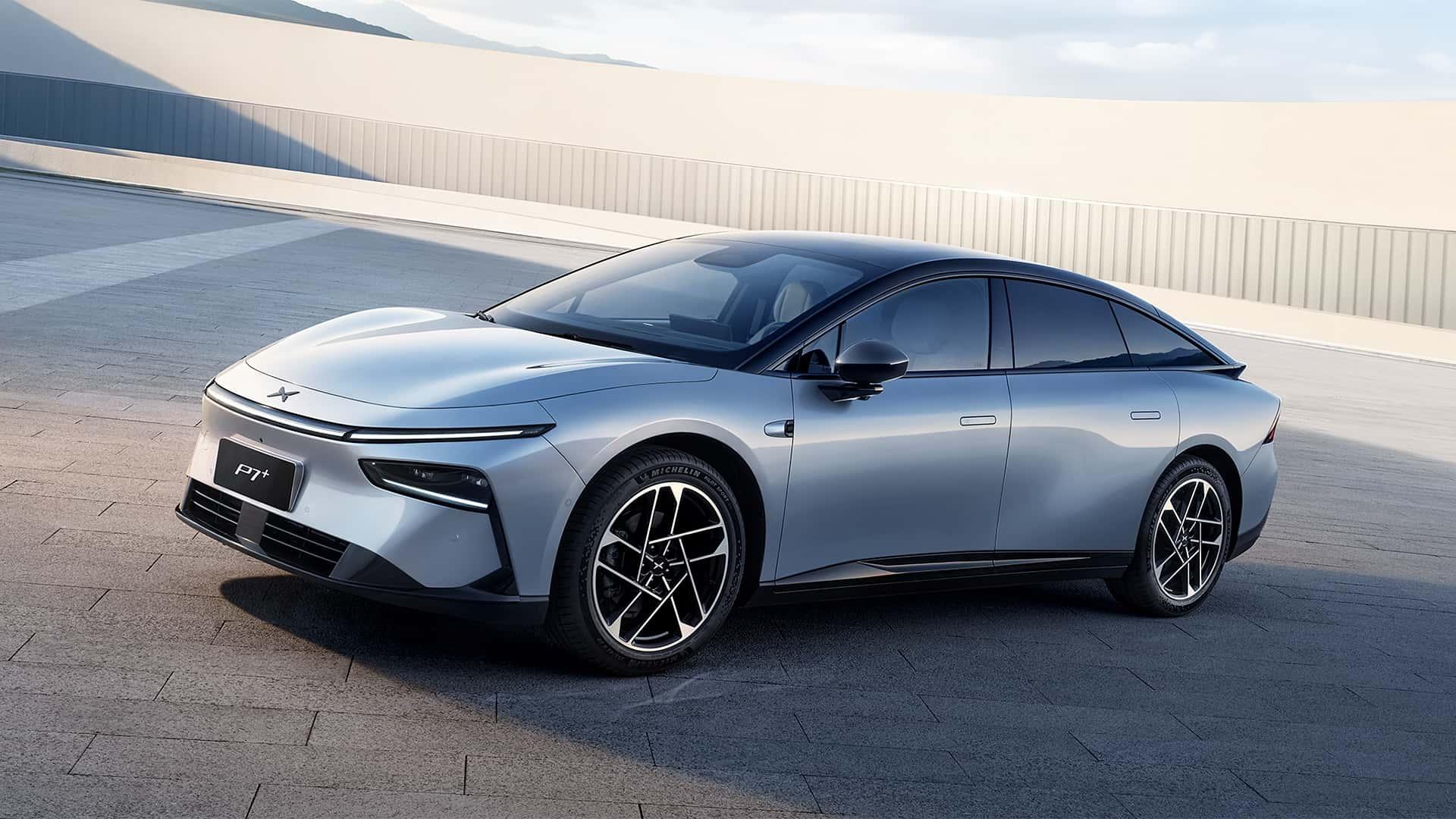
While Xiaomi will continue focusing on deep ecosystem integration using HyperOS, Xpeng positions itself as a pure “AI car” brand, a notion that dramatically increases the direct software-level rivalry between the two companies, especially among European tech-oriented consumers who value intelligent navigation, automation, and continuous over-the-air improvements.
European Premium Brands: Experience and Trust
Established European brands remain a critical ingredient in the competitive equation. These models-Volkswagen ID.7 GTX, BMW i4, Audi A6 e-tron, and Mercedes EQE-continue to dominate fleet sales and command substantial premiums due to ingrained brand trust, expansive service networks, and refined driving dynamics.
At this point, Mercedes leads in legally approved Level 3 assisted driving systems in Europe-a domain where Xiaomi will need a while to achieve regulatory clearance. While it may pip on some rivals on raw specifications, European brands hold a strong advantage in perceived quality and long-term support.
While Xiaomi’s global ambitions for the automotive sector are evident, timing and positioning will be everything in Europe. By 2025, the Xiaomi SU7 will find itself up against established leaders in the shape of Tesla Model 3, well-integrated Chinese rivals like BYD Seal and Zeekr 007, and trusted European premium brands. Each one of them sets a very high bar regarding either efficiency or software maturity or brand confidence. When Xiaomi finally hits the roads in earnest in Europe, it will be less about acceleration figures and more about how successfully it can translate its skills in ecosystems into a seamless ownership experience – compliant with regulations.